Key Takeaways
- The best camping backpack is the one that fits your body, trip length and gear load, not just the one with the most pockets or highest litre number.
- Comfort and weight distribution are essential. A good pack should move weight onto your hips, balance the load and avoid rubbing your shoulders or lower back.
- Size matters, but bigger is not always better. Choose capacity based on how long you camp, how bulky your gear is and whether you need food, water or group equipment.
- Durable materials, reliable zippers, reinforced stitching and water resistance help a backpack survive real camping conditions.
- Try a backpack with realistic weight before trusting it, because an empty pack can feel very different once loaded.
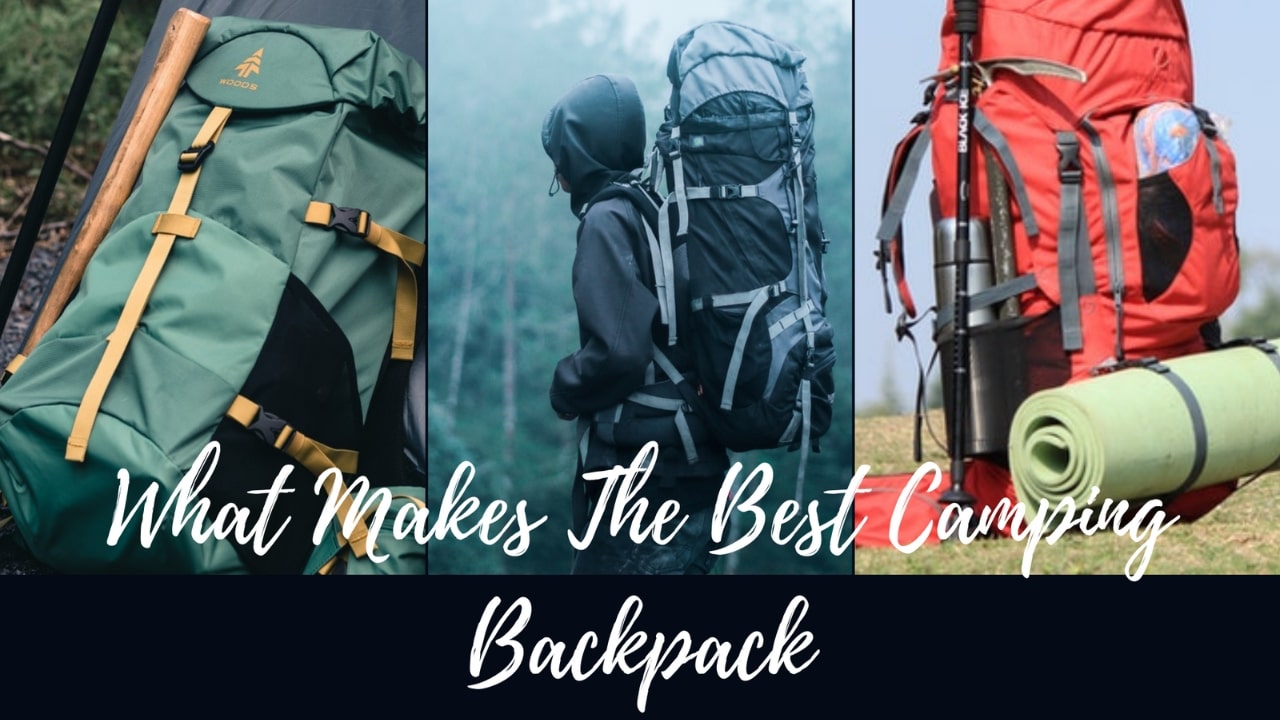
A camping backpack is more than a bag for carrying clothes. It holds your water, food, layers, sleeping gear, tools, safety items and sometimes the little comforts that make a trip feel easier. A poor backpack can cause sore shoulders, awkward weight balance, frustration and wasted space.
The original article listed useful buying points such as size, materials, features and weight distribution. This rebuilt version expands those ideas into a complete camping backpack guide, while preserving the original product recommendations and affiliate links in a cleaner, more helpful format.
Quick Answer: What Makes the Best Camping Backpack?
The best camping backpack has the right capacity for your trip, a comfortable fitted harness, padded shoulder straps, a supportive hip belt, balanced weight distribution, durable fabric, weather-resistant construction, useful pockets and enough access points to reach gear without unpacking everything. For most overnight camping and hiking trips, comfort under load matters more than looks or brand name.
In This Guide
Quick Camping Backpack Selector
Use this quick selector to narrow down the kind of backpack that fits your trip before comparing individual products.
Example: For a normal 2–3 night camping trip, look at roughly 50L to 65L with a supportive hip belt and comfortable frame.
Camping Backpack Comparison Table
| Feature | Why It Matters | Good Sign | Common Mistake |
|---|---|---|---|
| Capacity | Decides how much gear, food and clothing you can carry | Enough room without needing to hang gear everywhere | Buying too large and overpacking |
| Fit | Affects shoulder, hip and back comfort after miles of walking | Correct torso size and padded hip belt | Choosing by height only instead of torso measurement |
| Frame support | Helps transfer weight to the hips and stabilise the load | Internal frame or strong support system for heavier loads | Using a soft bag for heavy camping gear |
| Materials | Determines abrasion resistance, weather resistance and lifespan | Reinforced base, strong stitching and durable fabric | Only looking at colour or brand logo |
| Pockets and access | Makes it easier to find water, food, layers and small gear | Side pockets, lid pocket, hip belt pockets and front access | Buying a pack with many pockets but poor balance |
| Weather protection | Helps protect gear from rain, wet ground and splashes | Rain cover, waterproof liner or water-resistant fabric | Assuming “water resistant” means fully waterproof |
Size and Capacity
Backpack size is usually measured in litres. The right capacity depends on trip length, gear bulk, season, food needs and whether you are carrying shared items like a tent, stove or first aid kit.
- 20L to 35L: day hikes, short walks and light essentials.
- 35L to 50L: minimalist overnight camping with compact gear.
- 50L to 65L: common range for weekend camping and short backpacking trips.
- 65L to 80L: longer trips, colder conditions, more food or bulkier gear.
- 80L+: expedition-style use, winter bulk or specialist gear loads.
Fit, Comfort and Support
A backpack should fit snugly but comfortably against your body. The shoulder straps should not dig in, the hip belt should carry much of the weight, and the pack should not sway heavily from side to side.
Torso Fit
Measure torso length and match it to the backpack size or adjustment range. Height alone is not enough.
Hip Belt
A padded hip belt helps move weight off your shoulders and onto your hips, which is vital for longer walks.
Shoulder Straps
Look for straps that contour smoothly and do not rub the neck, collarbone or underarms.
Back Panel
Ventilation and padding can reduce sweat and improve comfort on warm or steep routes.
Materials and Durability
The original article correctly warned that thin fabric can rip on sharp branches, thorns or rough surfaces. Durability is especially important if you camp often or travel through rocky, wooded or wet places.
Look for strong fabric, reinforced stitching, reliable buckles and a tough bottom panel. A backpack does not need to be fully waterproof, but it should protect your gear from light rain and work well with a rain cover or pack liner.
Useful Backpack Features
Good features help you reach important items without emptying the entire pack. Too many features can add weight, but the right ones make camping easier.
- Side water bottle pockets: make hydration easier while walking.
- Hip belt pockets: useful for snacks, lip balm, small camera or compass.
- Front stretch pocket: good for rain jacket, wet items or a quick-access layer.
- Compression straps: keep the load stable when the pack is not full.
- Sleeping bag compartment: helpful for organising larger camping gear.
- External attachment points: useful for trekking poles, sleeping pad or camp tools when used sensibly.
Weight Distribution
Weight distribution can make the difference between a comfortable hike and a painful one. Heavy items should sit close to your back and around the middle of the pack, not swinging at the far outside or hanging from one side.
Simple Packing Rule
Pack heavy, dense items close to your spine and near the middle of your back. Keep light bulky items lower or farther out, and keep frequently used items easy to reach.
Try to balance both sides of the pack. If one side is much heavier, your body will compensate with every step, which can lead to strain over time.
Camping Backpack Product Examples
These product links from the original article are included as examples to compare. Always check the current size, fit, weight, capacity, return policy and latest reviews before buying.
How to Test a Camping Backpack
A backpack can look perfect online and still feel wrong on your body. Test it with realistic weight before relying on it for a trip.
- Load it with the weight you expect to carry.
- Adjust the hip belt first so the load rests on your hips.
- Tighten shoulder straps gently without pulling all the weight onto your shoulders.
- Use load lifters and sternum strap to stabilise the pack.
- Walk around for at least 10 to 15 minutes, including stairs if possible.
- Check for rubbing, pressure points and poor balance.
Camping Backpack Buying Checklist
- Choose capacity based on trip length and gear bulk.
- Measure torso length and check hip belt sizing.
- Test the pack with realistic weight before keeping it.
- Look for durable fabric, reinforced stitching and strong zippers.
- Check pocket layout and access while wearing the pack.
- Make sure weight transfers comfortably to the hips.
- Use a rain cover, pack liner or dry bags for wet weather.
- Avoid buying only because the backpack is cheap or popular.
Final Recommendation
For most casual camping and hiking trips, choose a backpack in the 50L to 65L range with a proper hip belt, comfortable shoulder straps, durable materials and useful access pockets. For short day trips, go smaller. For longer trips, winter gear or heavy food carries, choose more capacity and stronger support.
Conclusion: The Best Camping Backpack Carries Well When Loaded
The best camping backpack is not simply the biggest, lightest or most expensive one. It is the backpack that fits your body, carries your real gear comfortably and survives the conditions you plan to camp in.
Focus on size, fit, materials, features and weight distribution. When those basics are right, the pack becomes easier to carry, easier to organise and far more useful on real outdoor trips.
FAQ
What size backpack is best for camping?
For many overnight and weekend camping trips, a 50L to 65L backpack is a practical range. Day hikes need less, while longer trips or bulky gear may require 65L to 80L or more.
What makes a backpack comfortable?
A comfortable backpack has the right torso fit, padded shoulder straps, a supportive hip belt, good back padding, stable load lifters and balanced weight distribution.
Should a camping backpack be waterproof?
A camping backpack should at least handle light rain, but many are water resistant rather than fully waterproof. Use a rain cover, pack liner or dry bags to protect important gear.
How heavy should a camping backpack be?
The empty backpack should be light enough for your trip, but comfort under load matters more than empty weight. A very light pack can feel uncomfortable if it lacks support for heavier camping gear.
Are more pockets better on a camping backpack?
Useful pockets are helpful, but too many can add weight and encourage clutter. Side pockets, hip belt pockets, lid pockets and a front stretch pocket are often enough for most campers.
How should I pack heavy items in a camping backpack?
Pack heavy items close to your spine and near the middle of your back. Keep the load balanced from left to right and use compression straps to stop the pack from shifting.
Sources and Further Reading
- REI: How to Choose a Backpack
- REI: How to Fit and Adjust a Backpack
- National Park Service: The Ten Essentials
- Leave No Trace: Plan Ahead and Prepare
- ChipJourney: How to Choose a Lightweight Durable Backpack
- ChipJourney: Necessary Hiking Gear You Need to Bring
- ChipJourney: Good Headlamp for Hiking and Camping
- ChipJourney: Best Scout Camping Gadgets
Affiliate Disclosure
Some links on ChipJourney may be affiliate links. If you buy through a qualifying link, we may earn a small commission at no extra cost to you. This helps support the site and keeps our camping guides free to read.