Key Takeaways
- Necessary hiking gear depends on your route, weather, distance and experience level. A short local trail does not need the same kit as a mountain hike or overnight camping trip.
- The original seven gear items are preserved and improved: hiking boots, backpack, hiking clothing, sunglasses, tent, sleeping bag and compass.
- Do not pack only comfort items. Navigation, water, food, warmth, lighting, first aid and weather protection are the pieces that make a hike safer.
- The original Amazon affiliate links, product images, MP4 product videos, author credit, affiliate disclosure, ads, share buttons, comments, sidebar and layout are preserved.
- The old plain “In this guide” box has been replaced with one polished guide section that includes FAQ and Sources.
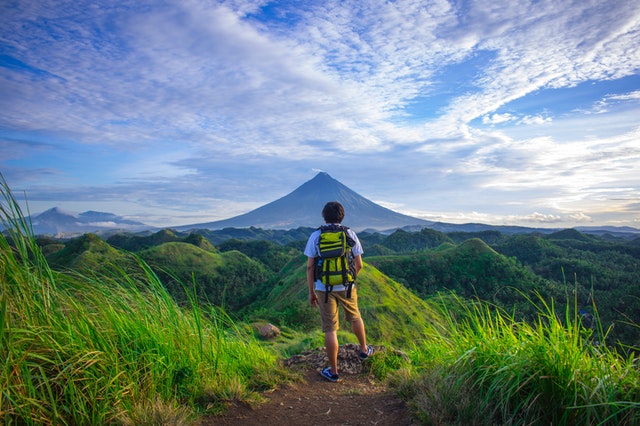
Hiking is one of the best ways to exercise, enjoy fresh air and spend time in nature. But the right gear can make the difference between a peaceful outdoor day and a stressful one. Your needs will change depending on the season, trail difficulty, weather, distance and whether you are doing a day hike or camping overnight.
This rebuilt guide keeps the original hiking gear list while making the advice more practical, safer and easier to use. You will find gear explanations, buying tips, extra safety essentials, a checklist, related guides, FAQ and reliable further reading.
Quick Answer: What Hiking Gear Do You Need To Bring?
For most hikes, the most important gear includes comfortable hiking footwear, a properly fitted backpack, weather-appropriate clothing, sun protection, navigation, water, food, first aid, a light source and emergency layers. For overnight trips, add a tent, sleeping bag, sleeping mat, cooking kit and extra warmth suitable for the expected conditions.
How To Choose The Right Hiking Gear
The best hiking gear list depends on your hiking style. A warm-weather park walk, a wet forest trail, a mountain route and a multi-day camping trip all need different levels of preparation. Before buying or packing, ask yourself where you are going, how long you will be out, how remote the route is, what the weather may do and how much weight you can comfortably carry.
Trail type
Rocky, muddy, steep, snowy and flat trails all change what footwear, clothing and traction you need.
Weather
Rain, wind, sun, heat and cold should decide your clothing layers and emergency gear.
Distance
Longer hikes need more water, food, blister prevention, navigation and backup layers.
Remoteness
The farther you are from help, the more important first aid, communication, shelter and navigation become.
Quick Hiking Gear Checklist
| Gear Category | What To Bring | Why It Matters |
|---|---|---|
| Footwear | Hiking boots or trail shoes, plus suitable socks. | Protects feet, improves grip and reduces blisters. |
| Pack | Daypack or hiking backpack with rain cover if needed. | Carries water, food, layers, first aid and essentials. |
| Clothing | Moisture-wicking layers, insulation and waterproof shell. | Helps manage heat, cold, wind and rain. |
| Sun protection | Sunglasses, hat and sunscreen. | Protects eyes and skin, especially at altitude or open trails. |
| Navigation | Map, compass, GPS or offline app. | Helps you stay on route and recover from wrong turns. |
| Food and water | Enough water, snacks and extra calories. | Supports energy and hydration. |
| Emergency gear | First aid, headlamp, whistle, emergency blanket and firestarter where appropriate. | Gives backup if the hike takes longer than planned. |
| Overnight gear | Tent, sleeping bag, sleeping mat and cooking items. | Needed for camping or backpacking trips. |
1. Hiking Boots
Best for: grip, ankle support and foot protection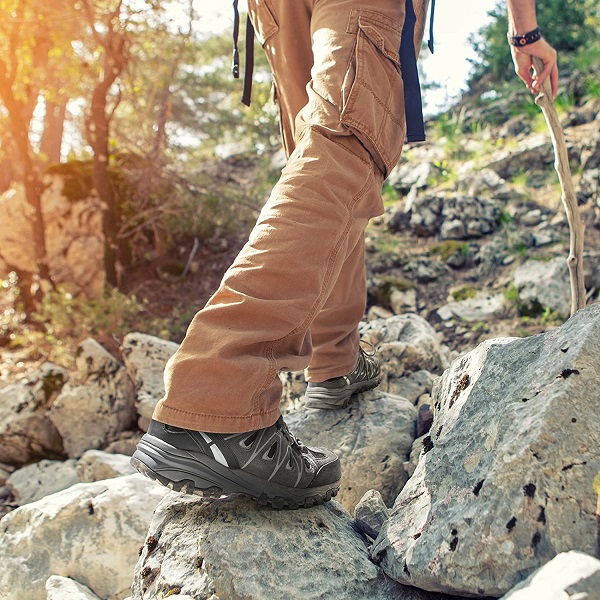
Hiking boots should be one of the most important investments in your gear setup. If your boots are too small, you may feel fine in the shop but suffer later from blisters, bruised toes or sore feet. If they are too large, your feet can slide around and your ankles may not feel supported on rough ground.
Choose boots based on your foot shape, pack weight and trail type. Steep hills, rocky ground, wet routes and snow all require more support and grip than a flat summer path. Try boots with the socks you will actually wear, and break them in before a long hike.
- Check toe room when walking downhill.
- Look for strong tread if trails are muddy or rocky.
- Use hiking socks, not thin everyday socks, for longer routes.
- Carry blister plasters on new or demanding hikes.
- Choose waterproof boots only if they match your climate and breathability needs.
2. Backpack
Best for: carrying essentials without hurting your shoulders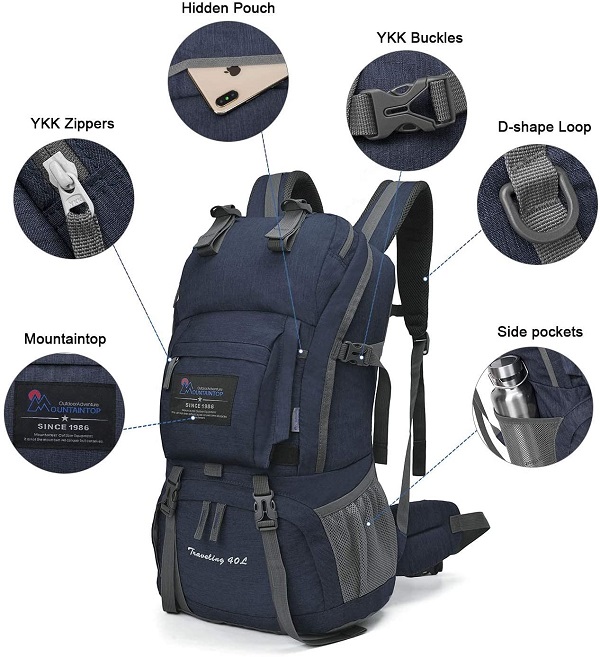
A good hiking backpack is necessary for both day hikes and multi-day trips. Your backpack carries the things that keep you comfortable and safer: food, water, layers, first aid, navigation, rain protection and emergency items.
For day hikes, a smaller pack with comfortable straps and enough room for essentials is usually enough. For longer hikes or camping, you need more structure, better hip support and space for extra gear. A hydration bladder can be useful if you drink more consistently when water is easy to reach.
Day hike pack
Usually works well around 15–30 litres, depending on weather and route.
Overnight pack
Needs more structure, a hip belt and room for shelter, sleep system and food.
Fit matters
Shoulder straps should not carry all the weight; a good hip belt helps transfer load.
Easy access
Pockets for water, snacks, rain jacket and phone help avoid constant unpacking.
3. Hiking Clothing
Best for: staying warm, dry and protected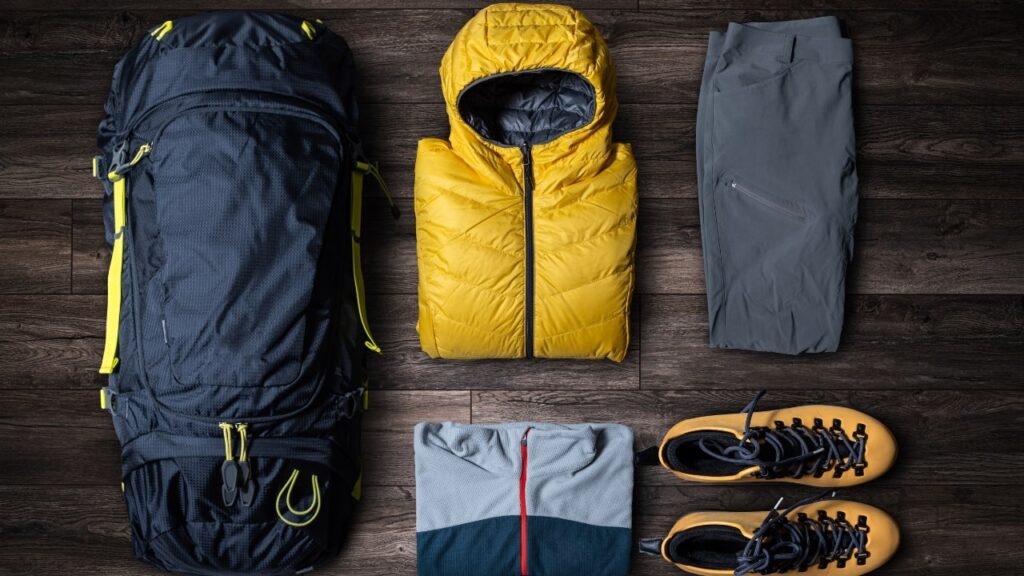
The right hiking clothing protects you from wind, rain, sun, cold and heat. Clothing is not just about comfort; in bad weather, poor clothing choices can become dangerous.
The basic principle is simple: keep your body warm, dry and able to regulate temperature. Avoid relying on one heavy layer. Instead, use a flexible layering system so you can add or remove clothing as conditions change.
| Layer | Purpose | Useful Tip |
|---|---|---|
| Base layer | Moves sweat away from the skin. | Avoid cotton for cold or wet hikes because it stays damp. |
| Mid layer | Adds warmth. | Fleece or light insulated jackets work well for many hikes. |
| Outer shell | Blocks rain and wind. | Carry it even when the forecast looks mostly dry. |
| Socks | Protect feet and reduce friction. | Bring spare socks on wet or long hikes. |
| Hat and gloves | Protect from cold, sun or wind. | Useful even in shoulder seasons and at altitude. |
4. Sunglasses
Best for: eye protection, glare reduction and comfort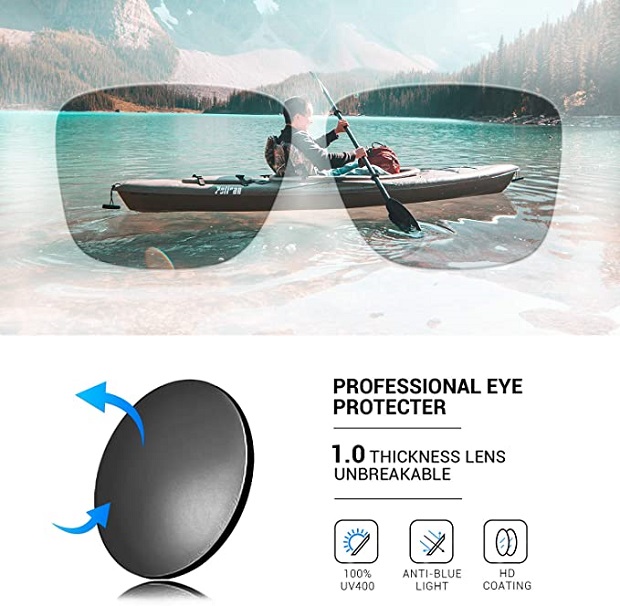
Sunglasses are easy to forget, but they are important hiking gear. They help protect your eyes from UV rays, wind, dust, glare, small debris and bright reflective surfaces such as snow, water or pale rock.
There are many different styles and types of hiking sunglasses. For trail use, look for UV protection, secure fit, good side coverage and lenses that do not distort your view.
- Polarized lenses can reduce glare from water, rock and snow.
- Wraparound designs give better side protection in wind and dust.
- Use a retainer strap if you often remove sunglasses while hiking.
- Carry a hard case so lenses do not get scratched inside your pack.
5. Tent
Best for: overnight shelter and weather protection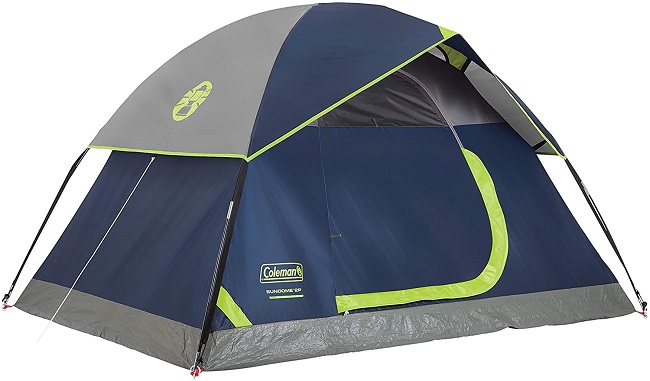
A tent is essential if your hike includes camping overnight. It protects you from rain, wind, insects, privacy issues and temperature changes. The right tent depends on season, weight, space, weather resistance and how many people will sleep inside.
Some campers like sleeping under the stars, but a tent gives more reliable protection. It also creates a place to change clothes, organise gear and rest when conditions are uncomfortable.
Weight
Backpacking tents should be light enough to carry comfortably.
Weather rating
Choose a tent that matches rain, wind and seasonal conditions.
Setup speed
Practise pitching your tent before using it in bad weather.
Ventilation
Good airflow helps reduce condensation overnight.
6. Sleeping Bag
Best for: overnight warmth and sleep quality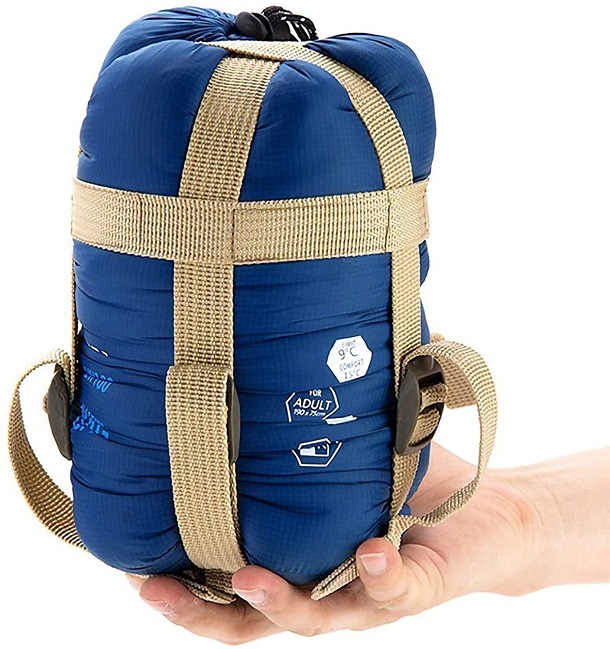
A sleeping bag is one of the most important overnight hiking items. Without enough insulation, even a mild-looking night can feel miserable. Sleeping bags are designed for different temperatures and seasons, so choose one that matches the coldest conditions you may reasonably face.
Remember that a sleeping bag works best with a proper sleeping mat. The bag insulates around you, but the ground can still pull heat away from your body if you do not have insulation underneath.
- Check the temperature rating before buying.
- Choose the right shape for comfort and warmth.
- Keep the bag dry inside a waterproof liner or dry bag.
- Air it out after trips before storing.
- Do not compress it tightly for long-term storage.
7. Compass
Best for: navigation backup and route confidence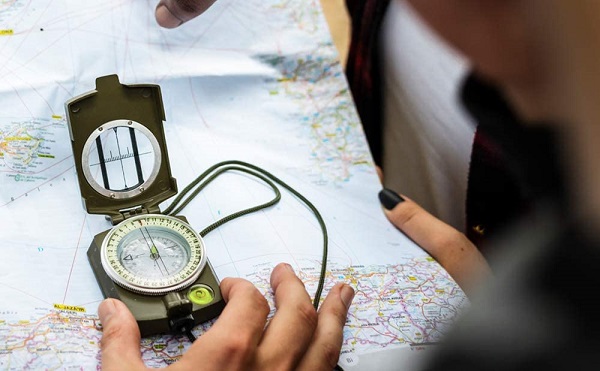
A compass helps you orient a map, identify direction and recover if you take a wrong turn. Many hikers rely heavily on phones, but batteries can die, signals can disappear and apps can fail. A compass is light, inexpensive and useful when you know how to use it.
Using a compass is easier when you practise before the hike. Learn how to orient a map, follow a bearing and understand declination for your location. Do not wait until you are lost to learn navigation basics.
Carry a paper map
A compass is far more useful when paired with a real map of the area.
Practise first
Try simple navigation exercises in a safe place before a remote hike.
Do not rely only on phone GPS
Offline maps help, but electronics should not be your only plan.
Know when to turn back
If you lose the route and conditions worsen, stopping early can be the safest decision.
Extra Safety Essentials Many Hikers Forget
The original article focused on seven useful gear items. For a safer hiking checklist, add the essentials below. These are especially important on longer, colder, hotter, higher or more remote routes.
- Water and filter
- Extra food
- First aid kit
- Headlamp
- Emergency blanket
- Whistle
- Sun protection
- Rain jacket
- Knife or multi-tool where legal
- Firestarter where appropriate
- Power bank
- Personal medication
- Insect protection
- Offline map
How To Pack Your Backpack
Packing well makes hiking more comfortable. Heavy items should sit close to your back and around the middle of the pack. Frequently used items should be easy to reach, and emergency gear should not be buried under everything else.
| Pack Area | What To Put There | Why |
|---|---|---|
| Bottom | Sleeping bag, spare clothes or soft items. | Creates a stable base and keeps less-used items low. |
| Middle close to back | Heavier gear, food bag or water reservoir. | Improves balance and reduces shoulder strain. |
| Top | Rain jacket, warm layer, first aid and snacks. | Items you may need quickly. |
| Outside pockets | Water bottle, map, sunglasses, sunscreen and small snacks. | Keeps frequent-use items accessible. |
| Dry bag or liner | Sleeping bag, spare socks and warm layers. | Protects critical warmth from rain or leaks. |
Affiliate Disclosure
ChipJourney.com is a participant in the Amazon Services LLC Associates Program, an affiliate advertising programme designed to provide a means for sites to earn advertising fees by advertising and linking to Amazon.com. This article preserves the original Amazon product links from the uploaded post, including hiking boots, backpacks, clothing, sunglasses, tents, sleeping bags and compasses.
FAQ About Necessary Hiking Gear
What is the most important hiking gear?
The most important hiking gear is the gear that keeps you safe and able to finish the route: proper footwear, water, food, weather-appropriate clothing, navigation, first aid, a light source and emergency protection.
Do I need hiking boots or trail shoes?
It depends on the trail and your ankles, pack weight and comfort. Boots usually offer more support and protection, while trail shoes are lighter and may work well on easier or faster hikes.
How big should my hiking backpack be?
For day hikes, many people use a pack around 15–30 litres. Overnight trips usually need more capacity depending on tent, sleeping gear, food and weather conditions.
What clothing should I avoid when hiking?
Avoid clothing that stays wet and cold against your skin, especially cotton in cold or rainy conditions. Use layers that manage sweat, warmth and weather protection.
Do I really need a compass if I have a phone?
Yes, it is smart to carry a compass and map on routes where getting lost is possible. Phones can lose battery, signal or GPS reliability, especially in remote areas.
Is a tent necessary for hiking?
A tent is not necessary for a short day hike, but it is important for overnight hiking and camping unless you have another safe shelter plan.
What should beginners bring on a hike?
Beginners should bring comfortable footwear, water, snacks, layered clothing, rain protection, sun protection, a charged phone, offline map, small first aid kit and a simple emergency item such as a whistle or emergency blanket.
Sources And Further Reading
- National Park Service: Ten Essentials
- National Park Service: Hiking Safety
- REI: Ten Essentials guide
- National Park Service: Leave No Trace principles
- National Weather Service: Weather safety
- American Red Cross: First aid training
- ChipJourney: How To Prepare For Long Distance Hiking
- ChipJourney: How To Prepare For High Altitude Vacation
- ChipJourney: Men’s Survival Bracelet Guide
- ChipJourney: What Is Travel Insurance?
Final Thoughts
Necessary hiking gear is not about buying every outdoor product you can find. It is about choosing the right items for the route, weather, distance and risk level. Start with reliable footwear, a comfortable backpack, smart clothing, navigation, water, food and emergency basics. Then add overnight gear only when your hike actually requires it.
Written by Boyan Minchev