Key Takeaways
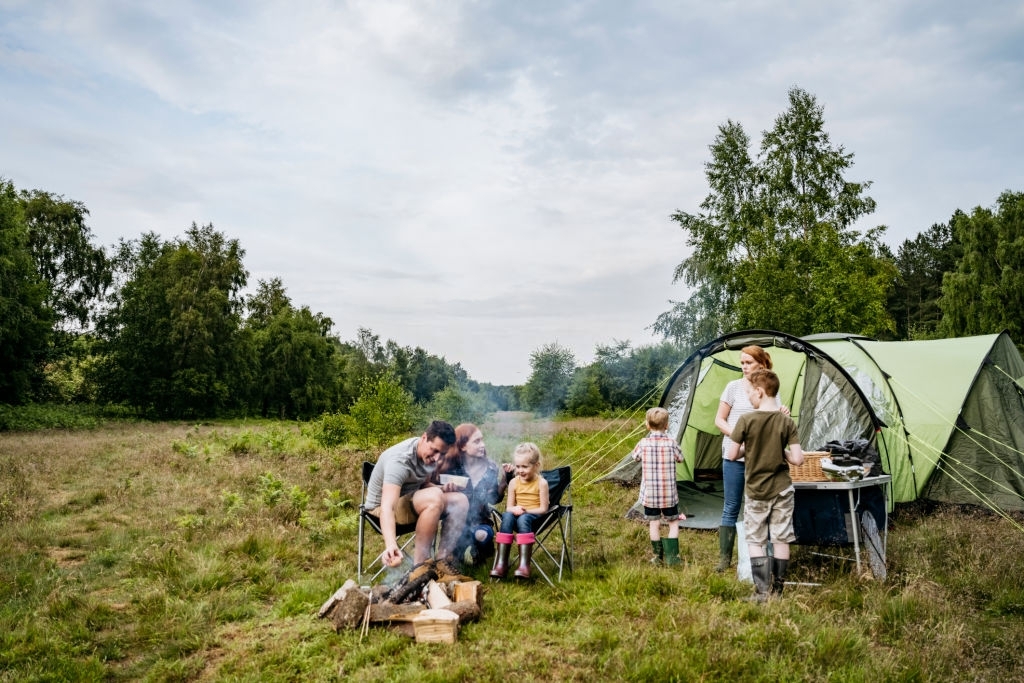
- Start with shelter, sleep and warmth. A large weatherproof tent, suitable sleeping bags, pillows, mats and dry clothing make the biggest difference to family comfort.
- Pack by category, not randomly. Use separate bags or boxes for sleeping, cooking, food, clothing, hygiene, safety, entertainment and wet-weather backups.
- Family camping needs more than adult backpacking gear. Children need comfort items, snacks, spare clothes, lighting, simple activities and an easy bedtime routine.
- Safety gear is not optional. A first aid kit, fire starter, water carrier, insect repellent, torch, hand sanitiser and rubbish bags should be packed before luxury extras.
- Keep the trip simple. Plan easy meals, choose a campsite with suitable facilities and test important gear at home before leaving.
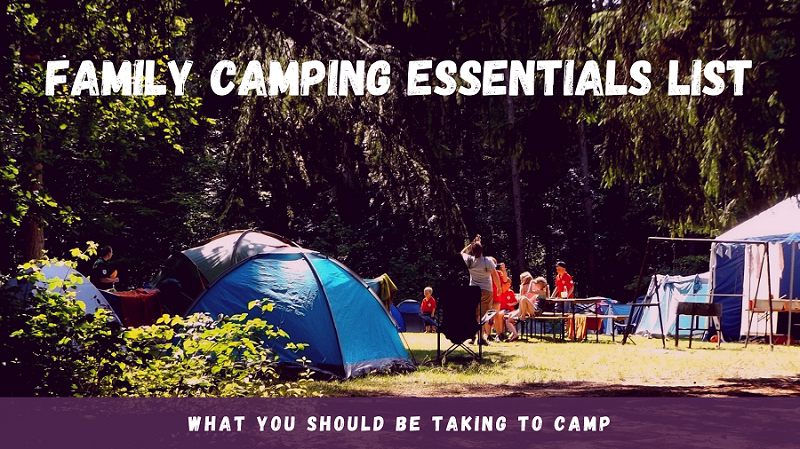
Family camping can be one of the most affordable and memorable ways to spend time together, but it only feels relaxing when the basics are covered. A missing pillow, a cold sleeping bag, wet clothes, no torch, or forgotten insect repellent can turn a fun outdoor break into a stressful night very quickly.
This rebuilt guide keeps the original family camping essentials from the post and turns them into a clearer, more practical checklist. You will find the must-have gear, packing tips, safety notes, product resources from the original article, and a simple way to organise everything before your family reaches the campsite.
Quick Answer: What Should Be On A Family Camping Essentials List?
A family camping essentials list should include a large tent, sleeping bags, pillows or mats, warm waterproof clothes, cooking gear, food, water storage, first aid kit, lighter or matches, insect repellent, bin bags, camping chairs, sturdy footwear, toiletries, games, books, and a multitool. For children, also pack comfort items, extra layers, snacks, wipes, a torch, and simple rainy-day activities.
Complete Family Camping Essentials Checklist
Use this as a starting checklist, then adjust it based on your campsite, weather, children’s ages, length of stay and whether you are car camping or walking to your pitch.
| Category | Essentials To Pack | Why It Matters |
|---|---|---|
| Shelter | Large family tent, groundsheet, pegs, mallet, guy lines, repair tape | Keeps everyone dry, organised and protected from wind or rain. |
| Sleep | Sleeping bags, pillows, airbed or camping mat, blankets, bedtime clothes | Warm sleep is the difference between a good trip and a miserable night. |
| Cooking | Camping stove, BBQ or grill, fuel, lighter, pan, utensils, mugs, plates, cooler | Makes meals easier and avoids relying only on campsite shops or takeaways. |
| Water | Water carrier, reusable bottles, washing bowl, backup water | Needed for drinking, cooking, hand washing and cleaning up. |
| Clothing | Warm layers, waterproof jacket, spare socks, sleepwear, hats, gloves | Weather can change fast, especially at night and early morning. |
| Safety | First aid kit, torch, headlamp, whistle, fire starter, insect repellent | Helps you respond quickly to small problems before they spoil the trip. |
| Hygiene | Toiletries, baby wipes, hand sanitiser, towels, toilet roll, trowel if needed | Keeps the campsite cleaner and more comfortable for the whole family. |
| Comfort | Camping chairs, books, simple games, snacks, chargers, comfort toys | Useful during downtime, rainy periods and evenings around camp. |
1. Tent, Sleeping Bags and Bedding
Your tent is the centre of the family campsite, so choose one with enough room for people and gear. A tent that technically sleeps four may feel tight for four people plus bags, shoes, bedding and children’s items, so families usually benefit from a little extra space.
Large family tent
Look for weather protection, strong poles, good ventilation, easy entry, enough sleeping space and a porch or storage area for muddy shoes.
Sleeping bags
Choose sleeping bags suited to the season. Children can get cold quickly, so add warm sleepwear and blankets when temperatures drop.
Pillows and mats
A camping mat, airbed or insulated pad makes sleep warmer and more comfortable than sleeping directly on the ground.
Test at home
Pitch the tent and check poles, pegs, zips and bedding before the trip so there are no surprises at the campsite.
Original tent video from the post
2. Camp Kitchen, Stove, BBQ, Fuel and Water
Food is one of the easiest ways to keep a family camping trip cheerful. Keep meals simple, pack snacks where children can reach them, and make sure you have the fuel and cooking tools you actually need.
- Camping stove or portable BBQ
- Safe fuel stored away from food and children
- Lighter or windproof matches
- Pans, tongs, plates, mugs and cutlery
- Cool box or insulated food bag
- Water carrier and refillable bottles
- Bin bags and food storage bags
- Washing-up bowl, sponge and biodegradable soap where appropriate
Safety note: Never cook inside a closed tent. Keep stoves, BBQs and fuel outside, stable, ventilated and away from children. Follow your campsite’s fire rules and local fire restrictions.
Original portable BBQ video from the post
3. Warm Waterproof Clothes and Camping Boots
Even summer camping can become cold at night. Pack layers rather than one heavy item, and always include something waterproof. Children may need more spare socks, trousers and tops than you expect, especially if the campsite has mud, rain, sand, water play or long walks.
| Item | Pack For Each Person | Tip |
|---|---|---|
| Base layers | T-shirts, thermal tops or light layers | Layering makes it easier to adjust as temperatures change. |
| Warm layer | Fleece, jumper or hoodie | Keep one dry layer only for sleeping. |
| Waterproofs | Rain jacket and waterproof trousers if needed | Wet clothes can quickly make children cold and unhappy. |
| Footwear | Walking shoes, camping boots or waterproof trainers | Break boots in before the trip to avoid blisters. |
| Extras | Socks, hats, gloves, sleepwear and spare underwear | Pack extra socks in a dry bag. |

Camping boots resource
View Merrell Moab 2 Boots4. Safety, First Aid, Fire, Insect Repellent and Hygiene
Family camping is much easier when small problems are handled quickly. A cut, bite, wet sock, lost torch or missing hand sanitiser can cause unnecessary stress, especially with children. Keep safety and hygiene items in one clearly marked bag or box.
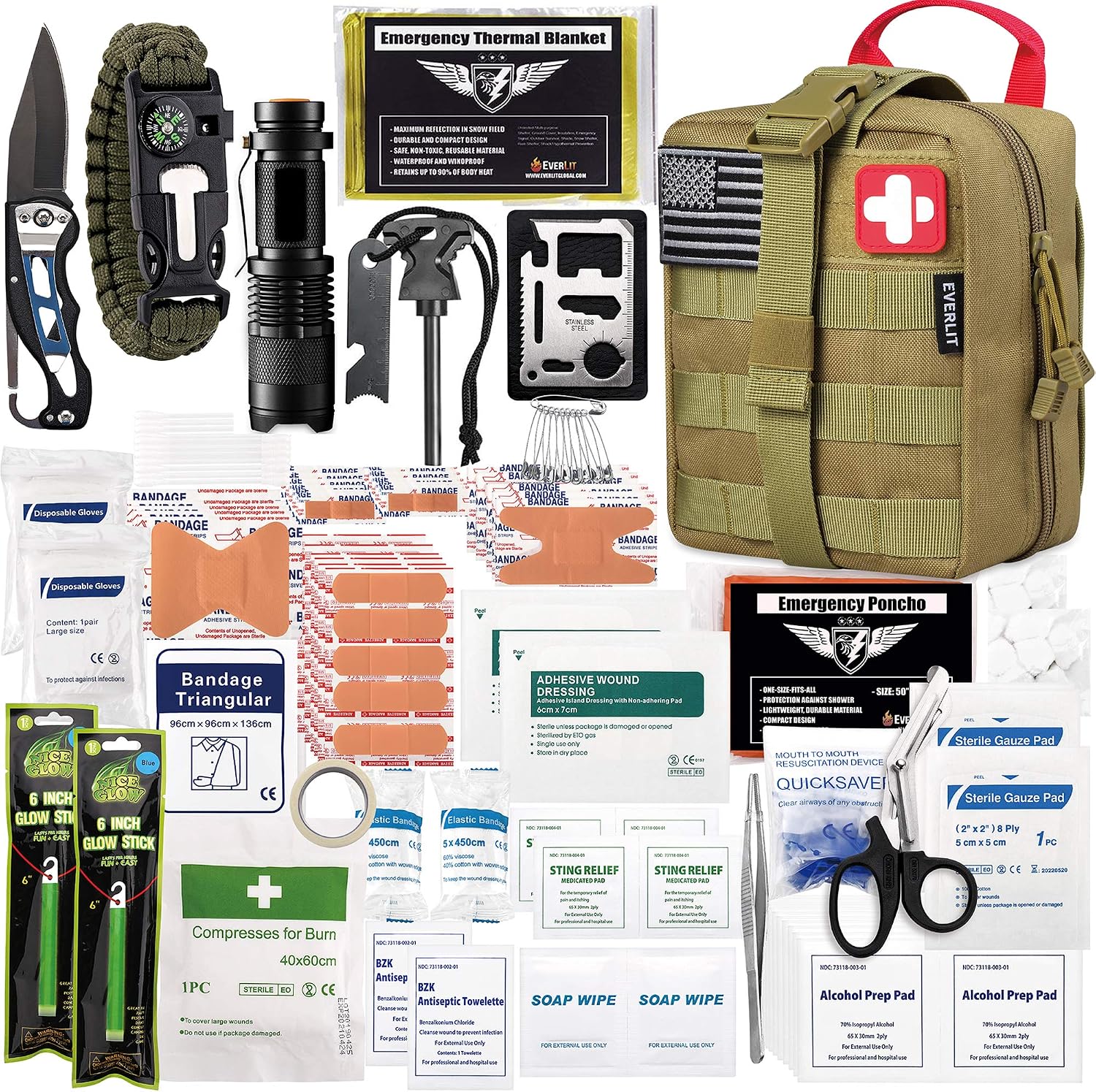
- First aid kit
- Antiseptic wipes
- Plasters and sterile gauze
- Tweezers and scissors
- Pain relief suitable for your family
- Insect repellent
- Hand sanitiser
- Baby wipes
- Toilet roll
- Rubbish bags
- Torch or headlamp
- Waterproof lighter or matches


Insect repellent resource
View Thermacell MR3005. Comfort Items, Children’s Activities and Campsite Extras
The difference between “surviving” camping and enjoying camping is often comfort. After the basics are packed, add a few simple extras that help children settle, make evenings more comfortable and keep everyone busy during quiet moments.
Camping chairs
Useful around the campfire, while eating, when children need a break and when friends visit your pitch.
Games and books
Bring simple card games, travel games, colouring, books or a ball. These are especially helpful during rain or waiting times.
Toiletries and wipes
Baby wipes, hand sanitiser, toothbrushes, towels and toilet roll are easy to forget but make family camping much more comfortable.
Multitool
A small multitool can help with packaging, repairs and campsite jobs, but keep it stored safely away from young children.
Camping chair resource
View Camping ChairsCamping multitool
Keep one in your gear box for small campsite tasks, but store it carefully if children are nearby.
View RoverTac MultitoolA Simple Packing Plan For Family Camping
Instead of packing one huge mixed bag, use labelled boxes or bags. This makes setup faster and helps everyone know where things are.
- Sleep box: sleeping bags, pillows, mats, blankets and pyjamas.
- Kitchen box: stove, cookware, fuel, mugs, plates, cutlery and washing-up kit.
- Clothing bags: one bag per person, plus a shared waterproofs bag.
- Safety bag: first aid, torches, batteries, insect repellent, medicine and emergency details.
- Kids’ comfort bag: snacks, books, games, comfort toy, warm bedtime layer and spare socks.
- Dirty/wet bag: bin bags, laundry bag and a separate place for muddy shoes.
FAQ About Family Camping Essentials
What should a family bring camping for the first time?
A first family camping trip should include a weatherproof tent, sleeping bags or bedding, cooking gear, water storage, food, warm layers, waterproof clothing, first aid kit, lighting, insect repellent, toiletries, rubbish bags, chairs, and simple games or books for children.
How do I pack for camping with children?
Pack by zones: sleeping, cooking, clothing, hygiene, safety, entertainment and wet-weather backup. Keep children’s night clothes, torches, snacks and comfort items easy to reach.
What is the most important family camping essential?
Shelter and warmth come first. A suitable family tent, warm sleeping bags, dry clothing and a safe sleeping setup are more important than gadgets or luxury extras.
Do families need a camping stove?
A camping stove is very useful because it makes hot drinks, simple meals and breakfast easier, especially when campfires are not allowed or the weather is wet.
How can I make family camping safer?
Check the forecast, bring a proper first aid kit, store food securely, keep fire and fuel away from children, use insect repellent correctly, carry enough water and teach children where the campsite boundaries are.
What should I not forget when family camping?
Common forgotten items include pillows, spare socks, bin bags, hand sanitiser, baby wipes, a torch or headlamp, charging cable, campsite booking details, insect repellent and extra warm layers.
Sources and Further Reading
Affiliate Disclosure
This page includes product and resource links from the original post. Some may be affiliate links, which means ChipJourney may earn a small commission if you buy through them, at no extra cost to you.