
Key Takeaways
- Coleman tents are usually best for casual camping, family weekends, festivals, garden sleepovers and car-camping trips.
- They are popular because they balance price, space, simple setup and familiar features.
- Most Coleman tents are not designed for extreme mountain weather, heavy expedition use or serious ultralight backpacking.
- The right model matters: a Sundome, WeatherMaster, cabin tent, instant tent and backpacking tent all serve different campers.
- To get the best performance, practise pitching the tent, use a groundsheet, check seams, ventilate properly and dry the tent fully before storing it.
Coleman tents have been around for a long time, and many campers ask the same question before buying: is Coleman tent quality good enough for real camping? The honest answer is yes, for many people — but not for every type of trip.
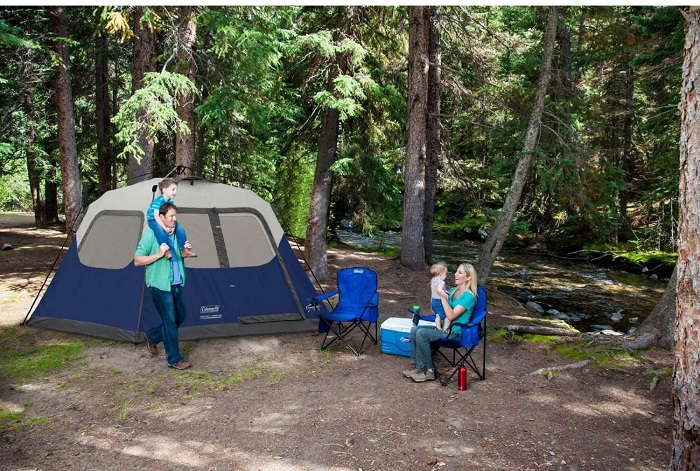
Coleman is one of the most familiar names in outdoor gear because the brand makes approachable tents for families, couples, festival-goers, first-time campers and people who want a simple shelter without paying premium expedition prices. A Coleman tent is usually not the lightest, strongest or most technical option on the market, but it can be a smart buy when your expectations match the tent’s purpose.
Quick Answer: Is Coleman Tent Quality Good?
Coleman tent quality is generally good for casual camping and family camping, especially if you choose the right size and pitch it properly. The brand is best known for affordable, roomy tents that are fairly easy to set up. For harsh wind, heavy rain, winter camping or long backpacking routes, you may want a more specialised tent.
1. Is Coleman Tent Quality Good?
For the average camper, Coleman tents offer a practical mix of space, value and simplicity. They are often easy to find, easy to compare, and available in many sizes, which makes them appealing if you are preparing for a family camping trip or a weekend outdoors.
The biggest strength of Coleman tent quality is not that every tent is premium. It is that the brand gives everyday campers a straightforward option at a price many people can manage. If you camp a few times each year in spring, summer or early autumn, a well-chosen Coleman tent can be more than enough.
Where Coleman tents can fall short is in rough conditions. If you regularly camp in exposed mountain areas, very strong winds, heavy rain, snow, rocky ground or remote places where gear failure is serious, you should compare more technical tent brands as well. For family campsites, festivals, garden use and car camping, Coleman remains a sensible choice.
| Best For | Think Twice If You Need |
|---|---|
| Weekend camping, summer campsites, family trips, festivals, garden camping and beginner camping. | Ultralight backpacking, winter camping, exposed mountain camping or expedition-level weather protection. |
| Campers who want space, simple setup and good value. | Campers who need the lowest possible pack weight or the strongest specialist fabrics. |
| People who travel by car and do not need to carry the tent far. | Long-distance hikers carrying everything on their back for several days. |
2. Who Coleman Tents Are Best For
Coleman tents make the most sense when comfort, space and ease matter more than shaving every gram from your pack. For families, a larger Coleman tent can feel much more comfortable than a tiny backpacking shelter because you may get room for sleeping bags, air beds, bags, shoes and children’s gear.
A Coleman tent can be a good fit for:
- Families who need a roomy tent for campsite holidays.
- Beginner campers who want something simple and affordable.
- Festival campers who want fast setup and enough space for bags.
- Couples who prefer extra room over a tiny two-person tent.
- Car campers who do not need to hike long distances with the tent.
- Occasional campers who camp a few times per year and want good value.
For serious wild camping, backpacking or four-season use, look closely at the tent’s weight, waterproof rating, pole structure, seam sealing, ventilation and wind performance before buying.
3. Materials, Waterproofing And Weather Resistance

Many Coleman tents use polyester fabric with a water-resistant coating, mesh ventilation panels, taped or treated seams, a rainfly and a sewn-in or tub-style floor. These features are useful for common campsite conditions, especially light-to-moderate rain.
However, no tent should be treated as magically stormproof. A tent’s performance depends on the design, pitch, condition, age, exposure, wind direction, ground slope and how well the doors, windows and vents are managed. A badly pitched tent can leak or flap even if the materials are decent.
Weather Tip
Before using any tent in bad weather, set it up at home or in the garden first. Check the seams, practise using the rainfly, test the zips, understand the vents, and make sure you know which side should face the wind.
Ventilation is also important. If the tent is closed tightly in damp weather, condensation can build up inside and make it look like the tent is leaking. Keeping vents open where possible helps reduce moisture.
4. Setup, Size And Space

Ease of setup is one of the main reasons people buy Coleman tents. Some models are simple dome tents, while others use cabin-style or instant setup designs. The easiest tent for you depends on your experience, group size and how much help you will have at the campsite.
For families, size can be confusing. A “six-person tent” may technically fit six sleeping bags, but that does not always mean six people will feel comfortable with luggage, shoes and personal space. For a more comfortable trip, many campers choose a tent rated for more people than they actually have.
- Solo camper: a 2-person tent gives more comfort than a tiny 1-person setup.
- Couple: a 3- or 4-person tent gives room for bags and easier movement.
- Family of four: a 6- or 8-person tent can feel more realistic.
- Large family or group: look at cabin tents or tents with room dividers.
Pitching before dark matters. Many camping frustrations happen because people arrive late, unpack everything first and then try to set up the tent in wind, rain or low light. Set the tent up first, then organise the inside.
5. Popular Coleman Tent Types
Coleman makes many tent styles, so it helps to understand the general categories before you click buy. Here are the main types most campers compare.
Coleman Sundome Tent
The Coleman Sundome Tent is one of the brand’s most familiar dome-style models. It is popular because it is simple, usually affordable, and suitable for basic camping trips.
Best for: beginners, weekend campers, couples, small families and festival-style use.
Coleman WeatherMaster Tent
The Coleman WeatherMaster Tent is aimed at campers who want more room and better campsite comfort. Larger tents like this can work well for families who need sleeping space and living space.
Best for: family camping, longer campsite stays and people who want more space.
Car Tents And Vehicle Camping Tents
Car tents can be useful if you want a setup linked to your vehicle. They are not for everyone, but they can add convenience for road trips and outdoor weekends.
Best for: road trips, car camping and travellers who want a base beside their vehicle.
Cabin Tents
Cabin tents are built for space. They often have taller walls, more usable standing room and a layout that feels easier for families.
Best for: large families, longer campsite holidays and campers who want comfort over compact packing.
6. Coleman Tent Buyer Checklist
Before choosing a Coleman tent, compare more than the price. The cheapest tent may not be the best value if it is too small, too heavy, awkward to pitch, or not suited to your camping style.
- Capacity: choose a bigger size than the number of people if you want comfort.
- Weather rating: check what kind of rain and wind the model is designed for.
- Setup time: instant tents are convenient, but may pack larger.
- Pack size: important if your car is small or you need to carry gear far.
- Ventilation: mesh panels and adjustable vents help reduce condensation.
- Floor design: a strong floor and groundsheet can improve durability.
- Doors and rooms: families may benefit from more doors or dividers.
- Reviews: read recent customer reviews and look for comments about rain, zips and poles.
7. How To Make A Coleman Tent Last Longer
Even a good tent can fail early if it is stored wet, dragged over rough ground or left in harsh sun for long periods. A few basic habits can extend the life of a Coleman tent and improve your camping experience.
- Use a footprint or groundsheet to protect the floor from stones, mud and abrasion.
- Dry the tent completely before long-term storage to reduce mould and smells.
- Do not force zips. If fabric is caught, gently release it rather than pulling harder.
- Clean with mild methods. Avoid harsh chemicals that may damage coatings.
- Store it loosely if possible rather than compressed tightly for months.
- Check poles and pegs before every trip so you are not surprised at the campsite.
- Re-waterproof or seam-seal when needed if the tent starts showing age.
8. Coleman Tent Cost And Value
Coleman tents usually sit in the affordable-to-mid-range area of the camping market. That makes them attractive for campers who want good value but do not need elite technical performance. The best value comes from matching the tent to the trip, not simply buying the biggest or cheapest option.
A lower-cost dome tent may be perfect for occasional summer weekends. A larger cabin tent may be better for a family holiday. A lighter backpacking tent may matter more if you are hiking between campsites. Think about how often you will camp, how many people will use the tent, and whether you will face unpredictable weather.
Coleman Tent Quality: Final Thoughts
Coleman tents are popular for a reason. They are accessible, practical and available in many sizes for different kinds of campers. For beginner camping, casual trips, family holidays and festival weekends, Coleman tent quality is usually good enough when you choose the right model and use it properly.
Just be realistic. A Coleman tent is not automatically the best choice for extreme environments or serious ultralight travel. But for many campers who want a comfortable, affordable and easy-to-use shelter, Coleman is still a brand worth considering.
Related guide: View Our Article About The Best Large Family Camping Tents
FAQ About Coleman Tent Quality
Are Coleman tents good for rain?
Many Coleman tents are designed for normal campsite rain, but performance depends on the exact model, age, pitch, seam condition and ventilation. For heavy rain, use the rainfly correctly, choose level ground, avoid low spots and consider a groundsheet.
Are Coleman tents good for family camping?
Yes, Coleman tents can be a good choice for family camping because many models offer roomy layouts, simple setup and affordable prices. Choose a larger capacity than your actual group size if you want space for luggage and air beds.
Are Coleman tents good for backpacking?
Some Coleman tents can work for short, simple backpacking trips, but many Coleman models are better suited to car camping because they are roomier and heavier than specialist ultralight backpacking tents.
How long does a Coleman tent last?
A Coleman tent can last for years if it is used in suitable conditions, dried fully before storage, cleaned gently, protected from sharp ground and not left in strong sun for long periods.
Should I waterproof a Coleman tent before using it?
For a new tent, read the manufacturer instructions first. Many tents arrive with water-resistant coatings, but some campers still test the tent at home and apply seam sealer or waterproofing later if needed.
Sources And Further Reading
Affiliate disclosure: Chipjourney.com is a participant in the Amazon Services LLC Associates Program, an affiliate advertising programme designed to provide a means for sites to earn advertising fees by advertising and linking to Amazon.com.