Key Takeaways
- The best tent camping sites are flat, dry and legal to use. A beautiful view is nice, but sleeping on safe, level ground matters more.
- Do not camp too close to water. A peaceful river can become a flood risk, attract insects and disturb wildlife access.
- Check rules before you pitch. Some campsites require booking, permits, fire restrictions or pet approval before arrival.
- Think about wind, rain and morning sun. Shade, drainage and natural wind protection can completely change how comfortable your night feels.
- Respect other campers and the land. Keep noise down, pack out rubbish and avoid damaging plants, banks or fragile ground.
If you love the outdoors, few things beat lying inside a tent while the air cools, the stars appear and the world becomes quiet. Tent camping can feel simple, affordable and deeply refreshing — but the campsite you choose can make or break the whole trip.
A great tent camping site is not just a random patch of grass. It should be safe, legal, reasonably flat, protected from the worst weather, far enough from water, and suitable for the type of trip you are planning. This updated guide keeps the original camping advice and links, but rebuilds the article into a clearer, more useful checklist for choosing the best tent camping sites for your next adventure.
Quick Answer: What Is the Best Tent Camping Site?
The best tent camping site is a flat, durable, well-drained spot that is legal to use, away from obvious hazards, not too close to water, and suitable for your tent size, weather conditions and group needs. For beginners, an organised campsite with toilets, water access and clear rules is usually better than wild camping.
For more experienced campers, a quiet wild spot can be wonderful, but only when local rules allow it and you can follow responsible camping principles.
In This Guide
What Makes a Good Tent Camping Site?
A good campsite gives you the right mix of comfort, safety and access. It should be easy enough to pitch your tent, but not so exposed that wind and rain become a problem. It should feel private, but not be hidden in a dangerous place where help would be hard to reach.
Flat Ground
Look for ground that is level enough to sleep on without sliding into one side of the tent. A slight slope can feel much worse after a few hours.
Good Drainage
A low hollow may look cosy, but it can collect water during rain. Slightly raised ground is usually safer and drier.
Legal Access
Always check local rules, campsite policies, wild camping laws and permit requirements before setting up.
Safe Distance
Stay away from cliffs, unstable banks, dead branches, flood-prone areas, animal trails and exposed ridgelines.
The goal is simple: pick a place where you can sleep comfortably, cook safely, move around easily and leave the area looking as if you were never there.
Types of Camping and Campsites
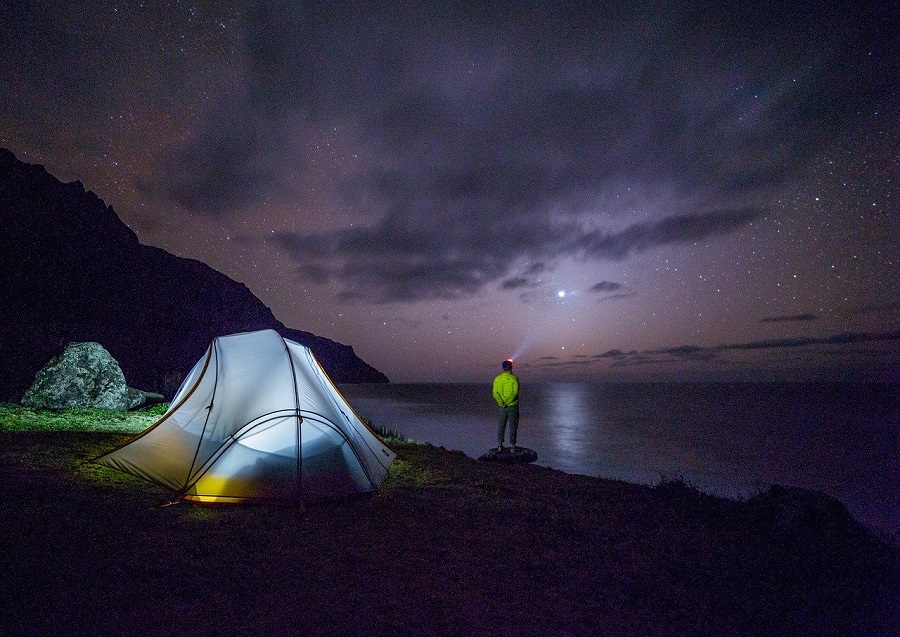
Before choosing a site, think about the kind of camping you want. A family weekend at a managed campsite needs a different spot from a quiet backpacking route or a wild camping adventure.
Organised Campsites
Organised campsites are usually the easiest option for beginners. They may offer toilets, showers, water points, waste disposal, marked pitches and clear rules. Some sites also have electric hookups, fire pits, shops, playgrounds or dog-friendly areas.
The trade-off is that organised campsites can be busier, especially during weekends and school holidays. If you want peace, choose a smaller campsite, travel mid-week or book a pitch away from the main facilities.
Wild Camping
Wild camping means pitching outside a formal campsite. It can feel peaceful and adventurous, but the rules are different depending on the country, region, landowner and protected area. In some places it is legal with conditions; in others it requires permission or is not allowed at all.
If you wild camp, keep the group small, arrive late, leave early, avoid fires unless clearly allowed, pack out all rubbish and choose durable ground where your tent will not damage fragile plants.
Backpacking, Canoe Camping and RV Camping
Backpacking is for campers who carry everything and move from place to place. Your campsite choice depends on weight, water access, weather and distance from the trail. Canoe camping works in a similar way, but you plan around safe landing areas and water conditions. RV camping is different again because access, parking, hookups and turning space become more important than tent ground.
How to Choose the Best Tent Camping Site
When you arrive somewhere beautiful, it is tempting to pitch the tent immediately. Slow down for a few minutes first. Walk around, look up, look down, check the weather direction and imagine what the place will feel like at night.
1. Check Whether Camping Is Allowed
Start with the basic question: are you allowed to camp there? Check campsite websites, local maps, park notices, landowner rules and permit requirements. If the area is popular, booking in advance can save a wasted journey.
GPS and map tools such as Google Maps can help you locate campsites, but always confirm the official rules before arriving. Some places that look open on a map may be private land, protected habitat or day-use-only areas.
2. Choose Level, Durable Ground
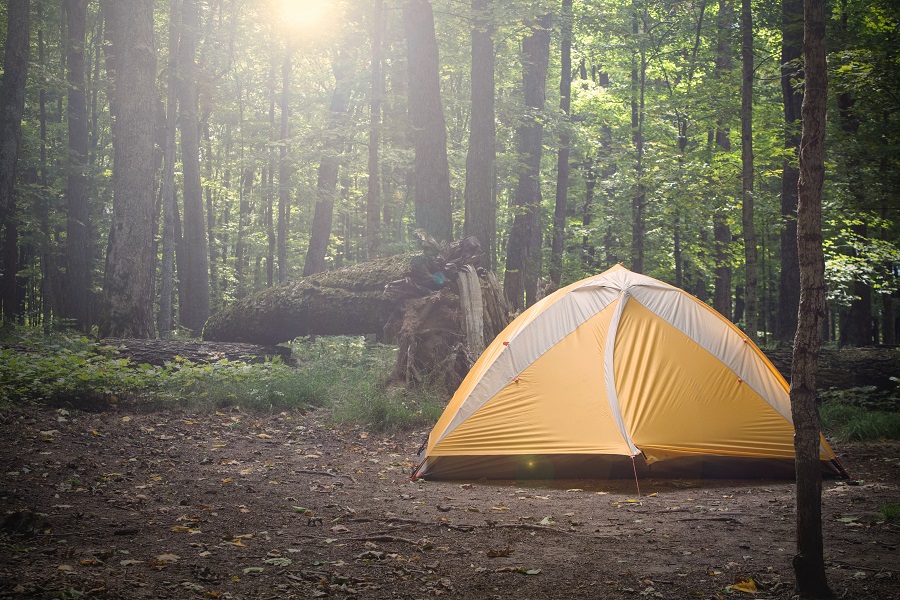
Flat ground helps you sleep better and makes the tent easier to pitch. Grass, compacted soil, sand or a durable previously used area can work well, depending on the location. Avoid soft mud, fragile vegetation and places where water is clearly likely to run.
If you cannot find perfectly level ground, place your head slightly higher than your feet rather than sleeping sideways across a slope. Clear small stones and sticks before pitching, but do not dig up plants or reshape the site heavily.
3. Keep the Right Distance from Water
Water is useful for cooking, washing and filtering, but camping right next to it is rarely the best idea. Rivers can rise, lakes attract insects, damp ground can be cold, and animals need access to water without being disturbed by tents.
A good approach is to camp far enough away from rivers, lakes and streams to protect the area and reduce risk, while still being close enough to collect water safely during daylight. In wild places, follow the local distance guidance where it exists.
4. Match the Site to Your Tent Size
Are you a solo backpacker, a couple, a family, or a big group? The area must fit your tent, guy lines, cooking space and walking room without forcing you onto uneven or fragile ground.
Large tents need more open space and more secure pegging points. Small backpacking tents are easier to fit into natural spaces, but still need a flat sleeping area and safe surroundings.
5. Think About Privacy and Noise
Privacy matters for you and for other campers. Avoid blocking another camper’s view, pitching too close to someone’s tent or setting up in the middle of a route people use to reach water, toilets or trails.
If you want a quieter trip, travel outside peak weekends, avoid large group areas and choose pitches away from car parks, shower blocks and main paths.
Safety, Weather and Wildlife
The best tent camping sites are not always the most dramatic. A cliff-edge view, riverbank pitch or exposed ridge may look amazing in a photo, but it can be risky when weather changes overnight.
Steer Clear of Danger Zones
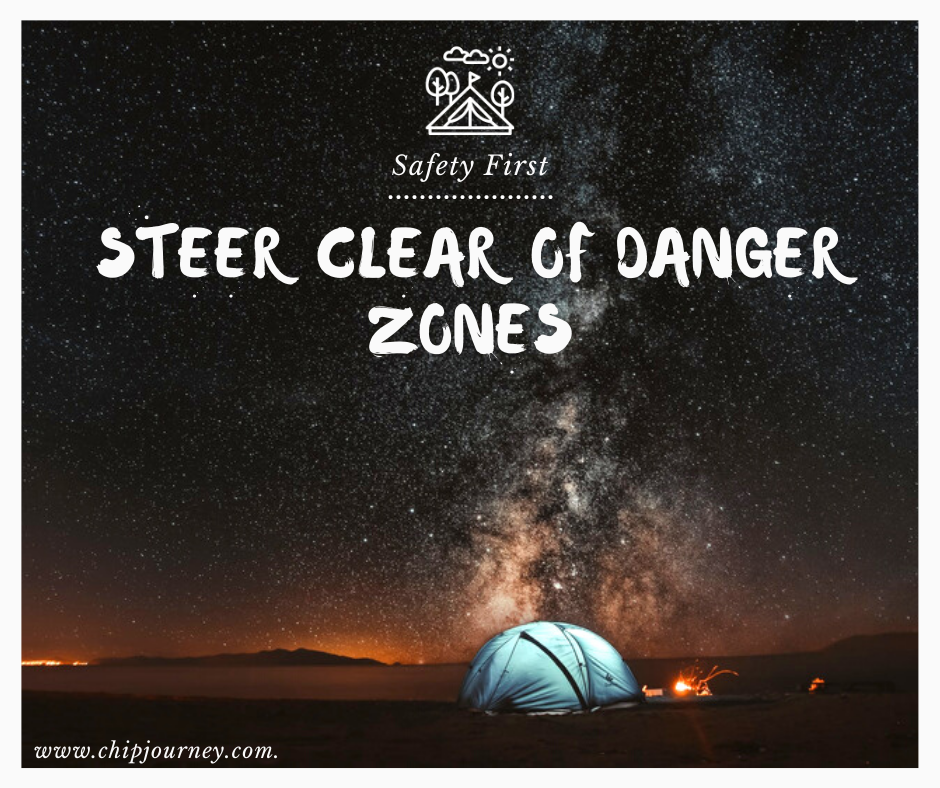
- Avoid dead trees, rotten branches and low-hanging limbs above your tent.
- Stay out of low hollows, dry riverbeds and flood-prone ground.
- Do not pitch below unstable rocks, cliffs or avalanche paths.
- Avoid exposed ridgelines during storms or strong wind.
- Do not block trails, gates, tracks or emergency access routes.
Think Weather Before You Pitch
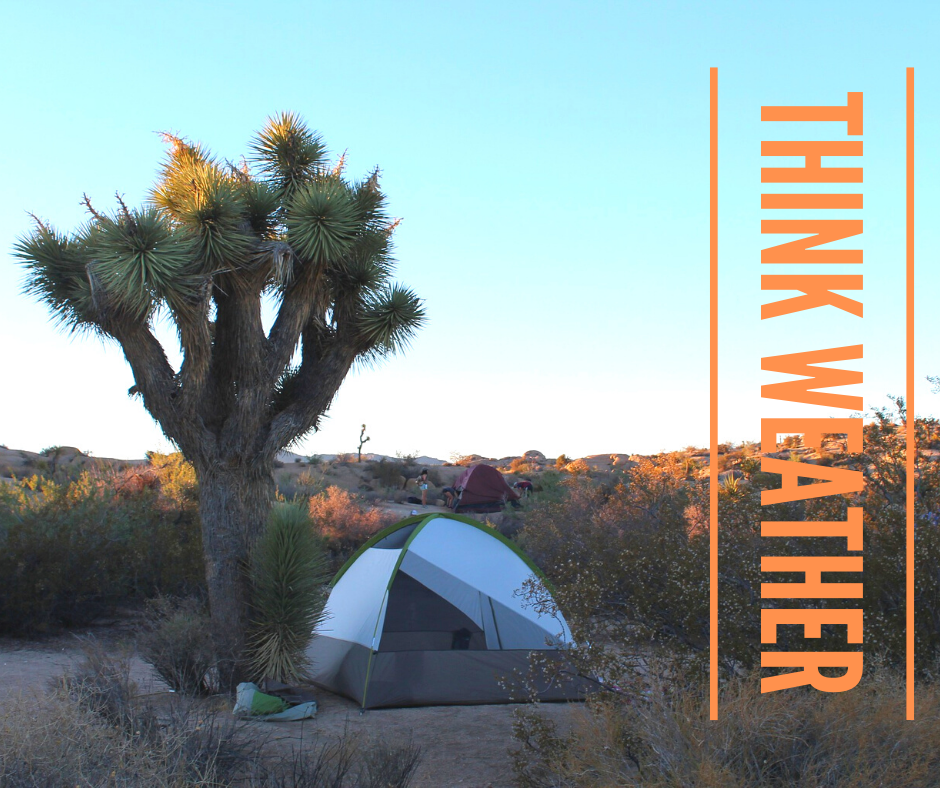
In hot weather, shade can make a tent more bearable during the morning and afternoon. In cold or wet weather, drainage and wind protection matter more. In windy areas, natural shelter from rocks, hedges or trees can help, but never pitch under branches that look weak or dead.
Check where the sun will rise if you want a lie-in, and check the wind direction if your tent has a main door. A flapping tent door can become very annoying when you are trying to sleep.
Wildlife and Food Storage
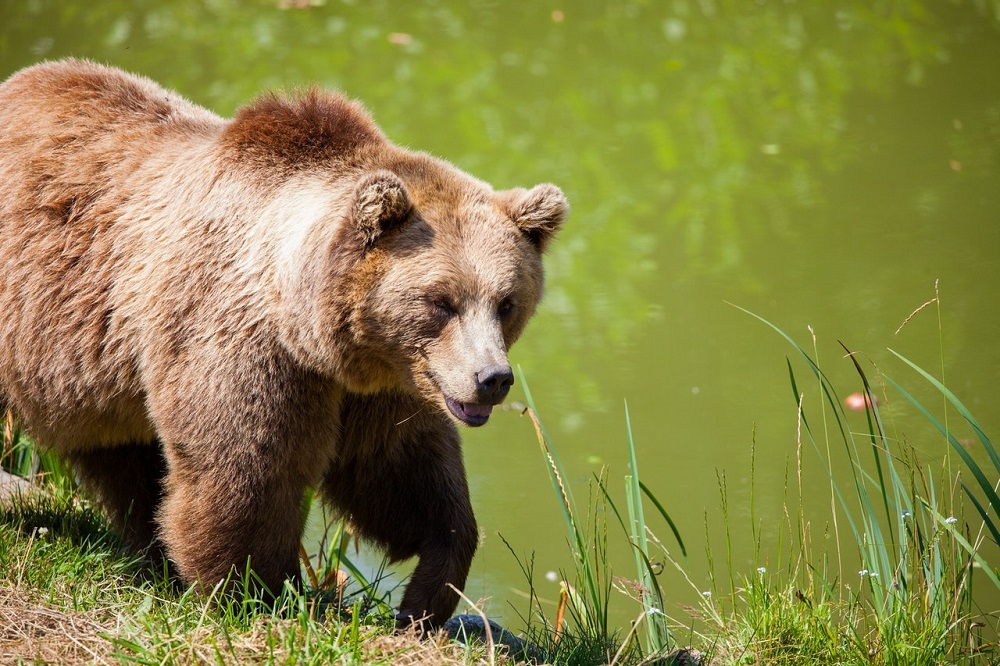
Do not camp on animal trails, close to nests, near obvious feeding areas or beside water where animals may come to drink. Store food, rubbish and scented items safely. In bear country or other wildlife-sensitive areas, follow the exact local guidance for food lockers, bear canisters or hanging food.
Animals should never be fed. Even small scraps can make wildlife dependent on people and create problems for future campers.
Fire and Carbon Monoxide Safety
Only use fires, stoves and BBQs where they are allowed. Never cook inside a closed tent, and never bring BBQs or fuel-burning appliances into sleeping areas. Carbon monoxide is invisible and dangerous, and tent fabrics can catch fire quickly.
Before using a stove, check wind direction, keep it stable, and place it well away from tent walls, dry grass and loose gear. If a campsite has fire points, evacuation signs or pitch spacing rules, follow them carefully.
Comfort, Pets and Practical Gear
A campsite does not need to be luxurious, but a few practical choices can make your trip much more enjoyable.
Comfort Facilities
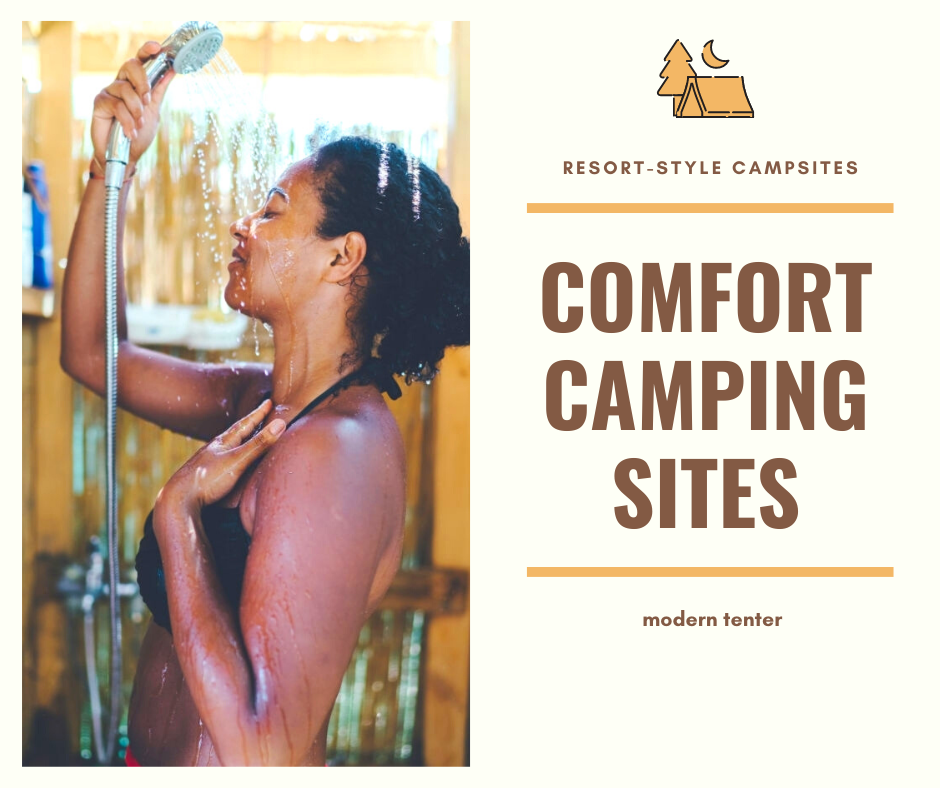
Some campsites offer hot showers, toilets, picnic tables, fire pits, washing areas and electricity. Others offer nothing beyond a field and a view. Neither is wrong — it depends on your trip.
If you are camping with children, pets or first-time campers, basic facilities can make the whole experience easier. If you are backpacking, fewer facilities may be fine as long as you are prepared.
Pet-Friendly Camping Tips
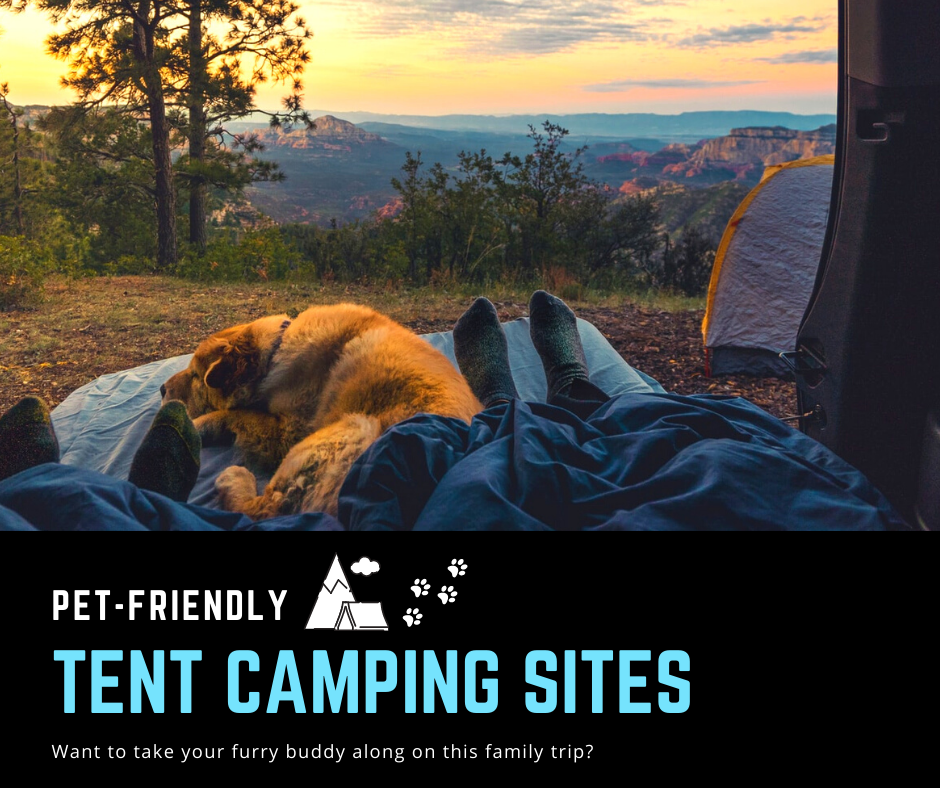
Not every tent camping site allows pets, so check the pet policy before you book. If dogs are allowed, bring a lead, waste bags, a towel, food, water bowl and a comfortable place for your pet to sleep.
Keep pets away from wildlife, other campers’ food and neighbouring tents. A pet-friendly campsite is only enjoyable when everyone feels safe and respected.
Useful Camping Gear to Pack
You do not need to buy everything before your first trip, but a few items can make camping easier and safer:
- Topographical maps or an offline map app for unfamiliar areas.
- Tent padding or an inflatable mattress for better sleep.
- Camping recipes planned before you leave.
- Mosquito repellent if you are camping near water or in warm weather.
- Board and card games for slow evenings or rainy afternoons.
- Silicone sealant or seam sealer if your tent needs waterproofing maintenance.
Affiliate note: Some product links may be affiliate links. ChipJourney may earn a small commission if you buy through them, at no extra cost to you.
Camping Etiquette
Good camping is not just about finding the best spot for yourself. It is also about leaving the place clean, quiet and healthy for other people, wildlife and future visits.
- Pack out all rubbish, including food scraps and small wrappers.
- Do not pollute rivers, streams or lakes with washing water, soap or waste.
- Keep noise down, especially early in the morning and late at night.
- Use existing paths and durable ground where possible.
- Respect fire rules and fully extinguish any permitted fire before leaving.
- Do not cut branches, uproot plants or damage trees to make space.
- Leave gates, fences and shared facilities as you found them.
A good tent camping site should feel just as beautiful after you leave as it did when you arrived. That is the real mark of a successful camping trip.
FAQ About Tent Camping Sites
How do I choose the best place to pitch a tent?
Choose a legal, flat, durable and well-drained area away from hazards such as dead branches, flood zones, cliffs and animal trails. Check the weather direction, make sure the tent fits comfortably, and avoid camping too close to water.
Is it better to camp near water?
It is useful to be within walking distance of water, but pitching right next to a river, stream or lake is usually not ideal. It can increase flood risk, insects, dampness and wildlife disturbance.
Should I book a tent camping site in advance?
For popular campsites, weekends, holidays and national parks, booking in advance is usually the safest option. Quiet rural sites may have more flexibility, but it is still better to check before travelling.
What should beginners look for in a campsite?
Beginners should look for a managed campsite with toilets, water, clear rules, safe pitches and nearby help if needed. After gaining confidence, wild or remote camping becomes easier to plan responsibly.
Can I take my dog tent camping?
Yes, if the campsite allows dogs and you follow the pet rules. Bring a lead, waste bags, water bowl, bedding and enough food. Keep dogs under control around wildlife and other campers.
What is the biggest mistake when choosing a campsite?
The biggest mistake is choosing a beautiful-looking place without checking safety. A great view is not worth poor drainage, dangerous branches, flood risk, strong wind exposure or illegal access.
Sources and Further Reading
- National Park Service: Leave No Trace camping guidance
- REI Expert Advice: What to look for in a camping tent
- The Camping and Caravanning Club: camping safety
- Cambridgeshire Fire and Rescue Service: camping and caravan safety
- ChipJourney: Hot Tent Camping – Best Way to Camp in Winter
- ChipJourney: Best Scout Camping Gadgets
- ChipJourney: Packing Advice for Backpacking