- Scout camping gadgets should solve real camp problems first. Prioritise shelter, lighting, water, navigation, first aid, cooking, warmth, and communication before fun extras.
- A headlamp, lantern, water filter, camp stove, fire tools, rainproof bag, and first-aid kit are more important than novelty gadgets.
- Modern devices are useful, but they should not replace outdoor skills. A map, compass, whistle, and backup light still matter when batteries or signal fail.
- Fuel-burning gear needs extra care. Stoves, grills, heaters, and fuel lanterns should never be used inside tents or enclosed spaces.
- Test everything before the trip. A gadget that nobody knows how to use can become useless weight when the weather changes or darkness arrives.
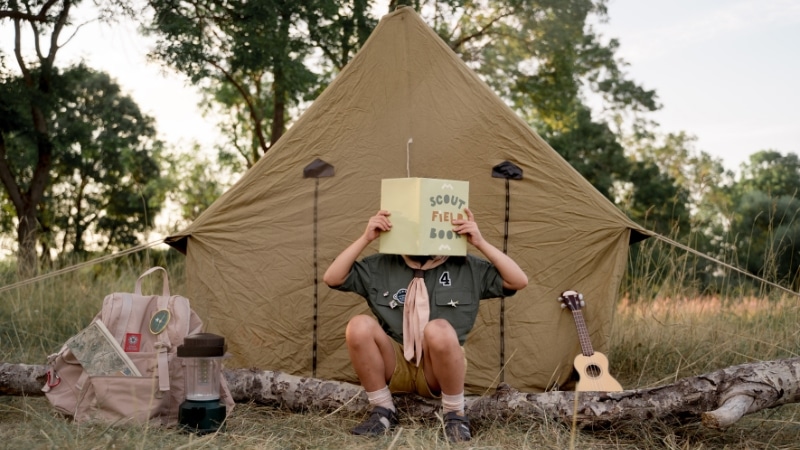
Scout camping is not about carrying every shiny outdoor gadget you can find. The best gear is simple, reliable, easy to pack, and genuinely useful when a group needs light, water, food, warmth, shelter, or a safer way to move around camp after dark.
This guide helps you choose the best scout camping gadgets for safer, more comfortable trips without overloading your backpack. It covers the practical essentials, smart upgrades, safety mistakes to avoid, and a quick interactive finder that helps you decide what to pack for your next camp.
The best scout camping gadgets are a reliable tent, headlamp, lantern, water filter, camp stove, lighter or stormproof matches, first-aid kit, rainproof bag, portable cooler, solar charger or power bank, compass or GPS backup, and a safe insect-repellent option. Add comfort items such as a portable shower, camping chair, hand warmer, smart watch, or portable power station only after the safety basics are covered.
- How to choose scout camping gadgets
- Interactive scout camping gadget finder
- Camping gadget comparison table
- Tent and shelter gear
- Lanterns, headlamps, and night safety
- Water filters and cooking gadgets
- Navigation, communication, and power
- Comfort gadgets for longer camps
- Scout camping gadget checklist
- Common gadget mistakes
- FAQs
- Sources and further reading
How to Choose Scout Camping Gadgets Before You Pack
Before buying or packing a camping gadget, ask one simple question: what problem does this solve at camp? A headlamp solves the problem of seeing while keeping your hands free. A water filter solves the problem of uncertain water quality. A rainproof bag solves the problem of wet clothes and damaged electronics. A novelty gadget that looks fun but does not improve safety, comfort, or organisation can usually stay at home.
A good scout camping gadget should be durable, lightweight, simple enough for the group to understand, and easy to maintain. It should also match the type of trip. A weekend campsite with toilets, taps, and a shop nearby needs a different packing list from a remote hiking camp with no phone signal and limited water access.
For scout camping, safety gear should always come before comfort gadgets. Cover shelter, light, water, first aid, navigation, food, weather protection, emergency communication, and fire safety first. Then add comfort items if they fit the route, campsite, age group, and carrying weight.
Scout Camping Gadget Finder
Use this simple selector to decide which gadgets deserve space in the backpack. It is not a replacement for a leader’s packing list, but it helps beginners think clearly about the trip.
Start with a headlamp, lantern, water bottle, first-aid kit, rainproof bag, and simple cooking setup. Add comfort gadgets only if there is room.
Best Scout Camping Gadgets by Priority
This table keeps the packing list practical. Start with essential items, then add upgrades only when the trip and carrying weight allow it.
| Gadget | Priority | Best For | What to Check | Pack Tip |
|---|---|---|---|---|
| Headlamp | Essential | Hands-free night tasks | Battery life, comfort, water resistance | Pack spare batteries or charging cable. |
| Lantern | Essential | Tent, table, and group lighting | Runtime, hanging hook, brightness modes | Use a lantern for group space, not a phone flashlight. |
| Water filter | Essential for many trips | Hiking, remote camps, backup water safety | What it removes and flow rate | Know whether boiling or treatment is still needed. |
| Camp stove | Essential for cooking trips | Hot meals and boiling water | Fuel type, stability, campsite rules | Use only outdoors in ventilated areas. |
| Solar charger or power bank | Useful upgrade | Phones, lights, GPS, watches | Capacity, weather, cable compatibility | Use a charged power bank as the reliable backup. |
| Portable cooler | Comfort upgrade | Food freshness and chilled drinks | Insulation, size, drainage | Choose soft cooler bags for short light trips. |
Tent and Shelter Gear
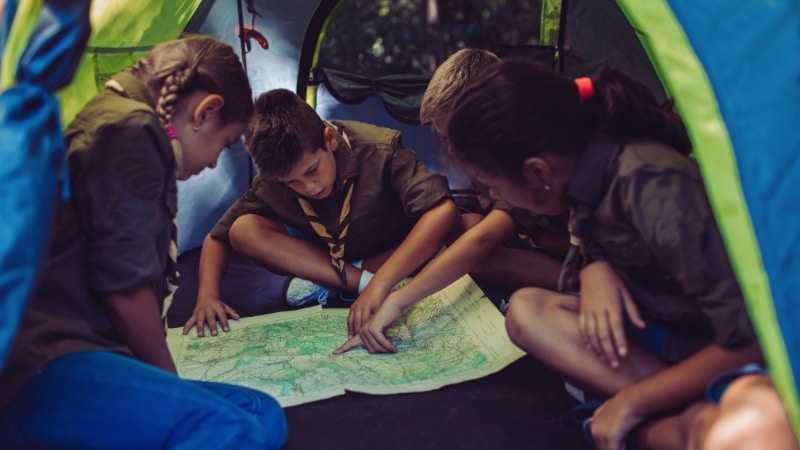
A tent is not always described as a gadget, but modern tents often include clever features such as quick-pitch poles, reflective guy lines, storage pockets, better ventilation, weatherproof fabrics, and built-in light loops. For scouts, the tent is the foundation of the whole camping setup because it protects the group from rain, wind, insects, and unexpected weather changes.
Choose a tent based on group size, season, packed weight, setup time, groundsheet strength, ventilation, and how easy it is to pitch in poor light. A tent that is too small becomes uncomfortable quickly, while a tent that is too large can be heavy and slow to set up. Test the tent at home before relying on it at camp.
Lanterns, Headlamps, and Night Safety
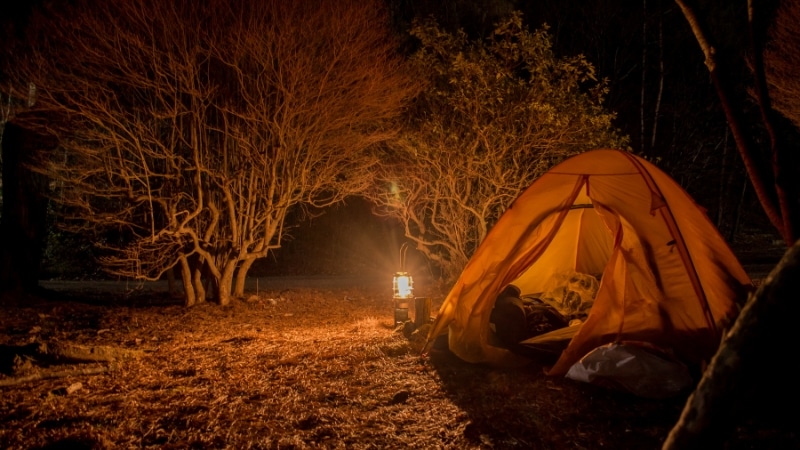
Lanterns for Group Light
A lantern lights the tent, cooking area, table, and shared camp space. Solar lanterns, inflatable lanterns, collapsible LED lanterns, and rechargeable lanterns can all work well when matched to the trip.
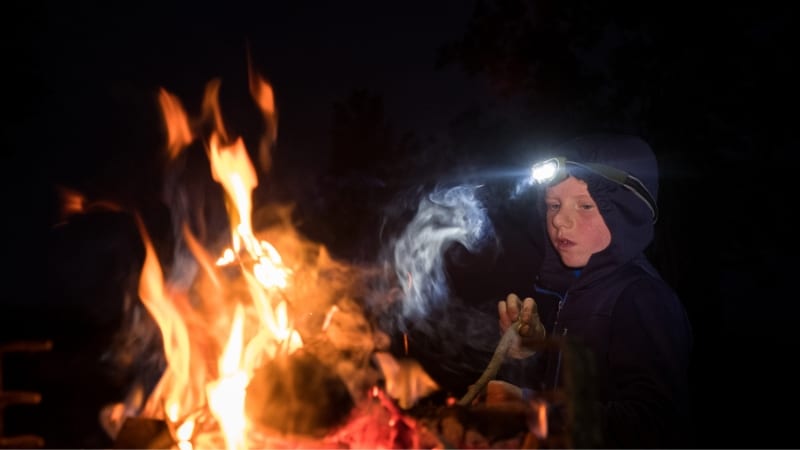
Headlamps for Hands-Free Tasks
A headlamp is one of the most useful scout camping gadgets because it keeps both hands free. It helps with cooking, toilet trips, tent repairs, map checks, and finding gear after sunset.
Look for adjustable brightness, long runtime, water resistance, stable hooks, comfortable straps, and red-light mode where possible. Avoid relying on a phone flashlight as your only light source because phones should be saved for communication, maps, photos, and emergencies.
Water Filters and Cooking Gadgets

Water Filter
Clean water is one of the most important camping needs. A filter bottle may suit individual scouts, while a gravity filter can serve a group more easily. Always check what the filter removes and what it does not remove.
See water filters →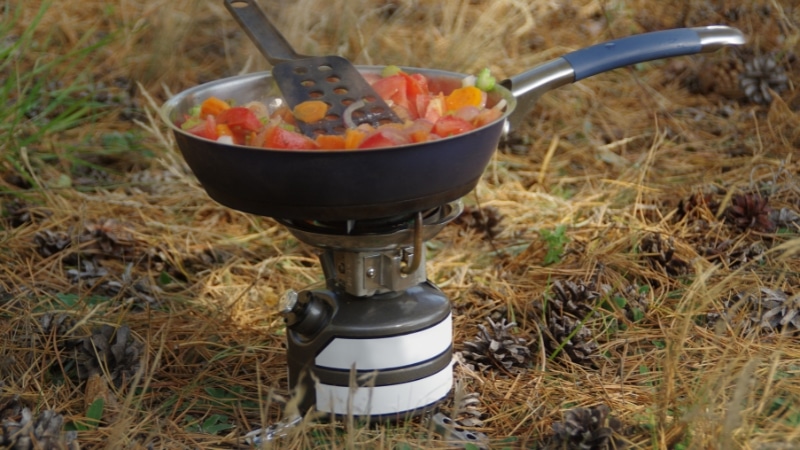
Camp Stove
A camp stove makes it easier to boil water, cook simple meals, and prepare hot drinks. It is more controlled than cooking over a campfire, especially when weather is poor or fire rules are strict.
See camp stoves →Use camp stoves only outdoors in well-ventilated areas. Keep fuel away from flames, place the stove on stable ground, supervise younger scouts, and check campsite rules before you arrive. Fuel-burning equipment should not be used inside tents, cars, small cabins, or enclosed shelters.
Navigation, Communication, and Portable Power
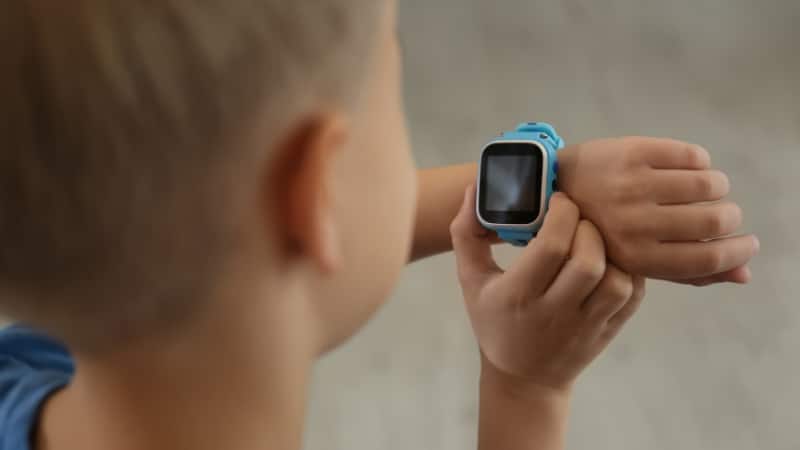
A smart watch, GPS device, satellite communicator, compass, and paper map can all help with navigation. The important lesson for scouts is not to depend on one device. Batteries die, screens break, signals disappear, and apps can fail. A map, compass, whistle, and basic route awareness still belong in the plan.
For remote camps, a satellite communicator can be useful where there is no phone signal. For campsites and group activities, walkie-talkies may help leaders stay in contact, but they should be used responsibly and not treated as toys.
Solar Chargers and Power Banks
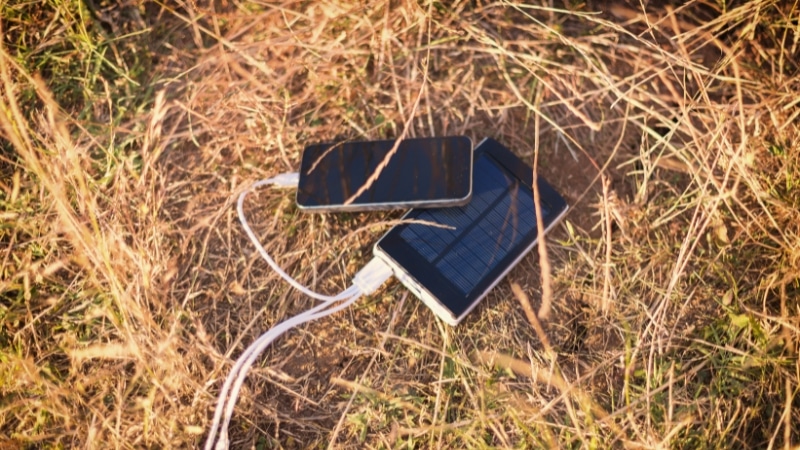
If the group uses phones, lanterns, GPS tools, headlamps, smart watches, or cameras, power management matters. A solar charger can help on sunny trips, but shade, clouds, short winter days, and poor panel angle can reduce charging speed. A fully charged power bank is usually the more reliable backup, while solar works best as a top-up.
Comfort Gadgets for Longer Camps
Once the essentials are covered, comfort gadgets can make camp life easier. They are not always necessary, but they can be worth packing for longer scout trips, cold weather camps, family camping, or campsites with limited facilities.
Portable Shower
A portable shower can help with hygiene on longer trips. Solar shower bags are light and simple, while battery-powered showers feel more comfortable but need charging.
See portable showers →Mosquito Repeller
A mosquito repeller can improve evenings outdoors, especially near water. Clothing, campsite choice, and approved repellents still matter too.
See repellents →Hand Warmers
Rechargeable hand warmers are useful for cold mornings and evenings. They can be helpful, but proper layers, dry socks, and a warm sleeping setup matter more.
See hand warmers →Portable Cooler
A cooler helps keep drinks and food fresh. For short camps, a soft cooler may be enough. For longer trips, stronger insulation can make food planning easier.
See coolers →Scout Camping Gadget Checklist
- Light: headlamp, lantern, spare batteries, charging cable, or power bank.
- Water: water bottle, water filter, treatment tablets if needed, and clear group water plan.
- Cooking: camp stove, safe fuel storage, lighter, matches, cookware, and cleaning kit.
- Safety: first-aid kit, whistle, map, compass, emergency contact plan, rainproof bag, and weather layers.
- Power: labelled cables, charged power bank, solar charger if useful, and dry storage pouch.
- Comfort: hand warmers, portable shower, cooler, insect repellent, and camp chair only if weight allows.
Common Scout Camping Gadget Mistakes
- Packing too many gadgets and forgetting basics such as water, warm layers, first aid, and shelter.
- Using stoves, heaters, grills, or fuel lanterns inside tents, which can create fire and carbon monoxide danger.
- Forgetting spare batteries, charging cables, fuel, or filter cartridges.
- Buying gear right before camp without testing it at home first.
- Depending only on a phone for navigation.
- Ignoring campsite rules about fires, waste, quiet hours, wildlife, pets, or water use.
- Leaving food unsecured, which can attract animals and insects.
- Choosing novelty gadgets instead of durable, simple equipment that solves real problems.
Final Thoughts
The best scout camping gadgets are not the most expensive or complicated ones. They are the items that make camp safer, cleaner, easier, and more comfortable without adding unnecessary weight. Start with shelter, light, water, first aid, fire safety, navigation, food, and weather protection. Then add comfort upgrades only when they genuinely suit the trip.
Scout camping should still teach preparation, teamwork, outdoor awareness, and respect for nature. Gadgets can support the experience, but they should not replace basic skills or common sense. Pack smart, test your gear, and keep safety first.
FAQs About Scout Camping Gadgets
What are the most useful scout camping gadgets?
The most useful scout camping gadgets are a headlamp, lantern, water filter, camp stove, lighter or stormproof matches, first-aid kit, rainproof bag, compass or GPS backup, and a safe communication method. Shelter, sleeping gear, food, water, and weather protection should come before comfort extras.
Should scouts pack a solar charger?
A solar charger can be helpful on sunny trips, but it should not be the only power source. A fully charged power bank is usually more reliable, while solar charging works best as a top-up for longer daylight conditions.
Is a camp stove safe for scout camping?
A camp stove can be safe when used outdoors on stable ground with supervision, but it should never be used inside a tent, vehicle, or enclosed shelter because of fire and carbon monoxide risks.
Do scouts still need a map and compass?
Yes. Phones, GPS devices, and smart watches are useful, but batteries can die and signals can fail. A map, compass, whistle, and basic navigation skills are still important outdoor backups.
What should beginners pack for a first scout camping trip?
Beginners should pack a reliable tent, sleeping bag, sleeping mat, water bottle, headlamp, weather-appropriate clothing, food, first-aid basics, hygiene items, and a simple packing system before adding extra gadgets.
Are mosquito repellers worth taking camping?
Mosquito repellers can be useful, especially near water or during warm evenings, but they should be used according to product directions. Clothing coverage, approved repellents, and sensible campsite choice still matter.
Written by Boyan Minchev
ChipJourney may earn a commission from qualifying purchases through affiliate links in this guide. This does not change the price you pay.