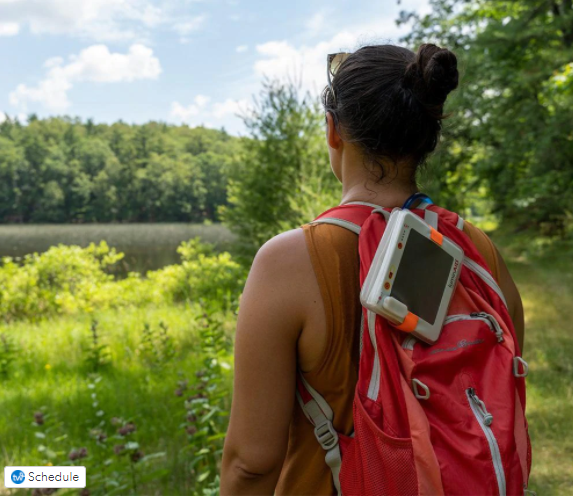
- A solar inflatable lantern is best for soft campsite light. It is ideal for tents, picnic tables, RV awnings, beach nights, emergency kits and low-weight travel setups.
- The LuminAID-style design packs flat. That makes it easier to store than a bulky traditional lantern, especially if you travel with limited boot, backpack or trailer space.
- USB charging is more reliable than solar alone. Solar is useful as a backup, but cloudy weather, shade and short winter days can slow charging.
- Phone charging is a bonus, not a full power-bank replacement. Use it for emergency top-ups, then carry a dedicated power bank for long trips.
- Check brightness, runtime and water rating before buying. A good camping lantern should match how you actually camp: tent nights, RV life, backpacking, festivals or emergency use.
A solar inflatable lantern is worth considering if you want lightweight camp lighting that packs flat, recharges by USB or sunlight, and can hang inside a tent without taking up much space. It is especially useful for campers, RV travellers, beach evenings, festival trips, emergency kits and families who want safer shared light than a single torch.
The LuminAID PackLite Max-style lantern is more practical than it first looks because it combines a soft LED lantern, collapsible storage and emergency phone charging. It is not the brightest option for every campsite, and it should not replace a headlamp or proper power bank, but it is a smart extra for comfort and backup lighting.
In This Guide
What Is a Solar Inflatable Lantern?
A solar inflatable lantern is a compact LED light with an inflatable diffuser. Instead of carrying a hard plastic lamp that takes up permanent space, you deflate the lantern and pack it flat. When you arrive at camp, you inflate it so the light spreads more softly around your tent or table.
The product in the original ChipJourney post is a LuminAID-style solar inflatable lantern. Current LuminAID PackLite Max 2-in-1 models are designed for camping and emergency kits, with a built-in rechargeable battery, solar charging, USB charging, phone-charging support and a floating waterproof design.
That combination makes it different from a normal torch. A torch is better for walking. A headlamp is better when you need both hands. A solar inflatable lantern is better when you want shared, gentle, hands-free light for a tent, picnic table, cooking area or power cut.
Who Is This Lantern Best For?
This kind of lantern is most useful when you want lighting that is easy to pack, safe around tents, simple to hang and not dependent on disposable batteries.
Tent campers
Hang it from a tent loop for reading, changing clothes, organising bags or finding something at night without shining a harsh beam in someone’s face.
RV and trailer trips
Use it as a soft outdoor light under an awning, backup lighting during hookup problems, or a compact emergency lamp in your travel trailer storage box.
Emergency kits
A rechargeable lantern that packs flat is useful for power cuts, storms, roadside problems and family emergency bags.
Beach and lake evenings
A floating, water-resistant lantern is helpful around rain, tents, lakes and beaches. It is also easier to pack than many hard-shell lamps.
Festival camping
It is easier to spot your tent, light a small area and avoid draining your phone battery just to use the flashlight.
Minimalist travellers
If you prefer gear that has more than one use, a lantern with phone top-up ability is more useful than a basic light-only gadget.
Important Camping Specs to Check
Do not buy a solar camping lantern only because it looks clever. The details that matter are brightness, runtime, charging speed, packed size, hanging options and water protection.
Brightness and runtime
Lumens measure brightness. A higher lumen setting gives stronger light, but it usually drains the battery faster. For most tent use, you do not need maximum brightness all evening.
Charging options
USB charging is best before you leave home. Solar charging is a helpful backup during daylight, but it depends on sun exposure, weather, season and how much shade surrounds your camp.
Phone charging
Some 2-in-1 lanterns include a USB output. Treat this as emergency support for a low phone, camera or headlamp, not as your main charging system for a long trip.
Water rating
A lantern that floats and resists water is useful around rain, tents, lakes and beaches. Still, dry it before packing it away to protect the battery and fabric body.
Tip: for a longer camping trip, take a lantern for shared light, a headlamp for walking, and a separate power bank for phone charging.
Solar Inflatable Lantern Pros and Cons
What works well
- Packs flat and saves space.
- Provides soft 360-degree light.
- Can hang from tents, branches or awnings.
- Rechargeable by USB and sunlight.
- Useful in power cuts and emergency kits.
- Some models can top up small devices.
What to watch out for
- Solar charging is slower than USB.
- It will not replace a strong headlamp.
- Phone charging can drain the lantern quickly.
- Inflatable designs need care around sharp objects.
- Higher brightness means shorter runtime.
- Not every model has phone-charging output.
How to Use It Properly While Camping
A solar inflatable lantern is simple, but a few habits make it much more useful on real trips.
Charge it fully before leaving
Do not rely on the sun to do all the work. Charge by USB at home first, then use solar during the trip as a backup.
Use lower brightness at night
Low or medium settings are often enough inside a tent. Save the brightest mode for cooking, packing or emergencies.
Hang it above eye level
Hanging the lantern creates better spread than placing it on the floor, and it prevents people from kicking it by accident.
Keep it in daylight while resting
If you are at camp during the day, place it in direct sunlight instead of leaving it inside a shaded tent or bag.
Dry it before storage
Even if it is waterproof, let the lantern dry before packing it away. This keeps your gear bag fresher and protects the lantern long term.
Do not use it as your only light
Carry a small torch or headlamp as backup. A shared lantern is great, but personal lighting is still important at night.
Solar Lantern vs Headlamp, Torch and Power Bank
The best camping lighting setup usually combines more than one tool. Here is the simple way to think about it:
Choose a solar lantern for shared space
Use it for tent interiors, camp tables, family spaces, games, reading and quiet evening lighting.
Choose a headlamp for movement
Use a headlamp for walking to toilets, cooking, changing gas canisters, carrying water or setting up after dark.
Choose a torch for distance
A torch is better when you need a focused beam for trails, car boots, repairs or checking something far away.
Choose a power bank for real charging
A lantern with phone charging is useful, but a dedicated power bank is still better for frequent phone, camera or tablet charging.
Buying Tips Before You Choose a Solar Inflatable Lantern
Before you buy, ask how and where you will use it. A campsite lantern for a family road trip does not need the same features as a tiny backpacking light.
- For backpacking: focus on weight, packed size, strap design and reliable low-mode runtime.
- For family camping: choose better brightness, durable build, longer runtime and easy hanging.
- For RV or trailer use: look for emergency usefulness, USB charging and storage convenience.
- For beach trips: prioritise water resistance, floating ability and easy cleaning.
- For emergency kits: check storage life, phone-charging ability and whether the lantern is easy for anyone in the family to use.
Also check whether the product uses USB-A or USB-C, whether the charging cable is included, and how long the manufacturer says a full charge should last on each brightness setting.
Is a Solar Inflatable Lantern Worth It?
Yes, a solar inflatable lantern is worth it if you want a compact, rechargeable and easy-to-store light for camping, RV travel, beach evenings or emergency preparation. Its biggest advantage is not raw brightness; it is the way it combines soft camp lighting, flat packing and backup charging in one simple gadget.
It is not the only light you should bring. A headlamp is still better for walking and cooking, and a dedicated power bank is better for regular phone charging. But as part of a sensible travel or camping kit, a LuminAID-style solar inflatable lantern is genuinely useful.
Sources and Further Reading
- LuminAID PackLite Max 2-in-1 Power Lantern official product information
- REI: How to choose a camp lantern
- National Park Service: Leave No Trace camping guidance
- ChipJourney: Recommended travel gadgets for frequent travellers
- ChipJourney: Travel trailer accessories for comfort
- ChipJourney: WACACO Minipresso camping coffee guide
FAQs About Solar Inflatable Lanterns for Camping
Are solar inflatable lanterns good for camping?
Yes. They are especially good for soft tent lighting, campsite tables, RV awnings, beach nights and emergency kits. They pack flat, usually weigh less than traditional lanterns and can recharge without disposable batteries.
Can a LuminAID solar lantern charge a phone?
Some 2-in-1 LuminAID lanterns can charge phones through USB-A output. It is best used as an emergency top-up rather than your only power source.
How bright should a camping lantern be?
For one tent or a small table, lower to medium brightness is usually enough. For a larger campsite or family tent, a brighter lantern is useful, but remember that higher lumen settings reduce runtime.
Is a solar lantern better than a headlamp?
No, they are different tools. A lantern is better for lighting a shared space, while a headlamp is better for walking, cooking, searching bags and doing anything hands-free.
Can I leave a solar lantern outside in rain?
Only if your exact model is rated for water exposure. Many inflatable camping lanterns are water-resistant or waterproof, but you should still dry them before long-term storage.
What should I check before buying a solar camping lantern?
Check brightness, runtime, charging speed, battery capacity, weight, packed size, water rating, strap design and whether it has phone-charging output.
Chipjourney.com participates in the Amazon Services LLC Associates Program, an affiliate advertising program designed to provide a means for sites to earn advertising fees by advertising and linking to Amazon.