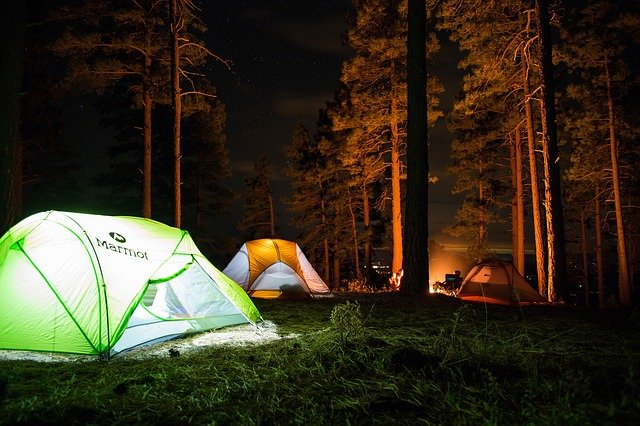
Key Takeaways
- Hot tent camping can make winter camping more comfortable, but it is not casual summer camping with a stove added.
- Your sleep system still matters. A tent stove can go out overnight, so you still need a winter-rated sleeping bag, insulated sleeping pad, dry layers and backup warmth.
- Ventilation and fire safety are critical. Stoves, flames and heaters inside enclosed spaces can create fire and carbon monoxide risks.
- A winter tent is usually better than a simple tarp for beginners. A tarp can be useful, but a proper winter shelter gives more protection from wind, snow and drifting cold air.
- This rebuilt guide preserves your original Amazon affiliate links, product images, GetYourGuide outdoor widget, disclosure, ads, share buttons, comments and layout.
Camping in winter can be beautiful: quiet snow, fewer crowds, cold clear mornings and the feeling of being outside when most people stay indoors. But winter camping also demands more preparation than a warm-weather trip. Cold, wind, moisture, darkness and fire safety all matter.
This rebuilt hot tent camping guide keeps the original product recommendations and affiliate links while making the post more useful, safer, easier to read and stronger for SEO. It covers what to pack, tarp vs tent, wood stove vs heated sleeping bag, safety checks, common mistakes, FAQs and further reading.
Quick Answer: Is Hot Tent Camping The Best Way To Camp In Winter?
Hot tent camping can be one of the most comfortable ways to camp in winter because a compatible tent stove can warm the shelter, dry damp gear and create a cosy basecamp. However, it is only safe when the tent, stove, stove jack, chimney, ventilation and fire setup are designed for that use. You still need proper winter clothing, insulation, sleeping gear, food, water and emergency planning.
Hot Tent Camping Packing Checklist
Winter camping is easier when your kit is organised before you leave home. Below is a clearer version of the original packing section, with the original affiliate links preserved.
| Item | Why It Matters | Original Link |
|---|---|---|
| Waterproof tent | Protects against snow, rain, wind and moisture. For a stove, only use a shelter designed for stove use. | View tent option |
| Paracord | Useful for guy lines, tarps, repairs, hanging items and securing camp. | View paracord |
| Camping stove | Useful for cooking outdoors. Do not cook inside ordinary tents or enclosed spaces. | View camping stove |
| First aid kit | Essential for cuts, blisters, burns, slips, cold-related problems and minor injuries. | View first aid kit |
| Survival matches or lighter | Backup fire-starting tools are important in cold, damp weather. | Survival matches / Wayfinder lighter |
| Winter sleep system | A warm bag plus an insulated sleeping pad protects you if the stove goes out. | Heated sleeping bag option |
Tarp Or Tent For A Hot Tent Camping Trip?
A tarp and a tent can both be useful outdoors, but they solve different problems. In winter, beginners usually do better with a proper winter tent or hot tent system because it gives more wind protection, snow protection and structure. A tarp is lightweight and versatile, but it demands more skill in site choice, pitching and weather management.
Winter Tent
A winter tent is built to handle colder, rougher conditions than a basic summer tent. For hot tent camping, the important point is compatibility: the shelter should be designed for a stove, with a safe stove jack, suitable fabric, clearances and ventilation.
Best for: beginners, snow, wind, longer stays and comfort-focused winter camping.
Tarp
A tarp is light, affordable and useful as a groundsheet, windbreak, gear cover or emergency shelter. It is not automatically a warm winter shelter, but it can be a valuable backup or camp utility item.
Best for: experienced campers, extra weather cover, lightweight setups and camp organisation.
Portable Wood-Burning Stove Or Heated Sleeping Bag?
A tent stove and a heated sleeping bag solve different winter problems. A stove can warm a compatible hot tent and help dry gear, but it needs constant attention, safe setup and ventilation. A heated sleeping bag adds personal warmth, but it depends on batteries and should not replace proper insulation.
| Option | Strengths | Limitations | Best Use |
|---|---|---|---|
| Portable wood-burning stove | Warms the shelter, creates a cosy basecamp, can help dry damp gear. | Needs a compatible hot tent, stove jack, chimney, ventilation, fuel and constant safety care. | Basecamp-style winter camping. |
| Heated sleeping bag | Personal warmth, easier setup, useful when resting or sleeping. | Battery dependent; not a replacement for a proper winter-rated bag and sleeping pad. | Extra comfort in cold conditions. |
Portable Wood-Burning Stove To Warm Your Tent
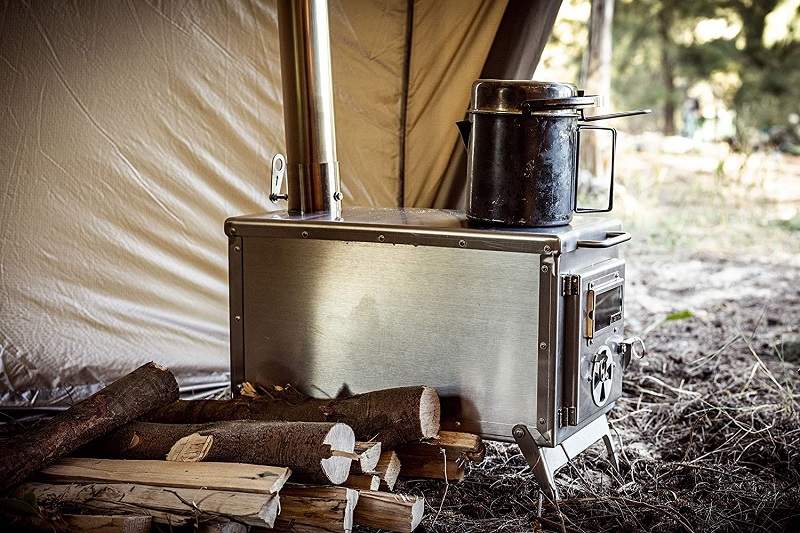
A portable wood-burning stove can make cold-weather camping feel much more comfortable, but only when used in the correct type of hot tent. The stove, tent, stove jack, chimney, spark arrestor and floor protection all need to work together safely.
- Use only a tent designed for stove use.
- Keep the stove away from tent walls, sleeping bags and gear.
- Use proper chimney sections and a spark arrestor when required.
- Ventilate the shelter and use a battery carbon monoxide alarm suitable for your setup.
- Never leave a burning stove unattended while sleeping.
Heated Sleeping Bag For Cold Nights
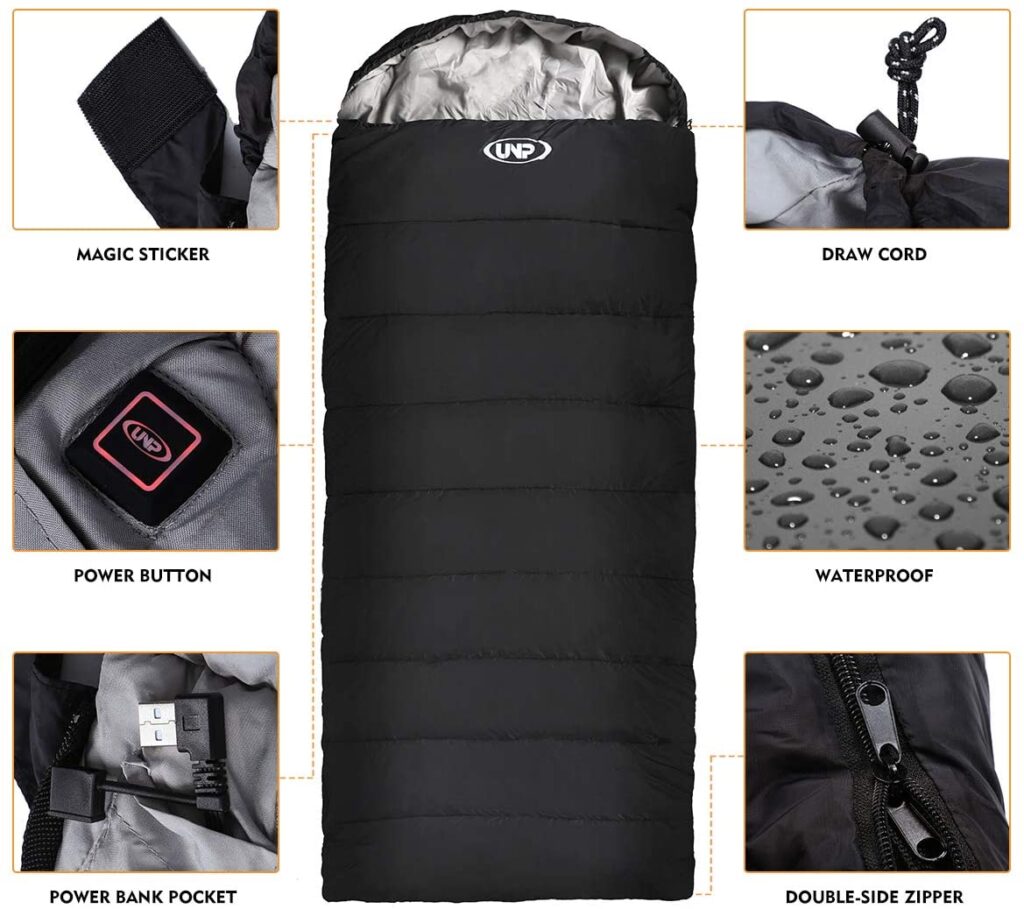
A heated sleeping bag or heated pad can add comfort when temperatures drop. It can be useful for people who struggle with cold nights, but battery heat should be treated as a bonus, not your only safety plan.
For winter camping, combine any heated item with a sleeping bag rated for the expected temperature, a properly insulated sleeping pad, dry base layers, warm socks and a backup plan if the battery runs out.
Hot Tent Safety Notes
Winter camping and tent stoves can be enjoyable, but they need serious safety habits. The National Park Service recommends dressing for varying winter conditions with insulating outer layers, hats, gloves, wool socks and waterproof boots. The CDC warns that portable gas camp stoves should not be used indoors, and REI warns against cooking inside tents or enclosed spaces because of carbon monoxide and fire risk.
- Ventilate your shelter
- Use only compatible hot tent gear
- Keep flames away from fabric
- Carry a first aid kit
- Keep spare dry layers
- Use a proper sleeping pad
- Check weather before leaving
- Have an emergency exit plan
Common Hot Tent Camping Mistakes
- Using a stove in the wrong tent. Not every tent is made for heat, sparks or chimney pipes.
- Depending only on the stove for warmth. Fires go out. Your sleeping system must still protect you.
- Ignoring condensation. Ventilation helps manage moisture inside the shelter.
- Packing cotton clothing. Cotton holds moisture and can make you colder.
- Skipping practice setup. Try pitching your tent and stove system before the real trip.
- Not planning for darkness. Winter nights are long, so bring headlamps, spare batteries and a simple camp routine.
FAQ About Hot Tent Camping In Winter
What is hot tent camping?
Hot tent camping is winter camping in a shelter designed to work with a small stove, usually with a stove jack and chimney opening. It allows campers to warm the shelter, but it requires careful setup, ventilation and fire safety.
Can you put a wood stove in any tent?
No. A wood stove should only be used in a tent designed for stove use. Ordinary tents can melt, burn or trap dangerous fumes.
Do I still need a winter sleeping bag in a hot tent?
Yes. A stove can go out, fuel can run low and temperatures can drop quickly. You still need a winter-rated sleeping bag or quilt, an insulated pad and dry layers.
Is a tarp enough for winter camping?
A tarp can work for experienced campers in the right conditions, but it offers less protection than a winter tent. Beginners usually need a more protective shelter.
What is the biggest danger with hot tent camping?
The biggest risks include fire, carbon monoxide, poor ventilation, hypothermia, wet clothing, poor sleep insulation and sudden weather changes.
What should beginners do before their first hot tent trip?
Practise setting up the tent and stove at home, choose a safe campsite, check the weather, bring backup warmth and keep the first trip short and close to help.
Sources And Further Reading
- National Park Service: Be Winter Ready For Your Adventure
- National Park Service: Hypothermia prevention advice
- CDC: Carbon monoxide poisoning basics
- REI: Backpacking stove safety tips
- ChipJourney: Best Tent Camping Sites For Your Next Adventure Trip
- ChipJourney: How To Stay Warm While Tent Camping
- ChipJourney: Family Camping Essentials List
Affiliate Disclosure
ChipJourney.com is a participant in the Amazon Services LLC Associates Program, an affiliate advertising programme designed to provide a means for sites to earn advertising fees by advertising and linking to Amazon. Product links in this article may be affiliate links.