Key Takeaways
- Staying warm while tent camping is about staying dry, insulated and safely ventilated. Warm gear helps, but moisture and poor airflow can make a tent feel colder overnight.
- Ground insulation matters as much as the sleeping bag. A high-R-value sleeping pad stops the ground from stealing body heat.
- Do not seal the tent completely. A little ventilation helps reduce condensation, which can wet your gear and make you colder.
- Be careful with tent heaters. Fuel-burning heaters can create fire and carbon monoxide risks if used incorrectly or in the wrong shelter.
- This rebuilt guide preserves the original featured image, article images, product links, videos, ads, share buttons, comments, sidebar and affiliate disclosure.
Tent camping in cold weather can be beautiful, peaceful and memorable, but a cold night can quickly ruin the experience if your sleep system is not prepared. The secret is not one magic product. It is the full system: tent choice, sleeping pad, sleeping bag, dry layers, safe ventilation, food, hydration and smart bedtime routines.
This rebuilt guide keeps the original 9-tip structure while making the advice safer, easier to read, more SEO-friendly and more helpful on mobile. It also updates the safety wording around hypothermia, condensation and tent heaters.
Quick Answer: How Do You Stay Warm While Tent Camping?
Stay warm while tent camping by using a weather-appropriate tent, sleeping on an insulated pad, choosing a sleeping bag rated below the expected overnight temperature, wearing dry wool or synthetic layers, keeping damp gear away from your sleep system, eating enough food, using a hot water bottle safely, and keeping a small amount of tent ventilation open to reduce condensation.
Why It Is Important To Stay Warm While Camping
Staying warm is not only about comfort. Cold exposure can affect sleep, mood, energy and safety. Hypothermia is a dangerous drop in body temperature, and the CDC lists warning signs such as shivering, exhaustion, confusion, fumbling hands, memory loss, slurred speech and drowsiness.
Cold risk becomes higher when you are wet, tired, hungry, exposed to wind, or sleeping on poorly insulated ground. That is why the best cold-weather camping setup focuses on dry layers, insulation, food, safe shelter and a sensible plan for changing conditions.
1. Choose The Right Tent For Cold-Weather Camping
Your tent is your first barrier against wind, rain and snow. For mild cool nights, a good three-season tent may be enough. For serious winter conditions, stronger cold-weather or four-season shelter design becomes more important.
Match the tent to conditions
Do not use a light summer tent for strong wind, snow loading or exposed winter camps.
Use the rainfly properly
A rainfly blocks weather and creates a small air gap, but it still needs ventilation.
Pitch out of the wind
Natural windbreaks can help, but avoid dead trees, falling branches and flood-prone ground.
Stake and guy out well
A loose tent flaps, loses warmth and performs poorly in bad weather.
The original post recommended the MSR Access 2 Tent as a cold-weather camping option. Always compare shelter specs with the weather you expect.
2. Insulate The Ground: Set Up A Warm Sleeping Area
The ground can pull heat away from your body all night. This is why a sleeping pad is not only for comfort. It is part of your insulation system.
| Sleep System Item | Why It Helps | Tip |
|---|---|---|
| Insulated sleeping pad | Reduces heat loss into cold ground. | REI explains that higher R-values mean better insulation. |
| Foam pad layer | Adds backup insulation and protects inflatable pads. | Stacking pads can increase warmth. |
| Groundsheet or footprint | Helps protect the tent floor from damp ground. | Keep it tucked under the tent edges so it does not collect rain. |
| Dry sleeping area | Moisture makes cold feel worse. | Keep wet boots, clothes and towels away from the sleeping bag. |
Original useful link preserved: How to choose a sleeping pad based on R-value.
3. Sleeping Bag Selection And Accessories
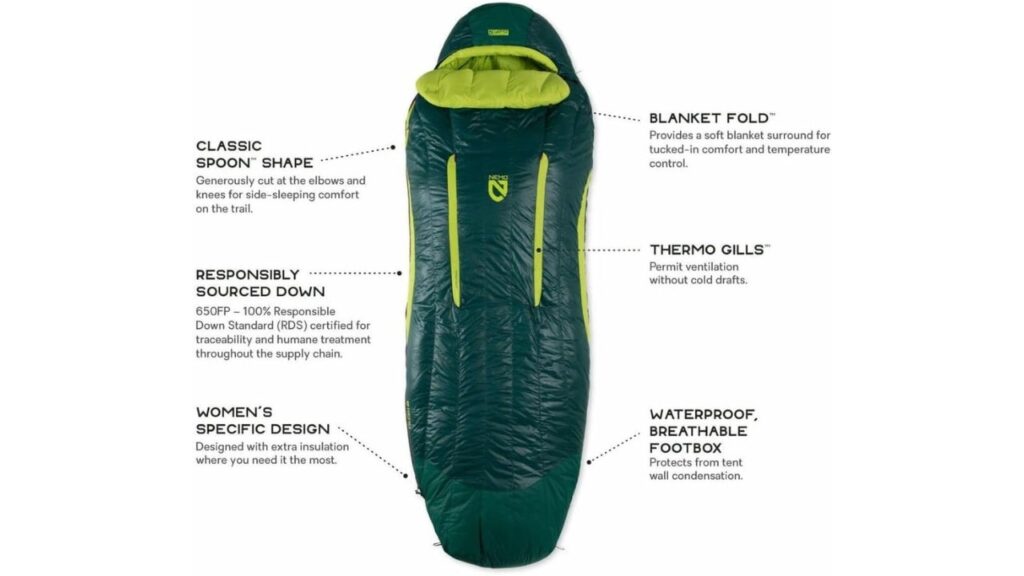
Your sleeping bag should be rated for colder than the lowest temperature you expect, but remember that ratings assume a full sleep system: suitable pad, dry clothing and a sheltered setup.
- Choose a cold-weather sleeping bag with a realistic comfort rating.
- Down is warm and compressible, but synthetic insulation can perform better when damp.
- A sleeping bag liner can add comfort and a little warmth, but it does not replace a properly rated bag.
- Do not breathe inside the sleeping bag; moisture from your breath can make insulation damp.
Original recommended product preserved: Nemo Disco 15 Sleeping Bag.
4. Dress In Layers And Sleep In The Right Clothes
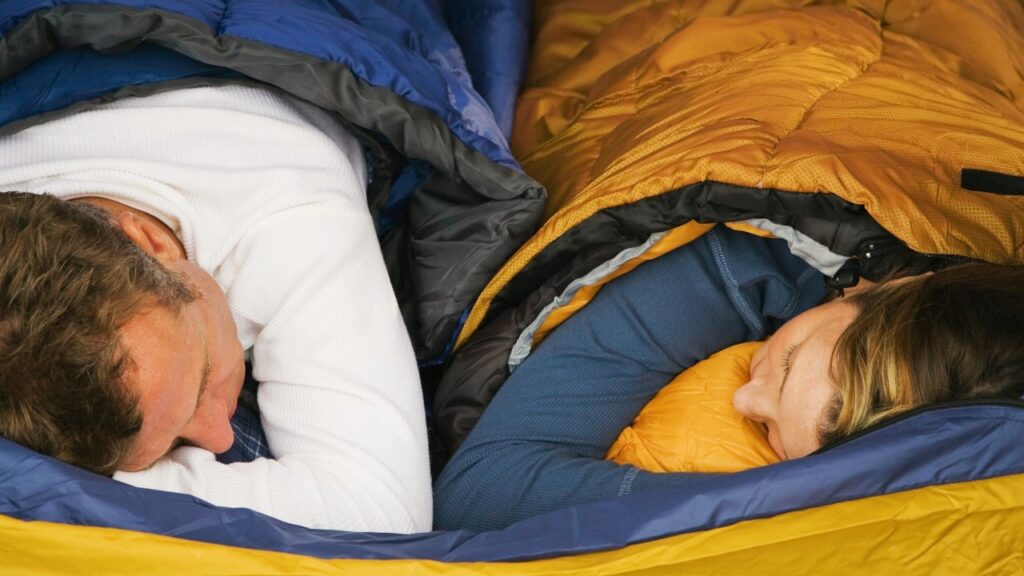
Layering works because it traps warm air while moving moisture away from your skin. The biggest mistake is sleeping in damp clothes or cotton layers that hold moisture.
Base layer
Use merino wool or synthetic thermal layers that wick moisture.
Mid layer
Use fleece or another insulating layer if the night is very cold.
Extremities
Wear dry socks, a warm hat and light gloves when needed.
Dry sleep clothes
Keep one dry sleeping outfit separate from hiking or camp clothes.
5. Insulate Your Tent With Simple Tricks
Simple insulation tricks can help, but they should not block airflow or create fire risk. Focus first on ground insulation, wind protection, a good sleeping bag and dry layers.
- Add a foam pad below your inflatable sleeping pad.
- Use a tent footprint or properly sized groundsheet.
- Keep the sleeping area away from tent walls where condensation collects.
- Use reflective blankets carefully and do not block vents.
- Avoid open flames, charcoal, petrol or unsafe heaters inside tents.
6. Warm Up Before Getting Into Bed
If you go to bed cold, your sleeping bag has to work harder. Warm your body gently before climbing in, but avoid sweating because damp skin and clothing can make you colder later.
Gentle movement
Do a few squats, light steps or arm circles before bed, but stop before sweating.
Hot water bottle
Use a proper bottle safely, avoid boiling water, and keep it wrapped so it does not burn skin.
Warm drink
Tea, soup or hot chocolate can be comforting, but avoid too much liquid right before sleep.
Hand warmers
Useful for cold fingers and toes, but follow the product instructions.
Original hot-water-bottle guide link preserved: A guide to staying warm with hot water bottles.
7. Feed Your Body To Produce Heat
Your body needs energy to stay warm. Going to bed hungry can make you feel colder, especially after hiking, setting up camp and spending hours outside.
| Food Or Drink | How It Helps | Examples |
|---|---|---|
| Carbohydrates | Provide accessible energy after a day outdoors. | Oatmeal, pasta, rice, bread, potatoes. |
| Protein and fat | Help you feel fuller and support steady energy. | Nuts, peanut butter, cheese, jerky, beans. |
| Hot drinks | Comforting before bed and useful for morale. | Tea, soup, hot chocolate, warm squash. |
| Bedtime snack | Can help if you wake cold and hungry. | Trail mix, oat bar, nut butter, chocolate. |
8. Ventilation: Let Your Tent Breathe
It sounds strange, but a tightly sealed tent can become damp from breathing, wet clothes and poor airflow. Condensation can drip onto the tent walls, sleeping bag or clothes, and damp insulation feels colder.
- Open vents enough to allow moisture to escape.
- Avoid touching the sleeping bag against the tent wall.
- Do not dry wet clothes inside the tent if it makes condensation worse.
- Pitch the rainfly properly so it can shed moisture outside.
- Use mesh and vent options according to weather conditions.
9. Stay Dry And Avoid Excess Moisture
Wet clothing and damp gear are two of the biggest reasons campers get cold. Even a warm sleeping bag can struggle if the layers around it become damp.
- Change damp clothes quickly
- Keep sleep clothes dry
- Store wet boots outside the sleeping area
- Use dry bags
- Air out the tent when possible
- Pack spare socks
- Protect the sleeping bag
- Avoid sweating before bed
For storm-specific shelter advice, read: How Do You Survive A Storm In A Tent?
Tent Heater Safety: Read This Before Using Any Heater
A tent heater can be tempting, but it must be treated seriously. The Camping and Caravanning Club warns that wood, charcoal, petrol and gas heaters should not be used inside a tent unless the tent and heater are designed to work together safely, because fuel-burning heaters can create fire risk and invisible, deadly carbon monoxide.
If you use any heater, follow the manufacturer’s instructions, use the correct ventilation, keep it away from bedding and fabric, never sleep with an unsafe heater running, and consider a carbon monoxide alarm where appropriate. When in doubt, rely on insulation, dry layers and a better sleep system rather than a risky heat source.
Original heater product link preserved for review purposes: Mr. Heater Portable Buddy Heater. Also preserved: camping discussion on Reddit.
Cold Tent Camping Packing Checklist
| Category | Items To Pack |
|---|---|
| Sleep system | Cold-rated sleeping bag, insulated pad, liner, pillow and dry sleep clothes. |
| Clothing | Base layers, fleece, warm hat, gloves, dry socks, waterproof shell and spare layers. |
| Shelter | Weather-suitable tent, rainfly, stakes, guy lines, footprint and repair tape. |
| Warmth tools | Hot water bottle, hand warmers, warm drink setup and extra snacks. |
| Moisture control | Dry bags, towel, boot storage, spare socks and ventilation plan. |
| Safety | First aid kit, torch, emergency blanket, whistle, phone, map and weather forecast. |
Helpful Tent Camping Videos
The original post included YouTube links. They are preserved here as responsive embedded videos so they work better on mobile.
Recommended Gear Links And Disclosure
This article contains original affiliate links from the uploaded post. ChipJourney may earn a small commission if you buy through these links, at no extra cost to you. Always check current specifications, safety instructions and suitability for your exact camping conditions before buying gear.
FAQ About Staying Warm While Tent Camping
Can I use a regular sleeping bag for winter camping?
You can use a regular bag only if the temperature rating and your full sleep system match the conditions. For cold nights, choose a sleeping bag rated below the expected low and pair it with an insulated sleeping pad.
What food helps keep me warm while camping?
Warm meals, carbohydrates, protein, fats and a small bedtime snack can help your body maintain energy overnight. Good options include oatmeal, pasta, rice, nuts, cheese, soup, nut butter and trail mix.
Should I sleep in my clothes?
Yes, but choose clean, dry base layers rather than damp hiking clothes. Merino wool or synthetic layers are better than cotton because they manage moisture better.
Are propane heaters safe in tents?
Only use a heater if it is designed for the shelter and conditions, and follow all safety instructions. Fuel-burning heaters can create fire and carbon monoxide risks, so many campers are safer relying on insulation and proper sleep gear.
Why does my tent feel wet inside in cold weather?
Condensation forms when warm, moist air from breathing and wet gear meets cold tent fabric. Ventilation, good rainfly setup and keeping wet items away from the sleeping area help reduce it.
What is the fastest way to get warmer before bed?
Change into dry layers, eat a small snack, do light movement without sweating, use a safe hot water bottle, and get into a properly insulated sleep system.
Sources And Further Reading
- CDC: Preventing hypothermia
- CDC: Recognising hypothermia
- National Weather Service: Cold weather safety
- National Weather Service: During extremely cold weather
- Camping and Caravanning Club: Camping heater safety
- REI: Sleeping pad R-value guide
- National Park Service: Ten essentials
- ChipJourney: Staying Warm While Camping In Cold Weather
- ChipJourney: How To Find Quality Sleeping Bags
- ChipJourney: Long Distance Hiking Preparation
Final Thoughts
A warm night in a tent comes from a complete system: dry layers, a proper sleeping pad, a suitable sleeping bag, safe ventilation, enough food, good campsite choice and a realistic weather plan. When conditions become dangerous, the safest choice is to change plans rather than force the night.