Key Takeaways
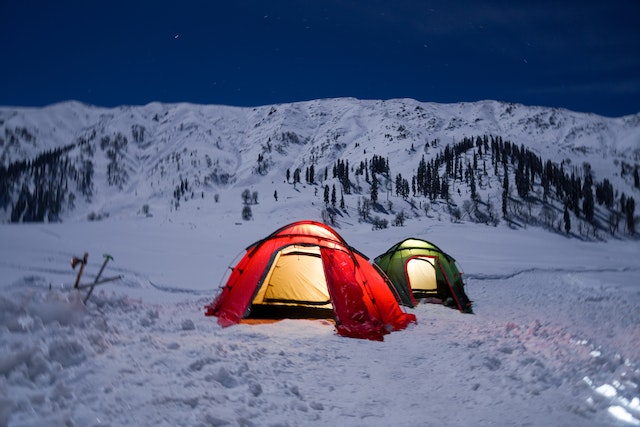
- Staying warm while camping starts before bedtime. Choose a protected campsite, pitch the tent properly, insulate from the ground, and keep dry layers ready.
- Ground insulation is critical. A sleeping bag helps from above, but a cold ground surface can pull heat from below without an insulated sleeping pad or foam layer.
- Dry clothing matters more than bulky clothing. Damp socks, sweaty base layers or wet outerwear can make you cold even in a good sleeping bag.
- Ventilation prevents condensation. Sealing a tent completely can trap moisture, which later makes bedding and clothing feel colder.
- Beginners should test cold-weather gear close to home first. Do not wait until a remote trip to discover that your sleeping bag, pad or tent setup is not warm enough.
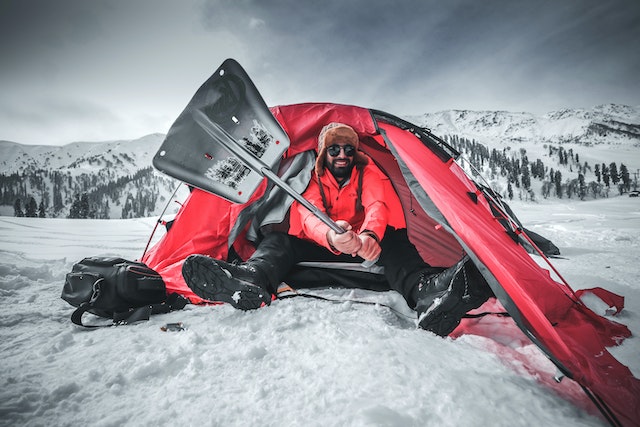
Camping in cold weather can be beautiful, quiet and refreshing, but it also demands more planning than a mild summer night. Once the sun drops, the ground, wind and moisture can quickly pull warmth away from your body. That is why the best cold-weather camping advice is not one single trick — it is a full warmth system.
This guide explains how to stay warm while camping in cold weather using practical steps: choosing a better tent spot, insulating below you, keeping your sleeping bag dry, dressing in layers, managing condensation, and avoiding common mistakes that make a cold night worse.
Quick Answer: How Do You Stay Warm While Camping?
To stay warm while camping in cold weather, pitch your tent away from strong wind, use a waterproof ground layer, sleep on an insulated pad, choose a sleeping bag rated for the expected temperature, wear dry base layers, keep socks and a hat on, ventilate the tent to reduce condensation, eat before bed, stay hydrated, and keep emergency warm layers dry. The most important rule is to stay dry because moisture makes cold feel much worse.
In This Guide
Choose a Warmer Campsite
The original article recommended setting up your tent in a sunny spot, and that advice still makes sense when conditions allow. Morning sun can help dry condensation, warm the tent slightly, and make getting out of your sleeping bag less miserable.
However, sun is only part of the campsite choice. Also look for:
- a site sheltered from strong wind;
- higher ground where cold air is less likely to pool;
- dry ground rather than wet, muddy or snowmelt areas;
- safe distance from dead branches or unstable trees;
- a legal campsite that follows local rules.
Cold-Air Trap Warning
Valleys, low dips and areas beside water can feel colder overnight because cold air settles there. A slightly higher, sheltered spot often feels warmer than the lowest flat area.
Insulate Under Your Tent
Cold ground can steal heat quickly. That is why insulating underneath your sleeping area is one of the biggest cold-weather upgrades. The original article recommended adding insulating material under the tent and mentioned options such as a tarp, inflatable sleeping pad and foam camping mattress.
Tarp or Footprint
A tarp or footprint helps protect the tent floor from moisture and abrasion. It does not replace a proper sleeping pad, but it helps keep the shelter area drier.
Inflatable Sleeping Pad
An insulated pad adds comfort and thermal resistance. Check the R-value if you are camping in cold conditions.
Foam Pad
A foam pad can be simple, reliable and useful as an extra layer under an inflatable pad in colder weather.
Dry Storage
Keep spare clothing, socks and sleeping layers off the tent floor if condensation or dampness is likely.
Use the Right Tent Setup
Your tent is your first line of defence against wind, rain, snow and cold air. The original article highlighted a cold-weather tent option, the Crua Outdoors Culla Maxx, and also pointed readers towards waterproofing and breathability considerations.

When choosing a tent for cold weather, consider:
- whether it is suitable for the expected season;
- rainfly coverage and waterproofing;
- ventilation to control condensation;
- space for gear without pressing against the tent walls;
- strength in wind, rain or light snow;
- setup simplicity when your hands are cold.
The original article linked to a guide on a 3000mm waterproofing rating and another explanation of waterproof ratings and breathability. Those ideas matter because a tent can be waterproof but still feel damp inside if condensation is not managed.
Improve Your Sleeping Bag System
Your sleeping bag should be rated for the coldest temperature you expect, but ratings are not perfect. Personal warmth, wind, humidity, sleeping pad insulation and what you wear to bed all affect comfort.

If your sleeping bag is not warm enough, do not rely on hope. Improve the system:
- use an insulated sleeping pad underneath;
- add a dry liner or extra blanket if appropriate;
- wear dry base layers and socks;
- put a warm hat on before sleeping;
- keep the bag dry and away from tent wall condensation;
- avoid breathing into the sleeping bag, as moisture builds up inside.
The original article also linked to this related guide: How Can I Find Quality Sleeping Bags?
Wear Dry Layers to Bed
Layering helps, but only when the layers are dry. A good sleep outfit for cold camping usually includes a moisture-wicking base layer, warm socks, a hat, and possibly a light mid-layer. Avoid tight clothing that restricts circulation.
| Layer | Purpose | Tip |
|---|---|---|
| Base layer | Moves moisture away from skin. | Avoid cotton in cold weather. |
| Mid-layer | Adds warmth while resting. | Fleece or synthetic insulation dries faster than cotton. |
| Outer shell | Blocks wind and rain outside the tent. | Remove wet outer layers before sleeping. |
| Sleep socks and hat | Protects feet and head from heat loss. | Keep a dedicated dry pair for sleeping. |
Simple Rule
If you sweated in it while hiking, do not sleep in it if you have a dry alternative. Damp clothing can chill you once your body slows down at night.
Warmers, Food and Hydration
Hand and toe warmers can help, especially for people who get cold fingers or feet. Use them according to the product instructions and avoid placing high-heat warmers directly against bare skin for long periods.
Food and hydration also matter. Your body burns energy to stay warm, and dehydration can make you feel worse in cold conditions. A warm drink before bed can be comforting, but do not skip water just because the weather is cold.
- Eat a filling meal before bedtime.
- Keep snacks nearby for long cold nights.
- Use an insulated bottle if water may freeze.
- Store fuel safely and follow stove instructions.
- Never use unsafe flames or heaters inside a tent.
Manage Condensation and Moisture
Cold-weather campers often try to seal the tent completely to trap warmth, but that can create condensation. Breath, damp gear and poor ventilation can leave moisture on tent walls, sleeping bags and clothing.
To reduce condensation:
- use tent vents when conditions allow;
- avoid touching your sleeping bag against wet tent walls;
- keep wet boots and clothing away from dry bedding;
- dry gear in morning sun when possible;
- shake frost or moisture off the tent before packing.
Common Cold-Weather Camping Mistakes
- Sleeping directly on a weak pad. The ground can steal heat even inside a warm sleeping bag.
- Wearing damp clothing to bed. Dry layers are essential.
- Closing every vent. Poor ventilation can make condensation worse.
- Choosing an exposed campsite. Wind makes cold feel much stronger.
- Trusting sleeping bag ratings too much. Ratings are useful, but real comfort depends on your whole setup.
- Using unsafe heat sources. Carbon monoxide and fire risk are serious in enclosed spaces.
- Forgetting a backup plan. Beginners should test gear near home or near the car first.
Conclusion: Warmth Comes From a Complete System
Staying warm while camping in cold weather is not just about buying one warm sleeping bag. You need a campsite that avoids wind, insulation under your body, dry layers, a tent setup that handles weather, enough food and water, and a plan for moisture.
Prepare before the trip, test your gear, keep your sleeping bag clean and dry, and do not ignore early signs of cold stress. With the right setup, cold-weather camping can feel peaceful, safe and surprisingly comfortable.
FAQ
How do you stay warm while camping in cold weather?
Use a suitable sleeping bag, an insulated sleeping pad, dry clothing layers, a protected campsite, and a tent setup that blocks wind and moisture. Staying dry is just as important as adding warmth.
What keeps you warmest in a tent?
The biggest warmth upgrades are a properly rated sleeping bag, a sleeping pad with enough insulation, dry base layers, a warm hat, and a tent pitched out of strong wind. A cold ground surface can steal heat quickly, so insulation underneath you matters.
Should you sleep with clothes on in a sleeping bag?
Yes, light dry layers can help, especially a base layer, warm socks and a hat. Avoid sleeping in damp or sweaty clothing because moisture can make you colder overnight.
Can you use a heater in a tent?
Only use a heater that is specifically designed for tent use, and follow all safety instructions for ventilation and carbon monoxide risk. Many campers stay safer by improving insulation rather than relying on a heater.
How do you stop condensation in a tent in cold weather?
Ventilate the tent, avoid bringing wet gear into the sleeping area, reduce breathing directly into the sleeping bag, and keep damp clothing separate. Condensation is common in cold weather, so managing moisture is important.
What should beginners avoid when cold-weather camping?
Beginners should avoid testing new gear in extreme cold, wearing cotton next to the skin, sleeping on an uninsulated pad, ignoring the weather forecast, and camping far from a backup plan.
Sources and Further Reading
- National Weather Service: Wind Chill Safety
- National Park Service: Hypothermia
- REI Expert Advice: Cold Weather Camping Tips
- Leave No Trace: Winter Recreation
- How Can I Find Quality Sleeping Bags?
- The Best Winter Hammock Camping Gear List
- Hot Tent Camping: Best Way to Camp in Winter
- The Ultimate Overnight Backpacking Checklist for Hiking
- What Is a Good Headlamp for Hiking and Camping?
Affiliate Disclosure: This article may contain affiliate links, including Amazon Associate links, camping gear links, and travel resources. ChipJourney participates in the Amazon Services LLC Associates Program. If you buy through one of these links, ChipJourney may earn a small commission at no extra cost to you.