Key Takeaways
- Long distance hiking success starts before the trail. Choose a realistic route, understand weather and terrain, train with your loaded pack, and prepare for delays.
- Your feet, pack fit, water plan and navigation matter more than fancy gear. Small discomforts can become big problems after many kilometres.
- Build endurance gradually. Combine walking, hiking, strength training, balance work and rest so your body adapts without injury.
- Plan food and water carefully. Know where you can refill, how you will treat water, and how many calories you realistically need each day.
- This rebuilt guide preserves the original featured image, article images, affiliate links, videos, ads, share buttons, comments, sidebar and disclosure.
Long distance hiking is one of the most rewarding ways to travel through nature. It can build confidence, improve fitness, clear your mind and take you through landscapes you would never experience from a car or hotel window. But the longer the route, the more important preparation becomes.
This rebuilt guide keeps the useful depth of the original article while improving structure, readability, mobile layout, light-theme styling, safety guidance and SEO. It covers trail planning, training, mental preparation, gear, food, water treatment, first aid, wildlife, weather, packing, Leave No Trace and final checks before you start.
Quick Answer: How Do You Prepare For Long Distance Hiking?
Prepare for long distance hiking by choosing a realistic trail, researching terrain and weather, building walking endurance, training with a loaded backpack, testing your footwear and gear, planning food and water, learning basic first aid, carrying reliable navigation, and sharing your route with someone you trust. The goal is not to carry everything possible; it is to carry the right gear, know how to use it, and pace yourself safely.
Research And Planning Your Long Distance Hike
Proper planning is the foundation of a successful long distance hike. Start by choosing a route that matches your current fitness, experience, available time, budget and comfort with remote conditions.
| Planning Step | What To Check | Why It Matters |
|---|---|---|
| Choose the trail | Length, difficulty, elevation gain, resupply points and access. | A famous trail is not always the right first long hike. |
| Check conditions | Weather, snow, heat, water sources, closures and fire restrictions. | Conditions can change the safest plan quickly. |
| Set daily mileage | Terrain, pack weight, daylight, fitness and recovery needs. | Overambitious mileage causes fatigue and injuries. |
| Book permits | Trail permits, campsites, huts, parking and entry rules. | Some routes require reservations long before arrival. |
| Plan bail-out points | Road crossings, towns, ranger stations and emergency exits. | Useful if injury, illness or weather changes the plan. |
The original article mentioned the Appalachian Trail, Pacific Crest Trail and Continental Divide Trail. These are inspiring examples, but beginners may be better starting with a shorter section hike before attempting a full thru-hike.
Physical Preparation For Long Distance Hiking
Your training should prepare your feet, legs, lungs, core, shoulders and joints for repeated days on uneven terrain. The best training is not just running or gym work; it is gradually hiking longer distances with the pack weight you expect to carry.
Build endurance
Walk, hike, cycle or jog regularly. Increase distance slowly rather than jumping straight into big mileage.
Train with your pack
Practise with the backpack, shoes and clothing you plan to use so problems show up before the real hike.
Strengthen legs and core
Squats, lunges, step-ups and core work help with climbs, descents and pack stability.
Practise balance
Uneven trails, rocks, roots and stream crossings are easier when your ankles and balance are prepared.
Simple 8-Week Training Progression
- Weeks 1–2: Build a base with brisk walking, easy hikes and light strength work.
- Weeks 3–4: Add longer walks and one hike per week with a light backpack.
- Weeks 5–6: Increase pack weight and include hills or stairs.
- Weeks 7–8: Do one or two long practice hikes with the gear, shoes and food you will actually use.
Mental Preparation For Long Distance Hiking
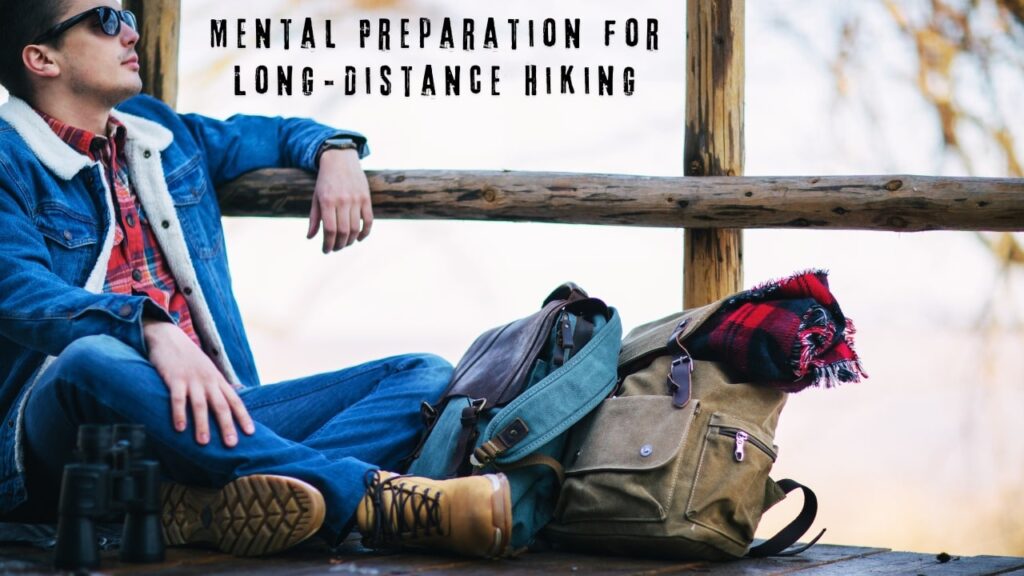
Long distance hiking challenges your patience as much as your legs. There may be rain, sore feet, poor sleep, insects, loneliness, confusing navigation, bad weather, gear problems and days when the trail feels longer than expected.
Set flexible goals
Have a route plan, but allow changes for weather, injury, fatigue and trail conditions.
Prepare for discomfort
Practise hiking in rain, heat, cold and tired moments so the real trail feels less shocking.
Use positive routines
Simple habits like morning packing order, evening foot care and daily check-ins reduce mental stress.
Stay connected safely
Share your plan with someone reliable and consider a satellite messenger on remote trails.
Gear And Equipment For Long Distance Hiking
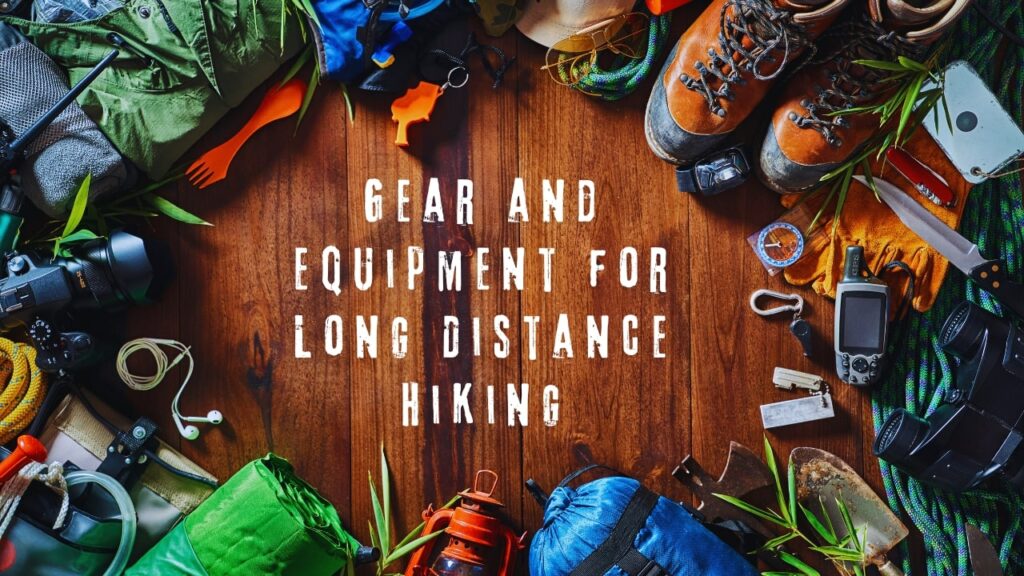
Good hiking gear should be safe, comfortable, reliable and light enough to carry. You do not need the most expensive setup, but you do need gear that fits your route, weather and body.
| Gear Area | What To Look For | Helpful Tip |
|---|---|---|
| Backpack | Comfortable hip belt, correct torso fit, enough capacity and useful pockets. | A 50–70 litre backpack may suit many multi-day trips, but fit matters more than size alone. |
| Footwear | Boots or trail runners that suit terrain and fit without rubbing. | Break them in before the trip and test socks too. |
| Sleeping system | Sleeping bag, pad and shelter suited to expected temperatures. | See also: sleeping bag warmth tips. |
| Navigation | Map, compass, route notes and offline digital backup. | Do not rely on phone signal alone. |
| Emergency gear | First aid, whistle, torch, emergency blanket and communication plan. | Remote hikes may justify a PLB or satellite communicator. |
Nutrition And Hydration For Long Distance Hiking
Long distance hiking burns a lot of energy, and under-eating can make you tired, cold, slow and mentally flat. Plan meals that are calorie-dense, lightweight, simple to prepare and enjoyable enough that you will actually eat them.
Breakfast
Oats, instant cereal, powdered milk, nut butter, dried fruit or breakfast bars.
Lunch
Tortillas, cheese, nut butter, tuna packets, jerky, wraps or no-cook meals.
Dinner
Dehydrated meals, rice, pasta, instant potatoes, soup mixes and freeze-dried vegetables.
Snacks
Nuts, trail mix, energy bars, dried fruit, chocolate, savoury snacks and electrolyte options.
Many long-distance hikers need high-energy food every day, but exact needs vary by body size, mileage, weather, pack weight and terrain. Test meals during training hikes so you know what sits well in your stomach.
For lightweight snack planning, the original post also included trail food and hiking snack ideas, which can help when building a simple high-energy food list.
Water Treatment And Hydration Planning
Do not assume every stream, lake or spring is safe to drink. Plan your water sources in advance and carry a reliable treatment method. The CDC explains that backcountry water treatment may involve filtration, disinfection or boiling depending on the risks.
- Water filter
- Purification tablets
- Boiling method
- UV purifier
- Backup tablets
- Extra bottle capacity
- Electrolytes
- Water-source notes
The original post included useful water-treatment links such as Sawyer filters, Katadyn products, Aquamira information and CDC backcountry water treatment guidance.
Health And Safety Tips For Long Distance Hiking
Safety is not about being afraid of the trail. It is about reducing preventable problems and knowing what to do when plans change.
| Risk | Prevention | Action If It Happens |
|---|---|---|
| Blisters | Test footwear, wear good socks and treat hot spots early. | Clean, protect and reduce friction before it worsens. |
| Sprains | Train balance, use trekking poles if helpful and slow down on descents. | Rest, protect the joint and decide whether to exit safely. |
| Dehydration | Carry enough water, know refill points and drink steadily. | Rest in shade, rehydrate and avoid pushing on too hard. |
| Bad weather | Check forecasts, carry layers and know shelter options. | Change plans before conditions become dangerous. |
| Wildlife | Research local animals and store food correctly. | Follow local official advice and never feed wildlife. |
| Navigation error | Carry physical map, compass and offline maps. | Stop, reassess, backtrack if needed and avoid rushing. |
For storms and lightning, the original article linked to Lightning Safety Tips. That topic is especially important on exposed ridges, open terrain and above treeline.
Packing List For Long Distance Hiking
A good packing list keeps you safe without turning your backpack into a punishment. Keep heavy items close to your back, put frequently used items where you can reach them, and remove duplicates before departure.
| Category | Items To Consider |
|---|---|
| Core gear | Backpack, shelter, sleeping bag, sleeping pad and repair items. |
| Clothing | Base layers, hiking socks, insulation layer, waterproof jacket, hat, gloves and sun protection. |
| Foot care | Blister pads, tape, spare socks, nail clippers and foot cream if you use it. |
| Cooking and food | Stove, fuel, pot, lighter, meals, snacks and food storage. |
| Water | Bottles or bladder, filter, treatment tablets and backup capacity. |
| Navigation | Map, compass, guide notes, offline maps and power bank. |
| Emergency | First aid kit, torch, whistle, emergency blanket, phone and satellite device if needed. |
| Hygiene | Toothbrush, biodegradable soap, toilet kit, trowel, hand sanitiser and rubbish bags. |
Trail Etiquette And Leave No Trace Principles

Long distance hiking should leave the trail in good condition for the next person. The Leave No Trace principles are a simple framework: plan ahead, travel and camp on durable surfaces, dispose of waste properly, leave what you find, minimise campfire impacts, respect wildlife, and be considerate of others.
- Stay on established trails where possible.
- Pack out rubbish, leftover food and hygiene waste.
- Keep campsites small and use durable surfaces.
- Do not feed wildlife.
- Keep noise low and yield courteously on the trail.
- Follow local fire restrictions and campsite rules.
Final Preparations Before Your Hike
Do your final checks a few days before the hike, not the morning you leave. That gives you time to fix broken gear, download maps, print permits, repack food and adjust your route if weather changes.
Check gear
Pitch your shelter, test your stove, charge electronics and confirm your pack fits correctly.
Confirm permits
Check trail permits, campsite bookings, hut reservations, parking rules and local regulations.
Share your route
Give a trusted person your route, expected check-ins and what to do if you miss contact.
Check weather
Review forecasts and adjust layers, water capacity or route timing before leaving.
Helpful Long Distance Hiking Videos
The original article included YouTube links. They are preserved here as responsive embedded videos so they work better on mobile and do not appear as plain text links.
Recommended Hiking Resources And Disclosure
This article contains original affiliate links from the uploaded post. ChipJourney may earn a small commission if you buy through them, at no extra cost to you. These links are included as helpful gear resources, not as a guarantee that any product is right for every hiker.
FAQ About Preparing For Long Distance Hiking
What is the most essential gear for long distance hiking?
The most essential gear includes a well-fitting backpack, suitable footwear, shelter, sleeping system, water treatment, navigation tools, first aid kit, weather layers and enough food for the route.
How do I train for a long distance hike?
Start with regular walking and shorter hikes, then gradually increase distance, hills and pack weight. Add strength training for legs and core, plus balance and flexibility work.
What should I eat during a long distance hike?
Choose lightweight, high-energy foods such as oats, tortillas, nut butter, dehydrated meals, rice, pasta, trail mix, nuts, bars, jerky and dried fruit. Test meals before the hike.
How do I stay hydrated on the trail?
Plan water sources before you start, carry enough capacity for dry sections, drink steadily and treat backcountry water using a filter, tablets, UV purifier or boiling where appropriate.
How heavy should my hiking pack be?
Pack weight depends on trip length, climate, food, water and gear. Keep it as light as safely possible and test the full weight during training hikes before the real trip.
What are Leave No Trace principles?
They are outdoor ethics guidelines that encourage hikers to plan ahead, stay on durable surfaces, pack out waste, leave nature as found, reduce campfire impact, respect wildlife and be considerate of others.
Sources And Further Reading
- National Park Service: Ten Essentials
- National Park Service: Hiking safety
- CDC: Backcountry water treatment
- American Red Cross: First aid training
- National Park Service: Bear safety
- Leave No Trace: Outdoor ethics principles
- REI: How to choose a backpack
- Recreation.gov: Permits and reservations
- ChipJourney: How Do You Survive A Storm In A Tent?
- ChipJourney: How To Prepare For A High Altitude Vacation
- ChipJourney: Best Travel Apps
Final Thoughts
Long distance hiking is not about proving how tough you are. It is about planning well, respecting the trail, knowing your limits and building the confidence to handle long days outdoors. Prepare carefully, test your gear, pace yourself and leave the trail better than you found it.