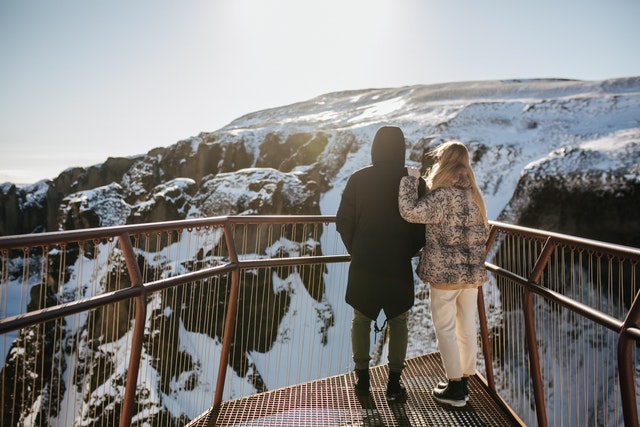
Key Takeaways
- High altitude trips need slower planning than normal holidays. The biggest risk is going too high too quickly before your body has time to acclimatise.
- Altitude illness can start with mild symptoms like headache, tiredness, dizziness, nausea, appetite loss or poor sleep. Symptoms should be taken seriously rather than pushed through.
- Gradual ascent, lighter activity at first, good hydration, sun protection and rest days can make a high altitude holiday safer and more enjoyable.
- Speak to a travel clinic or doctor before the trip if you have heart, lung, blood, pregnancy-related or long-term medical concerns.
- This rebuilt guide preserves the original featured image, inline image, Hot Tent Camping link, ads, share buttons, comments, sidebar, author credit and page layout.
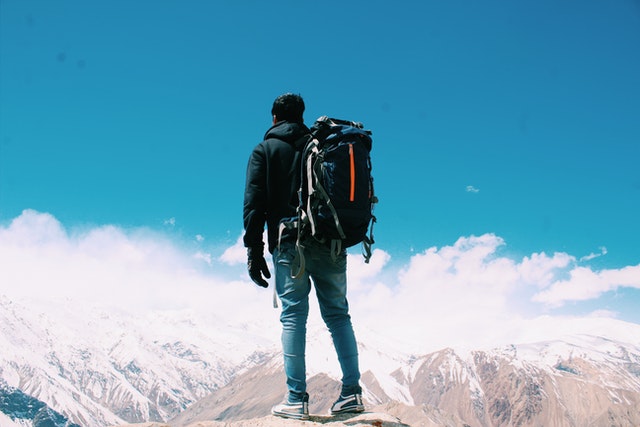
A high altitude vacation can be unforgettable: mountain scenery, crisp air, dramatic views and adventure activities that feel very different from everyday travel. But altitude changes can affect your body quickly, especially if you fly or drive from low elevation to a mountain destination in one day.
This rebuilt guide keeps the original article’s practical travel spirit while making the advice safer, clearer and more useful. It covers acclimatisation, altitude sickness symptoms, first aid, water, sun protection, food, companions, day trips, travel insurance and when to seek medical help.
Quick Answer: How Do You Prepare For A High Altitude Vacation?
Prepare for a high altitude vacation by ascending gradually when possible, avoiding heavy exercise and alcohol during the first 48 hours at altitude, drinking regularly, protecting your skin and eyes from stronger UV exposure, recognising altitude sickness symptoms early, and planning rest days. If symptoms get worse, do not continue higher; descend and seek medical help if serious symptoms develop.
What Counts As A High Altitude Vacation?
Altitude risk depends on elevation, how fast you ascend, where you sleep, how hard you exercise and your personal health. TravelHealthPro notes that altitude illness usually becomes a concern for travellers going above about 2,500 metres / 8,200 feet.
| Altitude Level | What It Means For Travellers | Planning Tip |
|---|---|---|
| Moderate altitude | You may notice more breathlessness during activity. | Take the first day easier than usual. |
| High altitude | Altitude sickness becomes more likely, especially after rapid ascent. | Build in rest, monitor symptoms and avoid rushing higher. |
| Very high altitude | More serious planning is needed, especially for trekking or remote travel. | Speak to a travel medicine professional before the trip. |
| Extreme altitude | Specialist expedition planning may be needed. | Do not treat this like a normal holiday. |
Before You Go: Know What You Are Getting Yourself Into
Research the destination before booking final plans. Check the elevation where you will sleep, how quickly you will gain height, weather, emergency access, local transport, medical facilities and whether travel insurance covers high-altitude activities.
Check sleeping elevation
Where you sleep matters because your body recovers and acclimatises overnight.
Plan rest days
A slower itinerary can be safer and more enjoyable than rushing between viewpoints.
Review your health
Talk to a doctor if you have heart, lung, blood, pregnancy-related or other medical concerns.
Know emergency options
Remote mountain destinations can make help slower to reach, so plan ahead.
Get Used To The Altitude Before You Leave
The original post correctly focused on getting used to altitude. The safest approach is gradual ascent when possible. The CDC advises avoiding direct travel from low elevation to a sleeping elevation above 9,000 feet / 2,750 metres in one day when you can plan a slower route.
If you cannot control your arrival elevation, make the first 24–48 hours easier: walk slowly, avoid heavy workouts, do not plan a hard hike immediately, and listen to symptoms rather than trying to “push through”.
Read More: Hot Tent Camping: Best Way To Camp In Winter
Altitude Sickness Symptoms To Watch For
Altitude sickness can look like an ordinary headache or tiredness at first. The NHS lists common symptoms including headache, loss of appetite, feeling or being sick, tiredness, dizziness and difficulty sleeping. If symptoms appear after ascent, treat them seriously.
| Symptom Pattern | What It May Mean | Safer Action |
|---|---|---|
| Mild headache, nausea, poor sleep, tiredness | Possible early altitude sickness. | Rest, avoid going higher, drink regularly and monitor closely. |
| Symptoms getting worse | Your body may not be adjusting. | Do not ascend higher; descend if symptoms do not improve. |
| Shortness of breath at rest, confusion, clumsiness or chest symptoms | Possible serious altitude illness. | Seek urgent medical help and descend as safely as possible. |
| Severe headache, repeated vomiting or difficulty walking | Possible severe illness. | Treat as an emergency. |
Pack A First Aid Kit
A first aid kit is still a smart idea, especially in mountain towns, hiking routes and remote places where pharmacies may be far away. Pack your usual medication, basic wound care, blister supplies, pain relief suitable for you, sunscreen, lip balm, insect repellent if needed, and copies of prescriptions.
For altitude-specific medication such as acetazolamide, speak to a travel clinic or doctor before the trip. Do not take prescription medication just because another traveller used it.
Drink Regularly, Eat Sensibly And Be Careful With Alcohol
At altitude, dry air, faster breathing and activity can make dehydration more likely. Drink regularly, but do not force extreme amounts of water. A practical aim is steady hydration, pale urine and replacing fluids after hikes or hot weather.
The CDC advises avoiding alcohol and heavy exercise for at least the first 48 hours after arriving above 8,000 feet. Simple meals can also help at first, especially if your appetite is lower than usual.
- Drink regularly
- Carry water on walks
- Eat light meals at first
- Avoid alcohol early
- Limit hard exercise
- Pack snacks
- Rest after arrival
- Do not rush higher
Wear Sunscreen And Protect Your Eyes
High altitude environments can bring stronger ultraviolet exposure, cooler air and wind that makes sunburn easier to underestimate. Use broad-spectrum sunscreen, reapply it during outdoor activity, wear sunglasses with UV protection, use lip balm with sun protection and consider a hat or neck cover.
The original post recommended strong sunscreen. That is sensible for mountain travel, but remember sunscreen is only one layer of protection. Shade, clothing, sunglasses and timing outdoor activities can all help.
Travel Companions, Local Food And Acclimatisation Day Trips
A travel companion can be helpful because altitude symptoms are sometimes easier for another person to notice. If you travel with someone who has altitude experience, they may also help you pace the trip more sensibly.
Try local food slowly
Enjoy the cuisine, but do not overload your stomach on the first day if you feel tired or nauseous.
Take easy day trips
A common strategy is to visit a higher place during the day and sleep lower, when the itinerary allows.
Avoid solo remote hikes early
Give your body time to adjust before doing strenuous or isolated routes.
Tell someone your plan
Share your route and return time if you go hiking, especially in mountain areas.
When To Get Medical Help
Get medical advice if symptoms do not improve with rest or if you feel worse after ascent. Seek urgent help for shortness of breath at rest, chest tightness or pain, confusion, clumsiness, severe weakness, difficulty walking, repeated vomiting, blue lips, coughing pink frothy fluid, or reduced consciousness.
Altitude illness can become serious. Descending to a lower elevation is often the key safety step when symptoms worsen, but it must be done as safely as conditions allow.
Travel Insurance And High Altitude Planning
Before booking mountain treks, skiing, climbing, remote tours or high-altitude excursions, check whether your travel insurance covers the elevation, activity, rescue costs and medical evacuation. GOV.UK also advises checking foreign travel advice before overseas trips.
Some standard travel insurance policies exclude certain adventure activities or high-altitude routes, so read the policy wording before paying for the trip.
High Altitude Packing Checklist
| Item | Why It Helps |
|---|---|
| Layered clothing | Mountain weather can change quickly, even in sunny places. |
| Sunscreen and sunglasses | UV exposure can be stronger at higher elevations. |
| Water bottle | Helps you drink regularly during travel days and walks. |
| Snacks | Useful if appetite changes or restaurants are far away. |
| First aid kit | Helps with minor injuries, blisters and basic comfort needs. |
| Medication list | Useful for clinics, travel companions and emergencies. |
| Travel insurance details | Keep policy numbers and emergency contact details accessible. |
| Offline maps | Mountain areas can have unreliable signal. |
FAQ About Preparing For A High Altitude Vacation
How do I prepare my body for high altitude?
Plan a gradual ascent, avoid heavy activity at first, rest after arrival, drink regularly and learn the symptoms of altitude sickness before you go. If you have medical concerns, speak to a doctor or travel clinic.
What altitude causes altitude sickness?
Altitude sickness becomes more common after rapid travel to higher elevations, especially above about 2,500 metres / 8,200 feet. Some people are more sensitive than others.
What should I avoid when I first arrive at altitude?
Avoid heavy exercise, alcohol and rushing higher during the first couple of days. Keep the first day easy if you have arrived from a much lower elevation.
Can drinking water prevent altitude sickness?
Hydration is important, but water alone does not guarantee protection from altitude sickness. Gradual ascent and not going higher when symptoms develop are more important safety steps.
Is sunscreen more important at altitude?
Yes, sun protection is very important at altitude because UV exposure can be stronger and cooler air can make sunburn easier to underestimate.
When should I descend from altitude?
Do not continue higher if symptoms of altitude sickness develop. Descend and seek medical help if symptoms worsen, become severe, or include breathlessness at rest, confusion, poor coordination or chest symptoms.
Sources And Further Reading
- CDC Yellow Book: High-altitude travel and altitude illness
- CDC Travellers’ Health: Travel to high altitudes
- NHS: Altitude sickness
- TravelHealthPro: Altitude illness
- Cleveland Clinic: Altitude sickness symptoms and emergency signs
- GOV.UK: Foreign travel advice
- MoneyHelper: Travel insurance policy guide
- ChipJourney: Hot Tent Camping In Winter
- ChipJourney: Best Travel Apps
- ChipJourney: How To Make The Family Holiday More Affordable
Final Safety Note
This article is general travel information, not medical diagnosis or emergency advice. High altitude symptoms can become serious, especially if ignored. If you are unwell at altitude, stop ascending, rest, descend if symptoms worsen, and seek professional medical help.
- Written By Boyan Minchev