Key Takeaways
- The best wilderness backpack is not just the lightest pack. It should be light enough to carry comfortably, but durable enough for your route, weather and load.
- Fit matters more than brand. Torso length, hip belt fit, shoulder strap shape and load lifters can decide whether a pack feels comfortable after several miles.
- Capacity should match your trip length and gear bulk. Many backpacking packs sit around the 45L to 80L range, but your exact size depends on season, shelter, food and safety gear.
- Test the pack with realistic weight before buying. A pack can feel perfect empty and uncomfortable once loaded.
- Durability comes from fabric, stitching, zippers, frame design and reinforced stress points, not only from a heavier total pack weight.
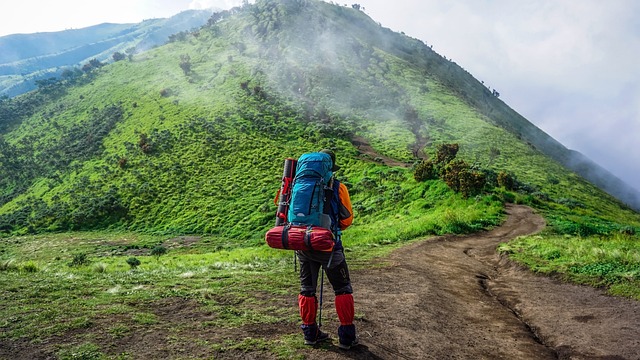
Choosing a lightweight and durable backpack for wilderness backpacking is a balancing act. Go too light, and the pack may lack support or wear out quickly. Go too heavy, and every mile becomes harder than it needs to be.
The original article gave the right basic idea: consider weight, durability, fit, straps, hip belt and reviews. This rebuilt guide expands that into a practical backpack-buying system so readers can choose the right pack for real wilderness conditions, not just for a product photo.
Quick Answer: How Do You Choose a Lightweight and Durable Backpack?
Choose a backpack by matching the pack capacity to your trip length, measuring your torso and hip size, testing the pack with realistic weight, and checking the frame, hip belt, fabric, zippers and reinforced stress points. For wilderness backpacking, avoid choosing only by low weight; the pack must also support your load comfortably and survive rough weather, abrasion and repeated use.
In This Guide
- Quick Backpack Size Selector
- Backpack Capacity Guide
- Fit: Torso, Hip Belt and Shoulder Straps
- Lightweight vs Durable: The Real Trade-Off
- Materials, Zippers and Reinforcement
- Frame and Load Support
- How to Test a Backpack Before Buying
- Useful Features for Wilderness Backpacking
- Backpack Buying Checklist
- FAQ
Quick Backpack Size Selector
Use this simple selector as a starting point. It does not replace proper fitting, but it helps narrow down the backpack size range before shopping.
Example result: A normal 2–3 night backpacking trip usually points towards roughly 50L to 60L, depending on gear size and food volume.
Backpack Capacity Guide
Backpack capacity is measured in litres. Smaller packs force discipline, while larger packs make it easier to overpack. For wilderness backpacking, the right size should fit your shelter, sleep system, food, water, clothing and safety gear without needing to hang half your kit outside the pack.
| Pack Size | Best For | Typical Use | Watch Out For |
|---|---|---|---|
| 20L to 35L | Day hikes and very light overnights | Water, layers, food, first aid and essentials | Usually too small for normal wilderness backpacking. |
| 35L to 50L | Minimalist overnight trips | Warm-weather trips with compact gear | Can be tight if you carry bulky sleeping gear or extra food. |
| 50L to 65L | Most weekend backpacking trips | 2–4 nights with normal gear | Easy to overpack if the pack has too much unused room. |
| 65L to 80L | Longer trips and colder conditions | More food, layers, bear canister or winter bulk | Needs a good frame and hip belt because loads can get heavy. |
| 80L+ | Expeditions or specialist gear loads | Extended wilderness routes, group gear or winter systems | Usually unnecessary for normal beginners and encourages overpacking. |
Fit: Torso, Hip Belt and Shoulder Straps
A backpack should be fitted to your body, not only to your height. Torso length is one of the most important measurements because it affects where the shoulder straps, hip belt and load lifters sit.
Torso Length
Measure from the bony bump at the base of your neck to the point level with the top of your hip bones. Many backpacking packs come in torso sizes or adjustable torso ranges.
Hip Belt Fit
The hip belt should wrap comfortably around your iliac crest so your hips carry much of the load instead of your shoulders.
Shoulder Straps
Shoulder straps should contour smoothly without pinching your neck, leaving gaps, or pulling the pack too far backwards.
Load Lifters
Load lifter straps help pull the top of the pack closer to your body, improving balance on rough trails.
Lightweight vs Durable: The Real Trade-Off
A lighter pack can make hiking easier, but the pack still needs to carry your expected load. Some ultralight packs are excellent when the rest of your gear is also light and compact. They may feel uncomfortable if you load them with heavy food, water, bulky sleeping gear or group equipment.
For wilderness backpacking, durability matters because the pack may brush against rock, trees, rough ground, weather and repeated packing. Instead of choosing the lightest possible pack, choose the lightest pack that still supports your real load and route conditions.
Simple Rule
If your total packed weight is still heavy, do not choose a frameless ultralight pack just because the empty pack weight looks attractive. Comfort under load matters more than the number on the product page.
Materials, Zippers and Reinforcement
The original article correctly warned against weak attachment points and flimsy structures. Look beyond the headline fabric name and inspect the whole construction.
- Fabric: nylon and polyester are common backpack fabrics. Higher-denier fabrics are usually tougher but often heavier.
- Bottom panel: the pack bottom should be reinforced because it gets dropped on dirt, rock and camp surfaces.
- Zippers: large, smooth, reliable zippers are better than tiny zippers on high-stress compartments.
- Stitching: check seams around shoulder straps, hip belt, haul loop and compression straps.
- Attachment points: trekking pole loops, ice axe loops and strap anchors should feel secure, not decorative.
Frame and Load Support
A pack frame transfers weight to your hips and helps the pack stay stable. For short lightweight trips, a minimal frame may be enough. For longer wilderness trips, a supportive internal frame is usually more comfortable.
| Frame Type | Best For | Pros | Cons |
|---|---|---|---|
| Frameless | Very light loads and experienced ultralight backpackers | Low weight, simple design | Less comfortable with heavier loads. |
| Internal frame | Most wilderness backpacking | Good support, stable carry, common modern design | Usually heavier than frameless packs. |
| External frame | Heavy loads and some specialist uses | Strong load support and ventilation | Bulkier and less common for modern trail hiking. |
How to Test a Backpack Before Buying
Try the backpack with the weight you expect to carry, not empty. A proper test should feel boringly comfortable; you should not be fighting the pack after five minutes.
- Add realistic weight using sandbags, gear or shop weights.
- Adjust the hip belt first so it sits around your hips, not your stomach.
- Tighten shoulder straps gently without pulling all the weight onto your shoulders.
- Set the load lifters so the pack feels close and balanced.
- Walk, bend and climb stairs to test movement and stability.
- Check pressure points on shoulders, lower back, hips and collarbone.
Useful Features for Wilderness Backpacking
Features can help, but too many pockets and straps can add weight. Choose the ones that match the way you hike.
Rain Protection
A pack cover, waterproof liner or dry bags can protect your sleeping bag and clothing in wet weather.
Accessible Pockets
Hip belt pockets, side pockets and a front stretch pocket are useful for snacks, maps, water and layers.
Compression Straps
Compression straps stop a partly loaded pack from wobbling and help keep weight close to your back.
Hydration Compatibility
A hydration sleeve can be useful, but side water bottle access is often simpler and easier to refill.
Backpack Buying Checklist
- Measure torso length before choosing a size.
- Check hip belt size and comfort with weight inside the pack.
- Choose capacity based on trip length, season, food and gear bulk.
- Test the pack with the load you expect to carry.
- Inspect stitching, zippers, fabric, bottom panel and strap anchors.
- Make sure the frame supports your expected total pack weight.
- Check water bottle access and pocket layout while wearing the pack.
- Avoid buying only because the pack is discounted or highly reviewed.
Final Recommendation
For most beginners planning wilderness backpacking, a well-fitted internal-frame pack in the 50L to 65L range is the safest starting point. Go smaller only if your gear is already compact and lightweight. Go larger only if you truly need extra food, winter gear, a bear canister or group equipment.
Summary: Choose the Pack That Carries Well, Not Just the One That Looks Light
The best lightweight and durable backpack is the one that fits your body, carries your real load comfortably and holds up to your route. Focus on torso fit, hip belt support, frame strength, useful capacity and reinforced construction before worrying about colour or brand.
A backpack is not just a bag. In wilderness conditions, it is the system that carries your shelter, warmth, food, water, safety gear and comfort. Choose carefully, test it loaded, and your future miles will feel much better.
FAQ
What size backpack is best for wilderness backpacking?
For many beginners, a 50L to 65L backpack is a practical starting range for weekend and short multi-day wilderness trips. Smaller packs work for ultralight setups, while larger packs may be needed for winter, long food carries or bulky gear.
Is a lightweight backpack less durable?
Not always. Some lightweight backpacks use strong modern fabrics, but very light packs may have less padding, structure or abrasion resistance. Match the pack to your load and terrain rather than choosing only by weight.
How should a backpack fit?
The hip belt should sit comfortably around the top of your hips, shoulder straps should contour without pinching, and the pack should match your torso length. Test the fit with realistic weight inside.
Do I need a framed backpack for backpacking?
Most wilderness backpackers benefit from an internal-frame pack because it transfers weight to the hips and stabilises the load. Frameless packs are better for experienced ultralight hikers carrying very low total weight.
What fabric is best for a backpacking pack?
Nylon and polyester are common backpack fabrics. Higher-denier fabrics are often more abrasion-resistant but heavier. Also check reinforcement, stitching and zippers because fabric alone does not determine durability.
Should I buy a backpack online or try it in store?
Trying in store is ideal because fit matters so much. If buying online, measure your torso and hips carefully, check the return policy and test the pack at home with realistic weight before keeping it.
Sources and Further Reading
- REI: How to Choose a Backpack
- REI: Backpack Fit and Torso Size Guide
- National Park Service: The Ten Essentials
- Leave No Trace: Plan Ahead and Prepare
- ChipJourney: Necessary Hiking Gear You Need to Bring
- ChipJourney: Good Headlamp for Hiking and Camping
- ChipJourney: Best Scout Camping Gadgets
- ChipJourney: What Kind of Pillow Should I Use for Camping?
Affiliate Disclosure
Some links on ChipJourney may be affiliate links. If you buy through a qualifying link, we may earn a small commission at no extra cost to you. This helps support the site and keeps our camping and travel guides free to read.