Key Takeaways
- Train travel can be comfortable and scenic, but it is not always the easiest option. Limited routes, station transfers and slower long-distance journeys can make trains less practical than flights, buses or driving.
- Cost is one of the biggest disadvantages of travelling by train. High-speed trains, last-minute tickets, seat reservations and peak-time routes can become expensive.
- Delays and cancellations can affect connections. A short delay is more stressful when you need to change trains or reach a final destination at a fixed time.
- Crowds, noise and limited luggage space can reduce comfort. Busy commuter times and holiday routes are often less relaxing than people expect.
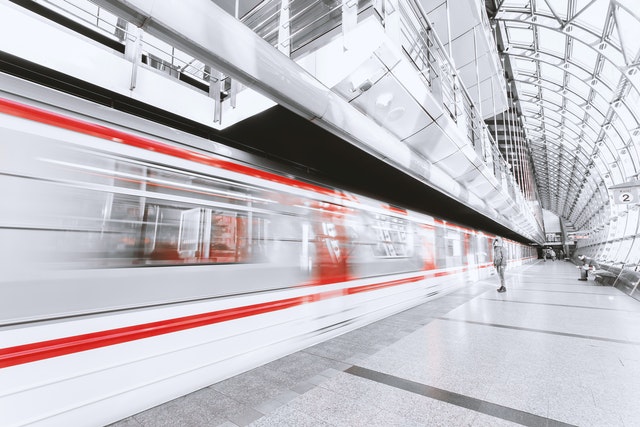
- Some stations are inconvenient or uncomfortable. Poor lighting, weak connections to local transport, limited facilities or confusing layouts can make arrival harder.
- Good planning reduces most train travel problems. Book early, travel light, allow connection time, check station facilities and keep valuables close.
Train travel is one of the best ways to see a country at a slower pace. You can watch landscapes change, avoid long airport security queues on some routes, arrive closer to city centres and enjoy a journey that feels more connected to the places you pass through.
Still, it is not perfect. The disadvantages of train travel matter when you are planning a trip with luggage, children, tight connections, limited time or a strict budget. This rebuilt guide explains the main drawbacks clearly so you can decide when the train makes sense and when another option may be better.
Quick Answer: What Are the Disadvantages of Travelling by Train?
The main disadvantages of travelling by train are limited route coverage, high prices on some routes, crowded seating, noisy passengers, delays, cancellations, stressful connections, luggage storage problems, less privacy and stations that may be far from your final destination or poorly connected to local transport. Train travel can still be excellent, but it works best when the route is direct, the price is fair and you have enough time in your schedule.
In This Guide
- Limited Reach and Route Problems
- Train Travel Can Be Expensive
- Crowded Carriages and Limited Privacy
- Delays, Cancellations and Missed Connections
- Multi-Leg Journeys Can Be Stressful
- Noise and Sleep Problems
- Uncomfortable or Inconvenient Stations
- Luggage Can Be Harder Than Expected
- Train Travel Disadvantages Table
- How to Reduce Train Travel Problems
- Common Train Travel Mistakes
- FAQ
- Sources and Further Reading
Limited Reach and Route Problems
One of the biggest disadvantages of train travel is that trains cannot take you everywhere. Some routes are excellent between major cities, but rural areas, islands, mountains and remote regions may have limited rail service or no rail service at all.
This becomes a problem when the train station is far from your real destination. You might still need a bus, taxi, rental car, ferry or long walk after arriving, which adds time and cost.
When It Matters Most
Remote destinations, rural holidays, national parks, islands, beach towns, late-night arrivals and places with weak local transport.
How to Plan Around It
Check the whole door-to-door route, not only the train journey. Include transfers, waiting time, luggage handling and local transport.
Train Travel Can Be Expensive
Train travel is not always the cheapest option. On some routes, especially high-speed services or last-minute bookings, trains can cost more than buses or even flights. Seat reservations, sleeper cabins, luggage extras or station transfers can also add to the total.
The smart comparison is not “train ticket vs plane ticket”. It is the full journey cost. A cheaper flight may require airport transfers and baggage fees, while a train may arrive in the city centre. In other cases, a bus may be much cheaper if you are willing to travel more slowly.
Cost Check Before Booking
- train ticket price;
- seat reservation fee;
- sleeper or cabin supplement;
- station transfer costs;
- luggage limits or storage costs;
- refund and change fees;
- local transport after arrival.
Crowded Carriages and Limited Privacy
Another common disadvantage of travelling by train is the lack of privacy. On busy services, you may sit close to strangers for hours, share tables, stand in aisles or struggle to find space for your bag.
If you have ever taken a long-haul flight, you already know how uncomfortable close quarters can feel after several hours. Trains can be easier because you can sometimes move around, but crowded carriages still make the journey tiring.
Worst Times for Crowds
Commuter hours, school holidays, Friday evenings, Sunday returns, public holidays and major event days.
What Helps
Reserve a seat, avoid peak times, travel light, board early and choose quieter carriages where available.
Delays, Cancellations and Missed Connections
Train delays can happen because of weather, track problems, signal failures, staff shortages, engineering work, strikes, overcrowding or incidents on the line. A short delay may not matter on a relaxed trip, but it can become a serious problem if you have a connection, hotel check-in deadline, ferry, tour or flight after the train.
The original article mentioned performance comparisons and linked to the U.S. Department of Transportation. For modern travel planning, the key lesson is simple: check current service updates from the rail operator before you travel and leave extra connection time.
Multi-Leg Journeys Can Be Stressful
Many train journeys are simple when they are direct. The problems often begin when a trip needs several changes. Moving between platforms, finding the right carriage, handling luggage, understanding announcements and dealing with delays can be stressful, especially in a language you do not speak.
Multi-leg train trips can still be worth it, especially in Europe or scenic regions, but they require more planning than a single direct route.
Connection Planning Rule
For unfamiliar stations, international routes, large luggage or children, allow more connection time than the minimum shown by booking apps.
Noise and Sleep Problems
Trains can be noisy. Conversations, phone calls, music leaking from headphones, children running around, announcements, doors opening, braking sounds and overnight carriage movement can all disturb rest.
This matters most on long journeys, night trains and early departures. If sleep is important, consider a quiet carriage where available, earplugs, noise-reducing headphones, a sleep mask and a seat or cabin that fits your budget.
Uncomfortable or Inconvenient Stations
Some train stations are beautiful and well-connected. Others are poorly lit, confusing, crowded, short on seating, lacking food options or difficult to connect from late at night. This can make train travel feel less comfortable, especially for solo travellers, families or people with mobility needs.
Station Issues to Check
Opening hours, toilets, lifts, step-free access, food options, waiting areas, lighting, local transport and taxi availability.
Safety Tip
For late arrivals, plan the route from the station to your accommodation before the trip and save it offline.
Luggage Can Be Harder Than Expected
Train luggage sounds easy because you often avoid airport-style checked baggage. In reality, luggage can be difficult if you have heavy bags, stairs, narrow aisles, crowded racks or multiple changes.
Bags may be stored out of sight, which can make travellers nervous about theft. Heavy suitcases can also be hard to lift onto racks or move quickly between platforms.
- travel with a bag you can lift yourself;
- keep valuables in a small bag at your seat;
- label your luggage clearly;
- avoid leaving passports, wallets or electronics in overhead racks;
- use a smaller suitcase or backpack for multi-leg routes;
- check baggage rules before booking sleeper trains or long-distance services.
Train Travel Disadvantages Table
Use this quick table to decide whether train travel is right for your route.
| Disadvantage | Why It Matters | How to Reduce the Problem |
|---|---|---|
| Limited routes | Trains may not reach your final destination. | Check door-to-door transport before booking. |
| High prices | Some trains cost more than buses or flights. | Book early and compare total journey cost. |
| Crowds | Busy carriages reduce comfort and privacy. | Avoid peak times and reserve seats where possible. |
| Delays | Missed connections can affect the whole trip. | Leave buffer time and check service updates. |
| Noise | Sleep and relaxation can be harder. | Use quiet carriages, earplugs or headphones. |
| Luggage problems | Heavy bags are difficult on stairs and platforms. | Travel light and keep valuables close. |
| Station issues | Some stations are uncomfortable or poorly connected. | Research facilities and onward transport. |
How to Reduce Train Travel Problems
Before Booking
- compare train, bus, car and flight options;
- check total door-to-door time;
- look at refund and change rules;
- review station locations;
- check whether seat reservations are needed.
Before Departure
- download tickets and maps;
- check service updates;
- pack lighter than you think;
- keep valuables close;
- arrive early for unfamiliar stations.
Common Train Travel Mistakes
- Only comparing ticket prices. Always include station transfers, luggage needs and connection time.
- Booking very tight connections. Delays and large stations can make short changes stressful.
- Packing too much luggage. You may need to lift bags, climb stairs or move quickly between platforms.
- Ignoring station location. Some stations are not close to the area where you actually want to stay.
- Assuming every train has the same comfort level. Regional trains, high-speed trains and sleeper trains vary widely.
- Not checking service disruptions. Engineering work, strikes and cancellations can change the route.
- Leaving valuables unattended. Keep passports, wallets, phones and electronics close to you.
Conclusion: Train Travel Is Great, But Not Always Best
The disadvantages of travelling by train do not mean trains are a bad choice. Train travel can be scenic, relaxing and practical, especially between well-connected cities. But it also has real drawbacks: limited reach, cost, crowds, noise, delays, station issues and luggage challenges.
The best decision depends on the route. If the train is direct, fairly priced and close to your final destination, it can be excellent. If the journey needs several transfers, heavy luggage, awkward stations or tight timing, compare flights, buses, coaches or driving before buying your ticket.
FAQ
What are the main disadvantages of travelling by train?
The main disadvantages of travelling by train include limited routes, higher prices on some journeys, delays, cancellations, crowded carriages, noisy passengers, station safety concerns, luggage handling problems and the stress of multi-leg journeys.
Is train travel always cheaper than flying?
No. Train travel can be cheaper on some short or regional routes, but high-speed trains, last-minute tickets and popular travel times can cost more than flights or buses. Always compare the full journey cost.
Why can train travel be inconvenient?
Train travel can be inconvenient when the station is far from your final destination, the route requires several changes, luggage space is limited, the train is crowded or delays affect connections.
Are trains good for long journeys?
Trains can be comfortable for scenic or relaxed long journeys, but they may be slower than flying and can become tiring if the route is crowded, noisy, indirect or requires many changes.
What problems can happen with luggage on trains?
Luggage on trains can be difficult to lift, store or watch, especially on busy services. Bags may also be damaged, misplaced or vulnerable to theft if left unattended.
How can I reduce the disadvantages of train travel?
Book early, compare routes, avoid peak times, reserve seats when possible, travel light, keep valuables close, allow connection time, check station facilities and download tickets and route information offline.
When is train travel better than flying?
Train travel can be better than flying when city-centre stations save transfer time, security is simpler, the route is scenic, luggage rules are easier and the total door-to-door journey is more relaxed.
Sources and Further Reading
- U.S. Department of Transportation
- Amtrak: Baggage Policy
- European Union: Rail Passenger Rights
- National Rail: Help and Support
- How To Find Cheap Train Tickets?
- Fastest Trains In Europe
- 5 Cheapest Ways To Travel To London
- The Ultimate Guide To Sound That Puts You To Sleep Instantly
- Fast-Track Your Tour Planning
Affiliate Disclosure: This article may contain affiliate links, train ticket links, travel booking links or travel planning resources. If you book or buy through one of these links, ChipJourney may earn a small commission at no extra cost to you.