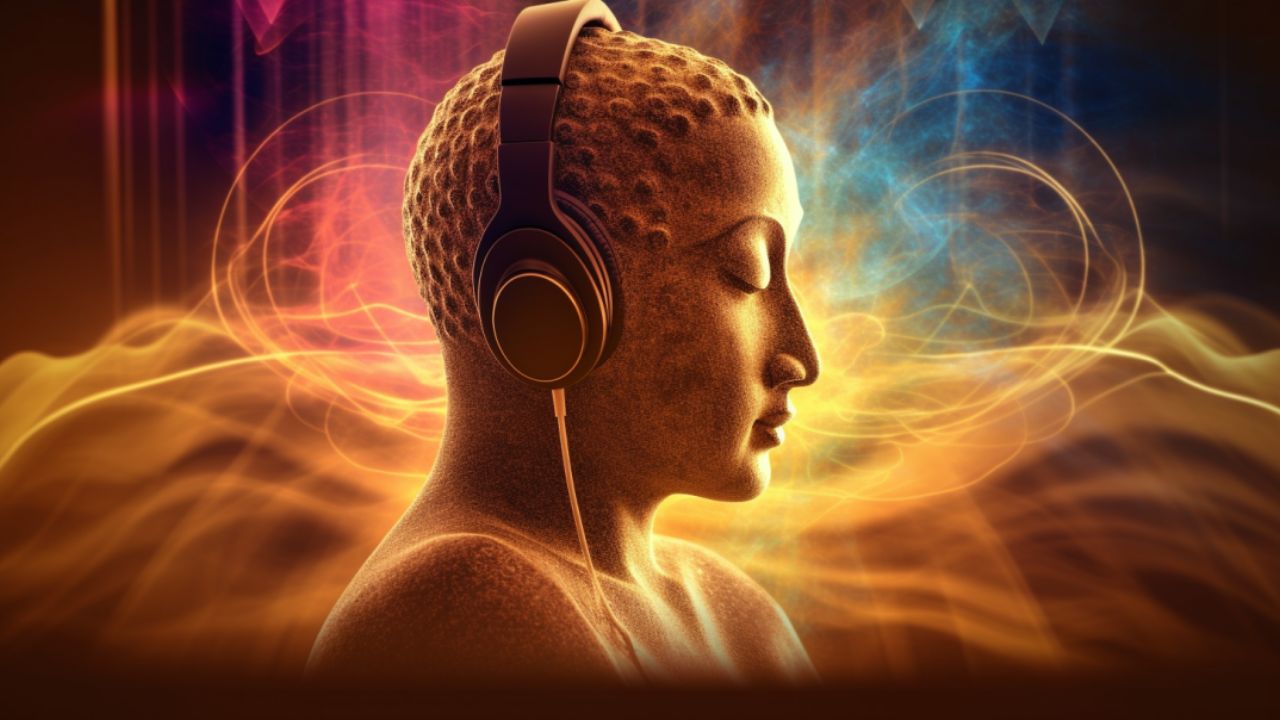
- No sound can honestly guarantee instant sleep for every person, but the right background audio can make it easier to relax and stop noticing small distractions.
- White noise, pink noise, rain, ocean waves, instrumental music, binaural beats and guided meditation are among the most useful sleep-sound options to test.
- Low volume matters. Sleep sounds should sit gently in the background, not blast through headphones or keep your brain alert.
- The best results come from a full bedtime routine: dim lights, reduce screens, use a timer, breathe slowly and repeat the same wind-down pattern most nights.
- Sleep sounds are wellness support, not medical treatment. Ongoing insomnia, breathing issues, anxiety, panic or daytime exhaustion deserves proper professional advice.
The best sound for falling asleep fast is usually a steady, low-volume sound that masks distractions without demanding attention. White noise, pink noise, rain, ocean waves, underwater ambience, soft instrumental music and guided meditation can all help, but no single sound works instantly for everyone. Try each sound for a few nights with the same bedtime routine before deciding what works for you.
In This Guide
If you are searching for a sound that puts you to sleep instantly, the honest answer is this: different sounds work for different people. Some sleepers relax with white noise because it masks distractions. Others prefer pink noise, rain, ocean waves, underwater ambience, soft instrumental music or guided meditation because those sounds feel calmer and more natural.
The aim is not to force your body to sleep on command. The aim is to create a peaceful environment where your mind stops chasing every little noise, your breathing slows down and your bedtime routine becomes easier to repeat. This guide organises the best sleep-sound options into a practical routine you can test without overcomplicating bedtime.
Find the Best Sleep Sound for Tonight
Choose what usually keeps you awake, then use the result as a quick setup suggestion.
How Sound Can Help Sleep
Sound can affect sleep because your brain does not completely switch off when you go to bed. Sudden noises, a silent room that makes every small sound obvious, or a racing mind can all make it harder to drift off. A steady sleep sound gives your brain a gentle background layer and can make other noises feel less sharp.
That is why many people use fans, white-noise machines, rain tracks, beach waves, ambient music or meditation audio. The sound becomes a cue: the day is over, the room is calm and your attention can stop jumping from thought to thought.
Best Sounds to Help You Fall Asleep
The best sleep sound is personal. Instead of looking for one perfect track, test several sound types and notice which one makes your body feel calmer, not more stimulated.
White noise
Best when you need strong sound masking. It can help cover traffic, neighbours, hallway noise or a noisy environment.
Pink noise
Best when white noise feels too sharp. Pink noise often sounds smoother and more balanced because lower frequencies feel more present.
Nature sounds
Best for people who relax with rain, ocean waves, wind, forest sounds, birdsong or water movement.
Binaural beats
Best for listeners who enjoy headphone-based meditative audio. Keep it gentle and stop if it feels uncomfortable.
Instrumental music
Best for winding down, reading, gentle stretching or journaling before bed. Avoid music that is too emotional or energetic.
Guided meditation
Best when thoughts are racing. A calm voice can guide your breathing and give your mind something simple to follow.
Sleep Sound Comparison Table
Use this table to choose the best sound based on your bedroom, your mood and your sleep problem.
| Sound type | Best for | Possible downside |
|---|---|---|
| White noise | Masking traffic, neighbours, street noise or sudden sounds. | Can feel harsh if the volume is too high. |
| Pink noise | A softer, more balanced sleep background. | May not mask loud noise as strongly as white noise. |
| Rain sounds | Cosy relaxation, reading, light sleep and evening routines. | Heavy rain or thunder can be distracting for some people. |
| Ocean waves | Natural rhythm, beach-style relaxation and mental escape. | Wave crashes may be too sudden if the recording is intense. |
| Binaural beats | Headphone-based meditation, focus and relaxation sessions. | Not ideal if headphones feel uncomfortable before bed. |
| Guided meditation | Busy thoughts, stress, anxiety and body-scan routines. | A voice can keep some people awake instead of relaxing them. |
A Simple Sleep Sound Routine
Sleep sounds work best when they are part of a repeatable routine. Try this for one week before deciding whether it helps.
| Step | What to do | Why it helps |
|---|---|---|
| 1. Choose one sound | Pick one track before bed and avoid switching videos once you are settled. | Reduces decision-making and late-night scrolling. |
| 2. Set low volume | Play the sound just loud enough to soften background noise. | Keeps the sound calming instead of stimulating. |
| 3. Use a timer | Try 30, 60 or 90 minutes, especially if using headphones. | Prevents unnecessary all-night listening. |
| 4. Dim the room | Lower lights and screens before bed. | Supports a clearer bedtime signal. |
| 5. Breathe slowly | Try inhaling for four counts and exhaling for six counts. | Pairs the sound with a calming body cue. |
Sleep Sound Video Library
Use these videos to test different types of sleep sounds directly on the page. Start with one style for a few nights instead of jumping between tracks.
White Noise for Sleep
A steady white-noise style track that can help mask traffic, neighbours, and sudden background sounds.
Pink Noise for Sleep
A softer noise-colour option that many listeners find more natural than plain white noise.
Nature Sounds for Sleep
A nature-sound option for readers who prefer water, wind, birds, forest ambience, or calm outdoor sounds.
Binaural Beats for Relaxation
A headphone-based option for listeners who enjoy meditative soundscapes and gentle frequency-style audio.
Instrumental Music for Relaxation
A music-based option for winding down, journaling, reading, stretching, or preparing for bed.
Guided Meditation for Sleep
A spoken relaxation option that can help when your mind is busy and you want a simple voice-led routine.
More Relaxing Sleep Sound Videos
These extra options are useful if you prefer underwater ambience or meditative ambient music rather than standard noise colours.
Underwater Ambience for Deep Relaxation
An immersive ocean-style soundscape for people who enjoy slow aquatic ambience.
Meditative Ambient Music
A calm ambient music option for mindfulness, relaxation, and evening routines.
Safe Listening Tips
A sleep sound should make bedtime feel calmer. If it feels irritating, too loud, too emotional or too interesting, it is not the right track for sleep.
Keep volume low
The sound should sit behind your thoughts. If it dominates the room, lower it.
Use a sleep timer
A timer can stop the track after 30, 60 or 90 minutes so it does not run all night.
Avoid tight headphones
Speakers are often more comfortable for sleep. If earbuds create pressure or irritation, stop using them.
Choose steady sounds
Avoid tracks with sudden thunder, loud effects, dramatic voices or sharp changes before bed.
Recommended Sleep and Sound Resources
These sponsored resources may interest readers exploring sleep support and sound-based relaxation. Use them as optional tools alongside healthy sleep habits and realistic expectations.
Sleep Performance Formula
A sponsored sleep-support resource for readers exploring better rest routines. Use it as optional reading, not as a replacement for healthy sleep habits or medical advice.
Soothing Sound Sleep Resource
A sponsored resource for readers exploring sound-based sleep support and relaxation audio.
FAQ About Sounds That Help You Sleep
What sound helps you fall asleep fastest?
There is no guaranteed sound that works instantly for everyone. White noise, pink noise, rain, ocean waves, gentle instrumental music, and guided meditation can help many people relax by masking distractions and creating a steady bedtime environment.
Is white noise or pink noise better for sleep?
It depends on the listener. White noise is steady and useful for masking background sounds, while pink noise often feels softer and more natural because it has more low-frequency emphasis.
Should I sleep with headphones on?
Speakers are usually more comfortable for sleep. If you use headphones or earbuds, keep the volume low, avoid tight pressure, and consider using a timer rather than wearing them all night.
Can binaural beats put you to sleep?
Binaural beats may help some people relax, but they are not a guaranteed sleep treatment. They usually require headphones and should be used at a comfortable volume.
What should I do if sleep sounds do not help?
If sleep problems continue, improve your wider sleep routine and speak with a qualified health professional, especially if insomnia, anxiety, breathing problems, or daytime exhaustion are ongoing.
Can sleep sounds replace medical help for insomnia?
No. Sleep sounds are supportive wellness tools, not medical treatment. Ongoing or severe insomnia, breathing problems during sleep, panic, anxiety, or daytime exhaustion should be discussed with a qualified professional.
- CDC: About Sleep
- CDC: Sleep in Adults
- NHLBI: Healthy Sleep Habits
- Sleep Foundation: White Noise and Sleep
- Sleep Foundation: Noise and Sleep
- NCCIH: Meditation and Mindfulness
- NIDCD: Noise-Induced Hearing Loss
- 10 Hours Relaxing Full Beach Waves Sound for Sleep
- Underwater Ambience Sounds for Sleep and Relaxation
- Calm Rainy Night: Rain Sounds for Peaceful Sleep
- How Meditation Sleeping Sounds Can Help You Sleep Better
- Binaural Beats Focus Music for Studying
Affiliate disclosure: ChipJourney may earn a small commission from qualifying purchases through affiliate links in this guide, at no extra cost to you.