Key Takeaways
- Good travel starts before you leave home. Research entry rules, local customs, weather, transport, safety, health needs and basic costs before booking too much.
- Flexibility reduces stress. Delays, closures, weather and missed connections happen, so leave room in your itinerary instead of planning every minute.
- Carry small cash, but do not carry everything together. Keep low denominations for small purchases and emergencies, while storing backup cards and money separately.
- A travel health bag is not optional for longer trips. Medication, first-aid basics, prescriptions and personal health items can save time and stress abroad.
- Scan important documents before travelling. Secure digital copies make it easier to replace or prove information if something is lost or stolen.
- Pack light, but not carelessly. Bring versatile layers, comfortable shoes, chargers, adapters and essentials you will actually use.
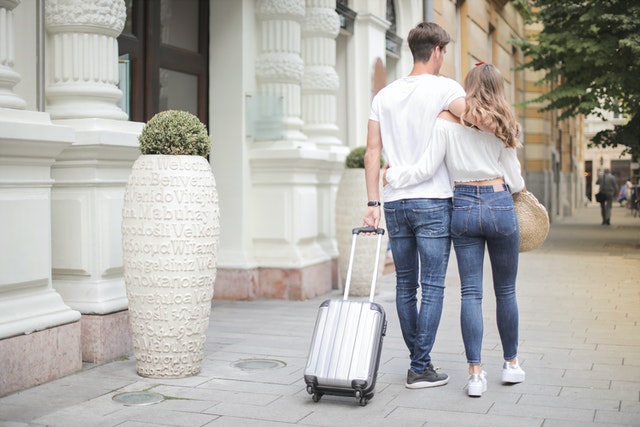
Travelling is one of the most rewarding experiences in life. It can open your mind to new cultures, food, landscapes and ways of living. But even a beautiful trip can become stressful when you forget documents, overpack, carry no cash, ignore local customs or leave every decision until the last minute.
This guide rebuilds the original article into a practical, SEO-friendly list of must-know travel tips for beginners and regular travellers. The goal is simple: help you travel smarter, safer and with fewer avoidable problems.
Quick Answer: What Travel Tips Are a Must-Know?
The most important travel tips are to research your destination, stay flexible, carry small cash, pack a travel health bag, scan important documents, pack light but smart, bring the right chargers and adapters, understand local currency, wear comfortable clothes and shoes, and keep valuables secure. These basics prevent many of the most common travel problems, especially for first-time travellers.
In This Guide
- Do Your Research Before You Go
- Travel With an Open Mind
- Stay Flexible When Plans Change
- Carry Small Cash Safely
- Pack a Travel Health Bag
- Scan Essential Documents
- Pack Light but Smart
- Remember Gadgets, Chargers and Adapters
- Handle Local Currency Wisely
- Wear Comfortable Clothes and Shoes
- Common Travel Mistakes
- FAQ
- Sources and Further Reading
Do Your Research Before You Go
Before you travel, learn the basics about your destination. Research entry requirements, passport validity, local laws, weather, transport options, local customs, common scams, currency, tipping habits and emergency numbers.
You do not need to plan every hour, but you should understand enough to avoid obvious problems. A little research can help you choose better clothes, book safer accommodation, avoid poor-value transfers and respect local culture.
Research Before Booking
Check visa rules, weather, events, peak season, safety advice, transport links and whether your planned activities are realistic.
Research Before Arrival
Save hotel addresses, offline maps, emergency numbers, transport apps and first-day instructions before landing.
Travel With an Open Mind
Travel is more enjoyable when you accept that other places may work differently from home. Food, language, service style, traffic, daily routines and personal space can all feel unfamiliar.
Instead of judging every difference immediately, treat it as part of the experience. Being respectful and curious usually creates better conversations, better memories and fewer frustrations.
Stay Flexible When Plans Change
Flights get delayed, museums close, weather turns bad, restaurants are full and buses run late. That does not mean the trip is ruined. The best travellers build breathing room into the plan.
Flexible Travel Rule
Plan your must-do experiences, but leave empty space around them. A relaxed itinerary gives you time to solve problems and enjoy unexpected discoveries.
Carry Small Cash Safely
Cards and mobile payments are useful, but small cash still matters in many places. You may need it for tips, buses, toilets, markets, small cafés, parking, luggage storage or emergency purchases.
- Carry small denominations rather than only large notes.
- Do not keep all your money in one place.
- Use a secure wallet or inner pocket in crowded areas.
- Keep a backup card separate from your main wallet.
- Withdraw only what you reasonably need for the next day or two.
Pack a Travel Health Bag
A small health bag can prevent a minor issue from becoming a major problem. Bring personal medication, prescriptions, first-aid basics and destination-specific items such as insect repellent, sunscreen, motion-sickness tablets or oral rehydration salts.
Basic Health Items
- personal medication;
- plasters and blister care;
- antiseptic wipes;
- pain relief you can safely use;
- hand sanitiser;
- oral rehydration salts.
Trip-Specific Items
- insect repellent;
- sunscreen;
- motion-sickness tablets;
- prescription copies;
- contact lens supplies;
- travel insurance details.
Health Safety Note
For medication, vaccines, allergies, pregnancy, chronic conditions or high-risk destinations, follow professional medical advice before travelling.
Scan Essential Documents
Before leaving home, scan or photograph the documents you might need if something is lost. Store them securely online and offline, and consider leaving a copy with someone you trust.
- passport photo page;
- visa or entry approval;
- travel insurance policy;
- flight and hotel confirmations;
- driving licence or international driving permit;
- prescription information;
- emergency contact details;
- important bank or card contact numbers.
Pack Light but Smart
Packing light does not mean packing badly. It means bringing clothing and gear that work together. Choose layers, neutral colours, comfortable fabrics and items that can be used in more than one outfit.
| Packing Choice | Why It Helps | Quick Tip |
|---|---|---|
| Layered clothing | Works across weather changes. | Bring light layers instead of bulky single-use pieces. |
| Comfortable shoes | Prevents sore feet on walking-heavy days. | Never rely on brand-new shoes for a long trip. |
| Small daypack | Keeps daily essentials close. | Use it for water, snacks, layers and documents. |
| Laundry plan | Reduces how much clothing you need. | Pack fewer clothes and wash during longer trips. |
Remember Gadgets, Chargers and Adapters
Phones, cameras, tablets and headphones can make travel easier, but only if you can charge them. Check plug types, voltage, airline battery rules and whether you need a power bank.
- bring a universal adapter if visiting multiple regions;
- pack charging cables in your carry-on;
- download offline maps and tickets before travelling;
- carry a power bank where permitted;
- keep important bookings accessible without internet;
- avoid packing lithium batteries in checked luggage unless allowed by current rules.
Handle Local Currency Wisely
The original article suggested collecting local currency at the airport. That can be convenient, especially for transport on arrival, but airport exchange rates are not always the best. A smarter approach is to arrive with enough for the first few hours, then compare safe ATM or exchange options.
Good Currency Habits
Know the rough exchange rate, use trusted ATMs, avoid changing too much at once and keep emergency money separate.
Watch Out For
High airport exchange margins, ATM fees, dynamic currency conversion, card foreign transaction fees and unofficial exchange offers.
Wear Comfortable Clothes and Shoes
Travel days involve walking, queuing, stairs, airport security, public transport and long periods of sitting. Comfortable clothing and shoes make a huge difference.
Choose clothes you can layer up or down. Keep valuables secure in zipped pockets or a safe inner pocket rather than loose in an open bag. For long travel days, carry a light layer because planes, buses and trains can feel cold even in warm destinations.
Common Travel Mistakes
- Planning too much every day. A packed itinerary leaves no room for delays, rest or spontaneous discoveries.
- Forgetting document backups. Losing a passport or phone is much worse when you have no copies.
- Carrying all money together. Separate cash and cards so one loss does not ruin the trip.
- Overpacking shoes and clothes. Heavy bags slow you down and can create extra fees.
- Ignoring local customs. A little respect goes a long way when visiting another culture.
- Not checking health needs. Medication, insurance and destination health advice should be planned early.
- Relying only on internet access. Download key information in case data, Wi-Fi or roaming fails.
Conclusion: Travel Smarter, Not Heavier
The best travel tips are not complicated. Do your research, stay flexible, carry small cash, prepare your health bag, scan your documents, pack light, bring the right chargers and dress comfortably. These habits reduce stress before problems happen.
Travel will always include surprises, but that is part of the experience. The more prepared you are for the basics, the more freedom you have to enjoy the people, places, food and moments that make the journey worth taking.
FAQ
What are the most important travel tips for beginners?
The most important beginner travel tips are to research the destination, keep flexible plans, pack light, carry essential documents, prepare a small health kit, keep backup money, learn local transport basics and avoid overloading the itinerary.
Should I carry cash when travelling?
Yes, it is smart to carry a small amount of local cash in low denominations for tips, transport, toilets, markets, small shops or emergencies. Do not carry all your money in one place.
What documents should I scan before travelling?
Scan or photograph your passport, visa, travel insurance, booking confirmations, driving licence, emergency contacts, prescriptions and important cards. Store copies securely online and offline.
What should go in a travel health bag?
A travel health bag can include personal medication, basic pain relief, plasters, antiseptic wipes, hand sanitiser, oral rehydration salts, motion-sickness tablets, insect repellent, sunscreen and any items advised by your doctor.
Is it better to pack light or bring extra clothes?
Pack light but smart. Bring versatile layers and clothes that work in more than one outfit, then use laundry options if the trip is longer.
Should I exchange currency at the airport?
Airport exchange desks can be convenient, but they may not offer the best rates. It is often better to compare options, use a trusted ATM or exchange a small amount first and get the rest later.
How can I stay safe while travelling?
Keep valuables secure, avoid displaying large amounts of cash, research local scams, use trusted transport, share your itinerary with someone you trust, keep document copies and trust your instincts if a place or offer feels wrong.
Sources and Further Reading
- U.S. Department of State: Traveler’s Checklist
- CDC Travelers’ Health: Pack Smart
- TSA: What Can I Bring?
- UK Government: Foreign travel checklist
- Suitcase Packing Tips: How to Pack Smarter for Any Trip
- How to Travel Cheap: Practical Tips to Save Money
- Best Tips for Planning the Perfect Vacation
- Best Ways to Get Cheap Flights
- Which Are the Best Apps to Help You Travel Through the World?
Affiliate Disclosure: This article may contain affiliate links, travel product links, flight links, hotel links or travel planning resources. If you book or buy through one of these links, ChipJourney may earn a small commission at no extra cost to you.