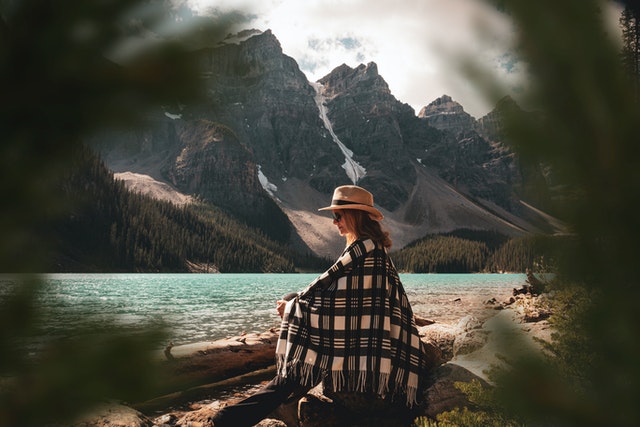
Key Takeaways
- Cheap travel starts with flexibility. Flexible dates, airports, destinations and accommodation choices can save more than any single booking trick.
- Flights and accommodation usually shape the budget most. Compare early, check baggage rules, avoid peak periods and do not ignore transport from the airport to your stay.
- Food costs can quietly become the biggest daily expense. Markets, supermarkets, local restaurants, lunch specials and accommodation with kitchen access can help a lot.
- Hostels are not only for party travellers. Many offer private rooms, kitchens, laundry, tours and social spaces that reduce costs.
- Credit cards can help only when used responsibly. Rewards are useful, but interest, annual fees and foreign transaction fees can wipe out savings.
- Slow travel is often cheaper than rushing. Staying longer in fewer places reduces transport costs and gives you more time to find local deals.
- Hidden fees matter. Baggage, tourist taxes, resort fees, ATM fees, roaming charges and cancellation rules should be checked before you book.

Travelling is exciting, but the costs can build quickly. Flights, accommodation, food, local transport, luggage fees, attraction tickets and small daily purchases can turn a simple trip into something far more expensive than expected.
The good news is that budget travel is not only about choosing the cheapest possible option. It is about making better decisions before and during the trip. These practical tips will help you travel cheap while still enjoying the destination, eating well, sleeping safely and making the most of your time away.
Quick Answer: What Are the Best Tips to Travel Cheap?
The best ways to travel cheap are to book flights with flexible dates, compare nearby airports, avoid peak travel periods, stay in hostels or budget guesthouses, cook some meals, eat local food, use public transport, walk when practical, use travel rewards carefully, travel slowly, and avoid hidden fees such as baggage, ATM, roaming, resort and cancellation charges. The biggest savings usually come from planning the route wisely before you book.
In This Guide
Finding Cheap Flights
Flights can be the largest single cost of a trip, especially for long-haul travel. The cheapest ticket is not always the best deal, though. A very low fare can become expensive once you add baggage, seat selection, bad layovers or transport from a remote airport.
Use flexible searches
Compare dates before choosing your holiday window. Leaving one or two days earlier can sometimes save more than changing the hotel.
Compare airports
Nearby airports may be cheaper, but include airport transfer costs before deciding.
Check baggage rules
A cheap fare with no cabin bag or checked luggage may not be cheap if you need to pay extra later.
Avoid peak times
School holidays, major events, public holidays and weekends usually increase prices.
Flight aggregators such as Kayak, Skyscanner and Google Flights can help you compare options, but always check the airline’s final price and terms before paying.
Reducing Food Costs
Food is one of the easiest travel costs to underestimate. A coffee, snack, lunch, drink and dinner can add up quickly, especially in tourist-heavy areas.
The goal is not to avoid restaurants completely. Food is part of travel. The smarter approach is to mix cheaper everyday meals with a few special food experiences.
- Eat where locals eat. Restaurants just beside major attractions are often more expensive.
- Use supermarkets and markets. Breakfast, snacks and simple lunches can be much cheaper this way.
- Book a kitchen when useful. Hostels, apartments and guesthouses with kitchens can reduce daily costs.
- Try lunch specials. Lunch menus often cost less than dinner for similar food.
- Carry snacks. This helps avoid expensive impulse buys at stations, airports and tourist areas.
- Share wisely. If travelling with friends, splitting dishes can let you try more without overspending.
Cheap Food Tip
Choose one “special meal” per destination, then keep the rest simple. This gives you a memorable food experience without turning every meal into a splurge.
Using Credit Cards Wisely
A travel credit card can help with points, miles, travel insurance, airport perks or no foreign transaction fees. But it only saves money if you understand the fees and pay the balance in full.
Good Uses
Travel rewards, fraud protection, hotel deposits, rental car holds, no foreign transaction fee cards and organised spending records.
Bad Uses
Carrying debt, paying high interest, chasing points you do not need, or using a card with foreign fees on every small purchase.
If you use a credit card travel portal, compare the price with booking directly. Sometimes the portal is good value. Sometimes the airline, hotel or train company sells the same option for less or with better flexibility.
Staying in Hostels
Hostels are one of the classic ways to travel cheaply, but modern hostels vary widely. Some are party-focused, while others are quiet, design-led, family-friendly or ideal for remote workers.
The main money-saving benefits are shared rooms, private rooms that are cheaper than hotels, kitchen access, laundry facilities, social events and central locations. Read recent reviews carefully and look for lockers, clean bathrooms and clear quiet-hour rules.
Best For
Solo travellers, backpackers, young travellers, flexible trips, social travel and people who want to save on food by using a kitchen.
Check First
Location, reviews, security lockers, towel fees, kitchen access, curfew, age restrictions, noise level and whether private rooms are available.
Tackling Accommodation Costs
Accommodation is often the second-largest cost after flights. The trick is to balance price, location and comfort. A cheap room far away from everything can cost more once you add daily transport and lost time.
| Stay Type | Best For | Money-Saving Tip |
|---|---|---|
| Hostels | Solo travellers, social trips and tight budgets. | Use kitchen access and choose lockers for security. |
| Guesthouses | Simple comfort and local atmosphere. | Compare reviews and transport access. |
| Budget hotels | Privacy and short city breaks. | Stay near useful public transport, not always the central square. |
| Apartments | Families, longer stays and cooking meals. | Check cleaning fees, service charges and location. |
| House sitting | Longer flexible trips. | Good for animal lovers, but requires trust, planning and responsibility. |
Getting Around for Less
Local transport can be cheap or surprisingly expensive depending on the destination. Walk when it is safe and realistic. Use buses, trams, metros and trains where they work well. Avoid taxis for short trips unless time, safety or luggage makes them necessary.
- Walk short distances. It saves money and helps you understand the city better.
- Use public transport passes. Day or multi-day passes can be cheaper if you take several rides.
- Compare rideshare with transit. Sometimes rideshare is worth it for groups, late nights or luggage.
- Consider carpooling. Services such as BlaBlaCar can work well in some regions.
- Do not over-rent cars. A car can be useful for rural routes but expensive in cities with parking fees.
Avoiding Hidden Travel Costs
Cheap travel often fails because of hidden costs. These are small charges that do not look serious individually but add up across the whole trip.
Fees to Check
- baggage fees;
- resort fees;
- tourist taxes;
- ATM withdrawal fees;
- foreign transaction fees;
- mobile roaming charges;
- cleaning fees;
- seat selection fees.
Booking Details
- cancellation policy;
- refund rules;
- check-in time;
- late arrival fees;
- deposit requirements;
- city tax payment method;
- whether breakfast is included.
Why Slow Travel Saves Money
One of the strongest budget travel strategies is simple: move less. Every new city can mean another train, bus, flight, taxi, luggage storage fee, check-in delay and meal near a station.
Staying longer in fewer places can reduce costs and make the trip feel less rushed. You can learn local transport, find cheaper restaurants, shop at supermarkets, get weekly accommodation discounts and enjoy the place instead of constantly repacking.
Simple Budget Rule
If a trip feels too expensive, remove one destination before you remove the experiences you care about most. A slower route is often cheaper and more enjoyable.
Common Cheap Travel Mistakes
- Choosing the cheapest flight without checking baggage. Extra luggage fees can erase the saving.
- Staying too far from transport. A cheap room can become costly if every day needs a long ride.
- Not budgeting for food. Eating out three times a day can quickly become expensive.
- Using credit card rewards badly. Points are not worth interest charges or unnecessary spending.
- Moving cities too often. Fast travel is usually more expensive and tiring.
- Ignoring travel insurance. The cheapest trip can become very expensive if something goes wrong.
- Not checking scams and refund rules. Cheap-looking deals are not always safe or flexible.
Conclusion: Travel Cheap Without Making the Trip Miserable
Cheap travel works best when it is thoughtful, not extreme. You do not need to sleep badly, skip every restaurant or walk everywhere until you are exhausted. You need to decide what matters, spend there, and cut the costs that do not improve the trip.
Start with flexible flights, sensible accommodation, local food, public transport and fewer destination changes. Then protect your budget by checking hidden fees, using credit cards responsibly and planning enough backup money for the unexpected.
More Budget Travel Help
For another useful guide on stretching your travel budget, read How to Travel More with Less Money.
FAQ
What is the cheapest way to travel?
The cheapest way to travel is usually to be flexible with dates, choose budget-friendly destinations, travel outside peak season, use public transport, stay in hostels or simple guesthouses, cook some meals and avoid moving too quickly between places.
How do I find cheap flights?
Use flight comparison sites, search flexible dates, compare nearby airports, avoid peak travel days, pack light to avoid baggage fees and track prices before booking. Always check the final airline price and baggage rules before paying.
Are hostels safe for budget travel?
Many hostels are safe and comfortable, but quality varies. Read recent reviews, check location, look for lockers, choose female-only dorms if preferred, and keep valuables secure.
How can I save money on food while travelling?
Eat where locals eat, use markets and supermarkets, book accommodation with kitchen access, avoid tourist-trap restaurants near major attractions, carry snacks and choose lunch specials instead of expensive dinners.
Should I use a credit card to travel cheap?
A travel credit card can help if you use it responsibly, pay the balance in full, avoid interest, understand fees and choose cards with useful travel rewards or no foreign transaction fees. It is not saving money if you carry debt.
Is slow travel cheaper?
Slow travel is often cheaper because you spend less on transport, get better weekly or monthly accommodation rates, cook more easily and have more time to find affordable local options.
How do I avoid hidden travel costs?
Check baggage fees, resort fees, tourist taxes, airport transfers, roaming charges, exchange fees, ATM fees, cancellation policies and attraction booking charges before finalising your budget.
Sources and Further Reading
- Federal Trade Commission: Avoid travel scams
- U.S. Department of Transportation: Fly Rights
- UK Civil Aviation Authority: Know your rights
- Consumer Financial Protection Bureau: Credit cards
- How to Travel More with Less Money
- How to Travel Cheap: Follow These Simple Tips
- Best Ways to Get Cheap Flights
- Save Money to Travel Around the World – Tips from Travellers
- Best Tips for Planning the Perfect Vacation
Affiliate Disclosure: This article may contain affiliate links, travel booking links, financial product references, hotel links or travel planning resources. If you book or buy through one of these links, ChipJourney may earn a small commission at no extra cost to you.