
Key Takeaways
- You can travel more with less money by changing the travel style, not only the destination. Packing light, travelling slower, using local transport, and eating simply can stretch a small budget.
- Cheap does not mean careless. Always compare safety, location, reviews, visa rules, health advice, and total trip cost before choosing the lowest price.
- Flights, food, and accommodation are the biggest budget levers. A few smart decisions in these areas can save more than skipping every small treat.
- Tourist passes are useful only when they match your real itinerary. Do the maths before buying a city card or attraction pass.
- Working while travelling can help, but rules matter. Check visas, contracts, insurance, taxes, and employer legitimacy before taking work abroad.
How can you travel more with less money?
You can travel more with less money by packing light, choosing affordable destinations, travelling outside peak season, using public transport, eating local food safely, staying in good-value accommodation, comparing flights carefully, using tourist passes only when they save money, and building income through seasonal or remote work when appropriate.
The goal is not to make every trip painfully cheap. The goal is to stop paying for things that do not improve the experience and spend carefully on the parts you will remember.
In This Guide

Best Ways to Travel More With Less Money Compared
Use this table to see which savings method fits your trip. The biggest savings usually come from combining several small choices.
| Saving method | Best for | How it saves money | What not to do |
|---|---|---|---|
| Travel light | Short trips, budget airlines, train travel | Reduces baggage fees, taxi use, storage costs, and stress | Do not underpack medicine, weather gear, or essentials. |
| Eat local food safely | Food lovers and long trips | Local markets and cafés often cost less than tourist restaurants | Do not ignore hygiene, water safety, or food storage. |
| Budget accommodation | Solo travellers, friends, slow travellers | Hostels, guesthouses, and apartments can cut nightly costs | Do not choose unsafe locations just to save a little. |
| Tourist passes | City breaks with many attractions | Can bundle entry fees and transport at a lower total price | Do not buy a pass unless your itinerary proves it saves money. |
| Flexible flights | International or multi-city trips | Nearby airports, midweek dates, and stopovers can reduce fare pressure | Do not forget baggage, seat, transfer, and connection costs. |
| Local transport | Most city trips | Buses, trains, trams, and metros are usually cheaper than taxis | Do not arrive without checking how to buy tickets or passes. |
| Travel work | Longer trips and seasonal travellers | Jobs can cover food, accommodation, or daily costs | Do not work without checking visa and contract rules. |
| Cheaper destinations | Longer trips and flexible travellers | Lower daily costs stretch the same budget further | Do not ignore flight, visa, safety, or health costs. |
Budget Travel Saver Tool
Choose your biggest travel cost and trip style. This gives you a practical way to reduce costs without ruining the trip.
1. Travel Light to Avoid Extra Costs
Travelling light is one of the simplest ways to travel more with less money. A smaller bag can reduce airline baggage fees, make buses and trains easier, remove the need for taxis, and lower the risk of luggage delays.
Start with one practical bag that fits your route. If you are planning a short or medium trip, a carry-on backpack may be enough. Pack climate-friendly clothes, basic toiletries, chargers, medicine, and the essentials you truly need. For more packing help, read ChipJourney’s packing advice for backpacking.
Pack layers
Layers handle changing weather better than bulky single-use outfits.
Use a repeat wardrobe
Choose clothes that mix well so you can pack fewer items.
Check baggage rules
Budget airlines can be strict, so check size and weight before leaving home.
Do not skip essentials
Medicine, documents, phone power, and weather basics are worth carrying.
2. Eat Local Food, But Choose It Safely
Food can quietly become one of the biggest travel costs. Restaurants near major tourist attractions often charge more, and eating every meal in a sit-down restaurant can drain your budget quickly.
Local food can be cheaper, more interesting, and more connected to the place you are visiting. Markets, bakeries, simple cafés, supermarkets, and busy street-food stalls can all help you spend less while eating better.
Budget food should still be safe. Choose stalls where food is cooked fresh, served hot, and popular with locals. Avoid food that looks old, poorly stored, or handled carelessly. For more food-saving ideas, the original article linked to SmarterTravel’s food-saving advice.
3. Choose the Right Accommodation
When you are travelling solo or with friends, you do not always need a traditional hotel. Hostels, guesthouses, serviced apartments, dormitories, and small local stays can be far cheaper.
The best budget accommodation is not always the absolute cheapest. Look for good location, recent reviews, cleanliness, lockers or secure storage, transport access, cancellation rules, and safe neighbourhoods.
Hostels
Best for solo travellers, friends, shared kitchens, social spaces, and lower nightly rates.
Guesthouses
Good for local atmosphere, quieter stays, and value outside the busiest tourist streets.
Apartments
Useful for longer trips, small groups, and cooking some meals.
Budget hotels
Good when privacy, location, and sleep quality matter more than the lowest price.
4. Use Tourist Passes Only When They Really Save Money
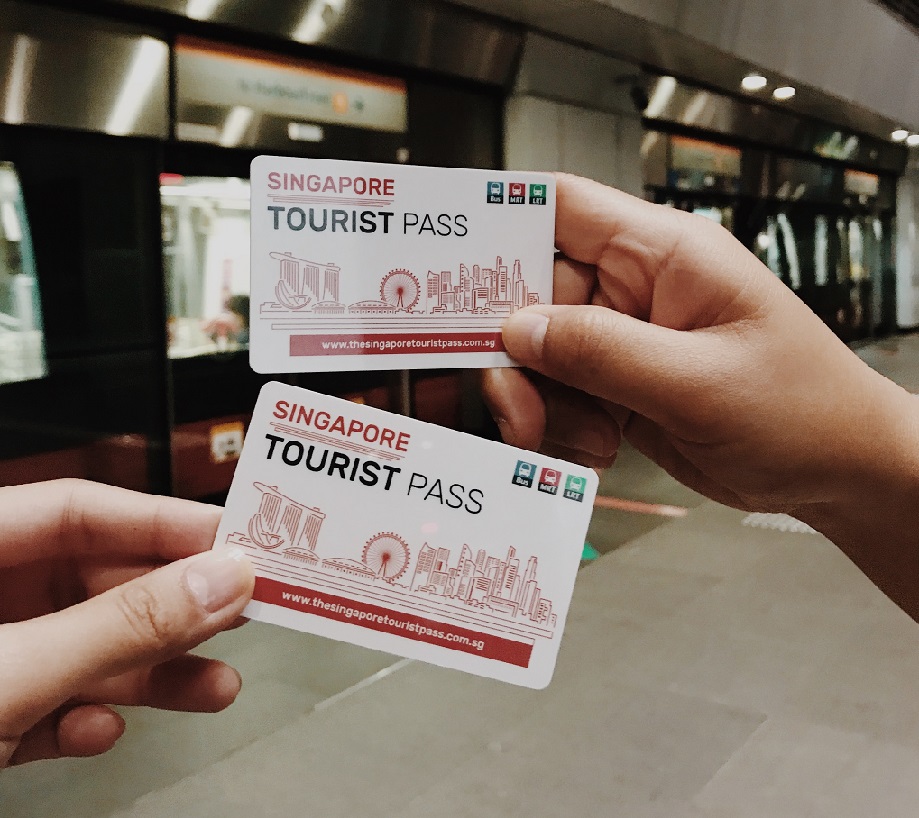
Tourist cards and city passes can be useful when they include attractions you genuinely want to visit. They may also include public transport, discounts, museum entry, or guided tours.
Before buying a pass, list the attractions you will realistically visit. Add the normal entry prices and compare the total with the pass price. If the pass only saves money when you rush from attraction to attraction, it may not be worth it.
5. Pick Your Airline and Tickets Wisely

Flight tickets can be the biggest cost, so compare the full route before booking. Look at nearby airports, baggage fees, midweek departures, stopovers, arrival times, and the cost of reaching your accommodation.
Multi-city tickets, regional passes, or open-jaw routes can sometimes help if you are travelling through several countries, but they are not always cheaper. Compare the total cost and flexibility before committing.
For more flight planning, read ChipJourney’s guide to getting cheap flights and airline ticket buying strategies.
6. Use Local Transport Instead of Taxis Every Day

Buses, trains, trams, metros, and walking routes can save a lot compared with taxis and private transfers. They also make you feel more connected to the destination.
Before arriving, check how ticketing works. Some cities use contactless cards, some use paper tickets, some have daily caps, and some offer tourist transport passes. Understanding the system before the first journey prevents expensive mistakes.
7. Get a Job or Build Travel-Friendly Income

If money is the main problem, travel-related work can help. Options may include seasonal restaurants, bars, hostels, farms, ski resorts, diving centres, tour guiding, language teaching, delivery work, remote freelancing, or content creation.
Do not assume every job abroad is simple. Check visa rules, contracts, taxes, insurance, accommodation promises, employer reputation, and working conditions. The original article correctly mentioned ways to earn money while travelling, but the safest approach is to research official and reputable routes first.
- Restaurant, bar, hostel, or resort work during peak tourist seasons.
- Teaching a language, skill, craft, or sport if you are qualified.
- Farm or outdoor work where legal work exchange or paid work is allowed.
- Ski, diving, or adventure instruction when you have the correct certifications.
- Tour guiding if local rules and licensing allow it.
8. Choose Your Destination Wisely

Destination choice can change everything. A country with lower daily costs, good public transport, affordable food, and safe budget accommodation can let you travel longer with the same money.
However, do not choose a place only because it sounds cheap. Compare the whole trip: flights, visa or entry rules, travel insurance, vaccines or health costs, local transport, tours, safety, and the time needed to get there.
If you are flexible, consider destinations where your home currency has strong value, shoulder-season prices are lower, and activities do not require expensive private tours every day.
Budget Travel Checklist
Before booking
- Compare flexible dates
- Check nearby airports
- Add baggage and seat fees
- Check entry rules and insurance
Accommodation
- Check recent reviews
- Compare location and transport
- Look for kitchen access
- Read cancellation rules
Daily costs
- Plan local food options
- Use public transport
- Choose free viewpoints and parks
- Limit paid activities to favourites
Safety buffer
- Keep emergency money
- Save offline maps
- Carry backup payment
- Avoid unsafe “too cheap” options
FAQs About Travelling More With Less Money
How can I travel more with less money? BUDGET TRAVEL • BASICS
Travel more with less money by packing light, choosing affordable destinations, travelling outside peak season, using public transport, eating local food safely, comparing hostels and budget stays, using tourist passes only when they save money, and building a flexible travel fund.
What is the easiest way to reduce travel costs? SAVE MONEY • FIRST STEP
The easiest way to reduce travel costs is usually to slow down, travel with carry-on luggage, avoid peak dates, use public transport, stay in safe budget accommodation, and stop paying for convenience every day.
Does travelling light really save money? PACKING • BAGGAGE
Yes, travelling light can save money by reducing checked-bag fees, making public transport easier, lowering taxi use, and reducing the chance of luggage delays or extra storage costs.
Is street food safe when travelling on a budget? FOOD • SAFETY
Street food can be affordable and memorable, but choose busy stalls with high turnover, visible cooking, clean handling, and food served hot. Avoid places where food looks old, poorly stored, or handled unsafely.
Are tourist passes worth buying? PASSES • ATTRACTIONS
Tourist passes are worth buying only if you will genuinely use enough included attractions or transport to beat the normal individual price. Always compare the pass cost with your real itinerary before buying.
How can I find cheaper flights? CHEAP FLIGHTS • ROUTES
Compare flexible dates, nearby airports, baggage fees, stopovers, and airline direct prices. Use alerts if your dates are flexible, but do not book a bad route just because it looks cheaper upfront.
Can I work while travelling to spend less? TRAVEL JOBS • INCOME
In some cases, yes. Seasonal jobs, hostel work, teaching, tourism work, farm work, and remote freelance work can help fund travel, but you must check visa, tax, contract, insurance, and local work rules.
Which destinations help you travel more with less money? DESTINATIONS • VALUE
Destinations with lower daily costs, good public transport, affordable food, safe budget accommodation, and a favourable exchange rate can stretch your budget. The cheapest place is not always best if flights, visas, or safety costs are high.
Final Thoughts: Travel More by Spending More Intentionally
Travelling more with less money is not about making every trip uncomfortable. It is about knowing where money disappears and choosing a travel style that gives you the most experience for the least waste.
Pack lighter, move slower, eat locally, sleep somewhere safe but simple, use local transport, compare total flight costs, and choose destinations that match your budget. Once those habits become normal, travel starts feeling possible more often.
Written by Boyan Minchev.
Sources and Further Reading
- GOV.UK Foreign Travel Advice
- UK Civil Aviation Authority: Planning Your Trip
- IATA Travel Centre
- How to Travel Cheap – Follow These Simple Tips
- Cheap Travel Hacks to Reduce Expenses
- How to Find the Time and Money to Travel
- Ways to Earn Money While Traveling Around the World
- How to Find Cheap Train Tickets
Some links may be affiliate or sponsored links. This does not change the price you pay and helps support ChipJourney.