Key Takeaways
- Good suitcase packing starts with a plan. Check the weather, trip length, laundry access and airline baggage rules before choosing what to bring.
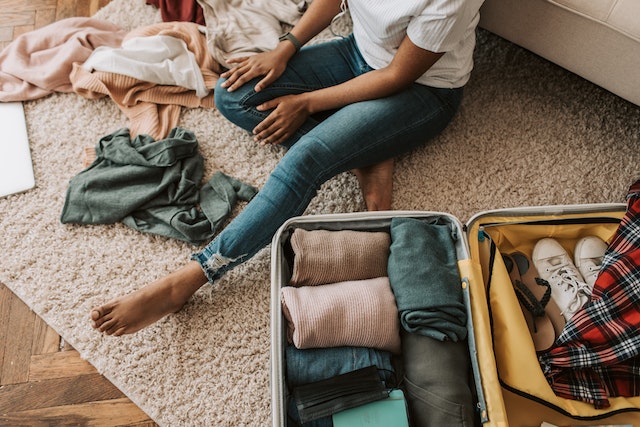
- Roll casual clothes and fold structured pieces. Rolling saves space for everyday clothing, while folding protects smarter items such as shirts, trousers and jackets.
- Compression bags can help, but they do not reduce weight. They save space, but they can also tempt you to pack too much.
- Pack shoes and bulky items first. Use shoe space for socks, belts or small soft items, and wear your bulkiest shoes while travelling.
- Keep toiletries simple. Bring travel sizes, check liquid rules before flights and avoid packing full-size bottles unless you truly need them.
- A laundry bag makes the return journey easier. Separating clean and dirty clothes keeps your suitcase organised and helps prevent odours.
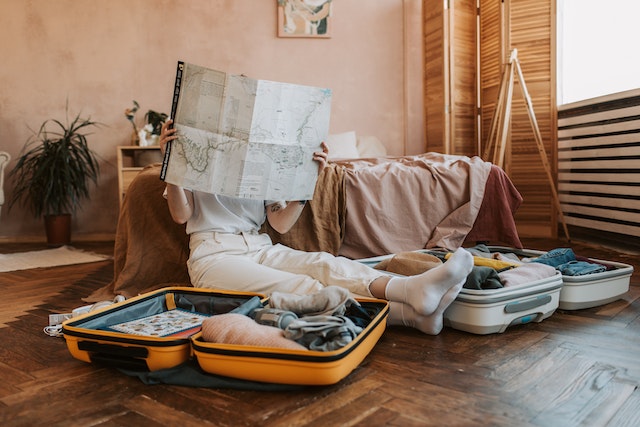
Packing for a trip can feel stressful, especially when you are trying to fit everything into one suitcase or carry-on. It is easy to add “just in case” items until the bag becomes heavy, messy and difficult to close.
The best suitcase packing tips are simple: plan your outfits, choose versatile items, roll what makes sense, fold what needs structure, keep toiletries under control and use small empty spaces wisely. This rebuilt guide keeps the original useful product links while making the advice clearer, more practical and easier to follow before your next trip.
Quick Answer: What Are the Best Suitcase Packing Tips?
The best suitcase packing tips are to check the weather first, plan complete outfits, roll casual clothes, fold structured clothes, use compression bags for bulky soft items, wear your biggest shoes, keep toiletries small, separate laundry, use shoe space for socks or small items, and keep travel documents, chargers and essentials easy to reach. The goal is not just to fit more in your suitcase, but to pack what you will actually use.
In This Guide
Plan Before You Pack
Before you fold a single shirt, check the basics: destination weather, trip length, activities, airline baggage allowance, laundry access and whether you are travelling with carry-on only or checked luggage. A suitcase packed without a plan usually becomes a suitcase full of “maybe” items.
Start with outfits
Plan outfits around the real days of the trip. If you are away for five days, you probably do not need ten completely separate outfits.
Check the rules
Before flying, check current baggage, liquids, battery and restricted-item rules for your airline and airport.
Fold vs Roll Clothes
The original article gave both tips: fold clothes and roll clothes. That might sound contradictory, but both methods have a place. The smart approach is to use the right method for the item.
| Method | Best For | Why It Helps |
|---|---|---|
| Rolling | T-shirts, underwear, gym clothes, casual trousers, pyjamas and soft items. | Saves space and makes items easier to see. |
| Folding | Shirts, trousers, blazers, dresses, structured clothing and items that crease easily. | Keeps shape better and reduces pressure marks. |
| Flat layering | Delicate fabrics or smarter outfits. | Spreads pressure across the suitcase instead of forcing tight rolls. |
| Packing cubes | Families, longer trips and frequent travellers. | Groups items by outfit, person or category. |
Simple Packing Rule
Roll casual clothes, fold smarter clothes, and do not overstuff the suitcase. Most wrinkles come from pressure, friction and leaving clothes packed too tightly for too long.
Use Compression Bags Carefully
Compression bags are a useful space-saving tool because they squeeze air out of bulky clothing. They are especially helpful for jumpers, jackets, spare outfits, children’s clothing or seasonal layers.
The original article included a link to best vacuum compression storage bags, and that useful product link is preserved here.
Best Uses
Compression bags work best for soft, bulky items that contain a lot of air, such as jumpers, hoodies, winter layers and spare clothing.
Watch the Weight
Compression saves space, not weight. A bag can become overweight even when everything fits neatly.
Pack for the Climate of Your Destination
Always pack for the actual destination, not just the season. A “summer trip” can still include rain, chilly evenings, strong sun, air-conditioned transport or unexpected dress codes. A “winter trip” may involve indoor heating, wet streets or bulky layers that take more space.
- Hot and humid places: choose breathable fabrics, quick-dry items and fewer heavy layers.
- Cold places: pack layers rather than several bulky outfits.
- Rainy destinations: bring a lightweight rain jacket or compact umbrella.
- Adventure trips: prioritise comfort, footwear, socks and quick-dry clothing.
- City breaks: choose clothes that can move from daytime sightseeing to dinner.
Choose Multi-Purpose Items
Multi-purpose items reduce clutter. Instead of packing a separate item for every possible situation, choose pieces that can work in several outfits or uses.
Clothing
Neutral colours, layers and mix-and-match outfits let you create more combinations from fewer items.
Bags
A small tote, foldable day bag or garment bag can double as a laundry bag, shopping bag or beach bag.
Electronics
One good charger, one adapter and a compact cable pouch can prevent a messy pocket full of loose cables.
Toiletries
Choose small products you actually use instead of packing a full bathroom shelf.
Wear Your Bulkiest Shoes
Shoes take up a lot of suitcase space, especially boots, trainers or formal shoes. If practical, wear your bulkiest pair while travelling and pack lighter shoes in the suitcase.
Use the inside of packed shoes for socks, belts, small accessories or soft items. Put shoes in a shoe bag, plastic bag or washable pouch so the soles do not touch clean clothing.
How Many Shoes Should You Pack?
For most short trips, two pairs are enough: one comfortable pair for walking and one smarter or activity-specific pair. Add more only if the trip truly requires it.
Do Not Overpack Toiletries
Toiletries are one of the easiest areas to overpack. Full-size bottles add weight, leak risk and wasted space. For most trips, travel-size products, refillable bottles or buying basics at the destination works better.
- Use a leak-proof toiletry bag.
- Pack liquids upright where possible.
- Place fragile items inside socks or soft clothing.
- Keep daily medication and essentials in your carry-on.
- Check current liquid rules before flying.
Bring a Laundry Bag
A laundry bag keeps dirty clothes away from clean clothes and makes the return trip much easier. It also helps stop odours spreading through your suitcase.
The original article included a link to best laundry bags, and that useful product link is preserved here.
For Short Trips
A small fabric pouch or spare tote bag may be enough to separate worn clothes from fresh outfits.
For Longer Trips
Use one bag for laundry and another for damp swimwear, gym clothes or shoes.
Use Small Spaces Wisely
Good suitcase packing is about using the whole shape of the bag. Corners, shoe interiors, side pockets and gaps between packing cubes can all hold small items.
- Put socks inside shoes.
- Use side pockets for underwear, belts or chargers.
- Keep a small pouch for documents and travel essentials.
- Place heavier items near the suitcase wheels.
- Keep fragile items in the centre, surrounded by soft clothing.
- Leave a little space for souvenirs or laundry on the return trip.
Common Suitcase Packing Mistakes
- Packing without checking the weather. This often leads to too many wrong clothes.
- Taking too many shoes. Shoes are heavy and use a lot of suitcase space.
- Using compression bags for everything. They save space but can make the bag overweight.
- Forgetting laundry separation. Dirty clothes can quickly make the whole suitcase feel messy.
- Leaving essentials in checked luggage. Medication, documents, chargers and valuables should stay accessible.
- Filling every gap before leaving home. Leave space for souvenirs, snacks or unexpected purchases.
- Ignoring airport restrictions. Liquids, batteries, sharp items and aerosols may have specific rules.
Conclusion: Pack Less, But Pack Better
Good suitcase packing is not about squeezing in the most items possible. It is about bringing the right items in a way that keeps your trip easier. Plan outfits, check the climate, use rolling and folding wisely, keep toiletries simple, wear bulky shoes and separate laundry from clean clothes.
Once your suitcase has a system, packing becomes faster and less stressful. You will know where everything is, your clothes will be easier to manage, and you will waste less time repacking during the trip.
More Packing Help
If you travel with formal clothing, the original article linked to this useful guide: Packing a Suit Guide for Regular Travelers.
FAQ
Is it better to roll or fold clothes in a suitcase?
Rolling works well for casual clothing, T-shirts, underwear, lightweight trousers and travel outfits because it saves space and makes items easy to see. Folding is better for structured items, shirts, trousers, jackets and clothes you want to keep flatter.
Do compression bags really save space in luggage?
Yes, compression bags can save space by removing extra air from bulky clothing. They are useful for jumpers, jackets and spare outfits, but they can make it easier to overpack, so you still need to watch luggage weight.
How do I stop clothes from wrinkling in a suitcase?
Use a mix of rolling and folding, pack heavier items at the bottom, avoid overstuffing the suitcase, use packing cubes or folders, and place delicate items near the top. Unpack or hang clothes when you arrive.
What should I pack first in a suitcase?
Start with shoes, bulky items and anything you will not need until you arrive. Then add clothing, toiletries, chargers, travel documents and items you need during the journey in an easy-access pocket or carry-on.
Should toiletries go in checked luggage or carry-on?
Pack larger toiletries in checked luggage if you are flying, and keep travel-size essentials in your carry-on if allowed by your route and airline. Always check current liquid rules before flying.
How do I avoid overpacking?
Plan outfits by day, choose multi-purpose clothing, limit shoes, use a packing list, check the weather and remove any item you are packing only because you might possibly need it.
Sources and Further Reading
- TSA: What Can I Bring?
- FAA: Pack Safe
- UK Government: Hand luggage restrictions at UK airports
- IATA: Baggage tips for travellers
- Packing a Suit Guide for Regular Travelers
- The Ultimate Overnight Backpacking Checklist for Hiking
- Best Travel Bag for Moms
- Best Tips for Planning the Perfect Vacation
- Which Are the Best Apps to Help You Travel Through the World?
Affiliate Disclosure: This article may contain affiliate links, including Amazon Associate links, travel product links, or packing resources. If you buy through one of these links, ChipJourney may earn a small commission at no extra cost to you.