Key Takeaways
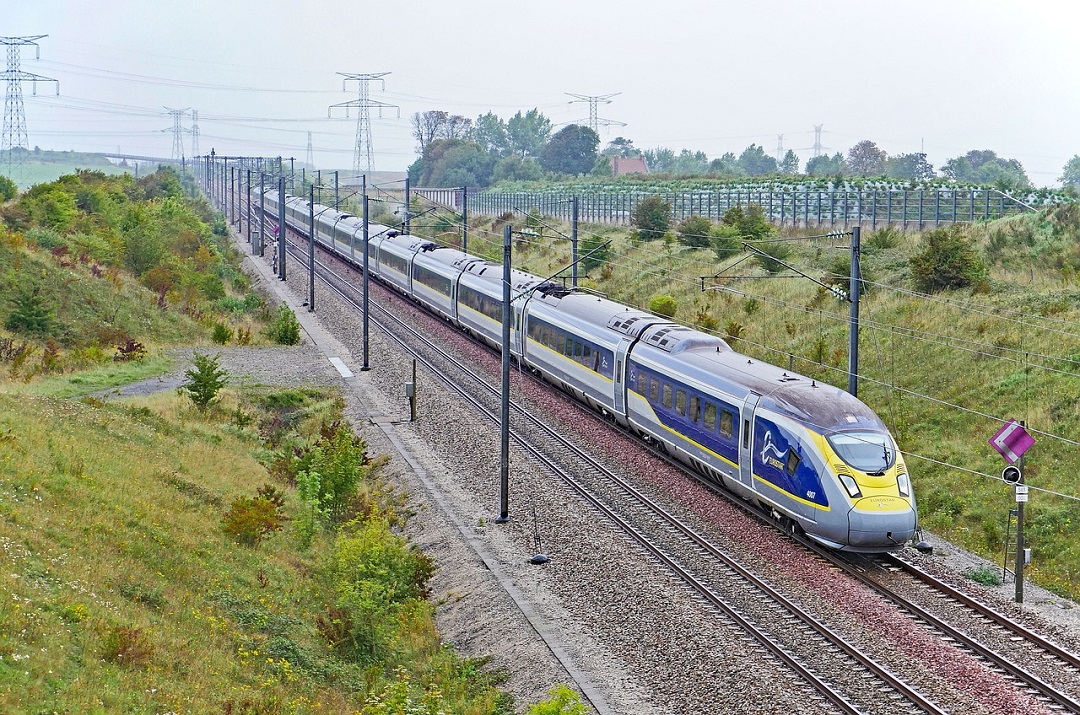
- Europe has many very fast commercial rail services, but rankings change depending on whether you compare operating speed, design speed, testing speed, or record speed.
- The fastest regular passenger services in Europe usually operate around 300–320 km/h on dedicated high-speed lines.
- France’s TGV, Eurostar e320, Spain’s AVE, Italy’s Frecciarossa/Italo, and Germany’s ICE 3 are among the best-known high-speed train families in Europe.
- Train speed is only part of the travel experience. City-centre stations, easy boarding, luggage flexibility, comfort, reliability and route choice often matter more than a few extra kilometres per hour.
- This guide updates the original list with clearer speed notes, practical route context, travel tips, FAQs, and source links.
Europe is one of the best places in the world to experience high-speed rail. Instead of spending time travelling to distant airports, waiting at security, and transferring back into city centres, many European train routes take you from one central station to another at speeds that can compete with short-haul flights.
This rebuilt guide keeps the original train names from the post — including AGV Italo, Siemens Velaro E, Talgo 350, ICE 3, TGV, Frecciarossa, Eurostar and Thalys PBKA — but makes the article more useful and accurate for readers. It explains the difference between record speed and normal operating speed, compares major train families, and helps travellers understand which routes are most useful in real life.
Quick Answer: What Are The Fastest Trains In Europe?
The fastest high-speed trains in Europe generally include France’s TGV services, Eurostar e320, Spain’s AVE trains, Italy’s Frecciarossa and Italo trains, and Germany’s ICE 3 family. In regular passenger service, many of these trains run up to about 300–320 km/h on suitable high-speed lines, while some trainsets have higher design or test speeds.
Fastest Trains In Europe: Comparison Table
When comparing Europe’s fastest trains, it is important to separate normal service speed from test or design speed. Travellers usually care most about the speed the train can use on real routes.
| Train / Family | Country or Route | Typical High-Speed Service | Best For Travellers |
|---|---|---|---|
| TGV / TGV INOUI | France and international routes | Up to around 320 km/h on suitable French high-speed lines | Fast city-to-city travel in France and links to neighbouring countries |
| Eurostar e320 | UK, France, Belgium, Netherlands | Up to 320 km/h train capability | London to Paris, Brussels, Amsterdam and cross-border travel |
| AVE / Siemens Velaro E | Spain | High-speed Spanish routes, often up to around 300–310 km/h depending on service and line | Madrid–Barcelona, Madrid–Seville, Madrid–Málaga and other Spanish routes |
| Frecciarossa | Italy | Up to 300 km/h in regular service | Rome, Florence, Bologna, Milan, Naples, Turin and Venice connections |
| Italo AGV | Italy | Up to 300 km/h on Italy’s high-speed network | Private high-speed service between major Italian cities |
| ICE 3 | Germany and cross-border routes | Up to 300 km/h in Germany on suitable lines | German intercity travel and international connections |
| Talgo 350 | Spain | High-speed Spanish services | Comfortable AVE routes and long-distance Spanish rail travel |
| Thalys PBKA | Paris, Brussels, Cologne, Amsterdam corridor | Historically associated with high-speed international services up to 300 km/h where lines allow | Cross-border north-west European city travel |
Operating Speed vs Record Speed: Why Rankings Can Be Confusing
Many articles about the “fastest trains” mix together different kinds of speed. A train may have a high design speed, a higher test speed, and a lower everyday commercial speed. Track limits, signalling, safety systems, route congestion, stops, gradients and national rules all affect how fast a train can actually run with passengers on board.
- Operating speed is the most useful number for travellers because it reflects real service.
- Design speed describes what a train is engineered to handle.
- Test speed may be much higher, but it does not mean passengers travel that fast every day.
- Average journey speed is different again because stops, curves and slower sections reduce the trip average.
AGV Italo
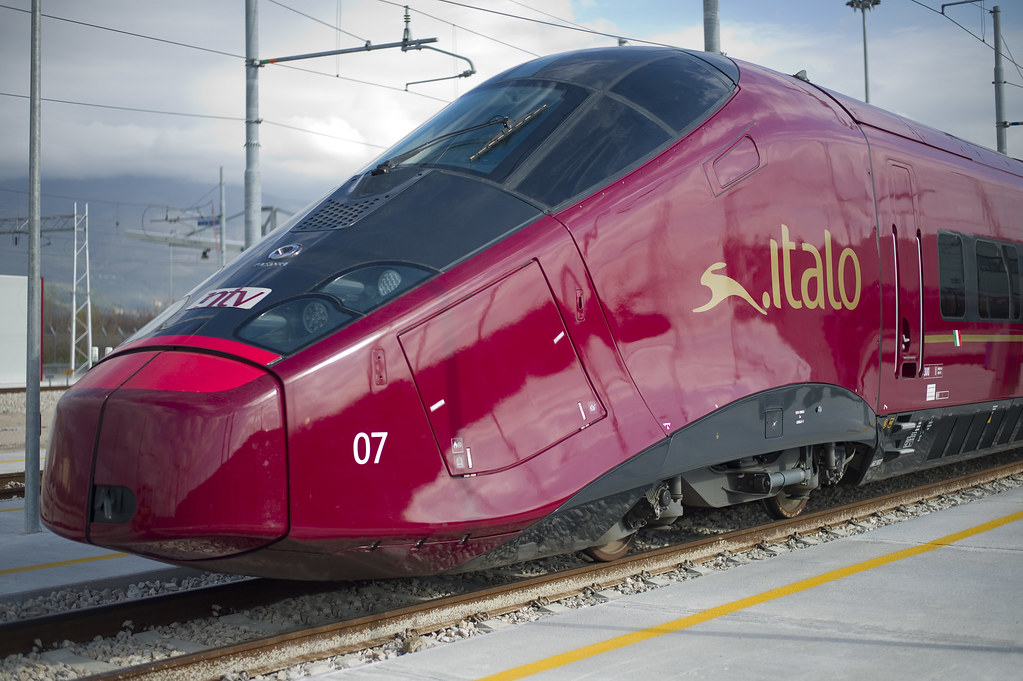
AGV Italo is one of Italy’s most recognisable high-speed trains. Italo says its AGV trains travel at a maximum speed of 300 km/h on the Italian high-speed network, making them a serious option for travellers moving between major Italian cities.
Good for: Rome, Milan, Naples, Florence, Bologna, Turin, Venice and other Italian city routes.
Siemens Velaro E / AVE S-103

The Siemens Velaro platform is used in several high-speed rail systems. In Spain, the AVE S-103 is closely associated with the Madrid–Barcelona corridor and other fast Spanish routes.
Good for: travellers who want a fast, comfortable way to move between major Spanish cities without flying.
Talgo 350
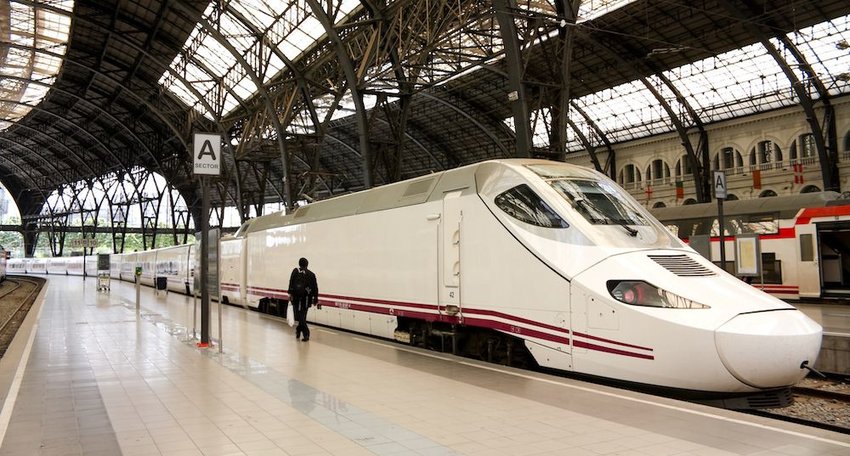
The Talgo 350 is another Spanish high-speed train associated with AVE services. Its distinctive nose shape made it one of the most recognisable high-speed train designs in Europe.
Good for: long-distance Spanish rail routes where comfort and speed both matter.
ICE 3

The ICE 3 is Germany’s famous high-speed train family. Deutsche Bahn describes it as Germany’s first 300 km/h train, designed for fast long-distance routes such as the Cologne–Rhine/Main high-speed line.
Good for: German intercity travel, business trips, city breaks and cross-border European rail journeys.
SNCF TGV

The TGV is one of the most famous high-speed train families in the world. SNCF Connect describes TGV trains as capable of reaching 320 km/h on France’s high-speed lines.
Good for: Paris to Lyon, Marseille, Bordeaux, Strasbourg, Lille and international rail links.
Frecciarossa

Frecciarossa is Trenitalia’s flagship high-speed service. Trenitalia says Frecciarossa trains travel throughout Italy at a maximum speed of 300 km/h, connecting major city centres directly.
Good for: Rome–Florence–Bologna–Milan, Rome–Naples, Venice, Turin and other Italian high-speed corridors.
Eurostar e320

Eurostar e320 trains are built for international high-speed travel through the Channel Tunnel and across multiple European rail systems. Siemens describes the Eurostar e320 as reaching a top speed of 320 km/h.
Good for: London to Paris, Brussels, Lille, Amsterdam and other cross-border journeys.
Thalys PBKA

The Thalys PBKA trainsets were designed for international high-speed services linking Paris, Brussels, Cologne and Amsterdam. They are part of the wider TGV family and were built to operate across different European power and signalling systems.
Good for: international rail fans and travellers interested in the classic north-west Europe high-speed corridor.
Tips For Travelling On High-Speed Trains In Europe
High-speed trains are usually simple to use, but a few planning habits can make the journey smoother and cheaper.
| Tip | Why It Helps |
|---|---|
| Book early on popular routes | Many European high-speed train fares rise closer to departure, especially around weekends and holidays. |
| Check the exact station | Large cities may have several stations, and not every train uses the same one. |
| Compare train time with total flight time | City-centre rail can be faster than flying once airport transfers and security are included. |
| Reserve seats where required | Some high-speed services require reservations, even if you have a rail pass. |
| Pack light enough to move quickly | Train luggage is easier than flying, but you still need to lift bags onto racks or through stations. |
| Arrive early for international services | Eurostar and some cross-border trains can involve extra checks, so do not arrive at the last minute. |
When Is A Fast Train Better Than Flying?
High-speed rail often wins when the route connects city centres directly, the journey is under four or five hours, and the stations are easy to reach. Trains are also useful when you want more luggage flexibility, less airport stress, and a more relaxed journey.
- City-centre to city-centre trips
- Short and medium routes
- Business travel
- Family travel
- Multi-city itineraries
- Lower-stress travel days
- Scenic journeys
- Travellers avoiding airports
FAQ About The Fastest Trains In Europe
What is the fastest train in Europe?
It depends on whether you mean regular passenger operation, design speed, or speed record. In everyday service, many of Europe’s fastest high-speed trains operate around 300–320 km/h on suitable high-speed lines.
Are European high-speed trains faster than flying?
For some routes, yes in practical terms. A plane may fly faster in the air, but the train can be faster overall when you include travel to the airport, security, boarding, baggage, and transfer back into the city centre.
Which country has the best high-speed trains in Europe?
France, Spain, Italy and Germany all have major high-speed rail networks. The “best” depends on your route: France is famous for TGV, Spain has an extensive AVE network, Italy has strong Frecciarossa and Italo services, and Germany has ICE.
Is Eurostar one of the fastest trains in Europe?
Yes. Eurostar’s e320 trains are among Europe’s major high-speed international trains, designed for fast travel between the UK and continental Europe.
Do all high-speed trains run at top speed the whole journey?
No. Trains slow for stations, curves, junctions, slower tracks, signalling, congestion and national speed limits. The advertised top speed is not the same as the average speed for the full journey.
Is high-speed rail expensive in Europe?
It can be expensive close to departure, but early booking, off-peak travel, rail passes, slower alternatives and advance fares can reduce the cost. Always compare the full journey cost, not only the ticket headline price.
Sources And Further Reading
- SNCF Connect: TGV INOUI
- Siemens: Eurostar e320 high-speed trains
- Italo: High-speed train fleet
- Trenitalia: Frecciarossa
- Deutsche Bahn: ICE 3
- Eurail: AVE high-speed train
- Talgo: Talgo 350
- ChipJourney: Where To Travel In Europe
- ChipJourney: Best Travel Apps
- ChipJourney: Travel Hacks For International Flights
Plan Your European Rail Trip
Some links on ChipJourney may be affiliate or sponsored links. If you use them, the site may earn a small commission at no extra cost to you.