Key Takeaways
- Europe is best planned by travel style, not by trying to see every famous city at once.
- Paris, Rome, Venice, London, Prague, Istanbul and Santorini are strong first-time Europe destinations because each gives a very different experience.
- For a one-week Europe trip, two cities is usually enough. For ten to fourteen days, three or four well-connected stops can work.
- Book major attractions early, especially museums, towers, palaces, religious sites and timed-entry landmarks.
- Spring and autumn are often easier than peak summer because weather, prices and crowds can be more comfortable.
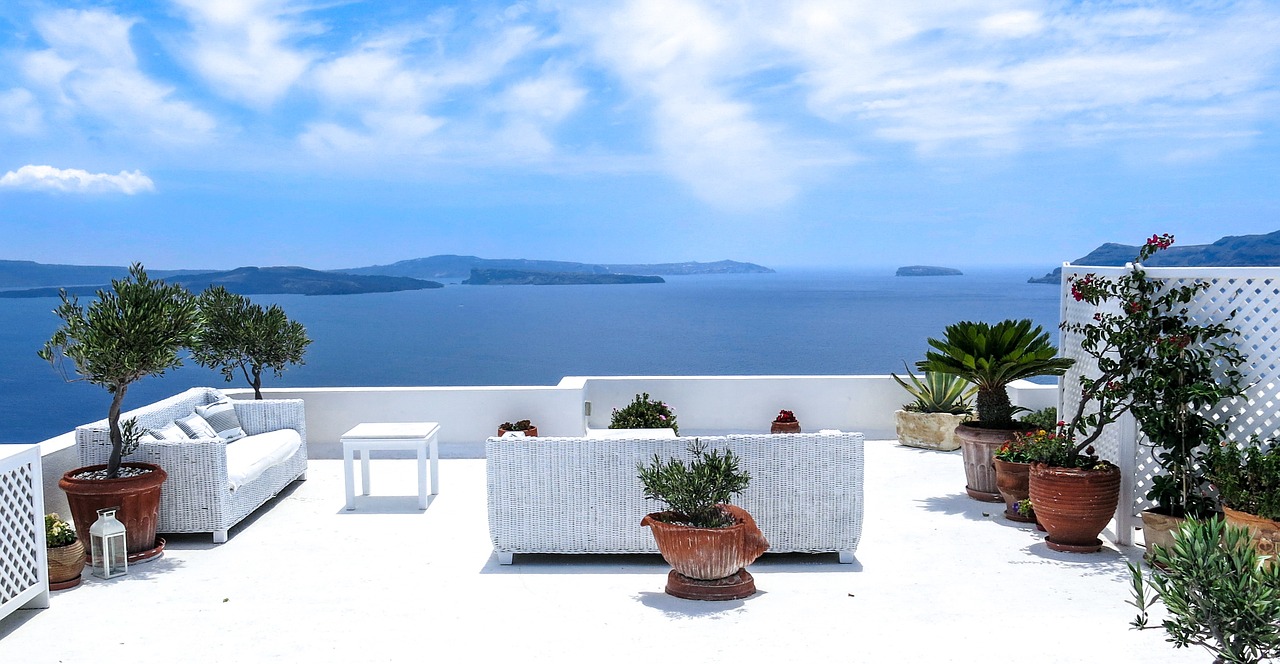
Europe is one of the most exciting regions in the world for travellers because it offers history, art, food, architecture, beaches, islands, museums, markets, nightlife, romantic streets and easy connections between countries. The hard part is not deciding whether Europe is worth visiting. The hard part is deciding where to go first.
This rebuilt guide keeps the original focus on Paris, Rome, Venice, London, Prague, Istanbul and Santorini, while making the article more practical for first-time visitors. You will find a quick answer, destination selector, comparison table, itinerary ideas, planning tips, common mistakes and FAQ dropdowns.
Quick Answer: Where Should You Travel in Europe?
If it is your first trip to Europe, start with a destination that matches your travel style. Choose Paris for romance, art and famous landmarks; Rome for ancient history and food; Venice for canals and atmosphere; London for museums, theatre and culture; Prague for fairytale streets and better value; Istanbul for a Europe-meets-Asia cultural mix; and Santorini for sunsets, caldera views and island scenery.
In This Guide
Quick Europe Destination Selector
Use this simple selector to narrow down which European destination may fit your first trip.
Example: For a first Europe trip at a slower pace, start with London, Paris or Rome and avoid adding too many cities.
Best Europe Destinations Compared
| Destination | Best For | Suggested Stay | Watch Out For |
|---|---|---|---|
| Paris | Romance, art, food and landmarks | 3–5 days | Queues, high costs and trying to see too much |
| Rome | Ancient history, food and churches | 3–5 days | Heat, crowds and poor attraction timing |
| Venice | Canals, atmosphere and photography | 2–3 days | Day-trip crowds, bridges and access-fee dates |
| London | Museums, theatre, parks and culture | 4–6 days | High prices and long cross-city journeys |
| Prague | Old-town beauty, castles and value | 2–4 days | Tourist-heavy old-town streets |
| Istanbul | Culture, markets, food and history | 3–5 days | Religious-site etiquette and busy bazaars |
| Santorini | Sunsets, island views and romance | 3–4 days | Peak-season prices and heavy crowds |
How to Choose Where to Travel in Europe
Before choosing a city, think about what kind of trip you actually want. Europe is not one single experience. A beach holiday in Greece feels completely different from a museum trip in London, a romantic weekend in Paris or a food-and-history escape in Rome.
- For romance: Paris, Venice, Prague and Santorini.
- For history: Rome, Istanbul, London and Prague.
- For first-time ease: London, Paris and Rome.
- For better value: Prague and parts of Central Europe.
- For island scenery: Santorini.
- For a deeper cultural mix: Istanbul.
#1. Paris, France

Paris is one of the most famous places to travel in Europe, especially if you want romance, art, cafés, museums, fashion, architecture and classic landmarks. It is a brilliant first Europe choice when you want a city that feels instantly recognisable.
Best for: Romance, art, museums, food, photography, couples and first-time Europe visitors.
Suggested stay: 3 to 5 days.
Travel tip: Do not spend the whole trip rushing between famous sights. Leave time for neighbourhoods such as Le Marais, Montmartre, Saint-Germain-des-Prés and the Latin Quarter.
Useful places and links: Eiffel Tower, Louvre Museum, Notre-Dame de Paris, Arc de Triomphe and Champs-Élysées.
#2. Rome, Italy

Rome is ideal if you want ancient history, food, churches, fountains, piazzas and walkable streets filled with layers of the past. It is one of the strongest Europe choices for travellers who want a mix of sightseeing and atmosphere.
Best for: Ancient history, Italian food, churches, walking, photography and first-time Italy trips.
Suggested stay: 3 to 5 days.
Travel tip: Book major sights early and start sightseeing in the morning during warmer months. Rome rewards slower neighbourhood wandering as much as famous landmarks.
Useful places and links: Colosseum, St. Peter’s Basilica, Trevi Fountain and Pantheon.
#3. Venice, Italy

Venice is unlike anywhere else in Europe. The historic centre is shaped by canals, bridges, narrow lanes and boats, which makes it perfect for slow wandering and photography.
Best for: Romance, canals, art, atmosphere, short stays and photography.
Suggested stay: 2 to 3 days.
Travel tip: Stay overnight if possible so you can enjoy early mornings and evenings when the day-trip crowds are thinner.
Useful places and links: Doge’s Palace, St. Mark’s Square, Grand Canal, Rialto Bridge, Murano and Burano.
#4. London, England

London is one of the easiest European cities for many first-time visitors because it offers museums, theatre, royal landmarks, markets, parks, shopping, global food and excellent public transport.
Best for: Museums, theatre, culture, history, shopping, families and first-time Europe travel.
Suggested stay: 4 to 6 days.
Travel tip: Use public transport and plan days by area. London is huge, and crossing the city repeatedly wastes time and money.
Useful places and links: Big Ben and Tower of London, London Eye, Tower Bridge, British Museum, Covent Garden and South Bank.
#5. Prague, Czech Republic

Prague is one of Europe’s most beautiful city breaks, with Gothic towers, medieval streets, river views, castles, churches and old-town charm. It can also offer better value than London, Paris or Venice.
Best for: Old-town beauty, castles, bridges, beer, couples, photography and better-value Europe trips.
Suggested stay: 2 to 4 days.
Travel tip: Visit Charles Bridge early in the morning for fewer crowds and look beyond the most crowded old-town streets for calmer cafés and viewpoints.
Useful places and links: Charles Bridge, Prague Castle, Prague Astronomical Clock and Old Town Square.
#6. Istanbul, Turkey

Istanbul is one of the most fascinating cities connected to Europe because it sits between Europe and Asia. It offers Byzantine, Roman, Ottoman, Islamic, Christian and modern Turkish layers in one destination.
Best for: Food, culture, markets, mosques, palaces, Bosphorus views and deeper history.
Suggested stay: 3 to 5 days.
Travel tip: Dress respectfully for mosques, check visiting hours and leave time for a simple Bosphorus ferry ride.
Useful places and links: Hagia Sophia, Blue Mosque, Topkapi Palace, Grand Bazaar and Basilica Cistern.
#7. Santorini, Greece

Santorini is one of the most photographed islands in Europe. It is known for whitewashed villages, blue-domed churches, dramatic caldera views, sunsets, boutique hotels and the Aegean Sea.
Best for: Couples, honeymoons, island views, sunsets, photography and relaxed luxury-style travel.
Suggested stay: 3 to 4 days.
Travel tip: Consider shoulder season and look beyond Oia if you want better value and fewer crowds.
Useful places and links: Akrotiri, Fira, Oia, Imerovigli, Ancient Thera, Profitis Ilias, Red Beach and caldera viewpoints.
Sample First Europe Itinerary Ideas
Classic First-Time Route
London → Paris → Rome
Best for travellers who want three iconic European cities in one trip. It is memorable, but it can be expensive and busy.
Romantic Europe Route
Paris → Venice → Santorini
Best for couples, honeymoons, anniversaries and photo-focused travel.
History Lover’s Route
Rome → Istanbul → Prague
Best for travellers who want empires, monuments, religious history, markets and old streets.
Better-Value Route
Prague → Budapest → Krakow or Vienna
Best if you want European beauty and culture without only choosing the most expensive cities.
Important Europe Travel Planning Tips
- Check passport and entry rules. Some countries are in the Schengen Area, while others are not.
- Watch for ETIAS and entry-system changes. Rules for visa-exempt travellers can change, so check official sources before booking.
- Book major sights early. Popular attractions can sell out or require timed entry.
- Use trains wisely. Trains are excellent for many routes, but buses or flights may sometimes be cheaper.
- Plan around season. Spring and autumn often offer a better balance of weather, prices and crowds.
- Pack comfortable shoes. European city breaks often involve far more walking than expected.
Common Europe Travel Mistakes to Avoid
Too Many Countries
Trying to see five countries in one week often creates more train stations than memories.
Bad Accommodation Location
A cheap hotel far outside the centre can cost you time, transport money and energy.
No Attraction Booking
Major museums, towers and palaces may need timed tickets or sell out.
Ignoring Local Rules
Churches, mosques, historic sites and public transport can have local etiquette and rules.
Europe First Trip Checklist
- Choose two cities for one week or three to four for ten to fourteen days.
- Check passport validity, visa rules and official entry guidance.
- Book major attractions and museums in advance.
- Plan travel days realistically, including station and hotel time.
- Pack comfortable walking shoes and weather layers.
- Compare transport by total time, not just ticket price.
- Keep copies of important documents and travel insurance details.
- Mix famous landmarks with parks, markets, cafés and neighbourhood walks.
Final Recommendation
For a classic first trip, choose London, Paris or Rome. For romance, choose Paris, Venice or Santorini. For better value, choose Prague. For a deeper cultural mix, choose Istanbul. The best Europe trip is not the busiest one; it is the route that gives you enough time to enjoy each place properly.
Summary: Where Should You Travel in Europe First?
Start with your travel personality. Choose Paris for romance and art, Rome for ancient history and food, Venice for canals and atmosphere, London for museums and culture, Prague for beauty and value, Istanbul for a powerful cultural mix and Santorini for sunsets and island views.
Plan carefully, avoid rushing and leave time for the moments between famous landmarks. In Europe, some of the best memories happen in cafés, markets, side streets, parks, train stations and sunset walks.
FAQ
Where should I travel in Europe for the first time?
London, Paris, Rome, Prague and Barcelona are popular first-time choices because they are well connected, full of major attractions and easier to plan than more remote destinations. Santorini is a beautiful option if you want island scenery.
Which European city is best for couples?
Paris, Venice, Prague and Santorini are excellent for couples. Paris is best for classic romance, Venice for atmosphere, Prague for fairytale streets and Santorini for sunsets and island views.
Which European destination is best for history?
Rome and Istanbul are two of the strongest choices for history lovers. Rome offers ancient Roman ruins and Vatican sites, while Istanbul reflects Byzantine, Ottoman, Islamic, Christian and modern Turkish history.
Is Europe expensive to visit?
Europe can be expensive in cities such as London, Paris, Venice and Santorini, but costs vary widely. Prague and other Central or Eastern European destinations can be more affordable.
How many European cities should I visit in one trip?
For a one-week trip, two cities is usually enough. For ten to fourteen days, three or four destinations can work if they connect well and you avoid overloading travel days.
What is the best time to travel in Europe?
Spring and autumn are often the best times for many European cities because the weather is usually milder, crowds can be lower and prices may be more reasonable than peak summer.
Can I travel around Europe by train?
Yes, trains are one of the best ways to travel between many European cities. Compare trains, flights and buses based on total time, station location, luggage and price.
Sources and Further Reading
- Paris je t’aime: Official Paris tourism website
- Visit London: Official London visitor guide
- Turismo Roma: Official tourism site of Rome
- Venezia Unica: Official Venice Access Fee information
- Prague.eu: Official tourist website of Prague
- Visit Greece: Santorini travel information
- European Union: ETIAS travel authorisation information
- ChipJourney: Places You Can Visit in Europe and Not Drain Your Wallet
- ChipJourney: Cheapest Ways to Travel to London
- ChipJourney: Fastest Trains in Europe
- ChipJourney: Cheapest Countries to Visit
- ChipJourney: What Is Travel Insurance?
Affiliate Disclosure
Some links on ChipJourney may be affiliate links. If you buy, book or purchase through a qualifying link, we may earn a small commission at no extra cost to you. This helps support the site and keeps our travel guides free to read.