Key Takeaways
- Europe does not have to drain your wallet. Cities such as Vilnius, Riga, Warsaw, Budapest, Bratislava, Bucharest, Belgrade, Porto, Athens, and Prague can still offer strong value.
- Old rankings should be treated as a starting point. City-break costs change every year because hotel prices, exchange rates, events, and seasonality change.
- Eastern and Central Europe often stretch a budget further than the most famous Western European capitals, especially for food, public transport, and local experiences.
- Moscow needs a modern safety caveat. It appeared in older budget lists, but travellers should check current official travel advice before considering Russia.
- The best cheap European city is the one that fits your style. Food, nightlife, museums, history, beaches, architecture, and transport needs should shape the choice.
What affordable places can you visit in Europe?
Affordable places to visit in Europe include Vilnius, Belgrade, Istanbul, Bucharest, Riga, Bratislava, Prague, Budapest, Athens, Warsaw, and Porto. These cities can offer old towns, markets, museums, public transport, local food, riverside walks, churches, parks, and historic neighbourhoods without the price level of Europe’s most expensive capitals.
The best choice depends on flights from your airport, season, hotel prices, safety advice, entry rules, and what you want most from the trip.
In This Guide
Affordable European Cities Compared
This table helps you choose by travel style instead of only following an old cheapest-city ranking.
| City | Best for | Why it can be good value | Budget warning |
|---|---|---|---|
| Vilnius | Old town, cafés, calm city breaks | Walkable centre, compact sights, relaxed pace | Summer and weekends can raise hotel prices. |
| Belgrade | Nightlife, rivers, food, alternative city energy | Free sights, cafés, affordable restaurants | Check local transport and neighbourhood choice carefully. |
| Istanbul | Bazaars, mosques, food, layered history | Many free or low-cost cultural experiences | Big-city distances, airport transfers, and tourist areas can add up. |
| Bucharest | Museums, parks, nightlife, architecture | Strong value for food, transport, and culture | Distances can be bigger than expected; choose location carefully. |
| Riga | Art Nouveau, old town, markets, Baltic atmosphere | Compact, attractive, and easier for short breaks | Old Town restaurants and hotels can cost more. |
| Bratislava | Castles, cafés, Danube, compact weekend trips | Walkable centre and easy public transport | It can be combined with Vienna, but cross-border travel adds cost. |
| Moscow | Historic architecture and museums as a future idea | Older lists included it for sightseeing and metro value | Current official travel advice makes it unsuitable for normal leisure planning for many travellers. |
| Prague | Romance, beer halls, bridges, old town | Still good value outside the most touristy core | Central Prague is no longer a hidden bargain. |
| Budapest | Thermal baths, nightlife, Danube, architecture | Big-city experience with many affordable options | Baths, central hotels, and nightlife can raise the budget. |
| Athens | Ancient history, food, museums, warm city breaks | Great free walks and classic sights | Heat, cruise crowds, and central hotels vary by season. |
| Warsaw | History, museums, food, modern city energy | Good transport and strong value for a capital | Major events can affect hotel prices. |
| Porto | Riverside walks, wine, tiles, food, coastal feel | Often better value than many Western European city breaks | Popularity has grown, so book rooms early in peak season. |
Budget Europe City Picker
Choose your travel style and timing. This gives you a practical city shortlist before comparing flights, hotels, and official travel advice.
Why These European Cities Can Be Cheaper
The original article was based on older city-cost comparisons. That kind of ranking is useful, but it should not be treated as permanent. City prices move every year because of hotel demand, events, currency changes, flight routes, local tourism trends, and exchange rates.
What still makes these places useful for budget travellers is the overall value mix: walkable centres, public transport, local food, free viewpoints, markets, parks, churches, old streets, and affordable neighbourhoods beyond the most famous squares.
Walkability
Many of these cities reward walking, which keeps local transport costs lower.
Local food
Bakeries, markets, cafés, and neighbourhood restaurants often cost less than tourist-square dining.
Free sights
Old towns, parks, rivers, bridges, churches, markets, and viewpoints can create memorable days.
Good public transport
Metro, trams, buses, and airport links help avoid taxi-heavy trips.
Affordable Places You Can Visit in Europe
These cities preserve the original ChipJourney list while adding clearer planning notes, more helpful budget context, and current safety guidance where needed.
1. Vilnius, Lithuania BALTIC CHARM • OLD TOWN

Vilnius is one of the easiest affordable European city breaks to enjoy slowly. The old town is walkable, the café culture is relaxed, and the city feels atmospheric without the pressure of Europe’s busiest capitals.
Look for free walking routes, viewpoints, courtyards, churches, independent cafés, and local neighbourhoods. Hotel prices can change by season, so compare dates before booking.
2. Belgrade, Serbia RIVERS • NIGHTLIFE • FOOD

Belgrade is less polished than some classic European capitals, but that is part of the appeal. It is energetic, social, and good for travellers who enjoy riverfront walks, cafés, nightlife, street food, and a city that feels lived-in.
Use neighbourhood choice carefully. Staying near the areas you actually want to explore can save both time and transport money.
3. Istanbul, Turkey BAZAARS • MOSQUES • FOOD

Istanbul is a huge, layered city where Europe and Asia meet. Mosques, bazaars, ferries, tea gardens, street food, historic neighbourhoods, and Bosphorus views can make a trip feel rich even on a careful budget.
Costs vary heavily by district and season. Budget extra time and money for airport transfers, public transport cards, museum entries, and moving between neighbourhoods.
4. Bucharest, Romania MUSEUMS • PARKS • ARCHITECTURE

Bucharest can surprise travellers who expect only a transit city. It has parks, museums, old churches, grand buildings, nightlife, cafés, and access to deeper Romania trips.
The city is spread out, so location matters. A slightly more expensive stay near public transport can be better value than a cheap room that forces taxis every day.
5. Riga, Latvia ART NOUVEAU • MARKETS • OLD TOWN
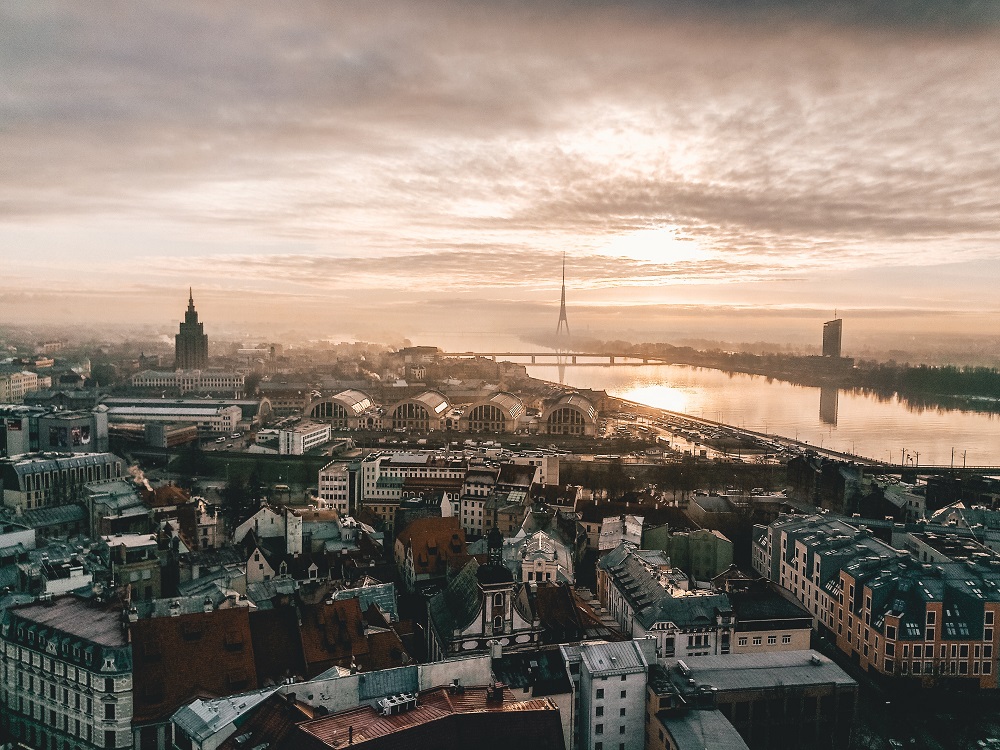
Riga is one of the Baltic region’s best city breaks. You get a beautiful old town, Art Nouveau streets, markets, river walks, cafés, museums, and an easy short-break rhythm.
To keep costs lower, compare stays outside the most obvious Old Town streets and use public transport when the weather is not ideal for walking.
6. Bratislava, Slovakia DANUBE • CASTLE • COMPACT

Bratislava is small enough for a short break but interesting enough for travellers who enjoy castles, cafés, the Danube, colourful streets, and a calmer pace than many bigger capitals.
Keep a flexible budget for one or two paid sights, then use the old town, castle area, riverfront, and viewpoints for low-cost exploring.
7. Moscow, Russia CURRENT ADVICE • CHECK FIRST

Moscow was included in the older version of this article because transport passes, major sights, and historic architecture could make it appear good value for a city break.
Do not treat Moscow as a normal leisure city break without checking current official travel advice. GOV.UK warns that UK government support in Russia is limited, while the U.S. Department of State lists Russia as Level 4: Do Not Travel. This entry should be treated as historical or future travel context, not a casual recommendation.
8. Prague, Czechia ROMANCE • BRIDGES • BEER

Prague is no longer the secret bargain it once was, especially in the busiest old-town areas. Still, it can be a strong-value city break compared with many Western European capitals.
Save by using public transport, eating away from the busiest squares, exploring bridges and parks, and staying in neighbourhoods with easy tram or metro access.
9. Budapest, Hungary THERMAL BATHS • DANUBE • NIGHTLIFE

Budapest is one of Europe’s most satisfying budget city breaks when planned well. You get thermal baths, food halls, ruin bars, bridges, river walks, churches, views, and impressive public transport.
Baths, nightlife, and central hotels can add up. Choose the paid experiences you really want, then balance them with free viewpoints and neighbourhood walks.
10. Athens, Greece ANCIENT HISTORY • FOOD • SUN

Athens is ideal if you want ancient history without building an expensive island-hopping itinerary. The Acropolis, old neighbourhoods, markets, viewpoints, cafés, and tavernas can fill a short trip beautifully.
Costs depend on season and hotel location. Summer heat can be intense, so shoulder season may be better for both comfort and price.
11. Warsaw, Poland HISTORY • MUSEUMS • MODERN ENERGY
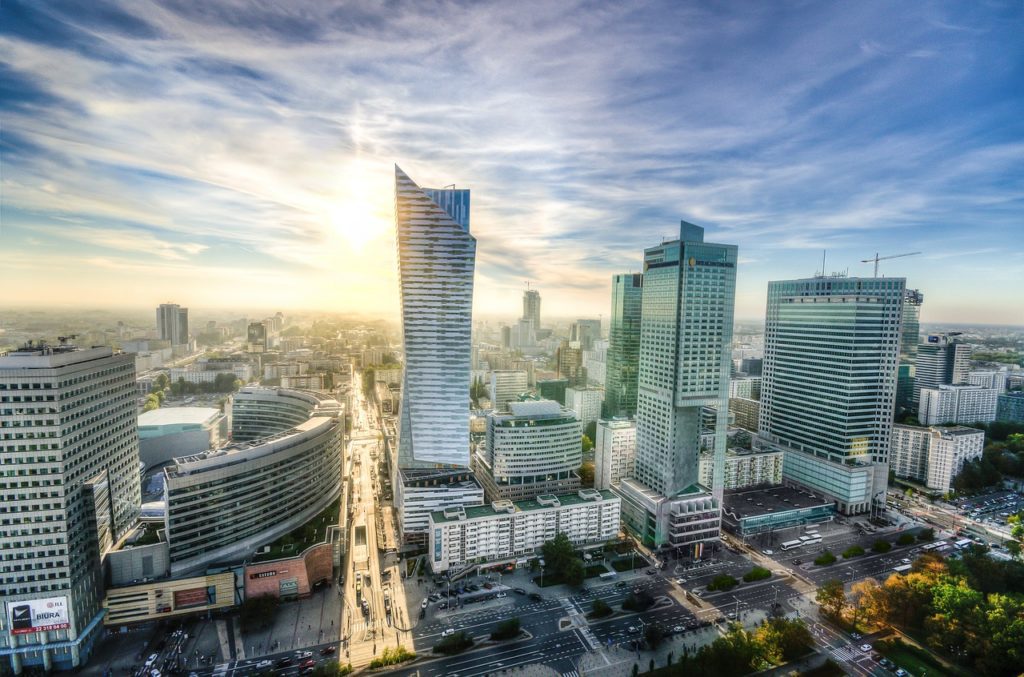
Warsaw is sometimes overlooked because Krakow feels more classically pretty, but Warsaw has powerful history, rebuilt streets, museums, parks, cafés, river areas, food, and a modern capital-city feel.
It can be excellent value when you use public transport, mix museums with free walking routes, and choose neighbourhoods with easy connections.
12. Porto, Portugal RIVER • TILES • FOOD

Porto is one of Western Europe’s more affordable-feeling city breaks when compared with the most expensive capitals. You can walk along the river, enjoy tile-covered streets, viewpoints, markets, bakeries, churches, and neighbourhood restaurants.
Porto has become more popular, so book rooms early if travelling in high season. The city is hilly, so factor comfort into your accommodation location.
How to Spend Less in European Cities
A cheap city can still become expensive if you book the wrong neighbourhood, eat beside major landmarks, take taxis everywhere, or visit only paid attractions.
Travel shoulder season
Spring and autumn often balance lower prices with better weather and fewer crowds.
Stay near public transport
A cheaper room far from transport can waste money and energy.
Eat away from landmark squares
Local cafés, lunch menus, bakeries, markets, and side streets usually offer better value.
Use free sights
Old towns, viewpoints, rivers, parks, markets, churches, bridges, and neighbourhood walks cost little or nothing.
Check event dates
Concerts, football, festivals, and conferences can make “cheap” cities expensive for a weekend.
Compare total city-break cost
Flights are only one part. Add hotel, transfers, meals, attractions, and transport.
Safety, Entry, and Planning Notes
Budget travel should still be safe and realistic. Before booking, check official travel advice, entry rules, passport validity, local laws, travel insurance, transport links, and neighbourhood reviews.
Check official advice
Government travel advice changes and can affect insurance, safety planning, and whether a trip is sensible.
Check entry rules
Passport validity, visas, local registration, and border rules vary by destination and nationality.
Check airport transfers
Late arrivals and distant airports can turn a cheap fare into an expensive taxi ride.
Check neighbourhoods
Cheap accommodation is only useful when the area is practical, safe, and well connected.
FAQs About Affordable Places to Visit in Europe
What are affordable places to visit in Europe? EUROPE • BUDGET
Affordable places to visit in Europe include Vilnius, Riga, Warsaw, Budapest, Bratislava, Bucharest, Belgrade, Porto, Athens, Prague, and selected parts of Istanbul. The best choice depends on flights, season, accommodation, safety advice, and travel style.
Which European cities are good for a cheap weekend break? EUROPE • BUDGET
Vilnius, Riga, Bratislava, Warsaw, Bucharest, Belgrade, Porto, and Budapest can work well for a cheaper weekend break because they offer walkable centres, public transport, food options, museums, parks, and affordable neighbourhoods.
Is Eastern Europe cheaper than Western Europe? EUROPE • BUDGET
Eastern and Central Europe are often cheaper than many Western European capitals, especially for accommodation, public transport, food, and local experiences. Prices still vary by season, neighbourhood, events, and hotel availability.
Is Prague still a cheap city break? EUROPE • BUDGET
Prague is not as cheap as it used to be in the busiest tourist areas, but it can still offer good value compared with many Western European capitals if you stay outside the old-town core and use public transport.
Is Moscow a good budget city break right now? EUROPE • BUDGET
Moscow may have appeared in older budget-Europe lists, but travellers should check current official government travel advice before considering Russia. Many governments currently warn against travel to Russia, so it should not be treated as a normal leisure city break.
How can I save money on a European city break? EUROPE • BUDGET
Travel in shoulder season, compare flight dates, stay near public transport, eat away from major squares, use local markets, walk when possible, mix free sights with paid attractions, and book only the experiences you truly care about.
Are city cost rankings always reliable? EUROPE • BUDGET
City cost rankings are helpful starting points, but they change each year. Hotel prices, exchange rates, events, season, and personal travel style can make your real trip cost different from any published ranking.
What should I check before booking a cheap European city? EUROPE • BUDGET
Check official travel advice, passport and entry rules, local transport, accommodation location, neighbourhood safety, event dates, weather, opening hours, and the total cost of flights, hotel, food, attractions, and airport transfers.
Final Thoughts: Europe Can Still Be Affordable
You do not need to drain your wallet to enjoy Europe. The trick is to choose cities where the daily experience is rich without being overpriced: walkable streets, public transport, local food, affordable museums, rivers, parks, markets, and neighbourhoods with character.
Use city rankings as a starting point, not a guarantee. Then compare flights, hotel dates, safety advice, season, local transport, and the exact experiences you want. With the right city and timing, Europe can still feel exciting, beautiful, and surprisingly affordable.
Sources and Further Reading
- Post Office Travel Money City Costs Barometer
- GOV.UK Foreign Travel Advice
- GOV.UK Russia travel advice
- U.S. Department of State Russia Travel Advisory
- Budget-Friendly European Vacations
- Cheap Travel Destinations: Best Places to Go on a Budget
- How to Travel Cheap: Follow These Simple Tips
- Best Ways to Get Cheap Flights
- What Is Travel Insurance – Quick Guide
Some links may be affiliate or sponsored links. This does not change the price you pay and helps support ChipJourney.