Key Takeaways
- The best travel adventure solution is not one single method. It is a mix of planning, flexibility, safety, confidence and curiosity.
- Organised tours are useful when you need structure. They can help with unfamiliar destinations, first-time travel, safety-sensitive routes and social travel.
- Independent travel gives you more freedom. It works best when you have a realistic route, backup plan, offline information and enough time.
- Travel partners can make trips easier, but solo travel has value too. Try both when the destination and your confidence level make sense.
- Living more like a local makes travel richer. Use public transport, eat in local places, learn a few phrases and spend time outside the most tourist-heavy streets.
- A fallback plan protects the adventure. Keep backup money, document copies, emergency contacts, insurance details and alternative accommodation or transport options.
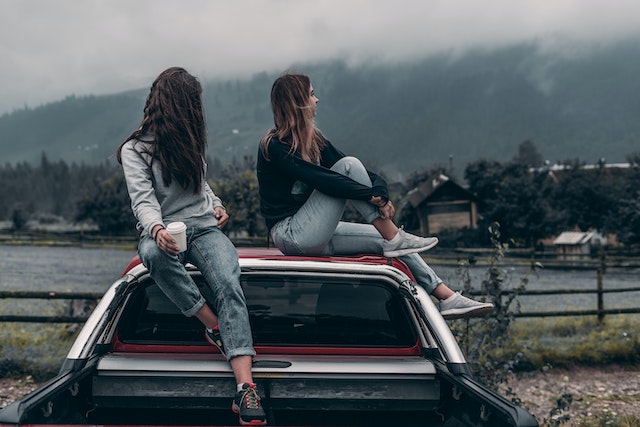
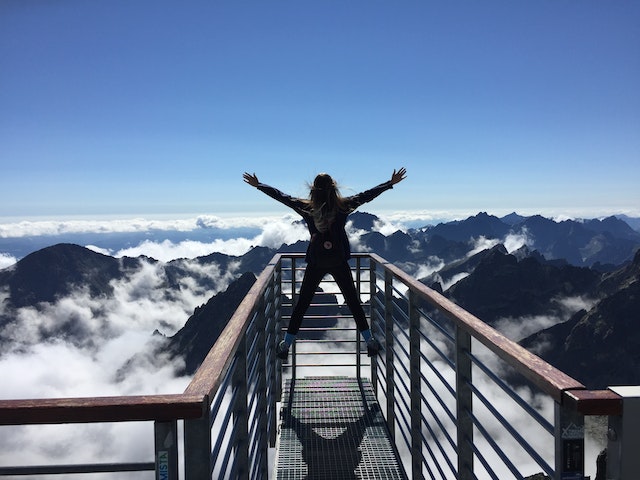
Adventure travel does not always mean climbing mountains, camping in remote places or booking extreme activities. Sometimes it simply means leaving your normal routine, exploring a new city, travelling with a friend, eating somewhere unfamiliar, joining a local tour or taking a solo trip for the first time.
The original article shared simple ideas for making travel more exciting. This rebuilt version turns those ideas into practical travel adventure solutions you can use for weekend trips, international holidays, solo travel, family adventures and longer journeys.
Quick Answer: What Are the Best Travel Adventure Solutions?
The best travel adventure solutions are to choose the right travel style, take organised tours when you need structure, travel with a friend when you want shared costs and support, build a plan with a backup plan, use travel videos for inspiration, understand what kind of traveller you are, leave room for spontaneity, try solo travel sometimes, learn useful local phrases, experience local life respectfully and choose accommodation that fits your comfort level and budget.
In This Guide
- Choose the Right Adventure Style
- Use Organised Tours When They Help
- Travel With a Friend
- Make a Plan and a Fallback Plan
- Use Travel Videos for Inspiration
- Know What Kind of Traveller You Are
- Leave Room for Spontaneity
- Try Solo Travel Sometimes
- Learn Useful Local Phrases
- Live More Like a Local
- Choose Accommodation That Fits the Trip
- Adventure Solution Comparison Table
- Common Adventure Travel Mistakes
- FAQ
- Sources and Further Reading
Choose the Right Adventure Style
The first travel adventure solution is understanding what “adventure” actually means to you. For one traveller, adventure is backpacking through Asia. For another, it is a food tour in a new city, a family road trip, a hiking weekend, a festival abroad or a quiet stay in a village away from the tourist centre.
Soft Adventure
City walks, food tours, scenic train rides, cultural activities, markets, museums, day hikes and local neighbourhood stays.
Active Adventure
Hiking, cycling, kayaking, camping, wildlife trips, island hopping, road trips and guided outdoor experiences.
Social Adventure
Group tours, hostels, festivals, language exchanges, cooking classes and travelling with friends.
Solo Adventure
Independent travel, self-planned routes, reflective trips and confidence-building experiences at your own pace.
Use Organised Tours When They Help
Organised tours are useful when you are visiting somewhere unfamiliar, short on time, nervous about logistics or interested in specialist knowledge. They can also be helpful for first-time travellers who want structure without planning every detail alone.
Tours are not always cheaper than doing it yourself, but they can save time and reduce stress. For remote areas, complicated transport routes, wildlife experiences or safety-sensitive activities, a good guide can be worth the cost.
When a Tour Makes Sense
- you have limited time;
- the route is hard to organise alone;
- you want local explanation and context;
- the area has safety or language challenges;
- you want to meet other travellers;
- you are travelling with children or a group.
Travel With a Friend
Travelling with a friend can make a trip more fun and affordable. You can split accommodation, transport and food costs. You can also share the planning workload and support each other when something goes wrong.
That said, choose your travel partner carefully. A good friend is not always a good travel match. Talk about budget, pace, interests, sleeping habits, food preferences and alone time before booking.
Why It Helps
Shared costs, shared memories, easier logistics, more confidence and someone to solve problems with.
What to Agree First
Budget, accommodation style, daily pace, must-see places, rest time, transport comfort and how flexible the plan should be.
Make a Plan and a Fallback Plan
Adventure is better when you have enough structure to avoid obvious problems. A good plan does not need to be rigid. It should simply cover the essentials: where you sleep, how you arrive, how you pay, what you do if something changes and how to get help.
- save offline maps;
- keep copies of important documents;
- have travel insurance details accessible;
- save your accommodation address offline;
- keep emergency contacts written somewhere;
- carry a backup payment method;
- know the local emergency number;
- choose a second transport or accommodation option when possible.
Use Travel Videos for Inspiration
Travel videos can help you understand the feel of a place before you go. They can show neighbourhoods, transport, food, prices, walking routes, weather and the reality behind polished photos.
Use videos for inspiration, but do not copy someone else’s itinerary exactly. Their budget, pace, comfort level and interests may be different from yours. Watch a few different creators so you get a more balanced view.
Know What Kind of Traveller You Are
One of the smartest travel adventure solutions is knowing yourself. Do you like slow mornings or early starts? Do you enjoy hostels or need privacy? Do you love museums, food, hiking, photography, nightlife, beaches or quiet cafés?
Ask Before You Book
What kind of trip gives me energy? What kind of trip drains me? What am I willing to spend money on? What can I skip without regret? What level of comfort do I need to actually enjoy the adventure?
Leave Room for Spontaneity
Having specific places in mind is helpful, but a trip becomes more memorable when you leave space for surprise. You might meet someone who recommends a neighbourhood, find a local restaurant, discover a viewpoint or decide to stay longer in a place you unexpectedly love.
The key is balance. Book the essentials, protect your budget and leave open time between bigger activities. Spontaneity works best when it sits inside a safe structure.
Try Solo Travel Sometimes
Solo travel can teach confidence, independence and self-awareness. It lets you choose your own pace and interests without constant compromise. It can also make you more open to meeting people because you are not always inside a familiar group.
Start small if you are new to it. Try a solo day trip, a weekend city break or a destination with strong transport and safe accommodation options before planning a longer solo adventure.
Good Solo Travel Habits
Share your itinerary, book the first night, arrive in daylight when possible, keep valuables secure and trust your instincts.
Easy Solo Trip Ideas
Food weekends, museum city breaks, walking holidays, retreat-style trips, train journeys and short domestic getaways.
Learn Useful Local Phrases
The original article suggested learning how to say “yes” in the local language. That is a good start, but a few extra phrases are even more useful. Learn hello, thank you, please, excuse me, yes, no, I do not understand, how much, where is, and help.
You do not need perfect pronunciation. A small effort often makes interactions warmer and shows respect for the place you are visiting.
Live More Like a Local
You do not have to avoid tourist sights, but try not to make the whole trip feel like a checklist. Eat in local neighbourhoods, use public transport, visit markets, respect local customs and spend time watching everyday life unfold.
The original article also linked to a travel adventure social page. You can still explore Travel Adventure Solutions on Facebook for extra inspiration, but always verify travel advice with official or current sources before relying on it.
Choose Accommodation That Fits the Trip
Accommodation can change the whole feel of an adventure. A hostel may help you meet people and save money. A guesthouse may feel more local. A central hotel may save time. An apartment may help families or long-stay travellers cook and rest properly.
| Accommodation Type | Best For | Check Before Booking |
|---|---|---|
| Hostels | Budget travel, solo travellers and social trips. | Lockers, reviews, quiet hours, kitchen and location. |
| Guesthouses | Local feel, simple comfort and slower travel. | Transport access, recent reviews and check-in rules. |
| Hotels | Convenience, privacy, families and short trips. | Hidden fees, cancellation terms, breakfast and transport. |
| Apartments | Long stays, families and travellers who cook. | Cleaning fees, safety, neighbourhood and house rules. |
| Camping or cabins | Nature, road trips and outdoor adventures. | Weather, facilities, permits, safety and gear needs. |
Adventure Solution Comparison Table
Use this table to decide which travel adventure solution fits your next trip.
| Solution | Best For | Be Careful If... |
|---|---|---|
| Organised tour | First trips, limited time, remote areas and guided learning. | The tour is rushed, overpriced or not your travel style. |
| Travel with a friend | Shared costs, support and fun memories. | You disagree on pace, budget or priorities. |
| Solo travel | Independence, confidence and flexible days. | You have not researched safety or arrival logistics. |
| Flexible itinerary | Spontaneous discoveries and lower stress. | You skip booking essentials during busy seasons. |
| Local-style travel | Food, culture, markets and real neighbourhoods. | You ignore local customs or safety basics. |
Common Adventure Travel Mistakes
- Planning every minute. This leaves no room for delays, rest or surprise discoveries.
- Having no backup plan. Weather, transport and accommodation problems are easier with a fallback.
- Choosing the wrong travel partner. Budget and pace disagreements can spoil the trip.
- Forgetting travel health basics. Medication, insurance and emergency information matter more on adventurous trips.
- Copying social media itineraries blindly. What looks perfect online may not fit your budget, energy or season.
- Ignoring local customs. Respectful behaviour makes travel smoother and safer.
- Overpacking. Adventure feels harder when every move involves a heavy bag.
Conclusion: Build an Adventure That Fits You
There is no single best way to plan an adventure. The best solution is the one that fits your budget, confidence, destination and travel personality. Some trips need organised tours. Some need a friend. Some need quiet solo time. Some need nothing more than a weekend away and a flexible plan.
Start with a realistic route, make a backup plan, choose accommodation that supports the trip, learn a few local phrases and leave enough room for discovery. That balance — structure plus spontaneity — is what turns a simple trip into a real adventure.
More Travel Adventure Ideas
For destination inspiration, read Best Places to Travel in the World: 10 Trip Ideas.
FAQ
What are travel adventure solutions?
Travel adventure solutions are practical ways to make a trip easier, safer and more enjoyable. They include choosing the right travel style, building a flexible plan, using organised tours when useful, preparing backup options, packing properly, learning basic local phrases and choosing accommodation that fits your budget.
Is an organised tour better than planning a trip yourself?
An organised tour can be better for first-time visitors, remote areas, safety-sensitive destinations or travellers who want less planning. Independent travel can be better for flexibility, slower routes and lower costs. The best option depends on your comfort level and destination.
How do I plan an adventure trip without getting overwhelmed?
Start with one clear travel goal, choose a realistic route, set a budget, book the essentials, leave free time, save offline maps and create a simple backup plan for transport, accommodation and emergencies.
Is solo travel a good adventure solution?
Solo travel can be excellent if you want independence, self-confidence and flexibility. It works best when you research safety, share your itinerary with someone you trust, book the first night in advance and avoid unnecessary risks.
Should I travel with friends or alone?
Both can be valuable. Travelling with friends can reduce costs and make planning easier, while solo travel gives you freedom and helps you learn more about yourself. Many travellers benefit from trying both at different times.
How can I live more like a local while travelling?
Stay in neighbourhoods outside the most tourist-heavy streets, use public transport, visit markets, try local restaurants, learn a few phrases, respect local customs and leave time for everyday experiences rather than only major attractions.
What is a good backup plan for travel?
A good backup plan includes saved offline maps, a second accommodation option, emergency contacts, travel insurance details, extra payment methods, copies of important documents and a rough plan for what to do if transport or weather changes.
Sources and Further Reading
- U.S. Department of State: Traveler’s Checklist
- CDC Travelers’ Health: Pack Smart
- Leave No Trace: Seven Principles
- UK Government: Foreign travel checklist
- Best Places to Travel in the World: 10 Trip Ideas
- Must-Know Travel Tips: Smarter, Safer Trip Planning
- Best Tips for Planning the Perfect Vacation
- How to Travel Cheap: Practical Tips to Save Money
- The Ultimate Overnight Backpacking Checklist for Hiking
Affiliate Disclosure: This article may contain affiliate links, travel booking links, tour links, hotel links or travel planning resources. If you book or buy through one of these links, ChipJourney may earn a small commission at no extra cost to you.