Key Takeaways
- Most “pilot secrets” are not scary secrets. They are practical flight facts that passengers rarely hear explained in plain English.
- Aircraft are not sent out with “barely enough fuel”. Fuel is planned carefully because weight matters, but flights also require reserves and safety margins.
- Turbulence is usually more uncomfortable than dangerous for the aircraft, but it can injure people who are standing or not wearing a seat belt.
- Autopilot does not replace pilots. It helps manage workload, while pilots continue monitoring, communicating, planning and making decisions.
- Morning flights may feel smoother in some conditions, especially where afternoon heating and thunderstorms make the air bumpier.
- Following crew instructions is the simplest safety habit. Seat belts, phone rules, laptop storage and cabin announcements exist for practical reasons.

Flying can feel mysterious when you are sitting in the cabin with only a few announcements to explain what is happening. The aircraft makes noises, the seat belt sign comes on, the plane turns unexpectedly, your phone goes into airplane mode, and suddenly the whole experience feels full of unanswered questions.
This rebuilt guide explains the things airline pilots won’t always tell you in detail, not as scary rumours, but as useful passenger-friendly flight facts. It also corrects a few old flying myths so the article is safer, clearer and more helpful for nervous flyers.
Quick Answer: What Do Airline Pilots Rarely Explain to Passengers?
Airline pilots rarely have time to explain every detail of fuel planning, turbulence, autopilot, phone rules, seating comfort, delays, cabin noises or emergency procedures. The simple version is this: aircraft fuel is carefully planned with reserves, turbulence is usually managed safely but seat belts matter, autopilot assists rather than replaces pilots, phones and laptops must be handled safely, and many delays or on-time decisions are shaped by air traffic, weather, connections, crew rules and airline operations.
In This Guide
- 1. Fuel Planning Is More Careful Than It Looks
- 2. Morning Flights Can Feel Smoother
- 3. Autopilot Does Not Replace Pilots
- 4. The Cockpit Is Professional, Not Movie-Perfect
- 5. Seat Choice Can Affect How Bumps Feel
- 6. Phone and Laptop Rules Are Practical
- 7. Water Landings Are Rare, But Procedures Exist
- 8. Turbulence Is Usually Not a Reason to Panic
- 9. On-Time Performance Matters
- 10. Pilot Announcements Are Carefully Worded
- Common Passenger Mistakes
- FAQ
- Sources and Further Reading
1. Fuel Planning Is More Careful Than It Looks
One old flying myth says planes are “always light on fuel”. A more accurate explanation is that airlines avoid carrying unnecessary extra fuel because fuel itself adds weight, and extra weight increases cost. That does not mean planes leave with barely enough to arrive.
Commercial flights are planned with the route, weather, destination, alternate options, expected delays and reserve requirements in mind. Pilots and dispatch teams take fuel seriously because it affects both safety and efficiency.
What Passengers Should Know
A flight may not carry unlimited spare fuel, but it is not supposed to depart without proper reserves and planning.
Why It Matters
Carrying too much fuel wastes weight. Carrying too little is unsafe. The job is to plan the right amount for the flight and conditions.
2. Morning Flights Can Feel Smoother
Nervous travellers often prefer early flights, and there is a practical reason for that. In some places, daytime heating can make the air bumpier later in the day, and thunderstorms are often more likely after the ground has warmed.
The older article linked to CheatSheet for a simple explanation of why earlier flights may feel smoother. This does not mean every morning flight is calm or every afternoon flight is rough, but it is a useful tip for passengers who get anxious about bumps.
If you are trying to reduce stress and save money, this related ChipJourney guide is also helpful: Best Ways to Get Cheap Flights.
3. Autopilot Does Not Replace Pilots
Autopilot is one of the most misunderstood parts of flying. It can help with navigation, altitude, heading and workload, especially during long cruise sections. But it does not turn pilots into passengers.
Pilots still manage the flight, communicate with air traffic control, monitor systems, handle weather changes, prepare approaches, manage checklists, respond to abnormal situations and take manual control when needed.
Simple Way to Think About It
Autopilot is a tool. The pilots are still responsible for the flight.
4. The Cockpit Is Professional, Not Movie-Perfect
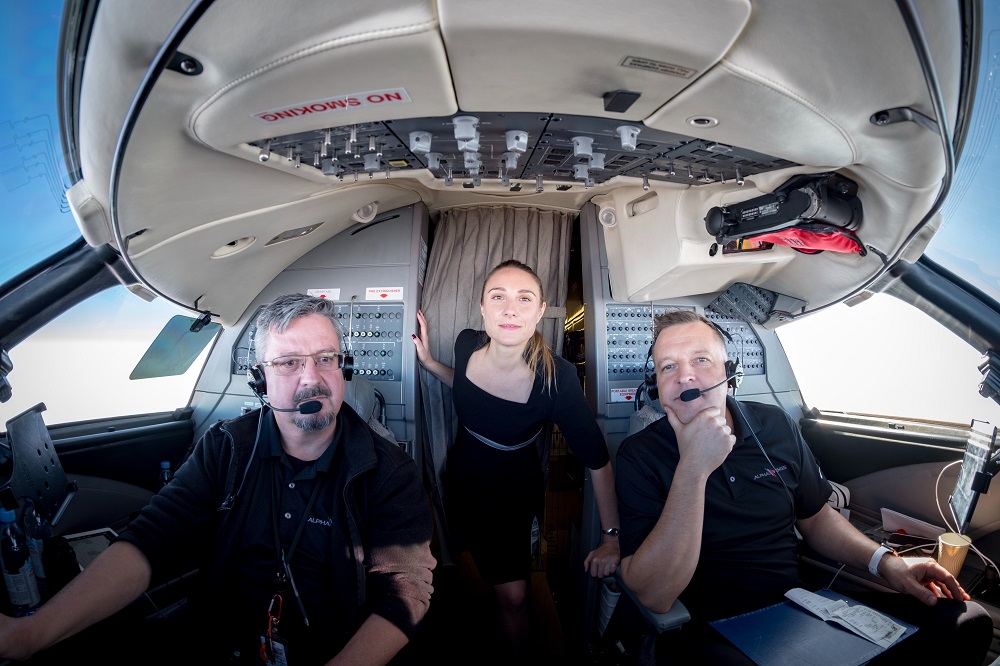
Movies often make pilots look formal every second of the flight. In real life, the cockpit is professional, procedural and safety-focused, but pilots are still human beings working long shifts, managing workload and staying comfortable enough to do the job properly.
What matters most is not whether a pilot looks like a movie character every second. It is training, discipline, checklists, communication and decision-making.
5. Seat Choice Can Affect How Bumps Feel
If turbulence makes you nervous, seat choice can help a little. Many passengers feel less movement around the wing area because it is close to the aircraft’s centre of lift. The back of the aircraft can sometimes feel bumpier.
For Nervous Flyers
Choose a seat near the wings if available, keep your seat belt fastened and use calming routines such as music, breathing or a familiar film.
For Better Rest
Window seats can help if you want to lean and sleep, while aisle seats are better if you need to move around.
6. Phone and Laptop Rules Are Practical
Passengers often think phone rules are only about radio interference. That is part of the wider discussion, but cabin safety is practical too. Loose phones, tablets and laptops can move during sudden braking, takeoff, landing or turbulence.
The original article linked to The Telegraph on this point, and the practical message still matters: if the crew asks you to store a laptop, switch to airplane mode or put away a device, follow the instruction.
7. Water Landings Are Rare, But Procedures Exist
The old idea that “water landings do not exist” is not accurate. A controlled emergency landing on water is called a ditching. It is rare, serious and not something passengers should casually expect, but aviation procedures and safety briefings do account for overwater emergency scenarios.
This is why crew members explain life vests, exits, brace positions and evacuation instructions. Most passengers will never need that information, but if an emergency happens, listening matters.
8. Turbulence Is Usually Not a Reason to Panic
Turbulence can feel dramatic, but aircraft are designed to handle far more than most passengers imagine. The main passenger risk is usually not the plane itself; it is injury from being out of your seat, not wearing a seat belt, or having loose objects around you.
That is why one of the best habits is simple: keep your seat belt fastened when seated, even when the sign is off.
What Helps
Choose a wing-area seat, keep your belt on, store heavy items properly and listen to crew instructions.
What Does Not Help
Watching the wings, tracking every sound or reading scary turbulence stories during the flight usually increases anxiety.
9. On-Time Performance Matters
Airlines care about on-time performance because delays can affect aircraft schedules, crew limits, airport slots, connections, baggage handling and future flights. That is why a flight may not wait for every late passenger, even when it feels frustrating.
For passengers, the best protection is to arrive early, leave enough connection time, avoid tight self-transfer itineraries and check boarding times carefully.
10. Pilot Announcements Are Carefully Worded
Pilot announcements are not random. They are designed to give passengers useful information without creating unnecessary panic. A pilot may explain that the aircraft is returning, diverting or waiting for maintenance in calm, simple language because that is better than dramatic wording.
This does not mean pilots are hiding danger from passengers. It means aviation communication is measured, professional and focused on what passengers need to know.
Common Passenger Mistakes
- Unbuckling too quickly. Unexpected turbulence can happen even when the flight feels calm.
- Ignoring crew instructions. Cabin crew instructions are part of safety, not just manners.
- Leaving laptops loose. Heavy devices can move during turbulence, takeoff or landing.
- Booking risky connections. Very short connections can become stressful if the first flight is delayed.
- Reading fear-based flying myths before a flight. This can make normal sounds and bumps feel worse.
- Assuming every delay is avoidable. Weather, air traffic, maintenance and crew rules can all affect timing.
The Bottom Line
Most things airline pilots “won’t tell you” are not frightening secrets. They are normal aviation realities: fuel is planned carefully, turbulence is managed, autopilot is a tool, device rules have practical reasons, and announcements are worded calmly on purpose.
If you are a nervous flyer, focus on what helps: book sensible flight times, arrive early, keep your seat belt fastened, follow crew instructions and choose a seat near the wing if bumps worry you. Flying feels easier when you understand what is happening behind the cabin door.
FAQ
Do pilots really fly the plane or does autopilot do everything?
Pilots fly and manage the aircraft throughout the flight. Autopilot can reduce workload during parts of the journey, but pilots still monitor systems, communicate with air traffic control, make decisions, handle changes and take manual control when needed.
Is turbulence dangerous?
Turbulence is usually not dangerous to the aircraft, but it can injure passengers or crew who are not seated or not wearing a seat belt. The safest habit is to keep your seat belt fastened whenever you are seated.
Are planes really low on fuel?
Commercial flights are planned with required fuel, reserve fuel and contingency planning. Airlines do not simply depart with barely enough fuel; fuel is planned carefully because carrying too much adds weight, while carrying too little is unsafe and not permitted.
Why do pilots ask passengers to use airplane mode?
Airplane mode helps reduce potential interference and keeps devices from transmitting when the aircraft is operating. Airlines and aviation authorities set specific rules, so passengers should follow crew instructions.
Is the middle of the plane better for nervous flyers?
Many passengers feel less movement near the wings because that area is close to the aircraft’s centre of lift. It will not remove turbulence, but it may feel steadier than the very back of the plane.
Are morning flights smoother?
Morning flights can sometimes be smoother because afternoon heating can contribute to bumps and thunderstorms in some regions. This is not guaranteed, but nervous flyers often prefer earlier departures.
Can planes land on water?
A controlled emergency water landing is called a ditching. It is rare and serious, but aircraft and crews have emergency procedures for overwater operations and passengers should always listen to safety briefings.
Sources and Further Reading
- FAA: Turbulence – Staying Safe
- IATA: Make Your Journey Safe
- FAA: Use of Portable Electronic Devices Aboard Aircraft
- eCFR: 14 CFR § 121.639 Fuel supply for domestic operations
- Best Ways to Get Cheap Flights
- Which Are the Best Apps to Help You Travel Through the World?
- Suitcase Packing Tips: How to Pack Smarter for Any Trip
- How to Travel Cheap: Practical Tips to Save Money
- Best Tips for Planning the Perfect Vacation
Affiliate Disclosure: This article may contain affiliate links, travel booking links, flight resources or travel planning links. If you book or buy through one of these links, ChipJourney may earn a small commission at no extra cost to you.