Key Takeaways
- Your primary consideration when buying a tent should be how and where you will use it. A family car-camping tent and a backpacking tent are not built for the same job.
- Season rating matters more than brand name. A 3-season tent is fine for many fair-weather trips, while winter or exposed mountain camping may require stronger shelter.
- Choose the right size for people plus gear. A “2-person” tent can feel tight if you also need room for bags, pets or bad-weather comfort.
- Weather protection, ventilation and setup difficulty are practical buying factors that matter once you are actually at camp.
- Budget matters, but the cheapest tent is not always the best value if it leaks, breaks, overheats or takes too long to pitch.
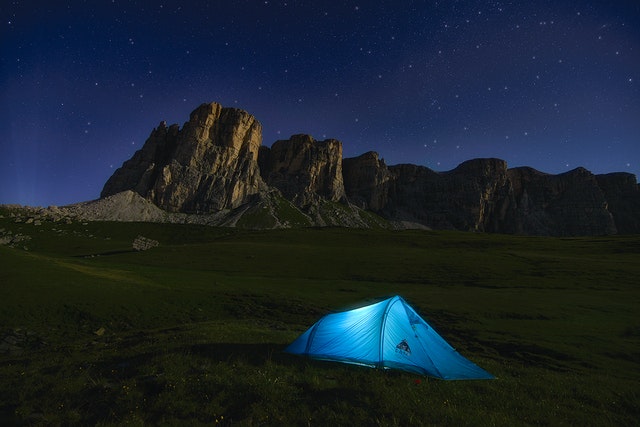
If you have ever tried to buy a tent, you already know how confusing it can feel. There are different brands, sizes, shapes, seasons, fabrics, pole systems, waterproof ratings and price points. Some tents look almost identical online, yet one is designed for relaxed summer camping and another is built for rougher weather.
The best way to choose a tent is to start with the trip, not the product. Think about who will sleep in it, where you will pitch it, what weather you may face, how far you need to carry it and how quickly you want to set it up.
Quick Answer: What Is the Primary Consideration When Purchasing a Tent?
The primary consideration when purchasing a tent is matching the tent to your camping style and expected conditions. For car camping, prioritise space, comfort, setup and weather protection. For backpacking, prioritise weight, pack size, durability and reliable shelter. For winter or exposed locations, prioritise season rating, wind strength, waterproofing and ventilation.
In This Guide
Quick Tent Buying Selector
Use this quick selector to narrow down what type of tent makes sense before comparing brands and prices.
Example: For 2-person car camping in mild weather, prioritise comfort, easy setup, ventilation and enough space for gear.
Tent Buying Comparison Table
| Consideration | Why It Matters | Best Choice For | Common Mistake |
|---|---|---|---|
| Season rating | Shows the weather conditions the tent is designed for | Matching tent to summer, rain, wind or winter use | Using a summer tent in cold exposed weather |
| Size and capacity | Affects comfort, gear storage and sleep quality | Families, couples, pet owners and longer stays | Assuming “2-person” means spacious for two people plus bags |
| Weight | Critical when you carry the tent on foot | Backpacking and hiking trips | Buying a huge car-camping tent for a walking route |
| Waterproofing | Helps keep you dry in rain and wet ground | Rainy campsites and changeable climates | Ignoring seams, rainfly coverage and floor protection |
| Setup | Matters when arriving tired, late or in bad weather | Beginners, families and quick overnight trips | Never practising before the first trip |
| Ventilation | Helps reduce condensation and stuffiness | Warm weather and damp conditions | Choosing a poorly ventilated tent because it “looks warmer” |
Season Rating
The season you plan to camp in is one of the most important tent-buying factors. A basic summer tent can be comfortable in warm, calm weather, but it may struggle in heavy rain, strong wind or cold conditions.
- 2-season tents: best for warm, mild weather and casual summer camping.
- 3-season tents: the most common choice for spring, summer and autumn camping.
- 4-season tents: designed for colder, windier or snowier conditions, often with stronger poles and less mesh.
- Family/campsite tents: often prioritise space and comfort over low weight.
Tent Size and Sleeping Capacity
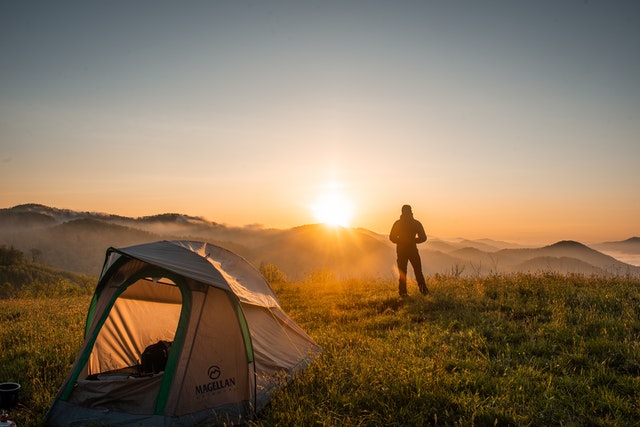
Tent capacity labels are often optimistic. A 2-person tent may technically fit two sleeping pads, but it might not leave much room for gear, boots, backpacks or comfortable movement.
Simple Size Rule
If comfort matters and weight is not a major issue, consider sizing up by one person. Two campers may be happier in a 3-person tent, especially on longer trips or rainy weekends.
Weather Protection and Ventilation
Rain, wind, sun and condensation can all affect how comfortable a tent feels. Good weather protection is more than just a waterproof label.
Rainfly Coverage
A full-coverage rainfly usually protects better than a tiny cap-style fly in heavy rain.
Floor Strength
A bathtub-style floor and groundsheet can help protect against wet ground and abrasion.
Ventilation
Mesh panels and adjustable vents help reduce condensation and overheating.
Wind Stability
Low profiles, good pole structure, guylines and proper staking improve stability.
Weight and Packed Size
Weight matters most when you carry the tent. A heavier tent may be fine for car camping, but it can feel miserable on a backpacking route. For backpacking, compare total packed weight, packed size and how the tent divides between people.
For family camping, weight is less important than interior height, sleeping space, storage areas, doors, setup time and weather protection.
Setup Difficulty
A tent that looks great online can be frustrating if it takes too long to pitch or needs two people in perfect weather. Beginners should look for clear pole colour coding, simple clips, good instructions and a shape that is easy to tension.
Always practise pitching the tent at home before the first trip. This helps you check missing parts, understand the pole system and avoid stress when you arrive at camp tired or in the rain.
Tent Features That Actually Matter
Features can make camping easier, but too many extras can add weight, cost and complexity. Focus on features that solve real problems.
- Vestibule: useful for shoes, wet gear and backpacks.
- Two doors: helpful for couples or family tents so people can get out without climbing over each other.
- Interior pockets: useful for phones, headlamps and small items.
- Gear loft: helpful for small essentials but not always necessary.
- Good stakes and guylines: often underrated but important for stability.
- Footprint or groundsheet: can protect the tent floor on rough or wet ground.
Price, Brand and Value
Price is an important consideration, but value matters more than the cheapest sticker price. A budget tent can be good for occasional summer use, while a more expensive tent may be worth it if you camp often, face rough weather or need a lighter backpacking shelter.
Brand can be a helpful trust signal, especially when a company has a strong record for outdoor gear, replacement parts and customer support. Still, do not buy by brand alone. Compare the tent’s season rating, materials, setup, reviews, weight and warranty.
Tent Buying Checklist
- Decide whether the tent is for car camping, backpacking, festivals, family camping or winter trips.
- Choose the right season rating for the weather you expect.
- Size up if you need comfort, gear space or room for pets.
- Check packed weight if you will carry the tent on foot.
- Look for strong poles, quality seams, full rainfly coverage and good ventilation.
- Check doors, vestibules, pockets and storage features.
- Read reviews from people using the tent in similar conditions.
- Practise pitching before the first real camping trip.
Conclusion: Buy the Tent That Fits Your Real Camping Style
There is no single best tent for every camper. Your primary consideration should be how you will use the tent: season, weather, number of people, camping style, comfort needs, weight and budget.
If you camp near your car, choose comfort and easy setup. If you backpack, choose low weight and dependable shelter. If you expect strong wind, cold or snow, choose a tent made for those conditions. The right tent is the one that makes your actual trip safer, easier and more comfortable.
FAQ
What is the most important thing to consider when buying a tent?
The most important thing is matching the tent to your camping style and weather conditions. Size, season rating, waterproofing, weight and setup difficulty should all fit the type of trips you plan to take.
Should I buy a 2-person or 3-person tent?
If you are backpacking and need to save weight, a 2-person tent may be fine for two people. If comfort and gear space matter more, a 3-person tent is often more comfortable for two campers.
Is a 3-season tent enough?
A 3-season tent is enough for many spring, summer and autumn camping trips. It is not the right choice for serious winter camping, heavy snow or exposed mountain conditions.
Does a more expensive tent always mean better quality?
Not always. Expensive tents may offer lighter materials, stronger construction or better weather protection, but the best value depends on how often you camp and what conditions you face.
How do I know if a tent is waterproof?
Check the rainfly coverage, floor design, seam sealing, fabric rating and reviews from real users in rainy conditions. A full rainfly and bathtub floor are useful signs of better wet-weather protection.
Should beginners choose an instant tent?
Instant tents can be helpful for car camping and beginners who want fast setup. They are usually bulkier and heavier, so they are not ideal for backpacking or long walking routes.
Sources and Further Reading
- REI: How to Choose a Backpacking Tent
- REI: How to Choose a Camping Tent
- National Park Service: Camping Basics
- Leave No Trace: Travel and Camp on Durable Surfaces
- ChipJourney: How to Stay Warm While Tent Camping
- ChipJourney: Best Size Solar Panel for Camping
- ChipJourney: Solar Inflatable Lantern Great for Camping
- ChipJourney: Best Scout Camping Gadgets
Affiliate Disclosure
Some links on ChipJourney may be affiliate links. If you buy through a qualifying link, we may earn a small commission at no extra cost to you. This helps support the site and keeps our camping guides free to read.