Key Takeaways
- A camping tent cannot be made fully safe from lightning. The safest plan is to avoid being in a tent during a thunderstorm.
- Move to a substantial building or a hard-topped vehicle before the storm reaches you. Do not wait until rain starts.
- Avoid isolated trees, ridges, open fields, beaches, water, metal fences, poles, power lines and exposed high ground.
- If you can hear thunder, you are close enough to be struck. Stay in safe shelter until at least 30 minutes after the last thunder.
- This rebuilt guide keeps the original camping safety topic, affiliate tent links, image, ads, share buttons, comments, sidebar and layout.
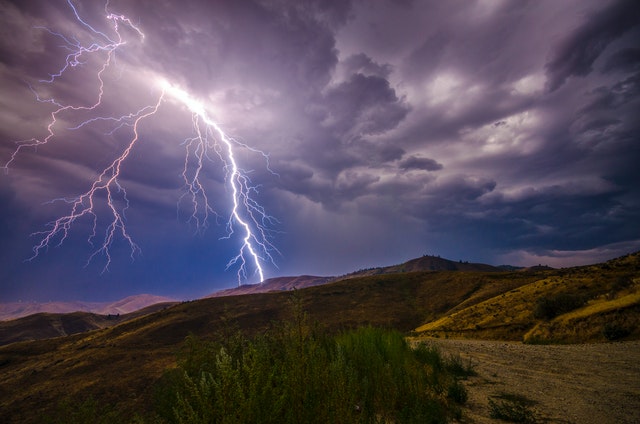
Thunderstorms can turn a peaceful camping trip into a serious safety problem very quickly. A tent may protect you from rain and wind, but it is not a safe lightning shelter. Metal poles, wet ground, nearby trees, open fields and water can all increase danger during a storm.
This rebuilt guide corrects and expands the original post into a clearer camping lightning safety article. It explains what a tent can and cannot do, where to shelter, what to avoid, how to plan before you go, and what to do if you are caught away from a safe building or vehicle.
Quick Answer: Can You Make A Camping Tent Safe From Lightning?
No camping tent can be made fully safe from lightning. The safest action is to plan ahead, monitor the weather, and move to a substantial enclosed building or a hard-topped vehicle before thunderstorm conditions reach the campsite. A tent, open shelter, picnic shelter or small shed should not be treated as lightning protection.
Why Tents Are Not Lightning Safe
A tent does not provide the protection of a substantial building or a hard-topped vehicle. It has thin fabric, may include metal poles or stakes, sits directly on the ground, and is often placed near trees or open areas. A strike nearby can still create dangerous ground current, side flash, contact voltage or flying debris.
| Risk | What It Means For Campers | Better Action |
|---|---|---|
| Direct strike | Lightning strikes the tent area, pole, nearby object or ground. | Leave the tent before storms arrive. |
| Ground current | Electricity spreads through the ground after a nearby strike. | Avoid open ground, wet areas and exposed campsites. |
| Side flash | Lightning jumps from a struck tree or object to a nearby person or shelter. | Stay away from isolated trees and tall objects. |
| Contact voltage | A person touches a conductive object affected by lightning. | Avoid metal fences, poles, wires, stakes and wet ropes. |
Before The Camping Trip: Make A Lightning Plan
The safest lightning decision happens before the storm, not during it. Check the weather forecast before leaving, know where the nearest safe shelter is, and avoid remote campsites if thunderstorms are likely.
- Check weather alerts
- Know your nearest building
- Know your vehicle location
- Avoid exposed campsites
- Have an exit plan
- Keep phones charged
- Do not ignore thunder
- Postpone if needed
At The First Sign Of Thunder
If you hear thunder, lightning is close enough to be dangerous. Do not wait for heavy rain, do not keep cooking, and do not assume the tent is enough. Start moving to safe shelter immediately.
Stop activities
Pause cooking, fishing, swimming, hiking, climbing or setting up gear.
Move early
Head to a substantial building or hard-topped vehicle before the storm is overhead.
Wait it out
Stay sheltered until at least 30 minutes after the last thunder.
Do not return too soon
Many strikes happen before or after the heaviest rain, not only during it.
Best Shelter Options During Lightning
The best shelters are substantial enclosed buildings with wiring and plumbing, or fully enclosed hard-topped vehicles with the windows up. Open-sided shelters, picnic shelters, small sheds, tents and canopies are not safe lightning shelters.
| Shelter Option | Safe? | Notes |
|---|---|---|
| Substantial enclosed building | Best option | Go inside and avoid corded phones, plumbing and electrical equipment during the storm. |
| Hard-topped vehicle | Good option | Keep windows up and avoid touching metal parts. |
| Tent | Not safe | Fabric and poles do not create proper lightning protection. |
| Picnic shelter or open shelter | Not safe | Open sides do not protect you from lightning. |
| Under a tree | Dangerous | Trees can be struck and cause side flash or falling branches. |
Places And Objects To Avoid
During a thunderstorm, avoid anything that makes you exposed, isolated, elevated, wet or connected to conductive objects.
- Avoid isolated trees and tall single objects.
- Avoid open fields, ridges, hilltops, beaches and exposed viewpoints.
- Move away from lakes, rivers, streams, wet ground and swimming areas.
- Stay away from metal fences, poles, wires, power lines, bikes and large metal objects.
- Do not touch tent poles, metal stakes, wet guy lines or conductive gear during lightning.
- Do not shelter under cliffs, small overhangs or isolated structures without proper protection.
If You Are Caught Outside With No Safe Shelter
There is no completely safe place outside during a thunderstorm. If you cannot reach a building or hard-topped vehicle, reduce your risk as much as possible: move away from tall objects, spread out from other people, avoid water and metal, and get to the lowest nearby area that is not flooded.
Do not lie flat on the ground, because that increases contact with ground current. Your best protection is still to avoid this situation by leaving exposed campsites early when thunder is possible.
Safer Tent Setup Habits Before Storms Develop
Good campsite choice cannot make a tent lightning-proof, but it can reduce some obvious hazards.
Avoid exposed high ground
Do not pitch on ridges, hilltops, open fields or the highest point in an area.
Avoid isolated trees
Do not pitch beside a lone tall tree or a small cluster of the tallest trees around.
Stay away from water
Do not camp right beside lakes, rivers or shorelines when storms are possible.
Know the exit route
Before dark, know exactly how you would reach a building or vehicle quickly.
Recommended Camping Tent Links
The original post included several tent-related affiliate links. They are preserved below in a cleaner, readable section. These products do not make a tent safe from lightning; they are general tent-shopping links only.
FAQ About Camping Tent Lightning Safety
Can a camping tent protect you from lightning?
No. A camping tent should not be treated as a lightning-safe shelter. Move to a substantial enclosed building or hard-topped vehicle when thunder is possible.
Is it safe to stay in a tent during a thunderstorm?
No outdoor place is completely safe during a thunderstorm, and tents are not safe lightning shelters. Leave early for proper shelter.
Should I hide under a tree during lightning?
No. Isolated trees and tall objects are dangerous because they can be struck directly and create side flash, ground current or falling branches.
Is a car safe during lightning?
A fully enclosed hard-topped vehicle can be a safer shelter if you keep the windows closed and avoid touching metal parts. Open vehicles are not safe.
How long should campers wait after thunder stops?
A common safety rule is to wait at least 30 minutes after the last thunder before returning to outdoor activities or the campsite.
Can metal tent poles attract lightning?
Lightning risk is more complicated than one pole “attracting” lightning, but metal can conduct electricity. Do not rely on a tent with metal poles for lightning protection.
Sources And Further Reading
- National Weather Service: Outdoor lightning safety
- National Weather Service: Lightning safety overview
- CDC: Lightning safety guidelines
- Weather-Ready Nation: Camping lightning safety message
- ChipJourney: How Do You Survive A Storm In A Tent?
- ChipJourney: Best Tent Camping Sites
- ChipJourney: Family Camping Essentials List
Important Safety Disclaimer
This article is general camping safety information, not emergency advice. If severe weather is possible, follow official weather warnings, campground rules, park ranger instructions and local emergency guidance.