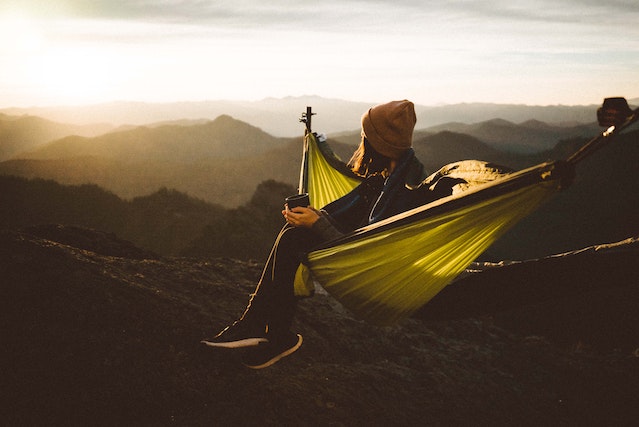
Key Takeaways
- Winter hammock camping is possible, but the insulation matters most. A hammock alone will not protect you from cold air moving underneath your body.
- Your core system should include bottom insulation, top insulation, a tarp, warm clothing layers, and reliable suspension. Missing one of these can make a cold night uncomfortable or unsafe.
- An underquilt is usually the biggest winter upgrade. A sleeping pad can help, but an underquilt is often warmer and more comfortable because it wraps the underside of the hammock.
- Wind, moisture, and poor site choice are major problems in winter. Pitch the tarp low, stay dry, avoid exposed areas, and check the forecast before leaving.
- Beginners should test gear close to home first. Practise in mild cold before attempting below-freezing hammock camping or remote winter trips.
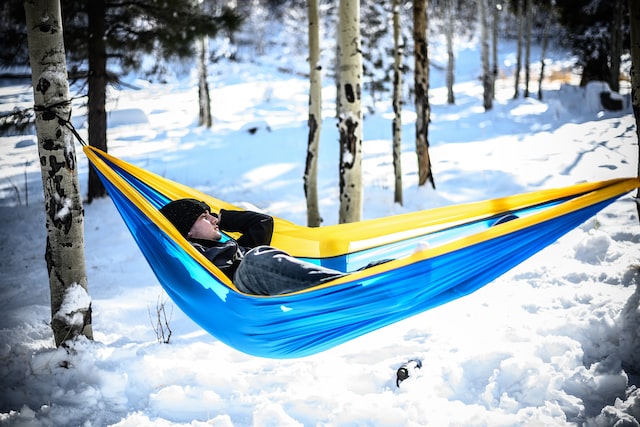
Winter hammock camping can be peaceful, quiet and surprisingly comfortable, but only when you bring the right gear. In warm weather, a hammock can feel simple. In cold weather, the same setup can become uncomfortable fast because cold air passes under the hammock and pulls heat away from your body.
This winter hammock camping gear list explains the main equipment you need: a reliable hammock, shelter system, underquilt or sleeping pad, top insulation, warm clothing, accessories, and safety planning. The goal is not just to buy more gear, but to build a complete system that keeps you warm, dry and protected overnight.
Quick Answer: What Gear Do You Need for Winter Hammock Camping?
For winter hammock camping, you need a strong hammock and suspension, bottom insulation such as an underquilt or insulated pad, top insulation such as a sleeping bag or top quilt, a weatherproof tarp, dry layered clothing, gloves, hat, warm socks, a ground mat, repair items, lighting, food, water, and a backup plan. The underquilt or pad is especially important because most heat loss in a hammock happens from underneath.
In This Guide
Can You Sleep in a Hammock in Winter?
Yes, you can sleep in a hammock in winter, but you need more than the hammock itself. The main challenge is heat loss from below. In a tent, a sleeping pad separates you from the ground. In a hammock, air moves underneath you, which can cool your back, hips and shoulders quickly.
A winter hammock setup should protect you from four things:
- cold air underneath you;
- wind around the hammock;
- rain, snow or condensation;
- moisture from sweat or wet clothing.
Safety First
Cold-weather camping can become dangerous if you are wet, exposed, tired or under-equipped. Check the forecast, understand wind chill, keep dry backup layers, and test your setup before using it far from help.
Winter Hammock Camping Gear Checklist
The original article listed several useful hammock and camping products, so this rebuilt version keeps those links inside the article body while making the buying logic clearer. Think of your setup as a full sleep-and-shelter system, not a single item.
Winter Hammock Options
Core Insulation and Pack Gear
Shelter System
The shelter system is one of the most important parts of a winter hammock setup. It protects you from falling snow, rain, wind and changing weather. A basic summer tarp may not be enough if you expect wind-driven rain, low temperatures or snow.
A good winter shelter system usually includes:
- a tarp large enough to cover the hammock and gear;
- strong suspension straps and tree protection;
- guy lines and stakes that work in cold ground;
- a way to pitch the tarp low against wind;
- a small ground sheet or sit pad for boots and changing clothes.
If you want an all-in-one-style option, the original article included the Cushy Camper Premium Hammock System. Whatever system you choose, check the packed weight, weather protection, setup difficulty and compatibility with your insulation.
Winter Clothing Layers
Clothing matters because your sleep system works best when you start warm and dry. Avoid sleeping in damp clothes, especially if you have been hiking, sweating or moving through snow. Wet clothing can make you cold even inside a good sleeping bag.
Base Layer
Choose moisture-wicking thermal base layers. Avoid cotton against your skin in cold conditions because it holds moisture.
Mid Layer
Use fleece, wool or insulated layers to trap warmth. The original article linked to an Arcturus wool blanket, which can be useful around camp if kept dry.
Outer Layer
Bring a windproof and waterproof shell. It helps protect your warmth while cooking, setting up, and dealing with snow or rain.
Sleep Extras
Dry socks, a warm hat, gloves and a buff can make a big difference overnight. Keep a dedicated dry sleep set if possible.
Sleeping System
Your sleeping system is where winter hammock camping succeeds or fails. A sleeping bag alone can feel warm on top but cold underneath because your body compresses the insulation below you. That is why most winter hammock campers think in two parts: bottom insulation and top insulation.
| Item | Why It Matters | What to Check |
|---|---|---|
| Underquilt | Insulates the underside of the hammock without being crushed by body weight. | Temperature rating, fit, coverage, draft control and attachment points. |
| Sleeping pad | Adds bottom insulation and can work as a budget option or backup. | R-value, shape, width, comfort and whether it slides around in the hammock. |
| Sleeping bag or top quilt | Insulates your top and sides while you sleep. | Temperature rating, moisture resistance and enough room to move. |
| Pillow or clothing stuff sack | Improves neck comfort and sleep quality. | Small packed size and compatibility with your hammock position. |
The original article included the Hyke & Byke Crestone 15°F Hiking & Camping Hammock, plus separate links for a sleeping pad and sleeping bag. These are useful categories to compare, but always match the rating to the coldest temperature you realistically expect.
Hammock Accessories and Extra Gear
Accessories are not just “nice extras” in winter. Small items can prevent big problems when the temperature drops, your hands are cold, or your gear gets wet.
Weather and Bug Protection
- Hammock rain fly
- Hammock bug net for warmer shoulder-season trips
- Bug spray where insects are still active
Useful Winter Extras
- headlamp with spare batteries;
- dry bags or waterproof pack liners;
- fire starter where permitted;
- repair tape and spare cord;
- water bottle insulation or warm drink flask;
- small sit pad for boots and camp chores.
Warmth and Safety Tips for Winter Hammock Camping
Good gear is only part of the picture. How you use it matters just as much. A well-rated underquilt can still feel cold if it hangs too loose and allows drafts. A warm sleeping bag can fail if you climb into it wearing damp clothes.
- Pitch your tarp low in windy weather. Blocking wind helps your insulation work better.
- Keep a dry sleep layer. Do not sleep in sweaty hiking clothes.
- Eat before bed. Your body needs energy to stay warm overnight.
- Use a warm bottle carefully. A sealed warm water bottle can help, but leaks can be dangerous in cold weather.
- Choose trees carefully. Avoid dead trees, broken branches and unsafe hanging points.
- Have a backup plan. Beginners should camp near a car or easy exit route in cold conditions.
Common Winter Hammock Camping Mistakes
- Using only a sleeping bag. You still need bottom insulation because the underside of the bag is compressed.
- Pitching too exposed. Wind can steal warmth even when your insulation is good.
- Ignoring moisture. Sweat, snow and condensation can all reduce warmth.
- Trusting temperature ratings blindly. Personal warmth, wind, humidity and setup quality all matter.
- Testing new gear too far from help. Try the setup at home or near the car before remote trips.
- Skipping a backup plan. Cold-weather camping leaves less room for mistakes.
Conclusion: Build a Full Winter Hammock System
Winter hammock camping can be an amazing way to enjoy quiet forests, crisp air and peaceful nights outside, but it requires preparation. The key is to think in systems: shelter, bottom insulation, top insulation, dry clothing, accessories, and safety habits.
If you are new to cold-weather camping, start slowly. Test your hammock, tarp, underquilt or sleeping pad, and sleeping bag in safe conditions before relying on them on a remote trip. Once your system works, winter hammock camping can become one of the most comfortable and memorable ways to sleep outdoors.
More Winter Camping Help
If you are comparing hammock camping with other cold-weather setups, you may also find this useful: Hot Tent Camping: Best Way to Camp in Winter.
FAQ
Can you hammock camp in winter?
Yes, winter hammock camping is possible, but it requires a proper insulation system. A hammock alone is not enough in cold weather because air moving underneath you can remove body heat quickly.
What is the most important winter hammock camping gear?
The most important items are bottom insulation, top insulation, a weatherproof tarp, warm layered clothing, reliable suspension, and a safe campsite choice. For most people, an underquilt is the key upgrade.
Do I need an underquilt for winter hammock camping?
An underquilt is strongly recommended because it insulates the underside of the hammock without being compressed by your body weight. A sleeping pad can help, but many hammock campers find an underquilt warmer and more comfortable.
Can I use a sleeping bag in a hammock?
Yes, you can use a sleeping bag in a hammock, but the insulation underneath your body becomes compressed and loses warmth. It works best when paired with an underquilt or insulated sleeping pad.
How do I stay warm in a hammock below freezing?
Use a rated underquilt and top quilt or sleeping bag, pitch a tarp low to block wind, wear dry base layers, keep spare clothing dry, eat well before bed, and avoid camping in exposed windy areas.
Is winter hammock camping safe for beginners?
Beginners should practise in mild conditions first and avoid extreme cold until they understand their gear. For winter trips, start close to home or your car, check the forecast, and have a backup plan.
Sources and Further Reading
- Leave No Trace: Winter Recreation
- National Weather Service: Wind Chill Safety
- REI Expert Advice: Hammock Camping
- National Park Service: Hypothermia
- Hot Tent Camping: Best Way to Camp in Winter
- How to Stay Warm While Tent Camping
- Best Travel Bag for Moms
- Best Tips for Planning the Perfect Vacation
- How to Travel Cheap: Follow These Simple Tips
Affiliate Disclosure: This article may contain affiliate links, including Amazon Associate links, camping gear links, and travel resources. ChipJourney participates in the Amazon Services LLC Associates Program. If you buy through one of these links, ChipJourney may earn a small commission at no extra cost to you.