Key Takeaways
- Rain camping is possible when you plan for water, mud, wind and cold before you leave.
- The original core advice is preserved and improved: tent with rainfly, groundsheet and stakes, tarp setup, wet-weather clothing, dry campsite choice, sleeping gear, waterproof jackets and electronics protection.
- Do not pitch your tent where water naturally collects. Choose higher, well-drained ground away from streams, gullies and low dips.
- Dry sleeping gear is the priority. A wet sleeping bag can make a rainy trip uncomfortable and potentially unsafe in cold conditions.
- The correct featured image, original inline image, rain jacket link, camping supplies affiliate link, ads, share buttons, comments, sidebar, canonical URL and layout are preserved.
Rain camping can feel stressful if you arrive unprepared, but a wet-weather trip does not have to be miserable. The right tent setup, waterproof layers, dry storage and campsite choice can keep you comfortable even when the forecast is not perfect.
This rebuilt rain camping checklist keeps the original advice from the uploaded post and turns it into a clearer, safer and more useful guide for wet-weather camping. You will find a practical checklist, setup tips, clothing advice, sleeping gear guidance, electronics protection, common mistakes, FAQs and reliable sources.
Quick Answer: What Do You Need For Rain Camping?
For rain camping, you need a tent with a full rainfly, groundsheet or footprint, strong stakes, extra guylines, tarp, waterproof jacket and trousers, warm layers, dry bags, spare socks, waterproof footwear, reliable sleeping gear, headlamp, camp towel and a campsite with good drainage. The goal is to keep your sleeping area dry, separate wet gear from dry gear and avoid camping where water can pool.
Rain Camping Checklist
Use this wet-weather checklist before leaving home. Adjust it for your location, season, temperature, campsite facilities and how long you will be outdoors.
Download And Print This Rain Camping Checklist
Use the printable version while packing for wet-weather camping so you can tick off the items before leaving home.
- Tent with full rainfly
- Groundsheet or tent footprint
- Extra stakes and guylines
- Tarp and rope or cord
- Waterproof jacket and trousers
- Warm layers that still insulate when damp
- Spare socks and underwear
- Dry bags or waterproof stuff sacks
- Waterproof footwear or hiking boots
- Camp towel or quick-dry towel
- Sleeping bag protected in a dry bag
- Sleeping pad with enough insulation
- Headlamp and backup light
- Waterproof phone case or zip bag
- Trash bags for wet gear
- Food that is easy to prepare in bad weather
- First aid kit and personal medication
- Extra fuel if cooking takes longer in wind and rain
Pack A Tent With Rainfly, Groundsheet And Stakes
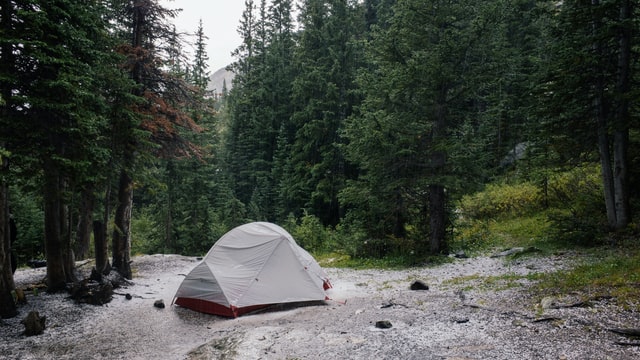
Priority: keep your sleeping area dryThe original article correctly focused on a tent with a rainfly, groundsheet and stakes. In wet weather, the rainfly protects the main tent body, while a groundsheet or footprint helps reduce moisture and abrasion under the tent.
Before your trip, set the tent up at home and check that the rainfly fits properly, seams look sound and stakes are not bent. Add extra guylines if your tent needs better tension in wind. A sagging rainfly can touch the tent wall and allow moisture to transfer inside.
Rainfly
Use a full rainfly where possible, and keep it properly tensioned away from the inner tent.
Groundsheet
Use a footprint that does not stick out beyond the tent edges, or it can collect water.
Stakes
Bring extras because soft wet ground and gusty weather can loosen weak staking.
Ventilation
Keep vents open when safe, because condensation can make a tent feel like it is leaking.
Bring A Tarp
Priority: create a dry working areaA tarp is one of the most useful items for rain camping. The original post noted that a tarp can be used as shelter, groundsheet, clothesline, rainfly or extra cover. In practice, the best use is often creating a dry place to cook, change layers, sit or organise gear.
- Pitch the tarp before unpacking everything if rain is already falling.
- Angle the tarp so water drains away from your tent and sitting area.
- Do not trap smoke or stove fumes under a low tarp.
- Keep tarp edges far enough from the tent so runoff does not pour onto the sleeping area.
- Use reflective guylines or mark lines so people do not trip at night.
Plan On Getting Wet And Pack Accordingly
Priority: separate wet and dry itemsThe easiest mistake is pretending you will stay completely dry. In real rain, boots, cuffs, towels, jackets and tent doors often get damp. Plan for that from the beginning.
| Pack This | Why It Helps | Extra Tip |
|---|---|---|
| Dry bags or waterproof stuff sacks | Protects sleeping bag, clothes and electronics. | Use different bags for clean, dry and wet items. |
| Spare socks and underwear | Dry basics improve comfort and warmth quickly. | Keep at least one pair sealed for sleeping. |
| Quick-dry towel | Useful for wiping tent floors, hands and gear. | Bring a small extra cloth for muddy items. |
| Trash bags | Cheap emergency waterproofing and wet-gear storage. | Use one as a pack liner if needed. |
| Waterproof footwear | Reduces soaking and muddy discomfort. | Break boots in before a long wet trip. |
Set Up Your Camp In A Drier Spot
Priority: avoid water pooling around your tentThe original article warned against pitching directly beside streams, lakes or places that can flood. That advice matters. A campsite that looks fine in dry weather can turn into a puddle when rain continues through the night.
- Choose slightly raised ground with natural drainage.
- Avoid dips, gullies, dry streambeds and obvious runoff channels.
- Stay away from riverbanks and low areas during heavy rain warnings.
- Do not pitch under dead branches or unsafe trees.
- Check where tarp runoff and tent runoff will go before sleeping.
- Use existing campsites where possible to reduce environmental damage.
Do Not Skimp On Sleeping Gear
Priority: stay warm and dry overnightThe original post explained that the sleeping bag is one of the most important pieces of gear. In rain, that becomes even more true. A damp sleeping bag can make the night cold, uncomfortable and potentially unsafe if temperatures drop.
Down sleeping bags can be very warm and lightweight, but they lose performance when wet unless carefully protected. Synthetic bags are often bulkier but can be more forgiving in damp conditions. Whatever you use, keep it in a waterproof dry bag until bedtime.
Sleeping bag
Choose a temperature rating suitable for the coldest likely night, not only the average forecast.
Sleeping pad
A pad adds comfort and insulation from cold ground, especially when the earth is wet.
Dry sleep clothes
Keep one set of dry base layers and socks only for sleeping.
Ventilation
Reduce condensation by using tent vents when weather and design allow.
Pack Warm Clothes And Waterproof Jackets
Priority: manage rain, sweat and coldRainy days can become chilly quickly, especially when wind picks up or clothing stays damp. Pack layers that manage moisture, warmth and waterproof protection.
| Layer | Purpose | Rain Camping Tip |
|---|---|---|
| Base layer | Moves sweat away from skin. | Avoid cotton in cold or wet conditions because it stays damp. |
| Insulating layer | Keeps you warm. | Fleece or synthetic insulation is useful in damp weather. |
| Waterproof shell | Blocks rain and wind. | Choose a jacket that is comfortable enough to wear for long periods. |
| Rain trousers | Protects legs while walking, cooking or setting up camp. | Useful when rain continues for hours. |
| Dry socks | Improves warmth and morale. | Keep a sealed pair for sleeping only. |
For more detail, the original article linked to a rain jacket guide, preserved here: What is the best rain jacket for hiking?
Protect Electronics
Priority: bring only what you need and keep it dryThe original post advised taking electronic devices only as a last resort. That can be sensible for simple camps, but for many people, phones are now used for maps, weather, emergency contacts, photos and campsite information.
The better rule is this: bring only necessary electronics and protect them properly. Use waterproof cases, zip bags, dry bags and a power plan. Keep devices away from tent door drips, wet clothing and puddles inside bags.
- Phone in waterproof case
- Power bank in dry bag
- Headlamp instead of phone torch
- Offline maps downloaded
- Charging cable sealed separately
- Emergency contacts saved offline
Cooking And Camp Comfort In Rain
Rain changes camp cooking. Food prep is slower, wind can make stoves less efficient and nobody wants to stand in the rain searching for dinner ingredients.
- Pack easy meals that do not need complicated prep.
- Keep snacks accessible so you do not open the whole pack in rain.
- Cook only in safe, ventilated spaces away from tent fabric.
- Keep fuel and matches/lighters dry.
- Use a tarp to create a sheltered cooking area, but avoid trapping stove fumes.
- Bring warm drinks for morale when the weather feels miserable.
Common Rain Camping Mistakes
- Pitching in a low spot where water naturally collects.
- Letting the groundsheet stick out so it catches rain under the tent.
- Touching the tent wall from inside, which can transfer moisture.
- Keeping wet gear inside the sleeping area instead of separating it.
- Forgetting ventilation and mistaking condensation for leaks.
- Wearing cotton layers that stay cold and damp.
- Leaving boots outside unprotected overnight.
- Cooking too close to tent fabric or in unsafe enclosed spaces.
- Ignoring flood warnings and camping near streams or drainage channels.
- Not drying gear properly after the trip, which can cause mould, odour and fabric damage.
Affiliate Disclosure
This article preserves the original camping supplies affiliate link. ChipJourney may earn a small commission if you buy through sponsored or affiliate links, at no extra cost to you. Read the full disclosure here: Affiliate Link Disclosure.
FAQ About Rain Camping
Is it safe to camp in the rain?
Camping in light or moderate rain can be safe with the right gear, campsite choice and weather awareness. Avoid camping during severe storms, flood warnings, dangerous winds or lightning risk.
How do I keep my tent dry in heavy rain?
Use a full rainfly, tension the tent properly, keep the groundsheet from sticking out, choose a well-drained campsite and avoid touching tent walls from inside. Ventilation also helps reduce condensation.
Should I put a tarp under my tent?
A tarp or footprint can help protect the tent floor, but it should not extend beyond the tent edges. If it sticks out, it can catch rainwater and direct it underneath the tent.
What clothes are best for rain camping?
Use a moisture-managing base layer, insulating mid layer, waterproof shell, rain trousers, dry socks and waterproof footwear. Avoid cotton in cold and wet conditions.
How do I keep sleeping gear dry?
Pack your sleeping bag and sleep clothes in dry bags or waterproof stuff sacks. Keep wet boots, jackets and towels away from the sleeping area.
Can I cook under a tarp in the rain?
You can create a sheltered cooking area with a tarp, but never cook in an enclosed or poorly ventilated space. Keep stoves away from tent fabric and follow all stove safety instructions.
What should I do after camping in the rain?
Dry your tent, tarp, sleeping gear, clothing and boots fully as soon as possible. Wet gear stored too long can develop mould, odours and fabric damage.
Sources And Further Reading
- REI: Tips for camping in the rain
- REI: Tent setup tips
- National Park Service: Ten essentials
- National Park Service: Hiking safety
- National Park Service: Leave No Trace principles
- National Weather Service: Flood safety
- CDC: Cold-weather safety and hypothermia prevention
- ChipJourney: Best Rain Jackets For Hiking
- ChipJourney: Necessary Hiking Gear You Need To Bring
- ChipJourney: Packing Advice For Backpacking
Final Thoughts
Rain does not have to ruin a camping trip. It simply changes what you need to prioritise: dry sleeping gear, a properly pitched tent, smart tarp setup, waterproof layers, safe campsite choice and a clear plan for wet gear.
Prepare before you leave, keep your dry items truly dry, respect weather warnings and dry everything properly when you get home. With the right checklist, rainy camping can still be comfortable, memorable and fun.