✅ Key Takeaways
Do You Really Need Hiking Pants? Honest Hiking Gear Guide
- You do not always need hiking pants for a short, dry, easy walk on a well-kept path.
- Hiking pants are worth it when you need protection from sun, wind, light rain, insects, scratches, mud, or changing weather.
- Avoid jeans on serious hikes because heavy cotton can become uncomfortable, slow to dry, and restrictive when wet.
- The best hiking pants feel light, flexible and quick drying, with enough pocket space and a waistband that works under a backpack.
- For most beginners, one good pair is enough; you do not need an expensive wardrobe to start hiking safely and comfortably.
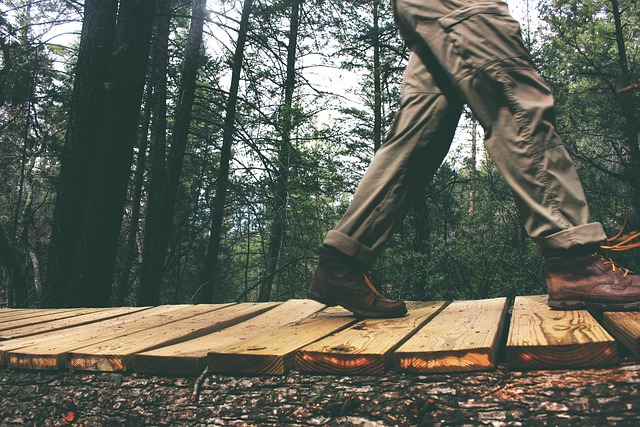
Hiking pants are one of those outdoor items that sound unnecessary until the trail becomes hot, windy, muddy, scratchy, or unexpectedly wet. For a simple park walk, you may be perfectly comfortable in leggings, joggers or shorts. But if you are walking for hours, crossing rough ground, carrying a backpack, or hiking in changeable weather, the right pair of hiking pants can make the day feel much easier.
⚡ Quick Answer
Are hiking pants necessary?
Hiking pants are not strictly necessary for every hike, but they are highly useful for longer, rougher, sunnier, colder or wetter trails. They protect your legs better than shorts, dry faster than jeans, move better than normal trousers, and often give you practical pockets and weather resistance without feeling heavy.
When hiking pants are worth it
Hiking pants are worth wearing when your normal clothes would make the trail harder, hotter, colder, wetter, or more uncomfortable. The biggest benefit is not fashion. It is function. Good hiking pants are usually made from lightweight synthetic or blended fabrics that move with your legs, resist abrasion, and dry quickly after sweat, drizzle, stream splashes or wet grass.
1. Leg protection
Long hiking pants help protect your legs from scratchy bushes, rough rocks, nettles, insect bites and strong sun. This matters more on narrow trails, forest paths, mountain routes and overgrown countryside walks.
2. Better movement
Trail trousers are usually cut for stepping, climbing and bending. Features such as stretch fabric, gusseted crotches and articulated knees make a real difference on steep ground.
3. Faster drying
Quick-drying fabric is one of the biggest advantages. Wet jeans or heavy cotton trousers can stay damp for a long time, while hiking pants are designed to shed moisture faster.
4. Practical storage
Secure zip pockets are useful for small items such as a key, card, lip balm, map, compass or phone. This is especially helpful when your backpack hip belt covers normal pockets.
They are also useful if you are travelling and want one pair of trousers that can handle a walk, a flight, a cool evening, and a casual day out. This is why many people who travel light prefer simple hiking trousers over bulky jeans.
When you can skip hiking pants
You can skip hiking pants when the walk is short, the weather is dry, the path is smooth, and you already own comfortable clothes that let you move freely. For example, a one-hour walk in a local park does not require specialist outdoor trousers. Comfortable athletic leggings, joggers, shorts, or lightweight trousers can be enough.
The mistake is thinking that “not always necessary” means “never useful.” Hiking pants become more valuable as the trail becomes less predictable. If the route has long grass, rocks, wind exposure, insects, chilly shade, sudden showers or hours of walking, they quickly move from optional gear to a genuinely comfortable choice.
- Short city walks
- Dry park trails
- Very hot beach paths
- Easy family strolls
- Low-risk tourist walks
- Indoor climbing or gym use
Hiking pants vs leggings, shorts and jeans
The best option depends on the weather, terrain and your own comfort. Here is a simple comparison to help you decide what to wear before your next walk.
| Option | Best for | Main weakness |
|---|---|---|
| Hiking pants | Longer hikes, rough trails, travel, mixed weather, sun protection and practical pockets. | Can cost more than everyday trousers, and some pairs feel too technical for casual wear. |
| Leggings | Easy trails, fitness walks, warm weather and people who prefer a close, stretchy fit. | Less abrasion protection, fewer secure pockets and can snag on rocks or branches. |
| Shorts | Hot, dry, open trails where insect bites, sunburn and scratchy plants are not a big concern. | No lower-leg protection, so sunscreen and tick/insect awareness become more important. |
| Jeans | Very short casual walks in dry weather when nothing else is available. | Heavy, restrictive when wet, slow to dry, and uncomfortable for longer hikes. |
Simple rule: if you would be annoyed by wet, heavy or tight clothing halfway through the walk, choose hiking pants or another quick-drying outdoor option instead of jeans.
What to look for before buying hiking pants
You do not need the most expensive pair. You need the pair that matches your climate, body shape, trail style and budget. Before buying, check these features first.
Fabric
Look for nylon, polyester, elastane blends, softshell fabric, or other quick-drying materials. A small amount of stretch often makes climbing steps and scrambling over rocks easier.
Fit
The waistband should feel comfortable under a backpack. The knees should not pull when you crouch. The legs should not be so tight that they restrict movement or so loose that they snag easily.
Weather resistance
Water-resistant hiking pants can handle drizzle, wet grass and light showers, but they are not the same as waterproof rain trousers for heavy rain.
Pockets
Choose secure pockets if you carry small items. Zipped thigh pockets can be more useful than standard hip pockets when wearing a backpack hip belt.
Sun protection
For exposed summer hikes, long pants with UPF-rated fabric can help reduce sun exposure on your legs, especially when combined with sunscreen and a hat.
Convertible design
Zip-off trousers can be useful in changing weather, but some people dislike the feel of the zip around the thigh. Try them on before relying on them for a long trip.
Best choice by weather and trail type
Different conditions need different clothing choices. One pair of hiking pants can do a lot, but no single pair is perfect for every season.
For hot summer hikes
Choose lightweight, breathable hiking pants or shorts if the trail is open and safe. Long, light-coloured trousers can be surprisingly comfortable in strong sun because they reduce direct sun exposure and protect from scratchy plants. If you prefer shorts, use sunscreen and check your legs for bites or ticks after walking through grass or woodland.
For wet or muddy trails
Quick-drying hiking pants are usually better than jeans or heavy cotton. Water-resistant trousers are good for damp grass and light rain, but if heavy rain is likely, pack proper waterproof over-trousers or rain pants. Water resistance helps; waterproofing protects.
For cold weather
In cold weather, avoid thinking only about thickness. The better system is layering. You may wear thermal leggings or a base layer underneath softshell hiking pants, then add waterproof trousers if the forecast looks rough. This gives more flexibility than wearing one heavy pair that becomes too hot when climbing.
For travel and backpacking
For travel, hiking pants are useful because they are often lighter than jeans, take up less room, and dry faster after washing. A neutral pair can work for flights, walking tours, countryside hikes and casual evenings, which makes them a smart choice for low-luggage trips.
Budget advice for beginners
If you are new to hiking, do not feel pressured to buy everything at once. Start with the trails you actually walk. If you hike once a month on easy paths, you may only need a comfortable pair of quick-drying trousers you already own. If you start doing longer hikes, rocky routes, mountain walks or multi-day trips, then a dedicated pair of hiking pants becomes a better investment.
🎒 Beginner Buying Checklist
A simple hiking pants checklist
- Can you lift your knee high without the fabric pulling?
- Does the waistband feel comfortable when sitting, bending and wearing a backpack?
- Will the fabric dry quickly if it gets sweaty or wet?
- Do the pockets stay secure when walking?
- Is the material tough enough for the trails you actually use?
- Can you wear them in more than one season or only in one specific condition?
For most people, a good first pair is a lightweight or midweight pair with some stretch, at least one secure pocket, and enough weather resistance for damp grass and light showers. After that, you can add more specialised gear only if your hiking habits prove you need it.
Final verdict: should you buy hiking pants?
Yes, hiking pants are worth buying if you hike regularly, walk in mixed weather, travel with limited luggage, or want better leg protection than shorts and better comfort than jeans.
But no, you do not need them for every casual walk. The honest answer is this: hiking pants are not magic, but they solve common trail problems very well. They help with movement, drying time, pockets, protection and comfort. If you plan to hike more often, they are one of the first clothing upgrades that actually makes sense.
FAQ: Hiking pants questions
Can I hike in jeans?
You can wear jeans for a short, dry, low-risk walk, but they are not ideal for serious hiking. Denim can become heavy, stiff and slow to dry when wet, which makes it uncomfortable on long walks or in changing weather.
Are leggings good for hiking?
Leggings can be good for easy or moderate hikes, especially when they are made from durable, quick-drying material. They are comfortable and flexible, but they usually offer less abrasion protection and fewer secure pockets than hiking pants.
Are hiking pants better than shorts?
Hiking pants are better when you need sun, insect, brush or cold-weather protection. Shorts are more comfortable in very hot weather on open trails, but they leave your legs exposed.
Should hiking pants be tight or loose?
They should be comfortable, not restrictive. A good fit lets you bend, step up, sit, crouch and climb without pulling at the knees or waist. Slightly relaxed or stretchy pants usually work best.
What are convertible hiking pants?
Convertible hiking pants have zip-off lower legs, so they can turn into shorts. They are useful for changing weather or travel, but some hikers prefer standard pants because they feel smoother and simpler.
How many pairs of hiking pants do I need?
Most beginners only need one good pair. If you hike often in different seasons, you may later add lightweight summer trousers, warmer softshell trousers, or waterproof rain pants.
📚 Sources and Further Reading
Sources and further reading
- National Park Service: Ten Essentials for outdoor safety
- REI Expert Advice: How to choose hiking pants
- The Skin Cancer Foundation: Sun protective clothing and UPF
- ChipJourney: Tips for hiking long distances
- ChipJourney: Choosing lightweight backpacking gear
- ChipJourney: Gear experienced hikers recommend for backpacking