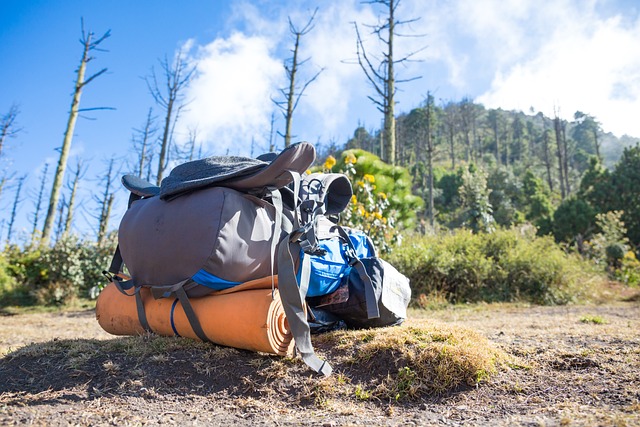
Choosing lightweight backpacking gear is not about buying the smallest or most expensive item you can find. The real goal is to carry less weight while still protecting your sleep, warmth, water, food, navigation, and safety. For wilderness backpacking, the best gear is light enough to carry comfortably, strong enough for the terrain, and practical enough that you know how to use it before the trip begins.
- Start with safety, then cut weight. Shelter, sleep warmth, water treatment, navigation, first aid, lighting, and weather protection should never be removed just to save a few grams.
- The “big three” matter most: your backpack, shelter, and sleep system usually create the biggest weight savings.
- Quality means fit, function, and reliability — not simply a famous brand or the lightest published weight.
- Match gear to the trip. A summer overnight trail, wet mountain route, and remote cold-weather wilderness trip all need different choices.
- Test every major item at home or on a short local trip before trusting it in the wilderness.
When choosing lightweight, high-quality gear for wilderness backpacking, focus first on your backpack fit, shelter strength, sleep system warmth, water treatment, weather protection, navigation, lighting, food setup, and emergency kit. Reduce weight by choosing multi-use items and lighter versions of your “big three”, but avoid cutting essential safety gear or using fragile equipment that does not match the weather and terrain.
What matters most when choosing lightweight backpacking gear?
The most important considerations are weight, durability, comfort, weather protection, packability, ease of use, and safety value. A good lightweight setup should make your trip easier without making you vulnerable to cold, rain, injury, hunger, dehydration, or navigation problems.
A beginner mistake is to focus only on product weight. A shelter may look impressive because it is very light, but if it performs badly in wind or leaves you soaked with condensation, it is not high-quality for your trip. A backpack may be ultralight, but if it does not carry your load comfortably, the saved weight will not feel like a benefit after several hours on the trail.
1. Weight
Choose lighter gear where it makes the biggest difference, especially your pack, tent or shelter, sleeping bag, and sleeping pad. Avoid carrying duplicate items unless they serve a real safety purpose.
2. Durability
Look for reinforced stitching, reliable zips, strong pole systems, quality buckles, abrasion-resistant fabric, and simple field repair options.
3. Comfort
Backpacking is not only about surviving the night. A pack that fits, a pad that insulates, and clothing that manages sweat can make the whole trip safer and more enjoyable.
4. Conditions
Choose gear for the actual environment: rain, wind, insects, cold nights, rocky ground, exposed ridges, water availability, and expected trail difficulty.
The big three: backpack, shelter, and sleep system
The fastest way to lighten a wilderness backpacking setup is to review the “big three”: your backpack, shelter, and sleep system. These items are usually the heaviest, most expensive, and most important parts of the kit.
Backpack
Your backpack should fit your torso, transfer weight to your hips, and have enough volume for your actual gear. A lighter backpack is useful only when it can safely carry the load you plan to bring. Check shoulder strap comfort, hip belt shape, frame support, pocket access, rain protection, and whether the pack still feels stable when fully loaded.
Shelter
For wilderness trips, your shelter should match the season and exposure level. A freestanding tent can be easier for beginners and rocky campsites. A trekking-pole shelter can save weight if you already use poles and know how to pitch it well. A tarp can be very light, but it requires more skill, good site selection, and stronger awareness of wind and rain direction.
Sleep system
Your sleeping bag or quilt, sleeping pad, and sleeping clothes work together. A warm bag will not perform properly if the pad underneath has poor insulation. Check the expected night temperature, the pad’s insulation value, your personal cold tolerance, and whether the setup still works if the weather becomes wetter or colder than expected.
Do not cut weight from warmth too aggressively
Being cold at night affects sleep, judgement, recovery, and safety. For remote trips, it is better to carry a slightly warmer setup than to gamble on perfect weather.
Lightweight backpacking gear comparison
This table gives a practical way to compare gear before you buy or pack. The best choice is usually not the lightest item in every row, but the item that gives the best balance of weight, reliability, and comfort for your route.
| Gear Area | What to Look For | Weight-Saving Tip | Do Not Sacrifice |
|---|---|---|---|
| Backpack | Proper torso fit, supportive hip belt, durable fabric, enough volume | Choose the smallest pack that comfortably fits your full kit | Fit, comfort, load support |
| Shelter | Weather resistance, ventilation, strong pitch, enough space | Use trekking-pole shelters only if you can pitch them confidently | Storm protection and bug protection where needed |
| Sleep system | Temperature rating, pad insulation, realistic comfort | Use a quilt or lighter bag in mild conditions | Night warmth and ground insulation |
| Cooking setup | Reliable stove, fuel availability, pot size, wind performance | Use one shared stove and pot for a small group | Enough fuel and safe water boiling ability |
| Clothing | Layering system, rain shell, insulation, dry sleep layer | Pack versatile layers instead of many outfit changes | Rain protection, warmth, dry socks |
| Navigation and safety | Map, compass, headlamp, first aid, emergency communication where needed | Choose compact essentials, not no essentials | Navigation, light, first aid, emergency plan |
How to judge whether lightweight gear is actually high-quality
High-quality wilderness gear should be easy to inspect. Before buying or packing, look beyond the product headline and check how the item is built, how it will be repaired, and whether it has been designed for real trail conditions.
Check the stress points
Look at shoulder strap attachments, tent corners, pole sleeves, guy-out points, zip pulls, and seams. These are often where lightweight gear fails first.
Think about wet conditions
Rain, condensation, wet grass, river crossings, and damp clothing can make lightweight gear feel less comfortable. Dry storage and waterproof protection matter.
Consider repairability
Simple gear is often easier to fix. Carry basic repair items such as tape, a spare buckle if needed, needle and thread, and patches for sleeping pads.
Read trip-based reviews
A review from someone using the item on similar terrain is more useful than a generic star rating. Mountain, desert, forest, and wet-weather trips stress gear differently.
Wilderness safety essentials you should still carry
Even when packing light, you still need the basics that help you manage weather, darkness, injury, water, navigation, and unexpected delays. The classic outdoor “essentials” mindset is still useful: navigation, light, sun protection, first aid, knife or repair kit, fire, shelter, extra food, extra water, and extra clothing.
For longer or more remote wilderness trips, also consider a satellite messenger or personal locator beacon, especially where mobile signal is unreliable. It adds weight, but it can be a sensible safety item when travelling away from busy trails.
Pack for the delay, not only the plan
A lightweight kit should still allow you to handle a late finish, sudden rain, a colder-than-expected night, a slow hiking partner, minor injury, or a missed water source.
Common mistakes when buying lightweight backpacking gear
- Going ultralight before learning the basics: Minimalist gear often needs more skill, better site selection, and stronger weather judgement.
- Buying a backpack first: It is usually better to choose your main gear first, then buy a pack that fits that load.
- Ignoring sleeping pad insulation: Many people focus on sleeping bag warmth and forget that the ground can steal heat quickly.
- Packing too many “just in case” extras: A few emergency items are wise; multiple duplicate outfits and gadgets usually become dead weight.
- Trusting new gear without testing it: Pitch the tent, filter water, light the stove, pack the bag, and sleep on the pad before the real trip.
- Copying someone else’s gear list exactly: Your route, body size, budget, comfort needs, climate, and experience level may be different.
Lightweight wilderness backpacking gear checklist
Use this as a starting point, then adjust for season, trip length, terrain, weather, group size, and local rules.
- Fitted backpack with rain protection or pack liner
- Weather-appropriate tent, tarp, bivy, or backpacking shelter
- Sleeping bag or quilt suitable for expected night temperatures
- Insulated sleeping pad and repair patch
- Base layer, insulating layer, rain shell, spare socks, warm hat, and gloves when needed
- Water bottles or bladder plus water filter, purifier, or treatment tablets
- Food with enough calories for hiking effort and a safe storage method
- Stove, fuel, lighter, pot, and simple eating kit where cooking is planned
- Map, compass, downloaded offline map, and GPS or phone backup power
- Headlamp with spare battery or charging plan
- First-aid kit, blister care, personal medication, and small repair kit
- Knife or multitool, emergency shelter item, whistle, and fire-starting backup
- Sun protection, insect protection, toilet kit, rubbish bag, and Leave No Trace plan
Where should you spend money first?
If you are building a kit slowly, spend first on items that strongly affect safety and comfort: a properly fitting backpack, a reliable shelter, a warm sleep system, rain protection, and footwear that works for your feet. You can save money on simple cooking items, basic clothing layers, used gear, end-of-season sales, and borrowing group items before you buy your own.
For more planning help, read ChipJourney’s guides on backpacking packing advice, necessary hiking gear, and camping tents vs backpacking shelters.
FAQ: choosing lightweight wilderness backpacking gear
What is the most important lightweight backpacking gear to upgrade first?
Start with the items that affect the most weight and comfort: your backpack, shelter, sleeping bag or quilt, and sleeping pad. These are usually the biggest opportunities to reduce weight without cutting safety.
Is ultralight backpacking gear always better?
No. Ultralight gear can be excellent for experienced hikers in suitable conditions, but it may be less durable, less comfortable, or less forgiving. Lightweight is useful; unsafe or fragile is not.
How do I know if my backpack is too heavy?
If the pack causes shoulder pain, changes your walking balance, makes climbs unsafe, or forces you to move much slower than planned, it may be too heavy or poorly fitted. Review duplicate items and check whether your big three are heavier than necessary.
Can beginners use tarp shelters?
Beginners can use tarps, but they should practise first. Tarps require stronger pitching skills, good campsite selection, and more awareness of wind, insects, rain splash, and ground drainage.
Should I buy all backpacking gear at once?
Not usually. Build your kit in stages, borrow or rent expensive items where possible, and test each major purchase on shorter trips before relying on it for remote wilderness travel.