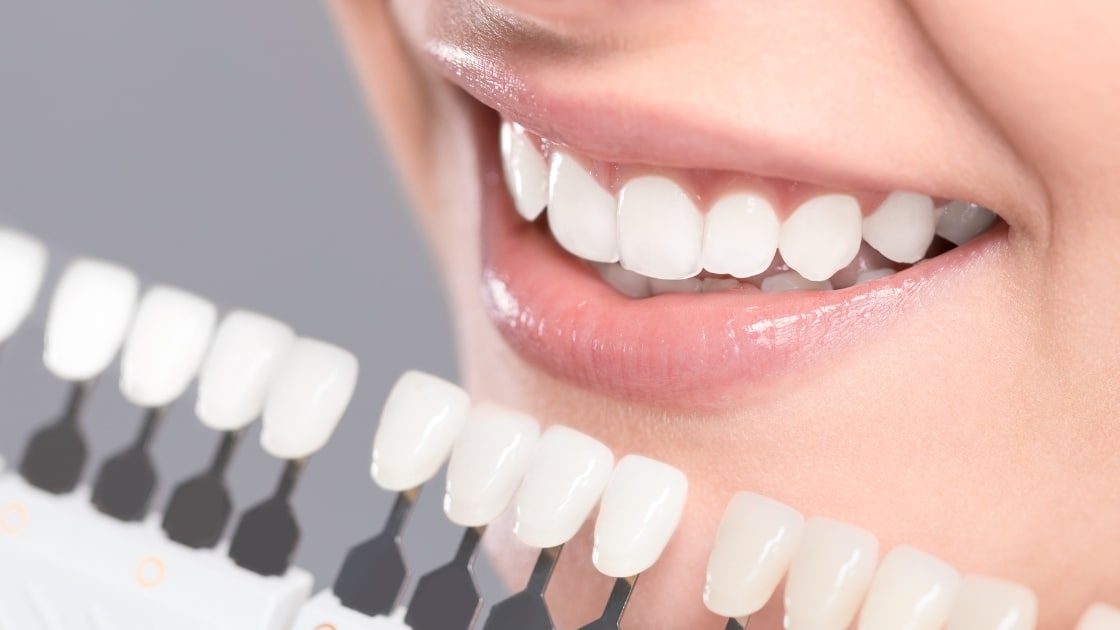
Key Takeaways
- White teeth are not automatically healthy teeth. Cavities, gum disease, enamel erosion or infection can exist even when teeth look bright.
- Healthy natural teeth are often ivory, pale yellow or slightly grey because enamel is translucent and dentin underneath has colour.
- Whitening can be safe when used correctly, but overuse may cause sensitivity, gum irritation and an unnatural translucent look.
- Dental health depends more on gums, enamel strength, decay risk, cleaning habits and regular dental care than on shade alone.
- See a dentist before whitening if you have sensitivity, gum problems, cavities, exposed roots, crowns, veneers, fillings or one tooth that has changed colour.
Quick Answer: Is Having White Teeth Healthy?
Having white teeth can be cosmetic, but it does not prove your mouth is healthy. A healthy mouth means clean teeth, strong enamel, healthy gums, no untreated decay, no infection, and a routine that includes brushing, cleaning between teeth, limiting sugar and seeing a dentist. Bright white teeth may look attractive, but shade alone is not a dental health diagnosis.
Natural Tooth Colour: Why Teeth Are Not Usually Pure White
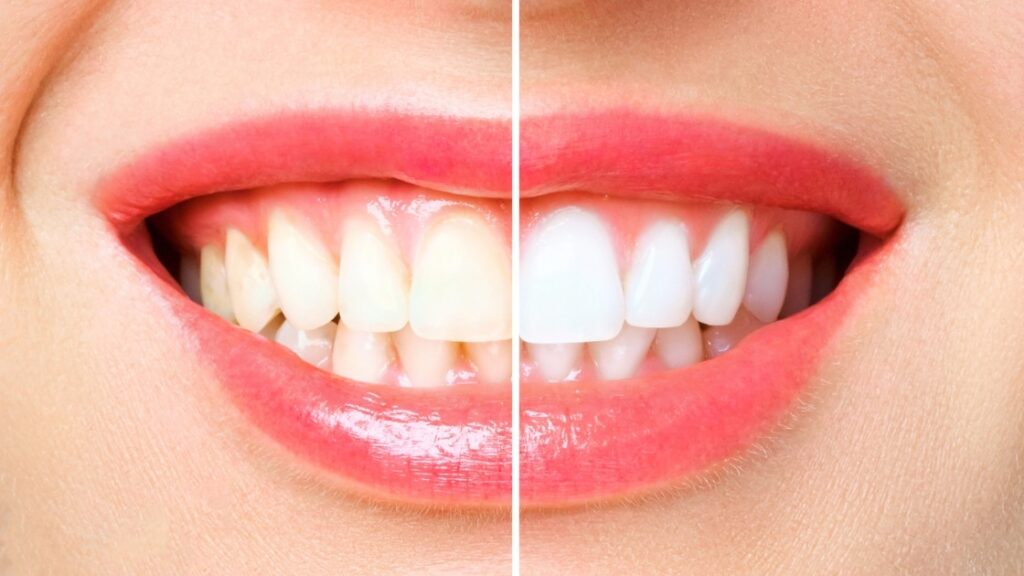
Teeth are made of layers. The outer enamel can look white or slightly translucent, while the dentin underneath is naturally more yellow. As enamel thins with age, acid wear or abrasion, the dentin colour can show through more strongly. That is why healthy teeth are often not paper-white.
Normal natural shades
Ivory, cream, pale yellow and light grey can all be normal, depending on enamel thickness, genetics and age.
Surface stains
Coffee, tea, red wine, tobacco and some foods can stain the outer surface without always meaning the tooth is diseased.
Inside-the-tooth colour
Trauma, certain medicines, developmental issues or infection can change colour from inside the tooth and need dental assessment.
Dental work
Crowns, veneers, fillings and bonding do not whiten like natural enamel, so whitening can make colours uneven.
White Teeth vs Healthy Teeth
A whiter smile may improve confidence, but true oral health is measured by condition, function and disease risk, not only appearance.
| What people notice | What it may mean | What matters more |
|---|---|---|
| Very white teeth | Whitening, veneers, good hygiene, or sometimes over-bleaching | Gum health, sensitivity, enamel condition and decay check |
| Yellowish teeth | Normal dentin colour, enamel thinning, food stains or age | Whether enamel is strong and gums are healthy |
| Brown or black spots | Surface stains, tartar, decay or old dental work | Dentist examination |
| One dark tooth | Past trauma, nerve issue or internal discolouration | Prompt dental assessment |
| White chalky patches | Early enamel mineral loss, fluorosis or other enamel changes | Decay prevention and dentist advice |
| Bright teeth with bleeding gums | Cosmetic brightness but possible gum inflammation | Gum care and professional cleaning |
Whitening Risks and Safety
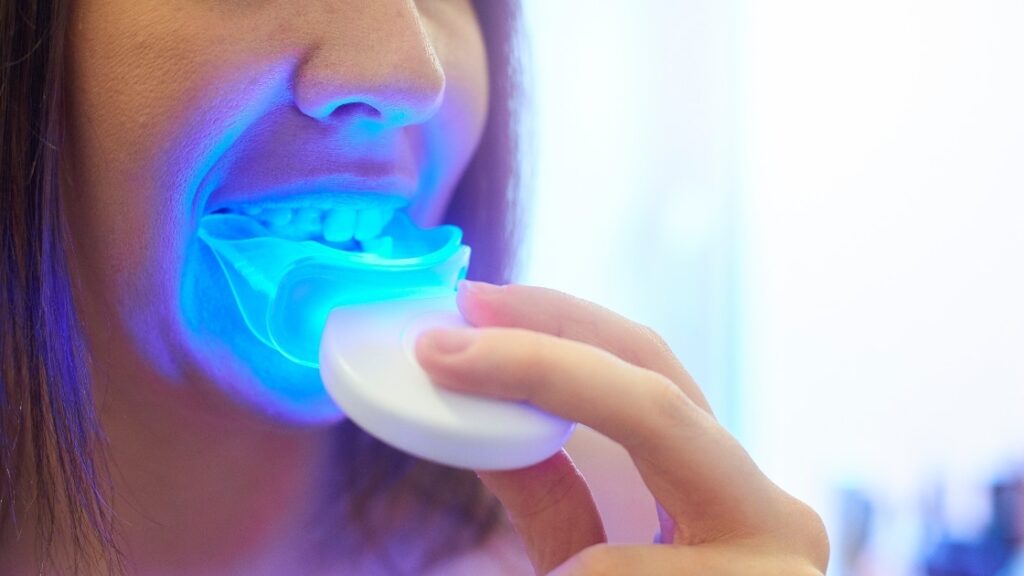
Most whitening products use peroxide-based ingredients to lighten stains. This can be useful, but it should be done carefully. The most common short-term issues are tooth sensitivity and gum irritation. Frequent or improper whitening can also create a harsh, translucent or uneven look.
Ask a dentist first if...
You have sensitive teeth, gum disease, cavities, exposed roots, cracked enamel, crowns, veneers, fillings, braces, pregnancy concerns, or one tooth that changed colour.
Avoid risky whitening hacks
Do not scrub with lemon, strong peroxide, charcoal powders, baking soda every day, bleach, cleaning products or abrasive DIY mixtures.
Watch for warning signs
Stop whitening and ask a dentist if you develop sharp pain, lingering sensitivity, gum burns, swelling, bleeding or white patches on gums.
Buy carefully
Use reputable products and dental guidance. In the UK, tooth whitening by unregistered providers can be illegal and unsafe.
Whitening Safety Checker
Choose the situation closest to yours before using any whitening product.
Healthy Mouth Routine: What Matters More Than Colour

- Brush twice daily with fluoride toothpaste. Use a soft-bristled brush and clean all tooth surfaces gently.
- Clean between teeth daily. Use floss, interdental brushes or a water flosser depending on what your dentist recommends.
- Limit sugar and acidic drinks. Frequent sugar and acid exposure raises decay and enamel-wear risk.
- Do not brush too hard. Aggressive brushing can wear enamel and irritate gums.
- Avoid tobacco. Smoking and tobacco use stain teeth and increase gum disease and oral cancer risk.
- Visit a dentist regularly. Professional checks catch decay, gum disease and other problems early.
When Tooth Colour Needs a Dentist
Do not ignore colour changes with symptoms. Whitening is not the answer if the colour change is caused by decay, infection, gum disease, trauma or enamel damage.
One dark tooth
This can follow injury or nerve changes. It needs dental assessment, not whitening strips.
Brown, black or sticky spots
These can be stains, tartar or decay. A dentist can tell the difference.
Bleeding gums
Bleeding gums are not normal just because teeth look white. They may signal gum inflammation.
Sensitivity that lasts
Lingering sensitivity may involve enamel wear, gum recession, cavities or cracks.
Common White Teeth Myths
| Myth | Truth | Better action |
|---|---|---|
| Whiter teeth are always healthier. | Not always. Colour is only one visual clue. | Check gums, decay, sensitivity and dental history. |
| Yellow teeth are always dirty. | Healthy dentin can make teeth look naturally warm or yellowish. | Ask a dentist if colour changes suddenly. |
| Charcoal is a safe natural whitener. | Abrasive products may wear enamel over time. | Use dentist-approved whitening options. |
| Whitening works on all teeth. | Crowns, veneers and fillings do not whiten like enamel. | Plan whitening before matching new dental work. |
| More whitening means better results. | Overuse can increase sensitivity and irritation. | Follow instructions and take breaks. |
FAQs About White Teeth and Dental Health
Are white teeth always healthy?
No. White teeth can look attractive, but tooth colour alone does not prove that teeth and gums are healthy.
What colour are healthy teeth naturally?
Many healthy teeth are light ivory, pale yellow or slightly grey because enamel is translucent and dentin underneath has colour.
Can whitening damage teeth?
Whitening can cause temporary sensitivity and gum irritation, especially when overused or used incorrectly. Ask a dentist if you already have sensitivity or dental problems.
Is teeth whitening safe?
It is safest when guided by a dental professional and used according to instructions. Avoid unregulated treatments and harsh DIY methods.
How can I keep teeth healthy, not just white?
Brush twice daily with fluoride toothpaste, clean between teeth daily, limit sugary and acidic foods and drinks, avoid tobacco, and visit a dentist regularly.
When should tooth discolouration worry me?
See a dentist if one tooth suddenly changes colour, a tooth turns grey or dark after injury, or colour changes come with pain, swelling, bleeding gums or sensitivity.
Sources and Further Reading
Affiliate and dental-health disclosure: This article may contain affiliate links. If you click and make a purchase, ChipJourney may earn a small commission at no extra cost to you. This guide is general information only and is not dental diagnosis or treatment advice. Speak with a qualified dentist before whitening if you have sensitivity, gum problems, cavities, dental work, pregnancy concerns, medical conditions or one tooth that has changed colour.