Key Takeaways
- Ikaria Lean Belly Juice is a powdered dietary supplement marketed for weight management, not a prescription medicine or guaranteed fat-loss treatment.
- Some ingredients may support general wellness, but strong weight-loss claims should be treated cautiously unless backed by reliable human research.
- Supplements can carry risks, especially for people who take medication, have medical conditions, are pregnant, breastfeeding, under 18, or have allergies.
- The healthiest approach is to treat any supplement as optional support, not a replacement for nutrition, movement, sleep, stress management or professional care.
- Buy only from official or verified sources, read the refund terms, and avoid unrealistic testimonials or “miracle result” claims.
Quick Verdict
Ikaria Lean Belly Juice may interest readers who already follow a weight-management plan and want to compare supplement options, but it should be approached with realistic expectations. The old version of this review made several strong claims around rapid fat loss, energy, uric acid and body transformation. This rebuilt version keeps the product information and useful links, but adds stronger safety context, clearer pros and cons, and a more responsible buying checklist.
What Is Ikaria Lean Belly Juice?
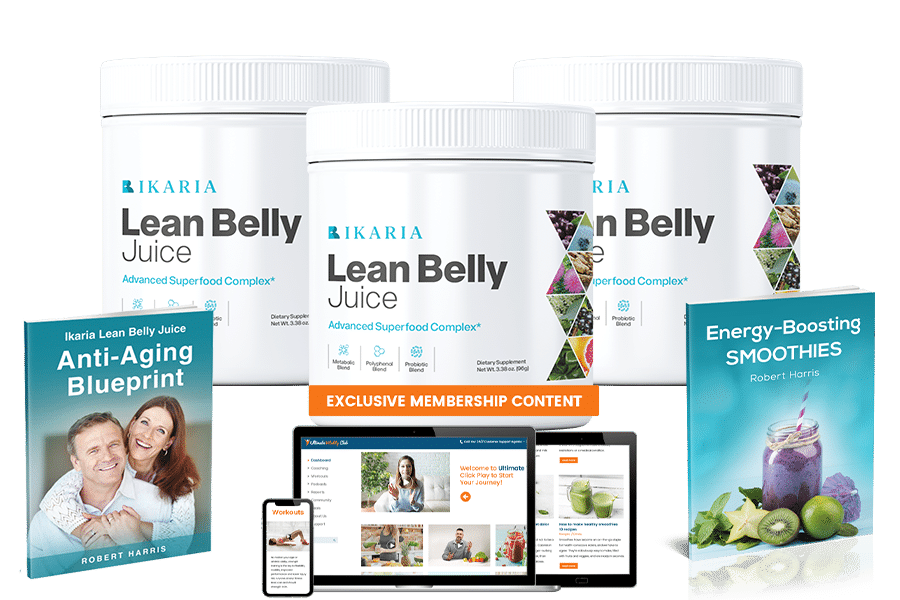
Ikaria Lean Belly Juice is sold as a powdered supplement that you mix with water or another drink. It is promoted for weight management, energy and general wellness. The product’s marketing focuses on a blend of plant extracts, antioxidants and nutrients.
Because it is a dietary supplement, readers should judge it differently from a medicine. In the United States, dietary supplements are regulated under a different framework from conventional foods and drugs, and supplement claims are not the same as FDA-approved disease-treatment claims.
Reader-first takeaway: Ask whether the product fits your health situation, your budget and your current habits. No supplement can replace the foundations of weight management.
Claims vs Reality
Weight-loss supplement pages often use emotional claims, fast-result language and dramatic testimonials. A safer review should separate what the product claims from what a careful buyer should verify.
| Product or marketing claim | Balanced interpretation | What to check before buying |
|---|---|---|
| Supports weight loss | May be used alongside a weight-management routine, but results vary. | Ingredient label, serving size, clinical evidence, current customer feedback. |
| Targets belly fat | Spot-reducing belly fat with a drink is not a realistic promise. | Look for cautious wording and avoid “melt fat fast” claims. |
| Boosts energy | Some ingredients may make users feel more energised, while others may notice no change. | Check caffeine/stimulant content and interactions. |
| Supports uric acid balance | This should not replace medical management of gout, kidney issues or high uric acid. | Ask a healthcare professional if you have gout or kidney concerns. |
| Natural formula | Natural does not automatically mean safe for everyone. | Check allergies, medications, pregnancy warnings and medical conditions. |
| Money-back guarantee | Refund policies can be helpful but vary in terms and conditions. | Read current refund, return and shipping rules before ordering. |
Ingredient Review
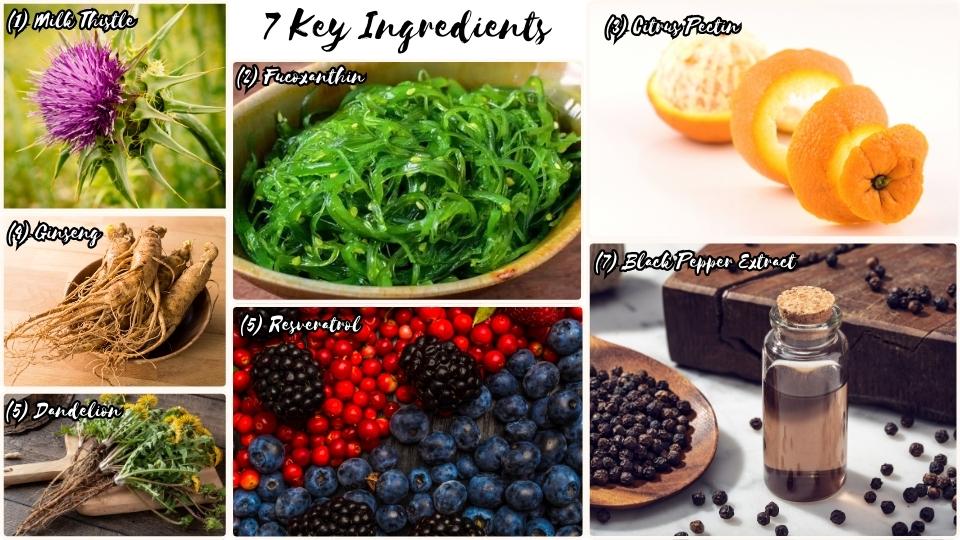
The original article highlighted ingredients such as milk thistle, fucoxanthin, citrus pectin, ginseng, dandelion, resveratrol and black pepper extract. Here is a more balanced way to think about them.
| Ingredient | Why it is commonly included | Important caution |
|---|---|---|
| Milk thistle | Often marketed for liver-support and antioxidant properties. | Can interact with medications and may not be suitable for everyone. |
| Fucoxanthin | A carotenoid from brown seaweed that appears in some weight-management formulas. | Human evidence for weight loss is limited; check iodine/seaweed sensitivities. |
| Citrus pectin | A fibre-like compound associated with digestion and fullness support. | Can cause digestive discomfort in some people. |
| Ginseng | Often used for energy, fatigue and wellness support. | May interact with blood thinners, diabetes medicines and stimulants. |
| Dandelion | Often marketed for water balance and digestion. | May be unsuitable with certain kidney, gallbladder, diuretic or allergy issues. |
| Resveratrol | Antioxidant compound found in grapes and some plants. | Supplement doses and real-world effects vary; interactions are possible. |
| Black pepper extract | Used to improve absorption of some compounds. | Can also affect absorption of medications, so check with a clinician if you take prescriptions. |
Medical note: If you take medication for blood pressure, blood sugar, cholesterol, mood, blood clotting, gout, kidneys, liver or heart health, ask a healthcare professional before using a multi-ingredient supplement.
Pros and Cons

Potential pros
- Powder format may be easy to mix into a morning routine.
- Contains plant-based ingredients commonly used in wellness supplements.
- May help some users feel more structured around their weight-management goals.
- Official purchase page may include refund information and bundle options.
Potential cons
- Weight-loss results are not guaranteed.
- Claims may be stronger than the available evidence for some ingredients.
- May be expensive compared with whole-food habit changes.
- Possible side effects, interactions or digestive discomfort.
- Pricing, shipping and guarantee terms can change.
Safety, Side Effects and Who Should Avoid It
Dietary supplements can be useful for some people, but they can also cause side effects, interact with medication, or encourage unrealistic expectations. Safety matters more than hype.
Speak to a professional first if...
You are pregnant, breastfeeding, under 18, have diabetes, high blood pressure, kidney disease, liver disease, gout, heart issues, an eating disorder history, or take medication.
Stop and seek help if...
You experience chest pain, severe allergic reaction, fainting, severe stomach pain, unusual bleeding, rapid heartbeat, swelling, or other concerning symptoms.
Use caution with testimonials
Very dramatic weight-loss stories may not be typical and should not be treated as expected results.
Protect your mindset
If weight-loss marketing triggers shame, restriction or disordered eating thoughts, skip supplement content and seek supportive guidance.
Price, Refunds and Where to Buy
The older article listed bundle pricing such as one bottle, three-bottle and six-bottle packages. Prices, shipping charges, bonuses and refund rules can change, so readers should verify everything on the checkout page before buying.
| Buying point | What to check | Why it matters |
|---|---|---|
| Official website | Current product name, seller, bundle and checkout URL | Helps avoid counterfeit or outdated offers. |
| Price per bottle | Base price, shipping, taxes and currency | Bundle pricing can hide the true cost. |
| Refund policy | Days allowed, return address, used bottle rules, shipping responsibility | Guarantees are only useful if terms are clear. |
| Subscription terms | Whether the order is one-time or recurring | Prevents unwanted future charges. |
| Label and warnings | Ingredients, allergens, serving size and contraindications | Important for safety and medication interactions. |
Is It a Fit? Quick Finder
Choose the answer closest to your situation.
What To Do Alongside Any Supplement
Whether someone buys a supplement or not, weight management works best when the basics are in place.
- Build meals around protein, fibre and whole foods. These help fullness and make calorie control easier.
- Move in a way you can repeat. Walking, resistance training, cycling, swimming or home workouts can all help.
- Sleep consistently. Poor sleep can increase cravings and make routine harder.
- Track one useful metric. Options include waist measurement, steps, meals, strength progress, energy or mood, not only scale weight.
- Check medical factors. Thyroid, medication, insulin resistance, stress, menopause and other factors may affect weight.
- Avoid extreme restriction. Unsustainable diets often lead to rebound eating and frustration.
FAQs About Ikaria Lean Belly Juice
What is Ikaria Lean Belly Juice?
Ikaria Lean Belly Juice is a powdered dietary supplement marketed for weight management and general wellness. It is not a prescription medicine or guaranteed fat-loss treatment.
Does Ikaria Lean Belly Juice really work?
Individual results can vary. Supplements work best, if at all, alongside nutrition, movement, sleep and professional guidance when needed.
Is Ikaria Lean Belly Juice safe?
Safety depends on your health, medications, allergies and the exact formula. Speak with a healthcare professional before using it if you are pregnant, breastfeeding, under 18, have a medical condition, or take medication.
What are the possible downsides?
Possible downsides include unrealistic expectations, price, taste, digestive discomfort, ingredient interactions, and relying on supplements instead of sustainable habits.
Where should I buy Ikaria Lean Belly Juice?
If you decide to buy it, use the official website or verified seller information and read the current refund, shipping and subscription terms before ordering.
Can it replace diet and exercise?
No. A supplement cannot replace a balanced diet, appropriate movement, sleep, stress management, medical care or long-term lifestyle habits.
Sources and Further Reading
- FDA 101: Dietary Supplements
- NIH Office of Dietary Supplements: Weight Loss
- NIH ODS: Dietary Supplements — What You Need to Know
- FTC: Health Products Compliance Guidance
- Harvard Health: Superfoods to Boost a Healthy Diet
- How To Lose Weight While Working From Home
- How To Lose Weight As a Stay-At-Home Mom
- Weight Loss Smoothie Recipes PDF
- Homemade Tea Recipes For Weight Loss
Affiliate and health disclosure: This article may contain affiliate links, including links to Ikaria Lean Belly Juice and other wellness resources. If you click and make a purchase, ChipJourney may earn a small commission at no extra cost to you. This review is for general information only and is not medical, nutritional, weight-loss, diagnosis or treatment advice. Dietary supplements are not guaranteed to produce weight loss and may not be suitable for everyone. Speak with a qualified healthcare professional before starting any supplement, especially if you have a medical condition, take medication, are pregnant, breastfeeding, under 18, or have a history of disordered eating.