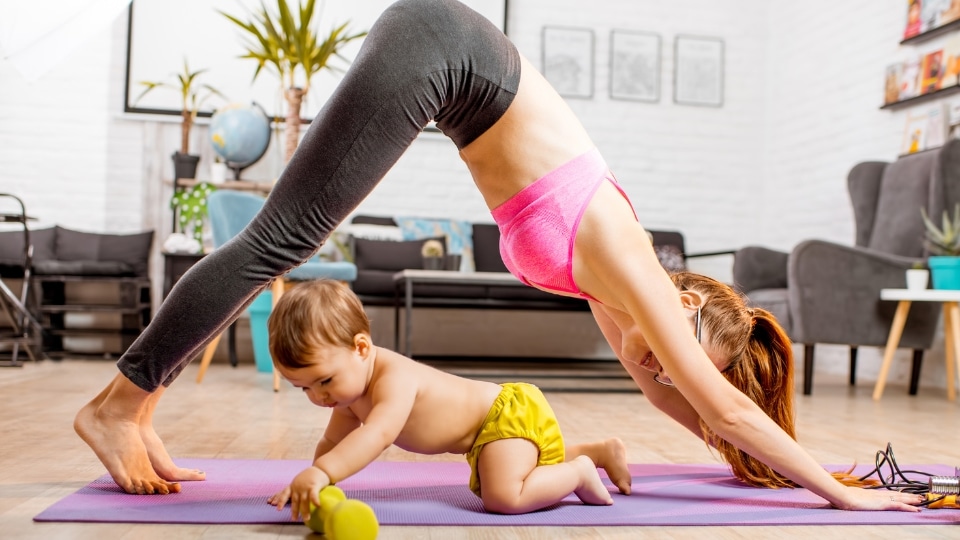
Key Takeaways
- Stay-at-home mom weight loss works best when it is realistic — quick meals, short workouts, better sleep, hydration and support matter more than extreme diets.
- A safe, sustainable pace is usually gradual. Postpartum, breastfeeding, medical conditions and medications can change what is appropriate.
- You do not need a gym. Ten-minute movement blocks, stroller walks, stairs, bodyweight exercises and family activity all count.
- Meals should be filling, not punishing: protein, fibre-rich carbohydrates, fruit or vegetables, and healthy fats can help control hunger.
- Crash diets, “detox” claims, skipping meals and guilt-based plans are usually harder to maintain and may be unsafe postpartum.
Quick Answer: How Can a Stay-at-Home Mom Lose Weight?
Start with a repeatable routine, not perfection. Build simple balanced meals, move for 10 minutes at a time, keep water nearby, reduce mindless snacking, sleep when you realistically can, and set small goals you can keep. If you recently gave birth, are breastfeeding, have a medical condition, or feel exhausted or overwhelmed, get personalised guidance before pushing hard.
Set Realistic Weight Loss Goals
Weight loss as a stay-at-home mom is not just about willpower. Your schedule, sleep, stress, hormones, food access, childcare demands and postpartum recovery can all affect progress. That is why a simple, forgiving plan usually works better than a strict all-or-nothing programme.
Postpartum note: If you recently had a baby, had a C-section, are breastfeeding, have pelvic floor symptoms, pain, dizziness, diastasis recti, heavy bleeding, depression symptoms, or a medical condition, speak with your doctor, midwife or physiotherapist before dieting or exercising intensely.
- Pick one food habit first. For example, add protein to breakfast or prepare one healthy snack.
- Pick one movement habit. Try a 10-minute walk, a short home workout, or gentle stretching.
- Track habits, not just weight. Energy, mood, measurements, strength and consistency also matter.
- Plan around your real day. A perfect plan that does not fit nap times, school runs and household tasks will not last.
Build Simple Balanced Meals
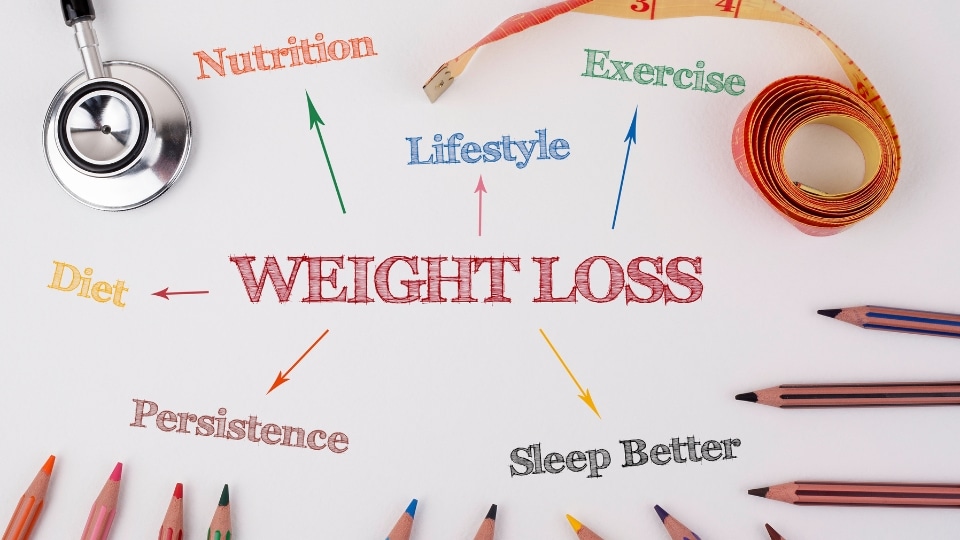
A practical meal does not need to be fancy. The easiest structure is a plate with protein, vegetables or fruit, a fibre-rich carbohydrate, and a small portion of healthy fat.
| Meal part | Examples | Why it helps |
|---|---|---|
| Protein | Eggs, Greek yoghurt, chicken, tuna, tofu, beans, lentils, cottage cheese | Helps fullness and supports muscle while losing weight. |
| Fibre-rich carbs | Oats, potatoes, brown rice, wholegrain wraps, beans, fruit | Provides energy and can reduce snack cravings. |
| Vegetables or fruit | Frozen veg, salad bags, carrots, peppers, berries, apples | Adds volume, vitamins and fibre. |
| Healthy fats | Olive oil, avocado, nuts, seeds, peanut butter | Supports satisfaction, but portions still matter. |
| Quick flavour | Salsa, herbs, Greek yoghurt dressing, lemon, spices | Makes healthy meals less boring. |
Fast breakfast
Greek yoghurt + berries + oats or nuts. It takes 2 minutes and gives protein and fibre.
Easy lunch
Wholegrain wrap + chicken, tuna, beans or tofu + salad + yoghurt dressing.
Family dinner
Protein + frozen vegetables + rice, potatoes, pasta or beans. Keep it simple.
Snack reset
Fruit with yoghurt, boiled eggs, hummus and veg, or a measured handful of nuts.
Original resource preserved: Your One-Stop Solution for Healthy Cooking.
Add Quick Movement Into Mom Life
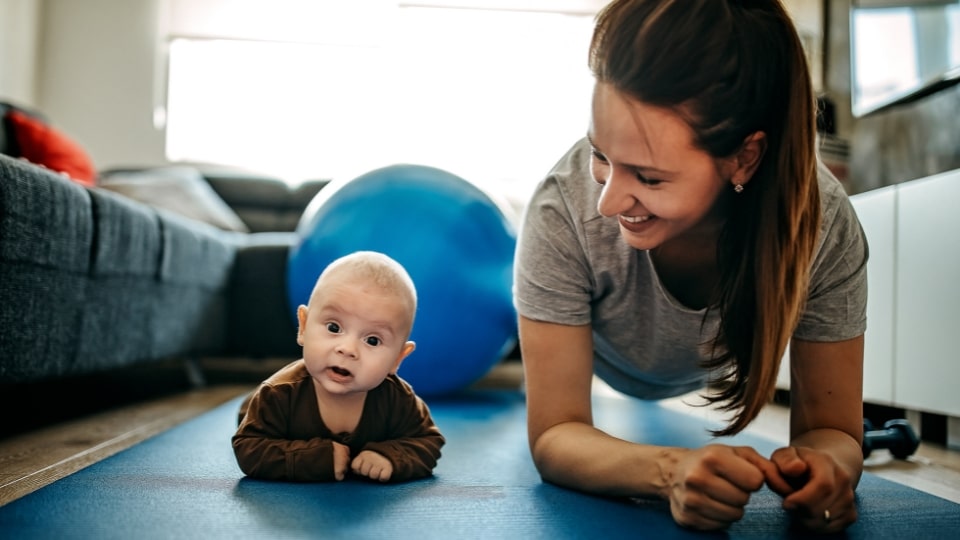
Exercise helps health, mood, strength, energy and weight management. It does not need to happen all at once. Three 10-minute walks can be more realistic than one long gym session.
- Morning reset: 5 minutes of gentle mobility or a short walk outside.
- Nap-time block: 10 minutes of squats, wall push-ups, glute bridges, dead bugs or light dumbbells.
- Kid-friendly movement: dance party, stroller walk, playground laps or cleaning with music on.
- Strength twice a week: include legs, hips, back, chest, shoulders, arms and core where safe.
- Progress slowly: add minutes, reps or resistance only when your body feels ready.
Original resource preserved: Nourished Mama's Guide.
Hydration, Sleep and Stress
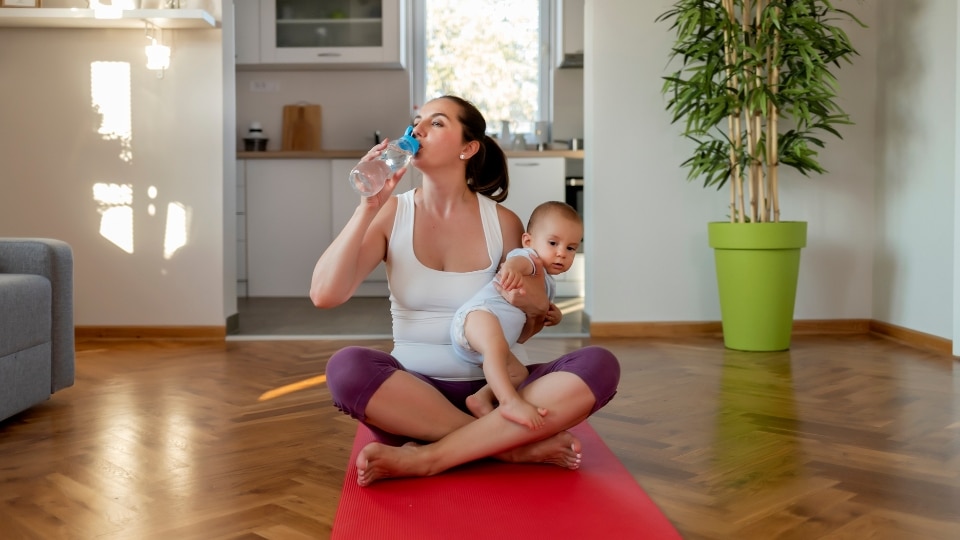
Hydration
Keep a water bottle where you feed the baby, fold laundry, cook or work. Water helps you notice the difference between thirst, habit and true hunger.

Sleep and stress
Poor sleep and stress can make cravings stronger and motivation lower. Aim for small improvements: earlier screens-off time, shared childcare help, short breathing breaks, and realistic expectations.
Gentle reminder: If sleep is impossible because of newborn care, illness, anxiety, depression, financial pressure or lack of support, the first goal is stability and help — not a harsh weight-loss push.
Original mindfulness resource preserved: Unlock Relaxation in 7 Minutes.
Stay-at-Home Mom Routine Builder
Choose your biggest challenge and get one realistic next step.
Simple 7-Day Starter Plan
This is not a strict diet. It is a habit starter you can repeat, adjust and make family-friendly.
| Day | Food focus | Movement focus | Self-care focus |
|---|---|---|---|
| Day 1 | Add protein to breakfast. | 10-minute walk. | Fill a water bottle twice. |
| Day 2 | Prep one healthy snack. | 10 squats + 10 wall push-ups. | Write one realistic goal. |
| Day 3 | Use the balanced plate at lunch. | Dance or walk with kids. | Reduce evening scrolling by 15 minutes. |
| Day 4 | Add vegetables to dinner. | Short core-friendly routine. | Ask for one practical support task. |
| Day 5 | Plan tomorrow’s breakfast. | Stroller walk or home steps. | Take 5 quiet minutes. |
| Day 6 | Cook one simple family meal. | Strength block: legs, arms, core. | Celebrate one win. |
| Day 7 | Review what worked. | Easy walk or rest. | Choose next week’s 2 habits. |
Support and Motivation
Weight loss can feel lonely when everyone else’s needs come first. Ask for practical help where you can: a partner watching the kids for a walk, a friend sharing meal ideas, a local mom group, or a supportive online community.
Celebrate non-scale wins
Better energy, stronger walks, less mindless snacking, improved mood and better meal planning all count.
Avoid shame plans
A plan that makes you feel guilty every day is not sustainable. Build habits that respect your life.
Keep a flexible journal
Track meals, movement, mood, sleep and hunger patterns without turning it into punishment.
Get help early
If eating, body image, mood or postpartum stress feels overwhelming, professional support matters.
FAQs About Losing Weight as a Stay-at-Home Mom
How can a stay-at-home mom lose weight realistically?
Start with small habits that fit your day: balanced meals, short movement blocks, hydration, sleep support, stress management and realistic goals.
How much weight loss is safe per week?
Many health sources describe gradual weight loss as safer and more sustainable than rapid loss. A common goal is about 1 to 2 pounds per week for many adults, but postpartum, breastfeeding or medical situations require personalised advice.
Can I lose weight while breastfeeding?
Some mothers can, but calories, hydration, milk supply and recovery matter. Avoid crash diets and ask your doctor, midwife or dietitian for guidance.
What workouts are best for a busy mom?
Short walks, stroller walks, bodyweight strength training, gentle core work, yoga, dance sessions with kids and 10-minute workout blocks can all help.
Do I need a strict diet?
No. A flexible plate method with protein, vegetables or fruit, fibre-rich carbs and healthy fats is easier to maintain than a restrictive diet.
What should I do when I keep snacking?
Plan filling snacks before hunger becomes urgent, such as Greek yoghurt, fruit, boiled eggs, hummus with vegetables, cottage cheese or measured portions of nuts.
Sources and Further Reading
Affiliate and health disclosure: This article may contain affiliate links, including sponsored wellness resources. If you click and make a purchase, ChipJourney may earn a small commission at no extra cost to you. This guide is for general information only and is not medical, nutrition, postpartum, breastfeeding, mental-health or fitness advice. Speak with a qualified healthcare professional before starting a weight-loss plan, supplement, calorie deficit or new exercise programme, especially if you are pregnant, postpartum, breastfeeding, taking medication, managing a medical condition, recovering from birth or injury, or have a history of disordered eating.