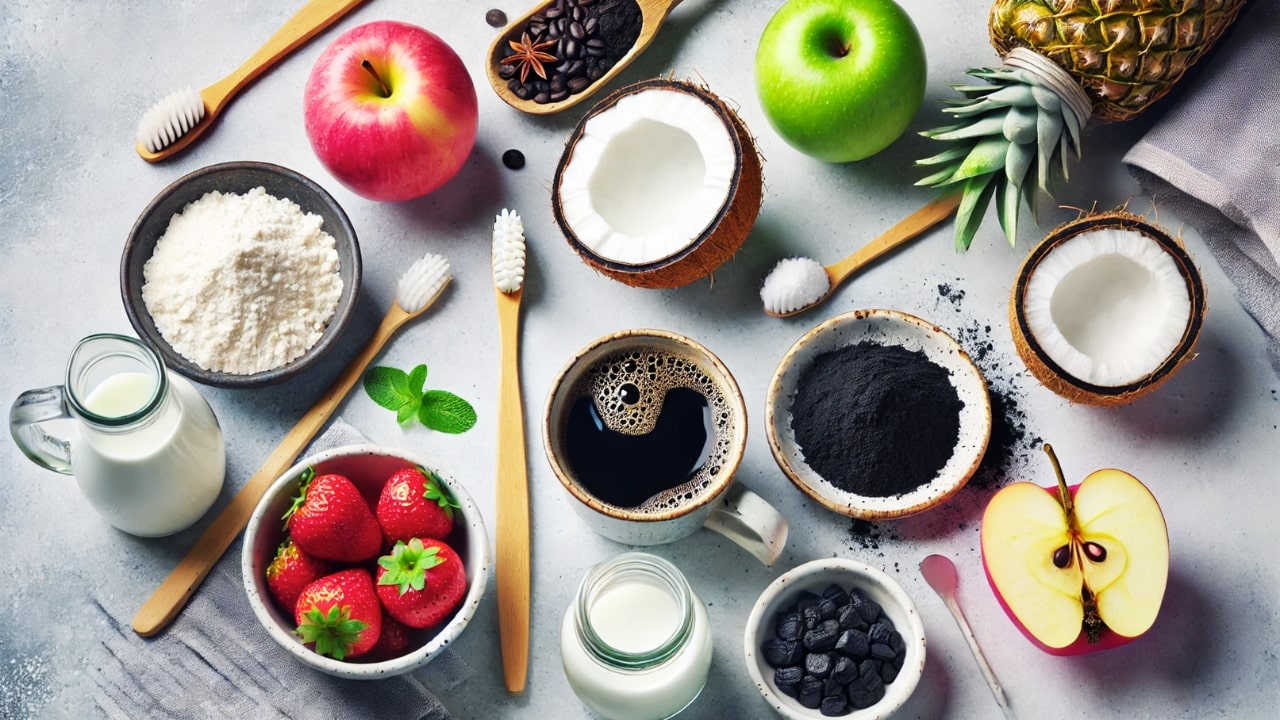
Key Takeaways
- Coffee stains are usually surface stains caused by colour pigments and tannins attaching to plaque and enamel.
- Natural methods may help with light staining, but they should be gentle. “Natural” does not automatically mean safe for enamel.
- Rinsing with water after coffee, brushing twice daily, flossing, and regular dental cleanings matter more than harsh whitening hacks.
- Abrasive methods such as baking soda or charcoal should be used carefully and not as daily scrubbing routines.
- See a dentist if stains are dark, patchy, painful, linked with sensitivity, or do not improve with normal cleaning.
Quick Answer: How Do You Get Coffee Stains Off Teeth Naturally?
The safest natural approach is to reduce new staining first: rinse with water after coffee, avoid sipping coffee for hours, brush with fluoride toothpaste twice daily, floss once daily, and keep up with dental cleanings. For light surface stains, occasional baking-soda toothpaste or a dentist-approved whitening toothpaste may help, but avoid aggressive scrubbing, lemon juice, frequent charcoal use, or strong DIY peroxide mixtures.
Why Coffee Stains Teeth
Coffee contains dark colour compounds that can stick to the film on your teeth, especially when plaque is present. The more often coffee touches the teeth, the easier it is for mild yellow or brown stains to build up over time.
Important: Teeth colour is not the same as tooth health. Very white teeth are not automatically healthier, and healthy teeth can naturally have a warm ivory tone. The goal is a clean, healthy smile — not harsh bleaching at any cost.
Safe Natural Ways to Reduce Coffee Stains on Teeth
These methods are best for light surface stains. If you have crowns, veneers, fillings, gum recession, sensitive teeth, braces, dental pain, or enamel wear, ask a dental professional before trying whitening methods at home.
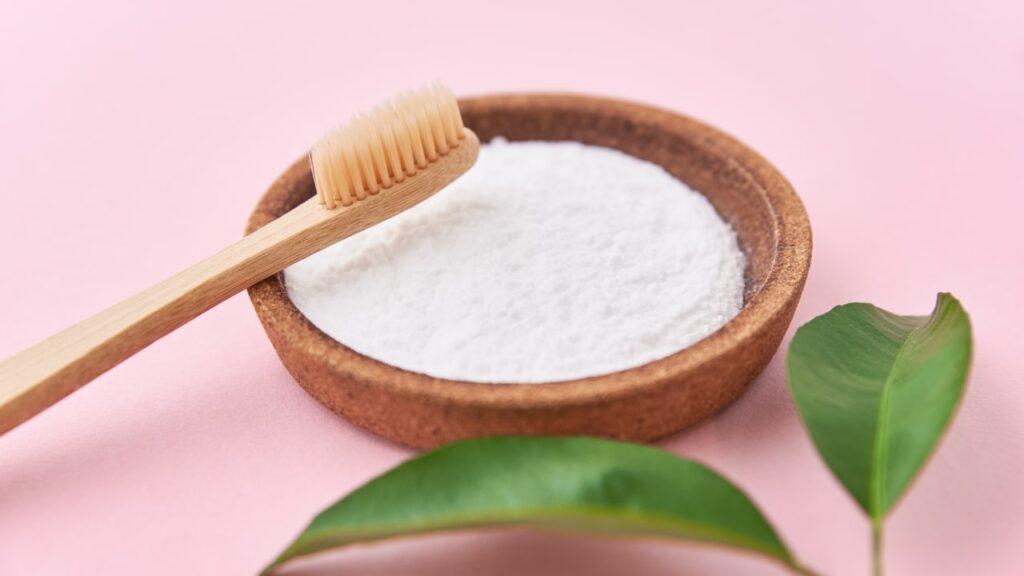
1. Use Baking Soda Carefully
Baking soda is mildly abrasive, so it can help polish away some surface stains. The safer route is a toothpaste formulated with baking soda rather than harsh homemade scrubbing.
How often: occasional use, not aggressive daily scrubbing.
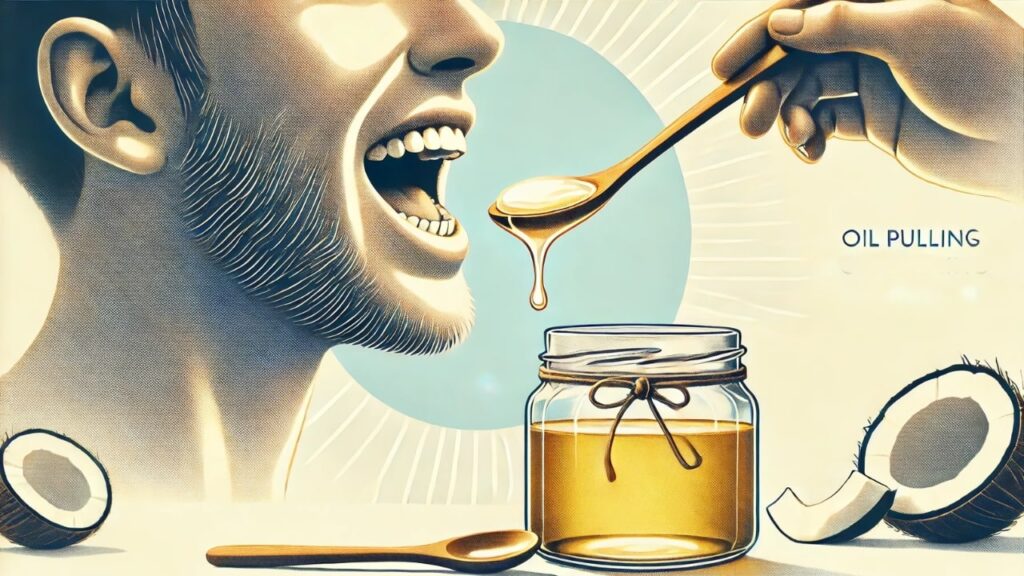
2. Try Oil Pulling as a Support Habit
Oil pulling may make the mouth feel cleaner, but it should not replace brushing, flossing, fluoride toothpaste or dental visits.
Safer tip: spit the oil into the bin, not the sink, then brush as normal.

3. Eat Crunchy, Tooth-Friendly Foods
Apples, celery and carrots can help stimulate saliva and gently clear food particles. They will not bleach teeth, but they can support a cleaner mouth between brushing.
Best for: a simple habit after coffee or meals.
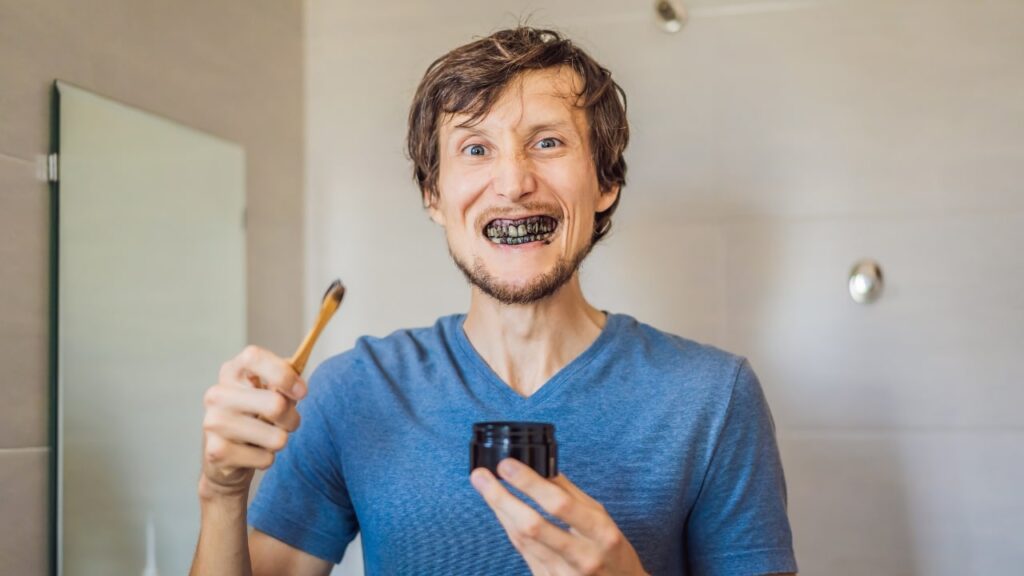
4. Be Very Careful with Charcoal
Activated charcoal is popular online, but it can be abrasive. Frequent use may be risky for enamel and may not be suitable around dental work.
Better choice: ask your dentist before using charcoal products.
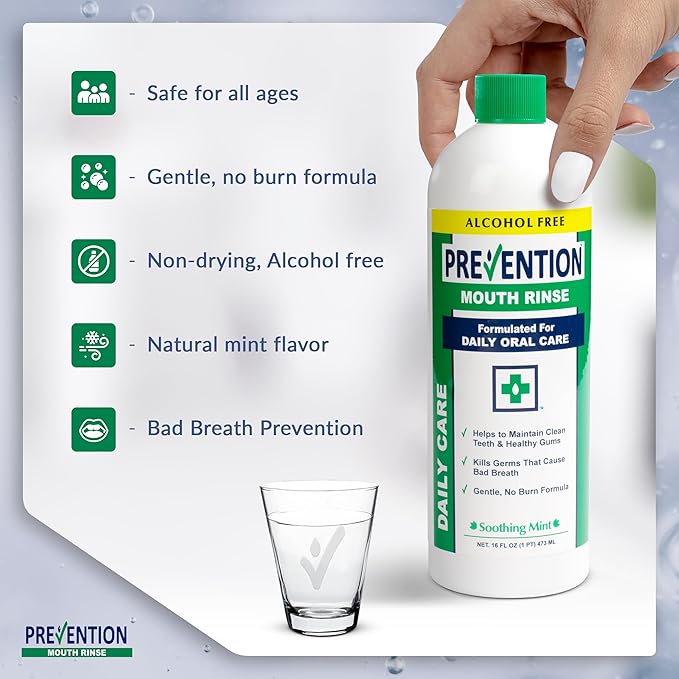
5. Use Peroxide Only with Caution
Hydrogen peroxide is used in many whitening products, but concentration and frequency matter. Strong DIY mixtures can irritate gums and increase sensitivity.
Best route: dentist-guided whitening if stains are stubborn.

6. Rinse After Coffee
This is one of the easiest stain-prevention habits. Swish plain water after coffee to reduce how long pigments and acids sit on your teeth.
Simple rule: rinse now, brush later.
Related ChipJourney guide: Is Having White Teeth Healthy? The Truth Behind Dental Myths
How to Prevent Future Coffee Stains
Prevention is easier than removing stains later. The goal is to shorten coffee contact time and keep plaque under control.
- Rinse with water after coffee. This helps wash away pigments before they settle.
- Do not sip coffee all day. A long sipping window gives stains more time to build.
- Use a straw for iced coffee. This reduces direct contact with front teeth.
- Brush twice daily with fluoride toothpaste. Wait around 30 minutes after coffee before brushing if possible.
- Floss once daily. Staining can look worse when plaque builds up between teeth.
- Book regular dental cleanings. Professional cleaning can remove many stains more safely than harsh home tricks.
What to Avoid When Whitening Coffee-Stained Teeth Naturally
| Method or habit | Why to be careful | Safer approach |
|---|---|---|
| Lemon juice on teeth | It is acidic and may weaken enamel. | Avoid direct lemon whitening hacks. |
| Daily baking soda scrubbing | Too much abrasion can irritate enamel and gums. | Use dentist-approved whitening or baking-soda toothpaste. |
| Frequent charcoal brushing | May be abrasive and unsuitable around dental work. | Ask your dentist first. |
| Strong peroxide mixtures | Can cause sensitivity or gum irritation. | Use products as directed or choose dentist-supervised whitening. |
| Brushing immediately after coffee | Coffee acidity may temporarily soften enamel. | Rinse first and wait before brushing. |
FortBite Oral Care Resource
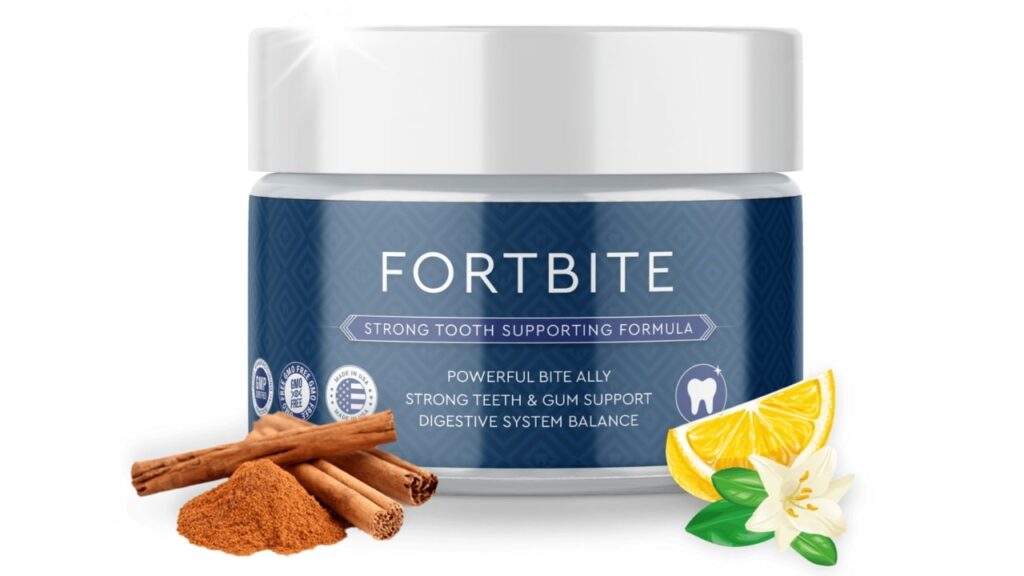
FortBite is the sponsored oral-care resource from the original article. If you are curious about a tooth powder or natural-style oral-care product, review the ingredients carefully, follow the label, and ask your dentist if you have sensitivity, gum disease, crowns, veneers, fillings, braces, or ongoing oral-health concerns.
Health note: No supplement, powder, toothpaste or home remedy should be treated as a guaranteed cure for stains, cavities, gum disease, bad breath, enamel damage or dental pain.
Coffee Stain Habit Finder
Choose the habit that sounds most like you and get a quick next step.
When to See a Dentist
Home care is useful, but it has limits. Book a dental appointment if staining is dark, grey, patchy, painful, close to the gumline, linked with sensitivity, or does not improve after better brushing and cleaning habits. A dentist can check whether the issue is surface staining, tartar, enamel wear, decay, old dental work or something else.
FAQs About Coffee Stains on Teeth
Can coffee stains on teeth be removed naturally?
Some light surface stains can improve with consistent oral hygiene, careful stain-prevention habits and professional cleanings. Deeper stains may need dentist-guided whitening.
Is baking soda safe for coffee stains?
Baking soda can help with surface stains when used gently, especially in formulated toothpaste. Avoid harsh daily scrubbing because enamel damage cannot be reversed.
Should I brush right after coffee?
It is usually better to rinse with water first and wait around 30 minutes before brushing, especially if your coffee is acidic or sweetened.
Is activated charcoal safe for whitening?
Charcoal can be abrasive and may not be suitable for frequent use or for people with dental work, sensitivity or gum recession. Ask a dentist before using it.
Can hydrogen peroxide whiten coffee stains?
Hydrogen peroxide is used in whitening products, but concentration and timing matter. Use products exactly as directed and ask a dentist if you have sensitive teeth or gum irritation.
Can lemon juice whiten teeth naturally?
Lemon juice is not a good whitening hack because its acidity can weaken enamel. It is safer to avoid applying lemon juice directly to your teeth.
Sources and Further Reading
Affiliate and dental health disclosure: This article may contain affiliate links, including sponsored oral-care resources. If you click and make a purchase, ChipJourney may earn a small commission at no extra cost to you. This guide is for general information only and is not dental or medical advice. Ask a qualified dentist about persistent stains, pain, sensitivity, gum issues, crowns, veneers, fillings, braces, whitening products or oral-health concerns.