
Processed Foods And Their Natural Replacements: Simple Swaps For Real-Life Healthy Eating

Processed foods and their natural replacements are worth understanding because the small foods we eat every day often shape our energy, digestion, cravings, mood, and long-term eating habits. Most people do not choose processed foods because they are careless. We choose them because they are quick, cheap, easy to store, and designed to taste good when life is busy.
The good news is that eating more naturally does not mean becoming perfect, spending a fortune, or cooking every meal from scratch. It means learning which processed foods are worth reducing, which convenient foods can still fit into a balanced diet, and which simple swaps can make your meals more nourishing without making your life harder.
Disclosure: This post may contain partner links. If you click a link and make a purchase, ChipJourney may earn a small commission at no extra cost to you. This article is for general educational purposes only and is not medical advice. If you have a health condition, food allergy, pregnancy-related diet concerns, diabetes, or take medication, speak with a qualified healthcare professional before making major dietary changes.
Quick Answer: What Are The Best Natural Replacements For Processed Foods?
The best natural replacements for processed foods are simple, familiar foods with shorter ingredient lists: oats instead of sugary cereal, whole fruit instead of fruit-flavoured snacks, plain yoghurt instead of sweetened dessert-style yoghurt, homemade smoothies instead of sugary drinks, eggs or beans instead of packaged breakfast bars, and batch-cooked meals instead of frozen ready meals. You do not need to remove every processed food; start by replacing the ones you eat most often.
Key Takeaways
- Not all processing is bad. Frozen vegetables, plain yoghurt, canned beans, oats, and pasteurised milk can still be useful, nutritious foods.
- Ultra-processed foods are the bigger concern. These often include long ingredient lists, added sugars, refined oils, excess salt, artificial flavours, and low fibre.
- Natural replacements work best when they are realistic. Choose swaps that fit your schedule, budget, family, and taste preferences.
- Breakfast and drinks are easy places to start. Cereal, canned juices, sweetened coffee drinks, and snack bars are common sources of hidden sugar.
- Small changes compound. Replacing one daily processed item with a more natural option can make your overall diet feel lighter, fresher, and more satisfying.
In This Guide
- What counts as processed food?
- Why processed foods are easy to overeat
- Natural breakfast replacements
- Better drink and juice swaps
- Yoghurt and fermented food choices
- Natural replacements for ready meals
- Healthy snack swaps
- Simple natural food shopping list
- FAQs
- Sources and Further Reading
What Counts As Processed Food?
Processed food is any food that has been changed from its original form. That can mean washing, chopping, freezing, drying, fermenting, canning, pasteurising, seasoning, packaging, or combining ingredients. This is why the phrase “processed food” can be confusing. A bag of frozen peas is processed, but it can still be a healthy, convenient choice. A packet of biscuits is also processed, but it is very different nutritionally.
The main foods to watch are usually ultra-processed foods. These are products that often contain ingredients you would not normally use in a home kitchen, such as flavour enhancers, emulsifiers, colourings, artificial sweeteners, refined starches, and added sugars. They are often designed to be quick to eat, highly palatable, and easy to consume in large amounts.
A balanced approach is better than fear. You do not need to panic because you use canned tomatoes, frozen vegetables, or plain wholemeal bread. The goal is to reduce the processed items that crowd out more nourishing foods, especially sugary cereals, sweet drinks, processed snacks, ready meals, and packaged desserts.
Why Processed Foods Are Easy To Overeat
Processed foods are convenient, and that is exactly why they become part of daily life. A microwaved lunch, a packet snack, a sweetened breakfast cereal, or a canned drink can feel like a lifesaver when you are tired, travelling, working, or feeding a family. The problem begins when these foods become the default rather than the occasional shortcut.
Many highly processed foods combine sugar, salt, refined carbohydrates, and fats in a way that makes them easy to keep eating. They can also be lower in fibre and protein, which means they may not keep you full for long. When a food is low in fibre, low in protein, and high in added sugar, you may feel hungry again soon after eating it.
Another issue is that processed foods often hide ingredients in plain sight. Sugar can appear under many names, including glucose syrup, fructose, corn syrup, dextrose, maltose, cane sugar, fruit juice concentrate, and syrup. Salt can also be high in foods that do not taste obviously salty, including sauces, breads, processed meats, instant noodles, and frozen meals.
The easiest way to take back control is not to count every gram obsessively. Start by asking: Can I recognise most of the ingredients? Does this food contain fibre or protein? Could I replace this with something closer to its natural form?
Natural Breakfast Replacements For Processed Foods
Breakfast is one of the easiest places to improve your diet because many common breakfast products are heavily sweetened. Cereals marketed to children can be especially sugary, and even “healthy-looking” granola may contain added syrup, chocolate pieces, sweetened dried fruit, or refined oils.
Instead of starting the day with a bowl of sugar-heavy cereal, try simple breakfasts built around protein, fibre, and slow-release carbohydrates. These options can keep you satisfied for longer and help reduce mid-morning cravings.
- Instead of sugary cereal: choose porridge oats with banana, cinnamon, berries, or a spoon of nut butter.
- Instead of breakfast bars: try boiled eggs, Greek yoghurt, fruit, or homemade oat bites.
- Instead of sweetened flavoured yoghurt: use plain yoghurt and add fresh fruit yourself.
- Instead of white toast with chocolate spread: try wholegrain toast with avocado, egg, hummus, cottage cheese, or peanut butter.
- Instead of instant pancakes or pastries: make simple oat pancakes with eggs, oats, banana, and a little cinnamon.
Organic pastured eggs, where available and affordable, can be a satisfying breakfast choice because they provide protein and useful nutrients. Beans, lentils, tofu, cottage cheese, nuts, seeds, and plain yoghurt can also help build a stronger breakfast without relying on packaged products.

Better To Make Your Own Juices And Drinks
Drinks are one of the easiest sources of added sugar to overlook. Canned juices, bottled smoothies, fizzy drinks, sweetened iced coffees, energy drinks, and fruit-flavoured beverages can sound refreshing, but many contain more sugar than people expect. Even drinks labelled as “natural” or “100% juice” can be easy to overconsume because drinking fruit is not as filling as eating whole fruit.
Freshly made juices can be enjoyable, especially when they include vegetables such as cucumber, celery, spinach, carrot, ginger, or lemon. However, the healthiest everyday choice is often whole fruit plus water, because whole fruit keeps more fibre intact. If you love juice, keep portions sensible and use it as part of a varied diet rather than a replacement for meals.
- Instead of canned fruit juice: try water with lemon, mint, cucumber, or berries.
- Instead of fizzy drinks: try sparkling water with a splash of fresh citrus.
- Instead of sweetened coffee drinks: try coffee with milk, cinnamon, or a smaller amount of sweetener.
- Instead of energy drinks: try water, a balanced meal, a short walk, or a protein-rich snack.
- Instead of bottled smoothies: make your own with fruit, spinach, plain yoghurt, oats, or seeds.
A simple homemade smoothie can be more balanced than juice because it keeps more fibre and can include protein. For example, blend Greek yoghurt, frozen berries, half a banana, oats, and a spoon of chia seeds. This gives you sweetness, fibre, protein, and a creamy texture without needing a sugary bottled drink.
Yoghurt Is Full Of Useful Bacteria When You Choose The Right Type
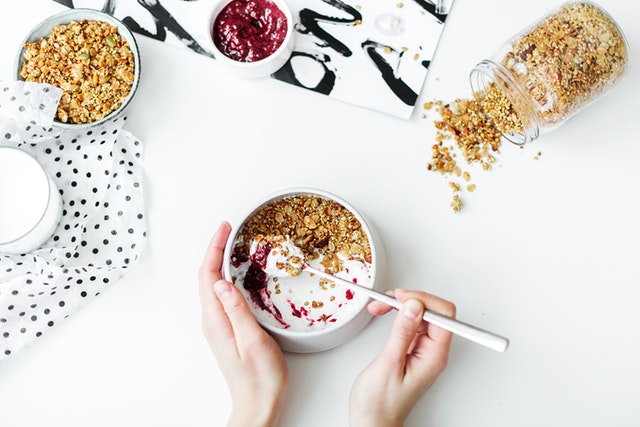
Yoghurt can be a brilliant natural replacement for processed desserts, sugary snacks, and sweet breakfast products, but the type you buy matters. Plain yoghurt with live cultures is very different from dessert-style yoghurt filled with sugar, flavourings, syrups, and colourful toppings.
Traditionally fermented yoghurt contains live bacteria cultures, often called probiotics. These bacteria are part of the reason yoghurt has long been valued in many food cultures. However, not every supermarket yoghurt is equal. Some are closer to pudding than a natural fermented food.
When shopping, look for simple labels. Good options often say plain yoghurt, Greek yoghurt, natural yoghurt, or live cultures. If the ingredient list is milk and cultures, that is usually a strong sign. If the list includes several sugars, syrups, flavourings, and starches, it may be better as an occasional treat.
- Instead of fruit-flavoured yoghurt: use plain yoghurt with berries or chopped apple.
- Instead of ice cream every night: try Greek yoghurt with cinnamon and a few nuts.
- Instead of creamy processed dips: mix plain yoghurt with garlic, lemon, herbs, and cucumber.
- Instead of sweet pudding pots: try yoghurt with banana, cocoa powder, and a little peanut butter.
If you are dairy-free, look for unsweetened plant-based yoghurt with live cultures. Again, the label matters. Some plant-based products are heavily processed and sweetened, while others are simple and useful.
Natural Replacements For Ready Meals
Ready meals are popular because they solve a real problem: people are tired and hungry. The answer is not to shame yourself for using convenience food. The better solution is to create your own healthier convenience system at home.
Batch cooking is one of the easiest ways to replace processed meals. You do not need to cook seven complicated recipes. Cook one or two flexible base meals and reuse them in different ways. For example, a pot of chilli can become dinner with rice, lunch in a wrap, or a topping for a baked potato. Roasted vegetables can go into salads, omelettes, pasta, soups, or grain bowls.
- Instead of frozen pizza: try wholegrain pita pizza with tomato sauce, vegetables, cheese, and chicken or beans.
- Instead of instant noodles: try quick noodles with egg, frozen vegetables, spring onions, and a lower-salt broth.
- Instead of microwave curry: batch-cook lentil curry and freeze portions.
- Instead of processed burgers: make simple turkey, beef, bean, or lentil patties at home.
- Instead of packaged pasta sauce: use canned tomatoes, garlic, herbs, olive oil, and vegetables.
Frozen vegetables, canned beans, tinned fish, plain rice, oats, eggs, potatoes, and wholegrain bread can all be part of a healthier convenience kitchen. They are not “bad” just because they are stored in a tin, bag, or packet. The key is choosing useful ingredients rather than products overloaded with sugar, salt, and additives.
Healthy Snack Swaps That Still Feel Satisfying
Snacking is where many people struggle because processed snacks are everywhere. Crisps, biscuits, sweets, cereal bars, pastries, and chocolate are easy to grab, especially while travelling or working. Instead of trying to survive on willpower, keep better snacks nearby.
- Instead of crisps: try roasted chickpeas, popcorn, nuts, or crunchy vegetables with hummus.
- Instead of sweets: try dates with nut butter, grapes, berries, or apple slices with cinnamon.
- Instead of biscuits: try oat cakes, yoghurt, fruit, or homemade energy balls.
- Instead of chocolate bars: try dark chocolate with nuts or fruit.
- Instead of processed meat snacks: try boiled eggs, tuna, hummus, beans, or cheese with wholegrain crackers.
A good snack usually includes at least one of these: protein, fibre, healthy fats, or water-rich foods. That is why an apple alone might not satisfy you for long, but an apple with peanut butter or yoghurt can feel much more filling.
Natural Food Swaps For Travellers And Busy Days
Because ChipJourney is all about travel and real-life experiences, it is important to be honest: eating naturally can be harder when you are on the road. Airports, petrol stations, train stations, hotels, and tourist areas often push processed convenience food. Planning ahead makes a big difference.
Pack travel-friendly foods that do not make a mess and do not need complicated storage. Good options include nuts, oat cakes, whole fruit, nut butter sachets, roasted chickpeas, protein-rich yoghurt where refrigeration is available, and sandwiches made with wholegrain bread. If you are flying, always check current airline and airport rules before packing liquids, gels, or fresh food across borders.
When eating out, look for meals built from recognisable ingredients: grilled fish, chicken, beans, eggs, vegetables, rice, potatoes, salads, soups, and simple local dishes. You can still enjoy local treats. The aim is balance, not punishment.
Simple Natural Food Shopping List
If your kitchen is already full of better options, replacing processed foods becomes much easier. Here is a simple list you can adapt to your budget and taste.
- Breakfast basics: oats, eggs, plain yoghurt, wholegrain bread, nut butter, berries, bananas, chia seeds.
- Protein: beans, lentils, chickpeas, fish, chicken, tofu, eggs, Greek yoghurt, cottage cheese.
- Carbohydrates: potatoes, sweet potatoes, brown rice, oats, quinoa, wholegrain pasta, wholemeal wraps.
- Vegetables: fresh or frozen spinach, broccoli, carrots, peppers, onions, tomatoes, cucumbers, salad leaves.
- Healthy fats: olive oil, avocado, nuts, seeds, peanut butter, tahini.
- Flavour boosters: garlic, ginger, herbs, spices, lemon, vinegar, mustard, chilli flakes.
- Emergency convenience: low-salt canned beans, canned tomatoes, frozen vegetables, tuna, sardines, plain popcorn, oat cakes.
Before you shop, choose two processed foods you want to replace this week. Do not overhaul your entire kitchen overnight. If sugary cereal is your biggest habit, start there. If fizzy drinks are your weakness, start there. If frozen meals are your default dinner, start by batch-cooking one simple meal.
A Realistic 7-Day Swap Plan
Changing food habits works best when it feels manageable. Here is a gentle seven-day plan that focuses on progress rather than perfection.
- Day 1: Replace sugary cereal with oats, yoghurt, or eggs.
- Day 2: Replace one sweet drink with water, sparkling water, or homemade fruit-infused water.
- Day 3: Add one extra vegetable to lunch or dinner.
- Day 4: Replace a packet snack with fruit plus nuts, yoghurt, hummus, or roasted chickpeas.
- Day 5: Read the label on one food you buy often and compare it with a simpler option.
- Day 6: Cook one extra portion of dinner and save it for tomorrow’s lunch.
- Day 7: Choose one processed food you will keep as an occasional treat and one you will replace more often.
This approach is realistic because it leaves room for your life. You can still travel, eat out, celebrate, and enjoy food. The goal is to build a stronger everyday foundation so processed foods become a choice, not a trap.
Final Thoughts: Back To Nature Without Becoming Extreme
Going back to nature does not mean rejecting every modern convenience. It means becoming more aware of what you eat most often and choosing natural replacements where they make sense. Your food habits influence your energy, comfort, routine, and overall lifestyle, so even simple improvements can feel powerful over time.
Start with breakfast, drinks, snacks, and ready meals. Choose foods with shorter ingredient lists, more fibre, more protein, and more recognisable ingredients. Make your own juices or smoothies when you can, choose plain yoghurt instead of dessert-style yoghurt, and keep easy whole foods in the kitchen so healthy choices do not require heroic effort.
Discover How The Foods You're Eating Every Day Are Making Your Fat Cells SICK ...
FAQs About Processed Foods And Natural Replacements
Are all processed foods bad?
No. Some processed foods are useful and nutritious, such as frozen vegetables, canned beans, oats, plain yoghurt, canned fish, and pasteurised milk. The bigger concern is ultra-processed food that is high in added sugar, salt, refined starches, and low in fibre or protein.
What is the easiest processed food to replace first?
Start with the processed food you eat or drink most often. For many people, that is sugary cereal, sweet drinks, packaged snacks, or ready meals. Replacing one daily habit is more effective than trying to change everything at once.
Is fresh juice always healthier than canned juice?
Fresh juice can be a better choice than many sugary canned drinks, especially if it includes vegetables, but whole fruit is usually more filling because it keeps more fibre. If you drink juice, keep portions moderate and avoid adding extra sugar.
What can I eat instead of sweet breakfast cereal?
Try oats with fruit, plain yoghurt with berries, eggs with wholegrain toast, cottage cheese with fruit, or a smoothie made with yoghurt, oats, berries, and seeds. These options usually provide more protein and fibre than sugary cereal.
How can I eat less processed food while travelling?
Pack simple snacks like nuts, fruit, oat cakes, roasted chickpeas, or wholegrain sandwiches. When eating out, choose meals with recognisable ingredients such as eggs, fish, chicken, beans, vegetables, rice, potatoes, soups, and salads.
Sources and Further Reading
- CDC: Get the Facts About Added Sugars
- NHS: How to Read Food Labels
- FDA: Added Sugars on the Nutrition Facts Label
- Harvard T.H. Chan School of Public Health: Processed Foods and Health
- ChipJourney: Strawberry Smoothie To Lose Belly Fat
- ChipJourney: Juicing Recipes For Memory
- ChipJourney: How to Cure Brain Fog After Drinking