Key Takeaways
- Volcán Barú is Panama’s highest point and one of the country’s most memorable adventure hikes.
- The hike is hard, long, cold near the top, and mentally demanding. Treat it like a serious mountain route, not a simple tourist walk.
- The famous summit reward is the chance to see both the Pacific and Caribbean, but visibility depends on fast-changing mountain weather.
- Good preparation matters: warm layers, water, snacks, proper shoes, a headlamp, rain protection, and a realistic route plan are essential.
- A guide or organised tour is strongly recommended for sunrise attempts, overnight routes, camping, darkness, or first-time visitors.
Is climbing Volcán Barú worth it?
Yes, climbing Volcán Barú can be absolutely worth it if you enjoy challenging hikes, mountain air, volcanic landscapes, and the feeling of standing at the highest point in Panama. It is not the easiest adventure in the country, but it is one of the most rewarding when you are prepared.
The climb is physically demanding because of the distance, rough terrain, altitude, early starts, cold conditions, and long descent. If you want a gentler Panama day, choose coffee farms, beaches, wildlife tours, or Boquete viewpoints. If you want a real mountain challenge, Volcán Barú is the kind of travel memory that stays with you.
In This Guide
Volcán Barú Hike at a Glance
Before you commit to the hike, understand what kind of adventure this is. The trail can feel beautiful, exhausting, cold, dusty, and emotional all in the same journey.
| Planning point | What to expect | Why it matters |
|---|---|---|
| Difficulty | Hard mountain hike with long hours and rough terrain | Fitness, pacing, and footwear matter. |
| Summit | Highest point in Panama | The view and achievement are the main rewards. |
| Weather | Cold, windy, and changeable near the top | Warm layers and rain protection are essential. |
| Timing | Many travellers aim for sunrise or overnight routes | Darkness increases the need for headlamps and guidance. |
| Terrain | Forest, tracks, volcanic rock, loose sections, steep parts | The descent can be as hard as the climb. |
| Best suited for | Prepared hikers, adventure travellers, and strong walkers | Not ideal for anyone wanting a casual scenic stroll. |
Volcán Barú Readiness Checker
Select your hiking experience and route style. This does not replace local advice, but it can help you decide how seriously to prepare.
What Is Volcán Barú?
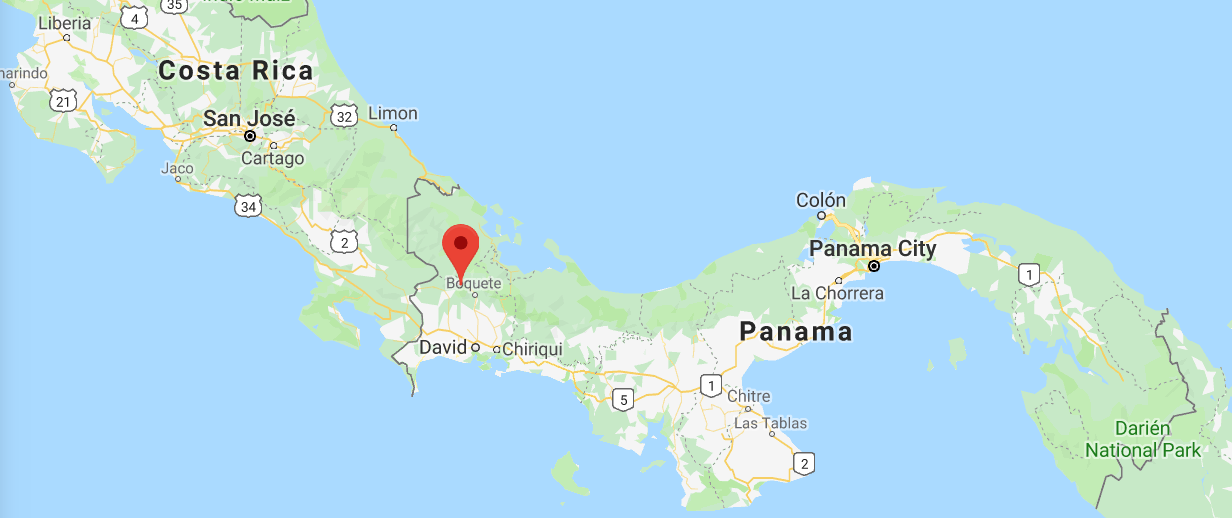
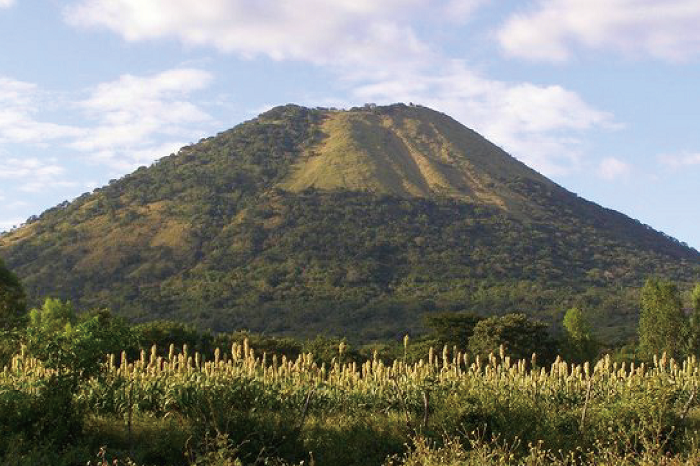
Volcán Barú, also written as Volcan Baru or Volcán Barú, is the highest mountain in Panama. It rises above the Chiriquí Highlands in western Panama, close to Boquete and Volcán, and it is one of the country’s signature outdoor adventures.
The summit feels very different from Panama’s beaches, islands, and lowland heat. You may start warm and sweaty, then later find yourself cold, tired, dusty, and bundled in layers near the top. That contrast is part of why the climb feels so memorable.
On a clear day, the summit is famous for the possibility of seeing both the Pacific Ocean and the Caribbean Sea. That view is never guaranteed, because clouds can move quickly, but reaching the top still feels like a powerful achievement even if visibility is imperfect.
My Personal Experience Climbing Volcán Barú
This climb happened in April, and it remains one of the most gruelling and challenging things I have ever done. It tested my body and mind. I do not know if I would do it again, but I am definitely glad I did it.
A group of about 20 of us set out around 5 AM from Rio Sereno, a small town near the Costa Rican border. My husband and I ate a hearty breakfast of eggs, toast, oatmeal, and coffee because we knew it might be the last full meal we would have for a long time. Looking back, that breakfast was one of the smartest decisions of the entire trip.
I made one small mistake before leaving: I drank a big glass of water and did not go to the bathroom before we started. Since our water would be rationed during the climb, drinking water was not the mistake. Forgetting that there might not be a bathroom for a long time was the mistake.
After a last-minute stop at Romero’s, the only nice grocery store for miles around, we finally made it to the drop-off point. From there, the first hour was surprisingly pleasant. We walked through green forest, big trees, and strange mushrooms that made the trail feel almost enchanted.
Then the terrain changed. What began as a forest walk slowly became a real climb. The trail became dustier, looser, and more uncomfortable. By the time we were deeper into the mountain, everyone was dirty, tired, and aware that this was not going to be an easy day.
The “white lightning” rocks LOOSE ROCK • HARD DESCENT
One of the hardest sections was what I called the “white lightning rocks.” That was not an official trail name, only the way I remember them: loose, pale rocks around the size of baseballs and softballs that shifted underfoot. Going up was difficult, but coming down felt worse because tired legs and loose stones are a bad combination.
Sleeping near the crater COLD • WIND • CAMPFIRE
We reached base camp around 4:30 PM and had brought tents and sleeping bags. It was windy and cold. We built a fire, sat around it, sang, told stories, and drank hot chocolate. That moment was one of the most beautiful parts of the climb because everyone was exhausted but proud.
Reaching the top of Panama SUMMIT • CLOUDS • ACHIEVEMENT
Early the next morning, we made the final push to the summit. When we reached the top, it felt incredible. There are not many moments in life when you can say you are standing at the highest point in an entire country.
How Hard Is the Volcán Barú Hike?
The Volcán Barú hike is hard. It is not impossible, and many travellers complete it, but it should be treated as a serious mountain hike rather than a casual tourist walk. The challenge comes from several things happening at once: distance, elevation, uneven terrain, cold air, early starts, and fatigue.
Physical challenge
Long hours, altitude, steady climbing, rough surfaces, and the descent can test your legs and lungs.
Mental challenge
The summit can feel far away for a long time. A steady pace and patience matter more than rushing.
Weather challenge
The mountain can become cold, windy, wet, or cloudy. Do not dress for the lowlands.
Route challenge
Loose rocks, darkness, dusty sections, and tired legs can make both the climb and descent difficult.
Best Time to Climb Volcán Barú
The drier part of the year is usually easier for trail conditions and visibility, but mountain weather can still change quickly. Always check local conditions close to your hike date, ask local operators, and avoid pushing forward if conditions look unsafe.
Many travellers aim for a sunrise summit. This can be spectacular, but darkness adds risk. If you choose a night or sunrise route, a headlamp, warm layers, and a guide become even more important.
What to Pack for Volcán Barú
Packing well can make the difference between an unforgettable adventure and a miserable one. Bring enough to stay safe, warm, and fuelled, but avoid carrying unnecessary weight uphill.
Clothing
- Warm layers
- Waterproof shell
- Hat and gloves
- Moisture-wicking base layer
Trail essentials
- Good hiking shoes
- Headlamp or torch
- Rain protection
- Small first-aid kit
Food and water
- Enough water for the route
- High-energy snacks
- Simple carbohydrates
- Electrolytes if useful
Safety extras
- Offline map
- Power bank
- Personal medication
- Emergency contact details
Safety Tips Before You Go
Volcán Barú is beautiful, but it deserves respect. Before attempting the climb, think about your fitness, the weather, your route, your equipment, and your experience level.
Do not underestimate the cold
Panama may feel tropical at lower elevations, but the summit area can feel completely different.
Start with food and water
A strong breakfast helped us because the day was long and physically demanding.
Use a guide when unsure
Local guidance can help with route timing, mountain conditions, and safe decision-making.
Respect your limits
Turning back is better than pushing into a dangerous situation for a photo or summit goal.
Who Should Climb Volcán Barú?
Volcán Barú is best for travellers who like physical challenges, outdoor adventure, and meaningful travel memories. If you enjoy hiking, camping, dramatic landscapes, and the satisfaction of completing something difficult, this climb may be perfect for you.
It may not be the right experience if you dislike long walks, cold nights, rough terrain, or early starts. There is no shame in choosing a different adventure. Panama has plenty of gentler experiences, including coffee farms, island trips, wildlife tours, beaches, and scenic towns.
For a broader trip-planning idea, the original guide included this travel resource: check the smart search tool to find the best holiday.
FAQs About Climbing Volcán Barú
Is Volcán Barú difficult to climb? DIFFICULTY • FITNESS
Yes. Volcán Barú is a demanding hike because of the distance, elevation gain, rough volcanic terrain, cold summit conditions, and long hours on your feet. Fit beginners may be able to complete it with preparation, but it should not be treated as a casual walk.
Can you climb Volcán Barú without a guide? GUIDE • SUNRISE • ROUTE
Some hikers climb without a guide, but a guide or organised tour is strongly recommended if you are hiking in darkness, planning a sunrise summit, camping, unfamiliar with the route, or unsure about weather and access conditions.
Can you see two oceans from Volcán Barú? SUMMIT VIEW • WEATHER
On a very clear day, the summit is famous for the possibility of seeing both the Pacific Ocean and the Caribbean Sea. The view is not guaranteed because mountain weather and cloud cover can change quickly.
What should I wear for Volcán Barú? CLOTHING • LAYERS
Wear proper hiking shoes and layered clothing. Bring warm layers, a waterproof shell, gloves or a hat for cold conditions, and moisture-wicking clothing. A headlamp is essential for night or sunrise routes.
How long does the Volcán Barú hike take? TIMING • ROUTE
The time depends on the route, fitness, weather, and whether you hike overnight, camp, or use a 4x4 tour. Many hikers treat it as a long, serious mountain outing rather than a short day walk.
Is Volcán Barú safe for beginners? BEGINNER • SAFETY
It can be possible for fit, well-prepared beginners, but it is not an easy beginner hike. First-timers should consider a guide, check the weather, pack correctly, and turn back if conditions feel unsafe.
What is the best time to hike Volcán Barú? SEASON • WEATHER
The drier months are usually better for trail conditions and visibility, but mountain weather can still change quickly. Check local conditions close to your hike date and avoid going in unsafe weather.
What should I pack for Volcán Barú? PACKING • ESSENTIALS
Pack warm layers, water, snacks, headlamp, rain protection, good hiking shoes, basic first aid, sun protection, phone or camera, power bank, and any personal medication. Overnight or camping routes need extra gear.
Final Thoughts: Would I Recommend Climbing Volcán Barú?
Yes, I would recommend climbing Volcán Barú to the right kind of traveller. If you are prepared, realistic, and excited by the idea of a difficult mountain adventure, it can become one of the highlights of your time in Panama.
Do not go only for the photo. Go for the forest, the loose rocks, the cold air, the teamwork, the fire at camp, the early morning push, and the feeling of standing at the highest point in Panama. That is what makes Volcán Barú special.
Sources and Further Reading
- Visit Panama: Barú Volcano National Park
- Visit Centroamerica: Barú Volcano National Park
- AllTrails: Volcán Barú trail information
- The Ultimate Overnight Backpacking Checklist for Hiking
- Backpacking Hacks Guide
- Compasses That People Use for Hiking
- Packing Advice for Backpacking
- More Travel Guides
Some links may be affiliate or sponsored links. This does not change the price you pay and helps support ChipJourney.