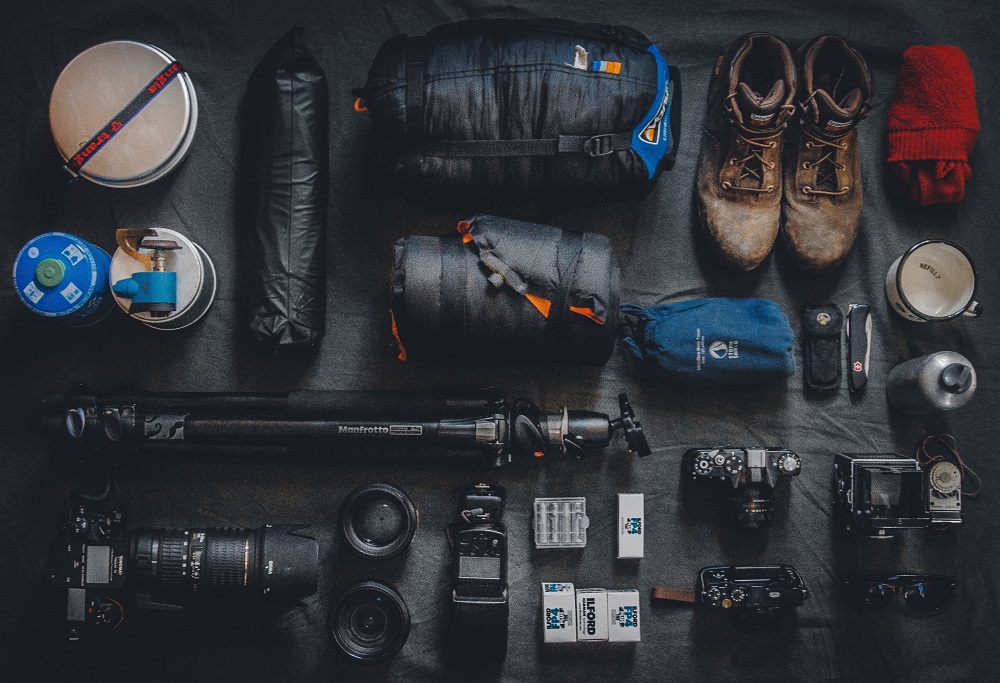
Key Takeaways
- The best backpacking hacks are simple: pack lighter, keep essentials easy to reach, and avoid carrying items you only “might” use.
- Your backpack should fit your body, not just your gear. A good hip belt, comfortable straps, and balanced packing make a big difference on long travel days.
- Food, water, clothing, shelter, sleep gear, first aid, navigation, and lighting are the core items to organise before every backpacking trip.
- Use layers instead of bulky clothes. They are easier to adjust when the weather changes and take up less space.
- Keep electronics practical. A phone, charger, power bank, headlamp, and cable are useful; extra gadgets quickly become dead weight.
- Test your gear before you leave. Check your tent, headlamp, stove, backpack fit, and power bank at home, not when you are already tired outdoors.
Backpacking is one of the easiest ways to travel with more freedom. You can move between cities, hike into nature, stay flexible, and avoid dragging heavy luggage through trains, buses, stairs, and rough paths. But the difference between a smooth backpacking trip and a stressful one often comes down to what you pack.
A good backpacking packing list should not be huge. It should be useful. The goal is to carry enough for comfort and safety without turning your bag into a burden. This guide keeps the original ChipJourney focus on backpacks, food, clothing, tents, sleeping bags, first aid, gadgets, and books, but improves the structure with smarter packing hacks, better safety advice, FAQs, and sources for readers who want to plan properly.
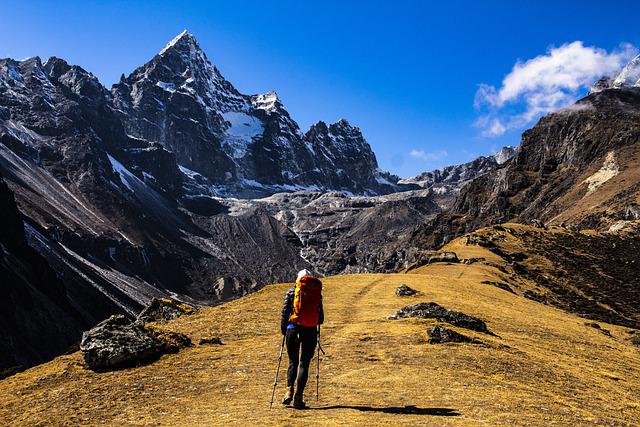
Quick Answer: What Should You Pack For Backpacking?
You should pack a comfortable backpack, food, water, weather-friendly clothing, shelter, sleeping bag, sleeping pad, first-aid kit, navigation, headlamp, phone, charger, power bank, hygiene items, repair items, and a few small comfort items. For outdoor trips, also bring water treatment, rain protection, emergency supplies, and a way to keep sleeping gear and electronics dry.
In This Guide
Before You Start Packing
Before you put anything inside your bag, think about your trip. Backpacking for a weekend in a warm city is not the same as backpacking through mountains, forests, islands, or remote trails. Your packing list should match the destination, weather, transport, sleeping setup, and how easy it is to buy supplies on the way.
Trip length
A one-night trip needs a very different setup from a two-week route. Pack by days, not by fear.
Weather
Check both day and night temperatures. Rain, wind, sun exposure, and cold nights change what you need.
Resupply points
If shops, safe water, or restaurants are nearby, you can pack lighter than on a remote route.
Sleeping setup
Hostels, huts, tents, hammocks, and hotels all require different gear and different bag space.
The biggest backpacking mistake is packing for every possible situation. A better approach is to pack for the most likely conditions, then add a small emergency layer for safety.
1. Choose The Right Backpack

A backpack is the main item on your list because it carries everything else. But do not choose a backpack only because it looks good or has a huge capacity. A bag that is too large encourages overpacking, while a bag that is too small makes organising everything frustrating.
Look for a backpack with comfortable shoulder straps, a supportive hip belt, strong zips, water-resistant fabric, side pockets for water bottles, and enough compartments to separate important items. For long-term travel, a front-opening backpack can be easier than a top-loading hiking pack because you can access clothes and toiletries without pulling everything out.
Smart backpack hack
Pack your bag fully at home and walk around for 20 minutes. If your shoulders hurt, the weight pulls backwards, or you cannot reach essentials easily, fix the setup before the trip.
2. Plan Food And Water Supplies
Food and water planning is one of the most important backpacking hacks because it affects weight, energy, safety, and cost. You do not want to carry too much food, but you also do not want to run out when shops or cafés are far away.
For day trips, simple snacks may be enough. For overnight or outdoor backpacking, choose lightweight meals that are easy to prepare. Good options include oats, trail mix, dried fruit, nuts, energy bars, tortillas, peanut butter sachets, instant rice, noodles, and dehydrated meals.
Water needs more planning. If you are outdoors, do not assume every river, lake, or stream is safe to drink from. Carry enough water for the route and use a filter, purifier, or water treatment tablets when needed.
- Carry snacks you can eat while moving so you do not have to unpack every time you need energy.
- Use refill points when available instead of carrying unnecessary litres all day.
- Keep one emergency snack separate from your normal food.
- Pack food in resealable bags to reduce packaging waste and save space.
3. Pack Weather-Friendly Clothing

Clothing is where many beginners overpack. You do not need a new outfit for every day. You need clothes that dry quickly, layer well, and protect you from the weather. The easiest system is base layer, mid layer, and outer layer.
Base layer
Choose breathable clothing that helps manage sweat. Avoid heavy cotton for serious hiking because it stays wet.
Mid layer
A fleece or light insulated layer gives warmth without taking up too much space.
Outer layer
A rain jacket or wind shell protects you when the weather changes quickly.
Feet first
Good socks and comfortable shoes matter more than packing extra shirts you may never wear.
For most backpacking trips, two or three shirts, spare socks, underwear, a warm layer, rain protection, sleepwear, and comfortable walking clothes are enough. Wash and rotate instead of carrying your wardrobe.
4. Shelter And Sleep System

If you are sleeping outdoors, shelter and sleep gear are not luxury items. A tent protects you from wind, rain, insects, and cold air. A sleeping bag keeps you warm. A sleeping pad adds comfort and helps insulate your body from the ground.
When choosing a tent, consider weight, packed size, capacity, ventilation, weather resistance, and ease of setup. Practise setting it up at home before you travel. It is much easier to learn in your living room or garden than in the dark after a long day.
A sleeping bag should match expected night temperatures. Do not choose based only on daytime weather because mountain, forest, and coastal nights can feel much colder. Keep your sleeping bag dry inside a waterproof stuff sack or pack liner.
Tent
Choose lightweight shelter with proper rain protection and enough space to sleep comfortably.
Sleeping bag
Match the temperature rating to the coldest realistic night, not the warmest day.
Sleeping pad
A pad adds comfort and warmth by reducing heat loss into the ground.
Dry storage
Use a liner or dry bag to protect sleep gear from rain and condensation.
5. First Aid, Navigation And Safety

A basic first-aid kit helps with small injuries before they become big problems. It should include plasters, blister pads, antiseptic wipes, sterile gauze, tape, pain relief, tweezers, personal medication, and emergency contact details.
Navigation and lighting are just as important. A phone with offline maps is helpful, but it should not be your only plan for remote areas. Batteries die, signal disappears, and phones can break. Carry a map, compass, route notes, or GPS device where needed.
A headlamp is better than a handheld torch because it keeps your hands free when cooking, pitching a tent, walking at night, or searching inside your pack.
Backpacking safety hack
Keep your first-aid kit, headlamp, rain jacket, phone, map, and snacks near the top of your pack. Emergency items are not useful if they are buried under your sleeping bag.
6. Useful Backpacking Gadgets

Gadgets can make backpacking easier, but only if they are genuinely useful. A phone, charger, power bank, headlamp, small cable, and headphones may be enough for most trips. A smartwatch can help with time, route tracking, and basic fitness information, but it is optional.
Power banks are especially useful for long days, but remember that spare lithium batteries and power banks usually have airline rules. Keep them in carry-on luggage when flying and check your airline guidance before departure.
Phone
Use it for maps, bookings, translation, photos, emergency contacts, and offline notes.
Power bank
Essential for multi-day travel, long bus journeys, camping, and remote routes.
Headlamp
Better than a torch because your hands stay free at night.
One cable rule
Try to use devices with the same charging cable to reduce clutter and weight.
7. Books And Small Comfort Items

A book can be lovely during train rides, quiet evenings, hostel downtime, or rainy days. But books are heavy, so choose carefully. A small paperback, e-reader, audiobook, or saved offline article may be better than a thick hardback.
Other comfort items worth considering include earplugs, an eye mask, a quick-dry towel, a tiny notebook, a pen, lightweight sandals, or a small pillow. The trick is to choose one or two comfort items that genuinely improve your trip.
How To Pack Your Backpack Properly
A badly packed bag can feel heavier than it really is. The best backpacking hack is to place weight where your body can carry it comfortably.
Bottom
Put soft items you will not need during the day here, such as sleeping clothes or sleeping bag.
Middle, close to back
Place heavier items like food, water, or cooking gear close to your spine for balance.
Top
Keep rain jacket, first-aid kit, snacks, warm layer, and headlamp easy to reach.
Outside pockets
Use these for water bottles, map, sunscreen, lip balm, and small quick-access items.
Use packing cubes, dry bags, or simple reusable bags to separate clothing, food, electronics, and hygiene items. Keep wet or dirty items away from your sleeping bag and clean clothes.
Common Backpacking Mistakes To Avoid
- Buying a backpack without testing the fit.
- Packing too many clothes and not enough rain protection.
- Forgetting blister care, spare socks, or basic first aid.
- Taking heavy gadgets that are rarely used.
- Relying only on phone signal for navigation.
- Not checking whether water is safe to drink.
- Leaving food, rubbish, or packaging behind.
- Not testing the tent, headlamp, power bank, or stove before leaving.
Backpacking Packing Checklist
- Comfortable backpack
- Pack liner or rain cover
- Food and snacks
- Water bottles or hydration bladder
- Water filter or purification tablets
- Weather-friendly clothing
- Rain jacket or outer shell
- Warm layer
- Extra socks
- Comfortable hiking shoes
- Tent or shelter
- Sleeping bag
- Sleeping pad
- Headlamp or flashlight
- First-aid kit
- Map, compass, or offline navigation
- Phone and charger
- Power bank
- Cooking kit if needed
- Pocket knife or multi-tool
- Hygiene items
- Sunscreen and insect repellent
- Small rubbish bag
- Book or comfort item
- ID, cash, card, permits, or booking details
- Emergency contact information
Final Thoughts
Backpacking is easier when every item in your bag has a purpose. Start with the essentials: backpack, food, water, clothing, shelter, sleep gear, first aid, navigation, lighting, and practical gadgets. Then add only the comfort items that truly make your trip better.
You do not need to pack for every possible problem. You need to pack smartly for your actual route, weather, transport, and sleeping setup. Keep your bag organised, test your gear, respect nature, and your backpacking trip will feel lighter from the first step.
FAQs About Backpacking Hacks And Packing Lists
What should a beginner pack for backpacking?
A beginner should pack a comfortable backpack, food, water, clothing layers, rain protection, shelter, sleeping bag, sleeping pad, first-aid kit, headlamp, navigation, phone, charger, power bank, hygiene items, and emergency contact details. Start with a simple route so you can test your gear safely.
How do I stop overpacking for backpacking?
Lay everything out before packing, remove duplicates, choose multi-use items, and avoid packing for unlikely situations. Clothing layers, smaller toiletries, compact food, and fewer gadgets can reduce weight quickly.
Do I need a tent for every backpacking trip?
No. You only need a tent if you are sleeping outdoors and your route does not provide hostels, huts, shelters, or other accommodation. Some backpackers use hammocks, tarps, or bivy sacks depending on climate and local rules.
Is a sleeping pad really necessary?
Yes, for overnight outdoor backpacking a sleeping pad is strongly recommended. It improves comfort and helps protect your body from cold ground, which a sleeping bag alone may not do well enough.
Can I rely on my phone for navigation?
A phone with offline maps is useful, but it should not be your only navigation method in remote places. Batteries can die, signal may disappear, and phones can break. Carry a map, compass, route notes, or GPS backup where needed.
What should I leave out of my backpack?
Leave out heavy books, too many outfits, full-size toiletries, duplicate tools, unnecessary gadgets, bulky packaging, and items you are packing only because you are nervous. Prioritise safety, comfort, food, water, shelter, and weather protection first.
How should I pack heavy items?
Keep heavier items close to the middle of your back rather than hanging at the bottom or outside of the pack. This helps balance the load and reduces strain on your shoulders.