Key Takeaways
- Travelling is important because it changes your perspective. It helps you step away from routine and see life, people and your own choices differently.
- Travel supports personal growth by building confidence, flexibility, problem-solving skills and independence.
- It can help you rest and reset, especially when you plan a realistic trip instead of rushing through too many places.
- Travel makes culture feel real. Food, language, local routines and conversations teach lessons that are hard to learn from a screen.
- You do not need luxury travel to benefit. Local trips, budget travel, road trips, nature walks and weekend breaks can still be deeply meaningful.
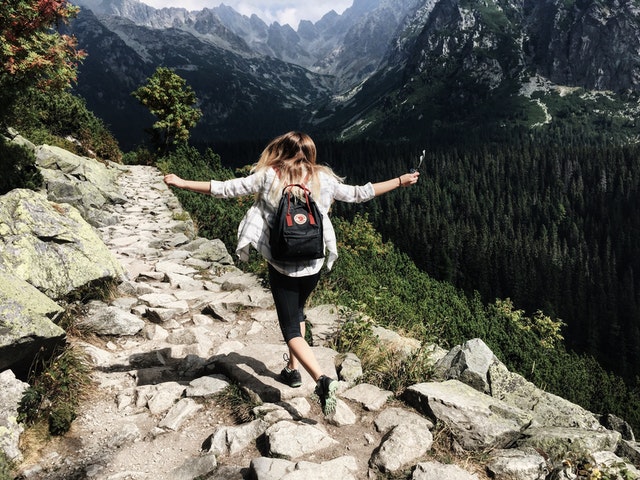
Travelling is one of those experiences that can look simple from the outside. You book a ticket, pack a bag, visit a place and come home. But when you look deeper, travel can change how you think, how you solve problems, how you understand people and how you appreciate your own life.
Travel is not only about famous landmarks or expensive holidays. It is about curiosity, movement, awareness and the courage to step outside your normal routine. A big around-the-world journey can change you, but so can a thoughtful weekend away or a walk through a town you have never explored before.
Quick Answer: Why Is Travelling So Important in Life?
Travelling is important because it helps you relax, grow, learn, solve problems, understand other cultures and see your own life from a fresh perspective. It can build confidence, spark creativity, improve flexibility and remind you that the world is much bigger than your daily routine. Even short or local trips can be meaningful when you travel with curiosity and intention.
In This Guide
Quick Travel Meaning Finder
Use this small interactive guide to discover what kind of trip may help you most right now.
Example: If you need rest on a local budget, choose a simple nature walk, beach day, nearby town visit or quiet weekend without an overloaded itinerary.
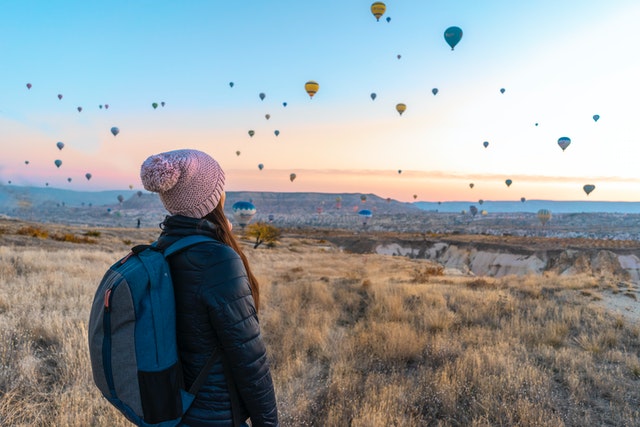
How Travel Helps in Real Life
| Travel Benefit | What It Gives You | Simple Way to Experience It | Best Trip Style |
|---|---|---|---|
| Relaxation | Mental distance from routine | Choose fewer activities and more quiet time | Beach, nature, spa, slow city break |
| Culture | Better understanding of people and places | Visit markets, museums and local neighbourhoods | City breaks, food travel, heritage trips |
| Confidence | Proof that you can handle new situations | Navigate transport or plan one day independently | Solo travel, road trips, new cities |
| Problem-solving | Flexibility when plans change | Keep calm during delays or route changes | Multi-stop trips, backpacking, train travel |
| Creativity | Fresh ideas and inspiration | Take photos, journal or create a travel project | Art cities, nature trips, slow travel |
| Gratitude | Appreciation for the world and home | Write down what the trip teaches you | Any meaningful trip |
#1. It Gives You a Real Chance to Relax
Travel can create distance from daily responsibilities and give your mind something new to notice. A slower trip, a weekend break or even a local escape can help you rest when routine feels too heavy.
Meaningful travel tip: Do not overload your itinerary. Choose fewer places, leave empty time and build space for rest.
#2. It Helps You See New Places, Cultures and People
One of the biggest reasons travelling is important is that it lets you experience people, customs, food, language and daily life in person. That kind of learning feels different from reading about a place online.
Meaningful travel tip: Ask respectful questions, learn basic local phrases and avoid treating local people like tourist attractions.
#3. It Broadens Your Horizon
Travel expands your view of what life can look like. You may discover new routines, family traditions, city designs, beliefs, meals or ways of spending time that make you think differently about your own life.
Meaningful travel tip: Notice what surprises you. The most useful travel lessons often come from small details, not only famous landmarks.
#4. It Pushes You Out of Your Comfort Zone
Travel gently challenges you. You may need to find your way, speak to strangers, try unfamiliar food, use public transport, manage a new currency or adapt when plans change.
Meaningful travel tip: Prepare well, then allow some discomfort. Confidence grows when you handle small challenges without giving up.
#5. It Makes You Better at Solving Problems
Trips rarely go exactly as planned. Delays, closed attractions, weather changes and transport surprises teach you to compare options, ask for help and stay calm under pressure.
Meaningful travel tip: Keep important documents offline, carry essentials and always have a backup plan for travel days.
#6. It Can Make You More Creative
New landscapes, colours, sounds, architecture, food and conversations give your mind fresh material. Travel can inspire photos, writing, videos, ideas and new ways of solving ordinary problems.
Meaningful travel tip: Bring a small notebook or use your phone to capture ideas before they disappear.
#7. It Teaches Appreciation and Gratitude
Travel helps you appreciate the world around you and the life you return to. You may notice nature, safety, health, clean water, family, home and everyday routines with fresh gratitude.
Meaningful travel tip: Pause during the trip and write down what you are grateful for, not only what you visited.
#8. It Teaches You to Go With the Flow
Travel reminds you that you cannot control everything. Flights can be delayed, weather can shift and plans can change. Learning to adapt is one of travel’s most useful life lessons.
Meaningful travel tip: Good preparation makes flexibility easier. Plan essentials, then leave room for the unexpected.
#9. It Makes You More Understanding of Others
Meeting people who live differently can make you more patient, tolerant and open-minded. Travel shows that different does not automatically mean wrong.
Meaningful travel tip: Travel with humility. Listen more than you judge.
How to Make Travel More Meaningful
Travelling becomes more important when you move with intention. You do not have to spend a lot of money or visit every famous destination. Instead, focus on experiences that help you learn, rest and connect.
- Travel slowly when possible. Spending more time in fewer places often teaches you more than rushing through many cities.
- Talk to local people respectfully. Ask questions, listen carefully and avoid treating anyone like a tourist attraction.
- Learn basic local phrases. Simple words like “hello,” “please” and “thank you” show respect.
- Keep a small travel journal. Write down what surprised you, what challenged you and what you want to remember.
- Budget realistically. Stress about money can reduce the joy of a trip, so plan ahead and look for simple savings.
- Build in reflection time. Give yourself space to understand what the journey is teaching you.
For bigger planning ideas, read ChipJourney’s guide to travelling around the world and making the best of it. For practical preparation, see common items savvy travelers bring with them, and for saving money, use these tips and tricks to travel cheap.
You Do Not Need to Travel Far to Benefit
One of the biggest travel myths is that a trip only matters if it is expensive, international or Instagram-perfect. That is not true. A nearby city, a local museum, a quiet forest walk, a train ride, a beach morning or a weekend with family can still shift your perspective.
Local Travel
Explore a nearby town, park, museum, coastline or neighbourhood you normally ignore.
Budget Travel
Use public transport, simple accommodation, free attractions and slow planning to make trips affordable.
Solo Travel
Start small with a day trip if you want to build confidence without feeling overwhelmed.
Family Travel
Focus on shared memories, not a perfect schedule. Simple trips often become the most remembered.
Meaningful Travel Checklist
- Choose a trip that matches your real need: rest, learning, confidence or connection.
- Plan fewer activities than you think you need.
- Learn something about the place before you arrive.
- Try one local food, local walk or local conversation.
- Keep a simple journal or photo note of what you learn.
- Leave room for unexpected moments.
- Budget honestly so the trip does not become stressful.
- Think about what you want to bring back into everyday life.
Final Thought
Travelling matters because it gives you more than a change of scenery. It gives you perspective, confidence, patience, memories and a stronger sense of how big and varied the world really is.
Conclusion: Travel Gives You Stories and Skills
Travelling is important because it helps you relax, grow and understand the world beyond your usual surroundings. It can make you more creative, more flexible, more grateful and more tolerant of others.
The best part is that travel does not need to be expensive or dramatic to matter. A thoughtful weekend trip, quiet nature escape or visit to a nearby city can still change your perspective.
Next: What Are Some Good Tips and Tricks to Travel Cheap?
Written by Boyan Minchev
FAQ
Why is travelling important in life?
Travelling is important because it helps you rest, learn, build confidence, understand other cultures and see your own life from a new perspective. It can also improve problem-solving skills because every trip asks you to adapt to unfamiliar situations.
Does travel really help personal growth?
Yes. Travel supports personal growth by taking you out of routine, exposing you to different people and customs, and giving you real situations where you must make decisions, communicate and become more flexible.
Can travelling reduce stress?
A well-planned trip can reduce stress by creating distance from daily responsibilities and giving you time to rest, move, explore and reconnect with yourself. Travel can also be tiring, so realistic schedules matter.
Do you need to travel far to benefit from it?
No. You can gain many benefits from short local trips, weekend breaks, road trips, nearby nature walks or visiting a town you have never explored. The value comes from curiosity, presence and a change of perspective.
How does travelling make you more confident?
Travel builds confidence because it gives you practical challenges to solve. Finding transport, asking for help, handling delays and navigating unfamiliar places all prove that you can adapt.
Is solo travel good for personal growth?
Solo travel can be excellent for personal growth because it encourages independence, decision-making and self-trust. Start with a small day trip or weekend break if a longer solo journey feels too much.
Sources and Further Reading
- UN Tourism: Why Tourism?
- National Library of Medicine: Vacation, recovery and well-being research
- World Health Organization: Mental health and well-being overview
- American Psychological Association: How travel can affect well-being
- ChipJourney: Traveling Around the World and Making the Best of It
- ChipJourney: Common Items Savvy Travelers Bring
- ChipJourney: Tips and Tricks to Travel Cheap
- ChipJourney: Best Places to Travel Alone
- ChipJourney: What Is Travel Insurance?
Affiliate Disclosure
Some links on ChipJourney may be affiliate links. If you buy, book or purchase through a qualifying link, we may earn a small commission at no extra cost to you. This helps support the site and keeps our travel guides free to read.