Key Takeaways
- Japan does not have one fixed vacation cost. Your budget depends on flights, season, cities visited, hotel type, rail route, food style and how many paid attractions you choose.
- The biggest expenses are usually flights, accommodation and intercity transport. Food and local sightseeing can often be kept surprisingly manageable with smart planning.
- Do not buy a rail pass automatically. Compare the current pass price with your exact train route before purchasing.
- Convenience stores, casual restaurants and lunch sets can reduce food costs. Japan is one of the easiest countries for eating well without relying only on expensive restaurants.
- Staying longer in fewer places can save money. Moving quickly between Tokyo, Kyoto, Osaka, Hiroshima, Hokkaido and Kyushu can raise transport costs fast.
- Leave room for extras. Souvenirs, snacks, temple fees, museums, day trips, theme parks and spontaneous experiences can quietly grow the budget.
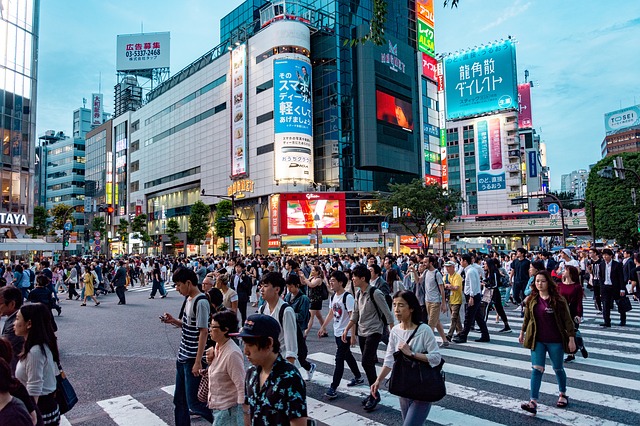
Japan has always been a dream destination for travellers who love food, temples, cities, trains, culture, shopping, photography and unforgettable day trips. It can look expensive from the outside, especially if you only see luxury ryokan stays, bullet trains, theme parks and premium restaurants.
The truth is more balanced. Japan can be costly if you book late, move between too many cities, or stay in the most expensive neighbourhoods. But with a practical plan, a Japan vacation can also be manageable for budget travellers, couples, families and first-time visitors.
Start With Live Prices
The original article included a travel search link, and it is preserved here because flight and hotel prices change constantly. You can compare Japan flights and hotels before building your final route.
Quick Answer: How Much Does a Trip to Japan Cost?
A Japan trip can be budget, mid-range or luxury depending on your choices. Budget travellers usually save by choosing hostels, capsule hotels, convenience-store meals, casual restaurants, fewer cities and free attractions. Mid-range travellers should plan for private rooms, shinkansen rides, paid sightseeing, local transport and some restaurant meals. Luxury travellers can spend much more on ryokan stays, private tours, premium rail seats, taxis, fine dining, theme parks and high-end hotels. The safest way to plan is to estimate flights, accommodation, intercity transport, food, local transport, attractions and extra spending separately.
In This Guide
Flights to Japan

Flights are usually one of the largest costs of a Japan vacation. Many visitors arrive through Tokyo Haneda, Tokyo Narita, Osaka Kansai, Nagoya Chubu, Fukuoka, Sapporo New Chitose or other major airports. Prices depend on your starting country, season, airline, stopovers, baggage rules and how early you book.
Cherry blossom season, autumn foliage, Christmas, New Year, Golden Week and school holidays can make flights more expensive. If your dates are flexible, compare nearby airports, direct flights, one-stop routes and shoulder-season dates.
Ways to Reduce Flight Costs
- Compare Tokyo and Osaka arrivals.
- Check baggage before choosing the cheapest fare.
- Use flexible date search when possible.
- Avoid peak holiday periods if you can.
- Track prices before booking.
When to Spend More
Paying more can be worth it for better flight times, included baggage, fewer connections, less overnight airport waiting or a route that saves a whole travel day.
To start planning with current prices, you can compare Japan travel options here.
Accommodation Costs in Japan
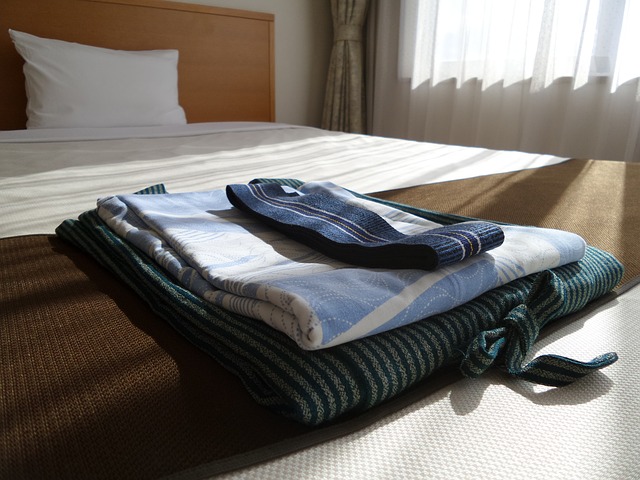
Accommodation in Japan can range from simple hostels to capsule hotels, business hotels, guesthouses, ryokan, apartment-style stays and luxury city hotels. The right choice depends on privacy, location, comfort, luggage space and how much time you expect to spend in the room.
In Tokyo, Kyoto, Osaka and Sapporo, hotels near major stations can cost more. A property one or two train stops away may be better value if it is still near a useful station. Always compare room size, laundry access, luggage storage, check-in hours, breakfast and transport convenience.
| Accommodation Type | Best For | Budget Note |
|---|---|---|
| Hostels | Solo travellers, backpackers and social trips. | Usually cheapest, but privacy is limited. |
| Capsule hotels | Short stays, solo travellers and central locations. | Efficient, but not ideal for everyone. |
| Business hotels | Couples, solo travellers and practical city bases. | Often good value near transport. |
| Ryokan | Traditional stays, onsen towns and special nights. | Can cost more, especially with meals included. |
| Luxury hotels | Views, service, space and premium comfort. | Best booked early if tied to key dates. |
Food Costs in Japan
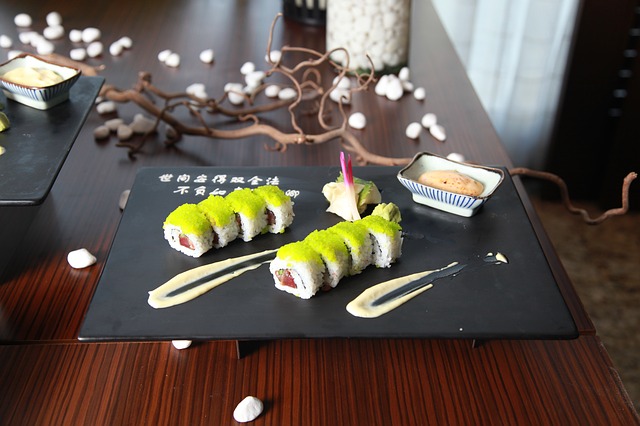
Food is one of the best reasons to visit Japan, and it does not have to destroy your budget. You can spend a lot on omakase sushi, kaiseki meals, wagyu beef, fine dining or themed restaurants, but you can also eat very well from casual places.
For budget-friendly meals, look for ramen shops, curry restaurants, udon and soba shops, conveyor belt sushi, rice bowl chains, supermarkets and convenience stores. Japanese convenience stores are famous for onigiri, bento boxes, sandwiches, salads, fried chicken, noodles, coffee and desserts.
Save on Food
- Use convenience stores for breakfast or snacks.
- Try lunch sets instead of dinner-only restaurants.
- Visit department-store food halls near closing time.
- Mix casual meals with one or two special meals.
Spend on Food
Save part of the budget for something memorable, such as sushi, local ramen, kaiseki, izakaya food, regional specialities or a market meal.
Transport, Trains and Rail Passes
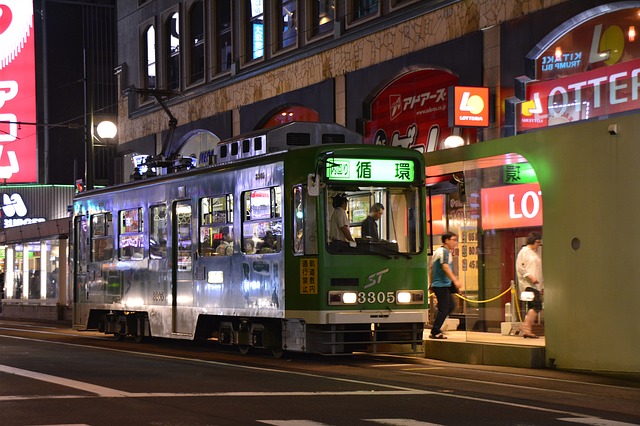
Transport is one of the most important parts of your Japan budget. Local trains, subways and buses are usually efficient and easy to use. Long-distance travel by shinkansen is fast and comfortable, but it can be expensive if you move between too many cities.
A common first-time route is Tokyo, Kyoto and Osaka. That can be a brilliant introduction, but every extra city adds cost. Before buying a Japan Rail Pass, write down your exact route and compare the current pass price with individual tickets. The official Rail Pass site lists current pass prices, and JNTO explains train and rail travel options in more detail.
Rail Pass Rule
Do not buy a rail pass because everyone says you “need” one. Buy it only if your exact route makes the maths work. For a slower trip, a regional pass or individual tickets may be better.
Attractions and Sightseeing Costs
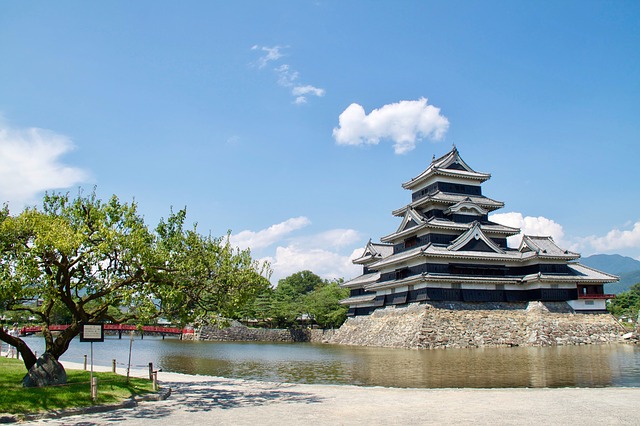
Japan has plenty of free or low-cost experiences: walking old neighbourhoods, visiting public parks, exploring markets, seeing shrines, photographing city lights and enjoying station areas. Paid experiences can still add up quickly, especially museums, castles, temple gardens, observation decks, guided tours, theme parks and cultural classes.
Before travelling, make a must-do list and check opening days, ticket rules and whether advance booking is needed. Some popular attractions, theme parks and special exhibitions use timed tickets or sell out during busy periods.
Free or Low-Cost Ideas
- neighbourhood walks;
- public parks and gardens;
- many shrine grounds;
- markets and food streets;
- city viewpoints from public areas.
Paid Costs to Plan
- museums and castles;
- observation towers;
- temples and gardens;
- theme parks;
- tea ceremonies and guided tours.
Sample Japan Vacation Budgets
Because airfare, exchange rates and hotel prices change, it is better to think in budget styles rather than promise one perfect number. These sample styles exclude international flights and show what each type of traveller usually prioritises.
| Travel Style | Typical Choices | Best For |
|---|---|---|
| Budget | Hostels, capsule hotels, casual meals, local trains, free attractions and fewer city moves. | Solo travellers, backpackers and flexible itineraries. |
| Mid-range | Business hotels, private rooms, some shinkansen rides, restaurant meals and paid sights. | Most first-time couples, friends and families. |
| Comfort / Luxury | Premium hotels, ryokan, private guides, taxis, special meals, theme parks and premium experiences. | Special occasions, honeymoons and low-stress trips. |
How to Save Money While Travelling in Japan
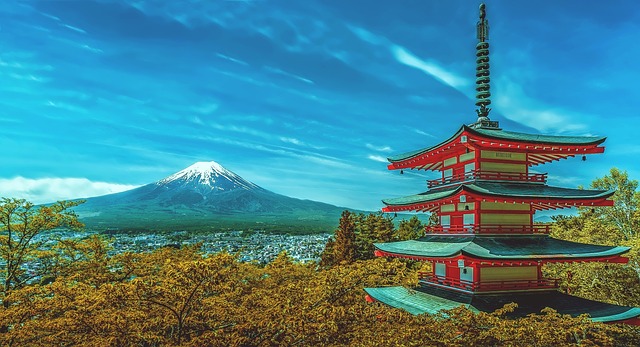
Saving money in Japan does not mean missing the best parts of the trip. It means choosing carefully. Spend more on the experiences you truly care about and cut costs where the difference is small.
Stay Longer in Fewer Places
Moving every day or two is expensive and tiring. Slower travel reduces transport costs and gives you more time to enjoy each base.
Use Everyday Food Options
Convenience stores, supermarkets, bakeries, ramen shops and set-meal restaurants make it easy to eat well without overspending.
Choose Hotel Location Carefully
A cheaper hotel far from transport may cost more in time and fares. Stay near a useful station, not necessarily the most famous one.
Check Passes Before Buying
Rail passes, metro passes and regional passes are helpful only when they match your actual route.
Book Your Travel to Japan with the Smart Search Tool →
Common Japan Budget Mistakes
- Buying a Japan Rail Pass without route maths. It can be excellent value, but not for every itinerary.
- Changing cities too often. Fast travel raises transport costs and reduces time on the ground.
- Booking hotels too late for peak seasons. Cherry blossom and autumn foliage periods can be expensive.
- Ignoring local transport costs. Subway, bus and short train rides add up during longer trips.
- Eating only in tourist areas. Casual local chains, markets and lunch sets often offer better value.
- Not budgeting for souvenirs and snacks. Japan is full of tempting small purchases.
- Planning no backup money. Weather changes, missed trains and unexpected attractions can affect the budget.
Final Thoughts: Is Japan Worth the Cost?
Japan is worth visiting if you plan the budget properly. It can feel expensive when you travel without a route or book everything late, but it can also offer excellent value because public transport works well, affordable food is easy to find, many areas are walkable and even simple experiences can feel memorable.
The smartest approach is to decide what matters most before you go. Maybe it is food, temples, anime, shopping, hiking, hot springs, photography, trains or theme parks. Spend more on your priorities and save on the things that matter less.
If Japan is on your dream list, do not let the cost scare you away. Build a realistic budget, compare routes, check current transport prices and leave enough space for spontaneous discoveries.
FAQ
Is Japan expensive for tourists?
Japan can be expensive for flights, hotels and long-distance train travel, especially during peak seasons. It can still be manageable if you use budget accommodation, casual restaurants, public transport passes and a slower itinerary.
What is the biggest cost of a Japan vacation?
For many international visitors, the biggest cost is usually the flight. After that, accommodation and intercity transport are often the largest expenses.
Is the Japan Rail Pass always worth it?
No. The Japan Rail Pass is only worth it when your route includes enough eligible JR travel to cost less than buying individual tickets. Compare your exact route before buying.
Can I visit Japan on a budget?
Yes. Budget travel in Japan is possible with hostels or simple hotels, convenience-store meals, casual restaurants, local trains, free attractions and fewer long-distance moves.
How can I reduce food costs in Japan?
Use convenience stores, supermarkets, ramen shops, curry restaurants, udon and soba shops, lunch sets and department-store food halls. Save expensive restaurants for selected experiences.
Should I stay in Tokyo, Kyoto or Osaka?
Tokyo is best for big-city energy, food, shopping and modern culture. Kyoto is ideal for temples, gardens and tradition. Osaka is excellent for food, nightlife and access to the Kansai region.
Sources and Further Reading
- JNTO: Tips for Budget Travels
- Official Japan Rail Pass: Types and Prices
- JNTO: Traveling by Rail
- Japan Guide: Travel Budget for Japan
- How to Travel Cheap: Follow These Simple Tips
- Save Money to Travel Around the World – Tips from Travellers
- Which Are the Best Apps to Help You Travel Through the World?
- Best Ways to Get Cheap Flights
- Best Tips for Planning the Perfect Vacation
Affiliate Disclosure: This article may contain affiliate links, sponsored travel links, hotel links, flight search links, or travel booking resources. If you book or buy through one of these links, ChipJourney may earn a small commission at no extra cost to you.