Key Takeaways
- Small routines before and during a trip reduce stress more reliably than last-minute overplanning.
- Check documents, weather, transport, and health guidance close to departure because travel details can change quickly.
- Pack around your first 24 hours, not every possible scenario, so delays and lost bags are easier to handle.
- Use simple budget guardrails before you leave to avoid expensive airport decisions and surprise fees.
- The best travel habits are repeatable, flexible, and easy enough to use on every journey.
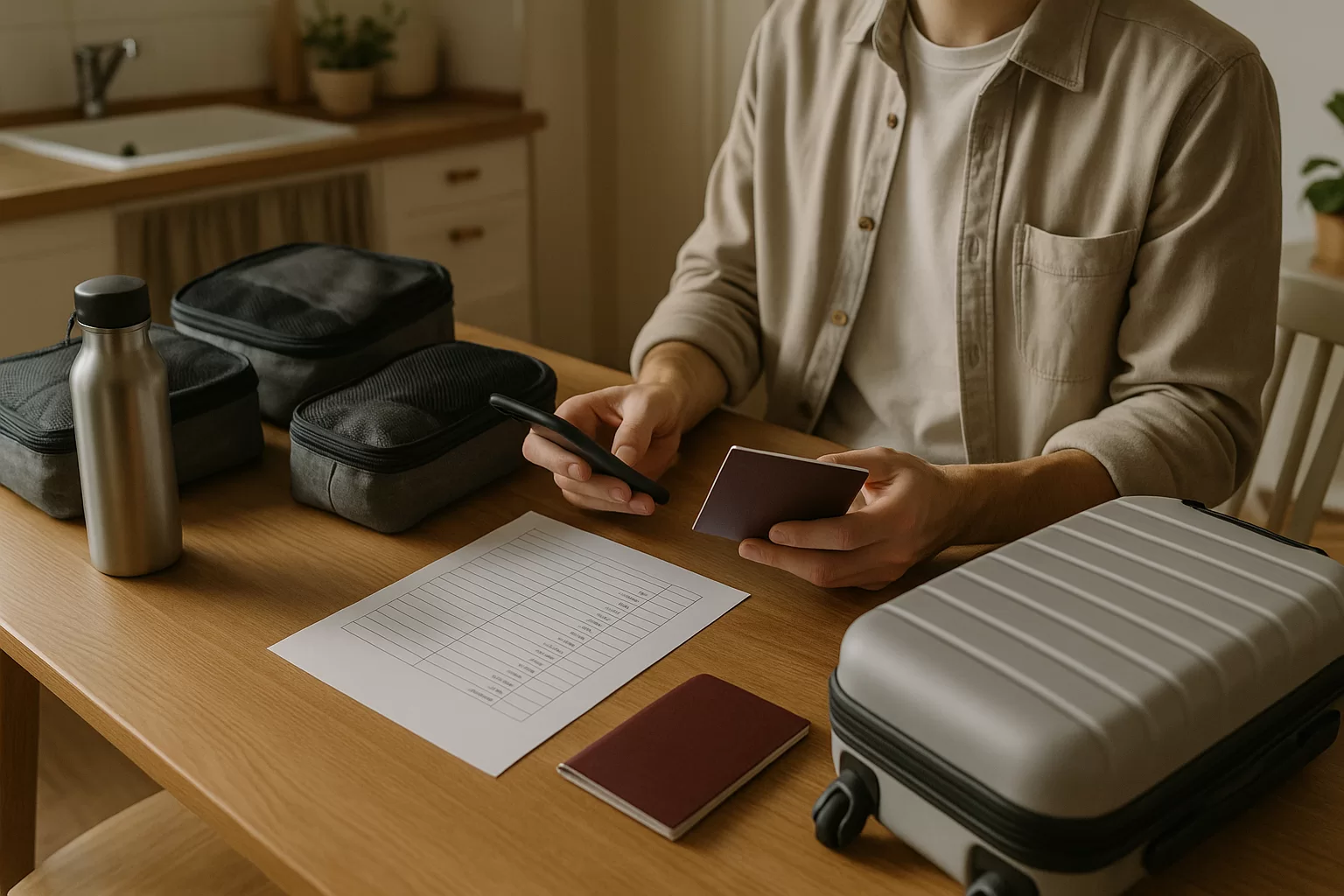
Travel rarely goes perfectly, but it can feel much easier when your basics are handled before the pressure starts. The best simple travel habits are not complicated systems; they are small choices that protect your time, money, energy, and safety.
This guide focuses on practical habits you can use for flights, road trips, train journeys, weekend breaks, and longer vacations. Use it as a repeatable travel rhythm, then adjust it for your destination, season, comfort level, and current official guidance.
Quick Answer
The most useful simple travel habits are checking current requirements before departure, building a realistic timing buffer, packing a first-day kit, saving offline copies of key details, confirming transport, watching the weather, and setting a daily spending guide. These habits work because they prevent common problems before they become expensive or stressful. Instead of trying to control every detail, create a short repeatable routine: verify documents, plan your first connection, pack essentials in your personal item, charge your devices, and review health, safety, and weather updates shortly before you leave.
Trip Decision Builder
Choose your trip style, weather, bag size, and priority to get a useful packing and planning direction.
Choose the options above, then build a recommendation you can use with the checklist, table, and sources in this guide.
In This Guide
Simple Travel Habits That Make Every Journey Smoother
Simple travel habits work best when they remove decision fatigue. If you decide in advance where documents go, how early you leave, what you carry on your body, and how you check updates, you spend less energy fixing avoidable problems on the road.
Start with a small routine you can repeat in ten minutes: confirm your booking, check your route, review the weather, charge your phone, refill your water bottle after security when allowed, and place your passport or ID in the same secure pocket every time. Consistency matters more than complexity.
Use a one-pocket rule
Keep your passport or ID, primary card, boarding pass, and essential tickets in one secure place. The habit prevents frantic bag searches at counters, gates, stations, and hotel desks.
Plan the first hour
Know exactly how you will leave the airport, station, or parking area. A clear first transfer helps you avoid tired, expensive decisions when you arrive.
Protect your first night
Save accommodation details offline, including address and check-in instructions. If mobile data fails or your flight is delayed, you still know where to go.
Build a reset ritual
Each evening, charge devices, refill essentials, check tomorrow’s route, and put documents back in place. Five minutes can make the next morning calmer.
A useful habit is also honest about your travel style. If you move slowly in the morning, do not build a plan that depends on rushing. If you get anxious in unfamiliar stations, choose fewer transfers. If you know you buy snacks under stress, pack a small backup. Good travel systems support the person actually traveling, not an imaginary perfect version of you.
Mistake to avoid: Do not rely on memory for details you only need under pressure. Gate changes, hotel entry codes, parking levels, platform numbers, and shuttle stops are easy to forget when tired. Screenshot them or save them offline.
Plan Timing, Transport, and Weather Before Stress Builds
Good timing is one of the cheapest travel upgrades. It protects you from long security lines, road delays, confusing transfers, and weather-related slowdowns. Your goal is not to arrive absurdly early for everything; it is to add enough buffer that one normal delay does not ruin the next step.
For flights, trains, ferries, buses, and rental pickups, check the operator’s current guidance close to travel day. For road trips, look at traffic patterns, fuel or charging stops, rest breaks, and weather along the route, not just at the destination. A sunny hotel forecast does not help much if your mountain pass, coastal road, or connection city is dealing with storms.
| Habit | When to do it | Why it helps | Watch for |
|---|---|---|---|
| Confirm documents | 1 week and 24 hours | Avoid check-in issues | Expiry, names |
| Check weather | 3 days and morning | Pack and dress better | Storms, heat |
| Review transport | Day before | Reduce transfer stress | Closures, strikes |
| Set money plan | Before departure | Limit impulse costs | Fees, holds |
| Save offline copies | Before leaving home | Works without signal | Maps, bookings |
| Check health guidance | Before booking and leaving | Prepare responsibly | Vaccines, alerts |
Transport planning should include the boring but important details: where the pickup point is, what the last connection of the night looks like, whether you need mobile data to access a ticket, and whether your accommodation is easy to reach after dark. If a connection feels tight on paper, assume it will feel tighter with luggage, children, jet lag, or unfamiliar signs.
Weather habits are not only about comfort. Heat, cold, rain, smoke, wind, snow, and flooding can affect roads, flight operations, outdoor plans, medical needs, and packing choices. Make a quick weather check part of your departure routine, then carry one flexible layer or rain option when the forecast looks uncertain.
A simple timing formula
Estimate the normal journey time, then add a buffer for the part most likely to fail. For an airport trip, that may be traffic or bag drop. For a train trip, it may be parking or a platform change. For a road trip, it may be food, fuel, charging, or restroom stops.
Packing Habits for a Calm Travel Day
Packing gets easier when you stop trying to predict every possible event. Instead, pack around your first 24 hours, your health needs, your destination weather, and the consequences of a delay. This gives you a lighter bag without leaving you helpless if plans change.
Your personal item should carry anything you cannot comfortably lose for a day: ID or passport, essential medication, glasses or contacts, chargers, a small hygiene kit, payment options, basic snacks where allowed, a light layer, and important booking details. Checked luggage and trunk bags can hold replaceable clothing and extras.
Pack by outfit, not item
Choose pieces that mix easily for actual days on your itinerary. This reduces overpacking and prevents bringing clothes that never leave the suitcase.
Keep a tiny repair kit
A few bandages, pain relief you normally use, stain wipe, safety pin, and spare cable can solve small problems before they interrupt the day.
Separate liquids early
Put toiletries in a leak-resistant pouch before the final night. It prevents spills, speeds security checks, and makes morning packing less chaotic.
Wear the awkward items
Bulky shoes, jackets, and heavier layers are often easier to wear than pack. This leaves room for essentials and keeps bags more manageable.
The most common packing mistake is filling every empty space because it exists. Space has value on the return trip, especially if clothes are damp, souvenirs appear, or you need to repack quickly. Leave a little room and keep small items grouped so you can find them without unpacking everything.
For families or groups, divide risk instead of dividing by person only. Put one spare outfit for a child in an adult’s bag, split medication thoughtfully when appropriate, and make sure more than one person can access booking details. If one bag is delayed or one phone battery dies, the trip should still function.
Current-check reminder: Security rules, airline carry-on limits, prohibited items, and baggage policies can change. Check your transport provider and official airport or station guidance before packing unusual items, batteries, tools, food, sports gear, or liquids.
Safety, Budget, and Current Checks You Should Not Skip
Safe travel does not mean fearful travel. It means reducing obvious risks while staying aware of local conditions. Before leaving, check official travel, health, and weather sources for your destination. During the trip, keep your phone charged, share your rough itinerary with someone you trust, and avoid placing all payment cards, cash, and documents in one bag.
Budget habits matter because travel stress often becomes spending stress. Set a daily spending range, identify your biggest planned costs, and decide where convenience is worth paying for. A taxi after a late arrival may be sensible; buying every meal in the airport because you skipped planning is usually avoidable.
The 3-copy document habit
Carry the original document where required, save a digital copy offline, and keep a separate backup accessible to you. This does not replace official documents, but it can help with reporting, rebooking, and proving details if something is lost.
Money planning should be practical, not restrictive. Tell your bank or card provider if they recommend travel notifications, carry more than one payment method when possible, and understand that hotels, rental companies, fuel stations, and some transport providers may place temporary holds. Do not assume a single card or app will work everywhere.
For personal safety, use habits that are quiet and consistent. Arrive with a charged phone, know your first route before walking away from a terminal, avoid displaying valuables unnecessarily, and trust your discomfort when a situation feels wrong. If you are traveling solo, late at night, or with children, prioritize simple routes and well-lit arrival points over the cheapest option.
Before you book
Check broad health guidance, seasonal weather, cancellation terms, and transport availability. A great fare is less useful if the destination is hard to navigate during your travel window.
One week out
Review documents, medication, luggage rules, and major reservations. This is the best time to fix small issues without paying rush fees or panicking.
Day before
Download maps, screenshot bookings, charge power banks, confirm departure time, and review the next day’s weather. Keep the routine short and repeatable.
Morning of travel
Check delays, traffic, weather alerts, and your essentials pocket. Eat something simple if you can, then leave with enough buffer to absorb one problem.
Current checks are especially important for international trips, cruises, remote areas, outdoor adventures, and travel during storm seasons. Do not rely on a social media post, an old forum answer, or a friend’s experience from years ago. Verify entry requirements, health recommendations, transport disruptions, and local conditions through official or operator sources close to departure.
Also build a habit of protecting your attention. Crowded airports, bus stations, and tourist streets can overload anyone. Pause before major decisions, count your bags whenever you stand up, and avoid multitasking when handling documents or money. Many travel problems begin during rushed transitions.
Summary and Final Thoughts
The best simple travel habits are small enough to repeat and strong enough to protect the trip when something changes. Focus on documents, timing, transport, weather, packing, safety, and money before you add complicated planning tools.
Make your routine personal: keep what lowers stress, remove what feels fussy, and update your checks for each destination. A smoother journey is usually built through a few calm habits practiced consistently, not one perfect master plan.
FAQ
What are the most important simple travel habits for beginners?
Start with five basics: keep documents in one secure place, check transport times before leaving, pack essentials in your personal item, save bookings offline, and review weather close to departure. These habits prevent the most common travel-day problems without requiring complicated planning.
How early should I start preparing for a trip?
Begin as soon as you book by checking documents, cancellation terms, and major transport. One week out, review packing and health needs. The day before, confirm times, weather, offline maps, chargers, and essential items. This spreads preparation into manageable steps.
How can I avoid overpacking while still being prepared?
Pack for your actual itinerary, expected weather, and first 24 hours, not every imagined scenario. Choose mixable outfits, carry essential medication and documents with you, and leave some empty space. If an item is inexpensive and unlikely, consider buying it only if needed.
What travel safety habits matter most?
Share your rough itinerary with someone trusted, keep your phone charged, separate backup payment options, and know your arrival route before you land or park. Use official guidance for destination checks, and choose simpler transport when arriving late, tired, or alone.
How do I keep travel costs from getting out of control?
Set a daily spending guide, identify big costs before departure, and decide where convenience is worth paying for. Pack snacks where allowed, bring a refillable bottle, understand possible card holds, and keep a backup payment method so one problem does not become expensive.
Sources and Further Reading
- How to Save for Travel With a Simple Monthly Plan
- Best Travel Tech Habits Before Leaving Home
- Prayer to St. Christopher for Safe Travel – Journey Blessing
- How To Travel Cheap - Follow These Simple Tips
- CDC Travelers' Health
- U.S. Department of State - Traveler's Checklist
- World Health Organization - Healthy Travel