Key Takeaways
- Choose a destination that matches your confidence level, not just your dream photo list.
- Check official safety, health, entry, weather, and transport information before paying for flights or lodging.
- Build a realistic solo budget that includes arrival transport, insurance, emergency cash, and flexible meals.
- Book your first two nights and airport transfer plan before deciding the rest of your route.
- Leave a simple backup plan with someone you trust so your independence still has support.
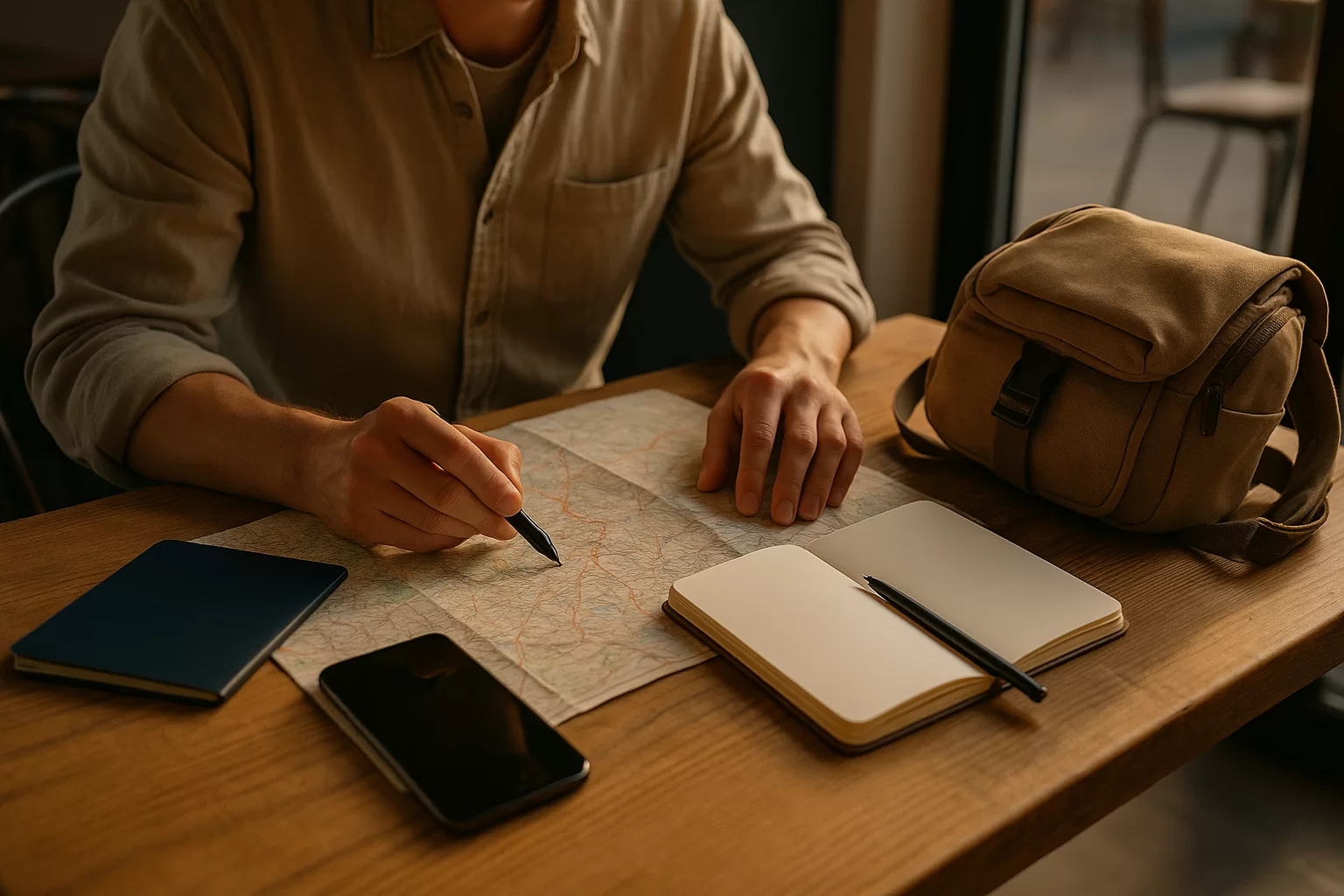
Booking a first solo trip is exciting, but the best decision happens before the payment page. A little pre-booking work can prevent expensive changes, unsafe arrivals, overpacked itineraries, and the common mistake of choosing a place that looks perfect online but feels stressful in real life.
This guide walks through what to do before booking a first solo trip, with practical checks for timing, safety, budget, transport, weather, and confidence. Use it as a decision tool, not a rigid rulebook.
Quick Answer
Before booking your first solo trip, narrow your destination to places that fit your budget, safety comfort, language confidence, season, and transport skills. Check current government travel advice, health guidance, entry requirements, local weather patterns, arrival options, and neighborhood safety. Price the whole trip, not only the flight, then confirm that you can reach your first accommodation in daylight or by a reliable transfer. Book fewer moving parts than you would for a group trip, share your plan with a trusted person, and leave enough flexibility for rest, nerves, and unexpected delays.
Trip Decision Builder
Choose your trip style, weather, bag size, and priority to get a useful packing and planning direction.
Choose the options above, then build a recommendation you can use with the checklist, table, and sources in this guide.
In This Guide
What to Check Before Booking a First Solo Trip
The right first destination is not always the cheapest or most famous one. It is the place where your skills, comfort, budget, and curiosity overlap. If you have never traveled alone, reduce friction: choose somewhere with reliable public transport, clear arrival routes, plenty of reviewed accommodation, and activities you can enjoy without needing a group.
A good test is this: if your phone battery died on arrival, could you still solve the next two hours? If the answer is no, the destination may still be possible, but you need stronger preparation before booking.
Pick a destination that stretches you slightly, not one that overwhelms you immediately. A first solo trip can include adventure, but it should also have simple wins: easy meals, readable signs, helpful transit, and safe-feeling neighborhoods.
Look at the exact arrival airport, station, or bus stop before booking. If the cheapest flight lands after midnight far from town, the savings may disappear in stress, taxi costs, or an unsafe-feeling transfer.
Search for activities that work alone: museums, food tours, walking routes, classes, markets, beaches, day trips, or small-group excursions. If everything depends on nightlife or couples experiences, you may feel more isolated.
Consider whether you can handle basics like asking for directions, buying tickets, and explaining a medical need. Translation apps help, but your first solo destination should not require constant problem-solving just to function.
Also think about trip length. Three to five nights is often enough for a first solo trip because it gives you time to settle in without creating a high-stakes, expensive experiment. If you want a longer journey, begin in an easier city and add more complex stops after you have built confidence.
Avoid building your destination choice around one viral itinerary. First-time solo travel feels different from traveling with friends: you carry every decision, every bag, and every delay yourself. Choose a place that supports your energy, not just your image of who you want to be abroad.
Budget, Timing, and Weather Checks Before You Pay
Solo travel can be freeing, but it is rarely half the cost of a shared trip. You may pay the full room price, cover all taxis yourself, and absorb mistakes without splitting expenses. Before booking, price the full daily experience: sleep, food, activities, transport, insurance, phone data, laundry, tips where customary, and a cushion for changes.
Weather is just as important as price. A low fare during storm season, extreme heat, wildfire risk, winter closures, or major local holidays can be a bad deal if your activities become limited. Check current forecasts closer to departure, but research seasonal patterns before booking.
| Decision | Green light | Pause if | Check where | Best timing |
|---|---|---|---|---|
| Flight | Daylight arrival | Late remote landing | Airline terms | Before payment |
| Lodging | Strong recent reviews | Vague location | Map and reviews | Before flight |
| Budget | Daily cushion | Only fare priced | Local cost guides | Before booking |
| Weather | Comfortable season | Extreme conditions | Forecast and climate | Before dates |
| Activities | Solo-friendly options | All far away | Transit maps | Before itinerary |
Solo Trip Booking Readiness Tool
- Add your flight, first accommodation, arrival transfer, meals, activities, insurance, phone data, and emergency cushion to one total.
- Rate each item from 1 to 3 for confidence: 1 means uncertain, 2 means manageable, and 3 means comfortable.
- If safety, arrival transport, or lodging scores 1, do not book yet; solve that gap first.
- If your total cost is affordable only when nothing goes wrong, choose cheaper dates, a shorter trip, or a simpler destination.
One mistake to avoid is booking a bargain flight before checking accommodation. Popular events, festivals, conferences, school holidays, and seasonal closures can make rooms expensive or scarce. Search real lodging options for your exact dates before locking in transport.
Another mistake is ignoring your personal rhythm. If you hate early mornings, do not plan a trip built around 6 a.m. trains. If heat drains you, avoid peak summer in cities known for long exposed walks. Solo travel works best when your plan respects how you actually move through a day.
Safety, Health, and Document Checks
Safety planning is not about assuming danger everywhere; it is about removing avoidable uncertainty. Before booking, read current official travel advice for your destination, including regional notes. Conditions can change because of weather events, civil disruption, disease outbreaks, strikes, or entry policy updates, so make a habit of checking again near departure.
Health planning deserves the same attention. Review destination health guidance, routine vaccinations, medication rules, water and food precautions, and travel insurance options. Do not rely on old forum posts for medical or entry information, and do not assume rules are the same as your last trip.
- Passport validity: Confirm your passport has enough validity for your destination and any transit country before booking nonrefundable travel.
- Entry requirements: Check official visa or authorization rules close to booking and again before departure because requirements can change.
- Medication planning: Research whether your medication needs documentation or special handling, especially for controlled prescriptions.
- Insurance: Compare policies for medical care, cancellation, missed connections, lost baggage, and adventure activities you plan to do.
- Emergency contacts: Save local emergency numbers, your accommodation address, insurer details, and embassy or consulate information offline.
For solo travelers, the most useful safety step is planning the first night well. Choose a lodging area with recent reviews, visible transport connections, and nearby food options. If you arrive tired, hungry, and disoriented, you are more likely to make rushed decisions.
Share a simple plan with one trusted person: flight numbers, first accommodation, rough itinerary, insurance details, and how often you expect to check in. This is not about giving up independence. It is about making sure someone knows when silence is normal and when it is unusual.
Transport and Accommodation Decisions That Matter Most
Transport is where many first solo trips become stressful. Before booking flights, open a map and trace the journey from arrival point to your first bed. Look for official airport trains, licensed taxi guidance, ride-hailing availability, shuttle options, walking distance, luggage effort, and whether your route still works if delayed.
For accommodation, prioritize location and recent solo traveler reviews over amenities you may barely use. A beautiful cheap room far from transit can cost more in time and worry than a modest central stay. Read low-star reviews carefully for patterns: unsafe entrances, poor staff response, noisy streets, surprise fees, or unreliable check-in.
Best if you want privacy, a staffed desk, and an easier first night. Look for flexible check-in, luggage storage, recent cleanliness reviews, and a location that lets you eat nearby without a long walk.
Useful if you want social options without sharing a dorm. Check whether events are friendly rather than party-only, and read reviews from travelers near your age or travel style for better fit.
Good for longer trips or dietary needs, but first-timers should confirm building access, host responsiveness, legal local requirements, and arrival instructions. Avoid confusing self-check-in for your first late-night arrival.
A slightly less charming area near a safe, well-connected station may be smarter than a picturesque neighborhood with poor links. For a first solo trip, easy movement often matters more than postcard atmosphere.
Build your first day lightly. A realistic arrival plan might be: land, withdraw or access money if needed, take the pre-researched transfer, check in, buy water or snacks, walk one nearby route, eat dinner close to lodging, and sleep. That is enough.
If you plan multiple cities, book the first leg and know the rest rather than locking every hour. Solo travel often reveals preferences quickly: you may want more rest, a safer neighborhood, a different pace, or an unexpected day trip. Leave room to adjust where possible.
What to Book First, What to Leave Flexible
Once your checks look solid, book in an order that protects your money and peace of mind. Start with the biggest constraint: often flights or long-distance trains, then the first two nights of accommodation, then any high-demand activity that would disappoint you if missed. Leave routine meals, casual sightseeing, and most local transport flexible.
Read cancellation terms before paying, especially for discount fares, basic rooms, tours, and third-party booking platforms. Screenshot or save confirmations offline, and keep all booking emails in one folder. Your future tired self will thank you when Wi-Fi is weak or your phone is at 8 percent battery.
- Book early: International transport, first two nights, major events, limited-entry attractions, and travel insurance once you have prepaid costs.
- Book later: Casual tours, restaurants, museums with wide availability, and extra nights if your destination has plenty of lodging.
- Double-check: Names on tickets, passport details, baggage rules, arrival dates after overnight flights, and airport codes in cities with multiple airports.
- Keep offline: Boarding passes, accommodation address, transfer instructions, insurance policy, emergency contacts, and a map of your first neighborhood.
Avoid the all-or-nothing itinerary. First solo travelers often overbook because an empty afternoon feels scary at home. In practice, empty space becomes recovery time, laundry time, journaling time, or the moment you say yes to something you discover after arrival.
Before you click book, ask one final question: would I still feel okay about this plan if the flight was delayed, it rained, or I felt nervous on day one? If the answer is yes, you are not just booking a trip; you are booking a manageable first solo experience.
Summary and Final Thoughts
Before booking a first solo trip, focus on fit: destination difficulty, current safety and health guidance, total budget, weather, arrival transport, and accommodation location. These checks turn uncertainty into decisions you can handle one step at a time.
Your first solo trip does not need to be perfect, long, or impressive. It needs to be clear enough to begin, flexible enough to adapt, and supportive enough that you can enjoy your own company while learning how you travel best.
FAQ
How far in advance should I book my first solo trip?
Book when the main details are clear: destination safety, entry rules, budget, weather, and first-night logistics. For popular dates, start earlier, but avoid paying until you have checked accommodation availability and arrival transport. A cheaper fare is not worth it if the rest of the plan is weak.
Is it better to start with a domestic or international solo trip?
A domestic trip is often easier because language, phone access, payment systems, and emergency help feel familiar. An international first solo trip can work well if the destination has reliable transport, clear entry requirements, and strong traveler infrastructure. Choose the option that creates curiosity without constant stress.
Should I stay in a hostel on my first solo trip?
Hostels can be great if you want social options, but they are not required. A private room in a hostel, guesthouse, or small hotel may offer a better balance of privacy and connection. Read recent reviews for safety, cleanliness, staff support, and the actual atmosphere.
What should I tell family or friends before I go?
Share your flight details, first accommodation, rough route, insurance information, and expected check-in rhythm. You do not need to report every move, but someone should know your basic plan. Agree in advance what counts as normal silence and what should trigger concern.
What is the biggest mistake before booking a first solo trip?
The biggest mistake is booking the cheapest option before checking the full experience. A low fare can come with late arrivals, poor transport, expensive lodging, bad weather, or unsafe-feeling locations. Price the whole trip and choose the plan you can manage when tired.
Sources and Further Reading
- Solo Female Travel Packing List: The Ultimate Guide
- 8 Best Destinations For Solo Female Travel
- Is Vienna Safe For Solo Female Travellers? An In-Depth Guide
- Solo Female Travel With Dog: Tips For a Successful Adventure
- Centers for Disease Control and Prevention – Travelers' Health
- UK Foreign, Commonwealth & Development Office – Travel Advice