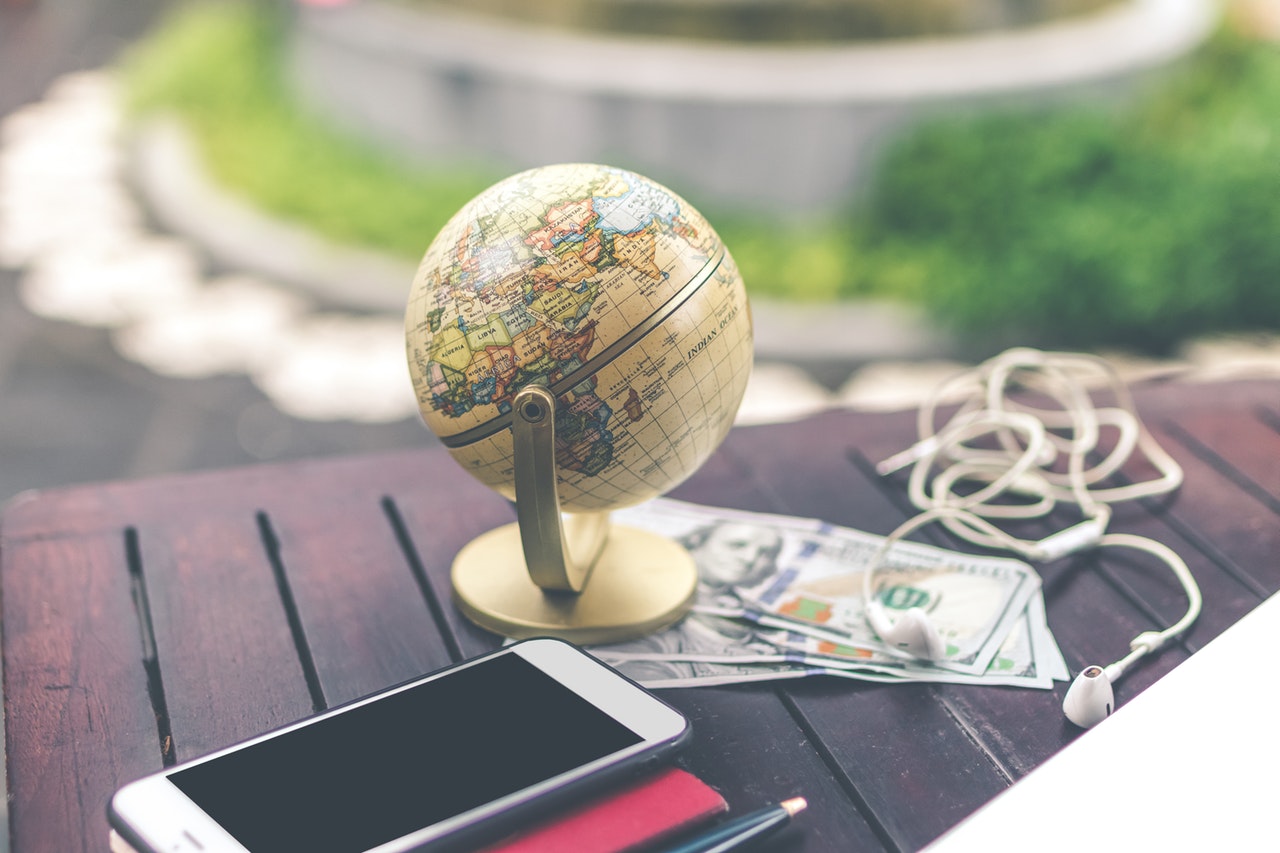
- The safest travel money plan uses more than one method. A small amount of local cash, a low-fee card, and a backup card gives you flexibility if one option fails.
- Do not carry your full travel budget in cash. Cash is useful for taxis, tips, markets and emergencies, but it is risky if lost or stolen.
- Airport exchange desks are convenient, not always good value. Compare rates and fees before changing a large amount of money.
- Card fees matter. Check foreign transaction fees, ATM charges, cash withdrawal fees and exchange-rate markups before you leave.
- Pay in the local currency when asked. Dynamic currency conversion can make card payments and ATM withdrawals more expensive.
- Large cash amounts may need to be declared. Rules vary by country, so check official guidance before travelling with a lot of money.
Planning how to take money abroad can feel boring compared with booking flights, hotels and tours, but it can save you stress, hidden fees and real problems when you arrive. You need money for transport, food, attraction tickets, tips, emergencies, hotel deposits, mobile data and those small payments that do not always accept cards.
The best way to take money abroad is not one single option. A smarter plan mixes cash, cards and a backup method so you are not stuck if an ATM is broken, a card is blocked, a taxi wants cash, or your wallet goes missing. This guide explains the five main ways to take money abroad safely, how to avoid common travel money mistakes, and how to build a simple setup before your next trip.
This article is general travel information, not personal financial advice. Always check your own bank, card provider, destination rules and travel insurance before you go.
What Is The Best Way To Take Money Abroad?
The best way to take money abroad is to carry a small amount of local currency, use a low-fee debit or credit card for most spending, keep a backup card in a separate place, and have an emergency plan. Avoid exchanging large amounts at airports, be careful with ATMs, and choose the local currency when a card machine asks how you want to pay.
Plan Your Travel Money Before You Leave
Before choosing cash, cards or a prepaid travel card, work out your expected spending. Many travellers remember flights and hotels but forget airport transfers, city transport, tourist taxes, luggage storage, meals, tips, public toilets, SIM cards, medication, laundry, emergency taxis and card deposits.
A simple travel money plan should include:
Daily spending
Food, local transport, small shopping, attractions, cafés and everyday extras.
Arrival cash
Enough for taxis, buses, snacks, tips or small purchases when you first land.
Card payments
Hotels, restaurants, car rentals, online tickets and larger purchases where cards are safer.
Emergency money
A backup card or separate emergency fund for missed flights, lost luggage or medical costs.
Also think about the destination. Some places are almost cashless, while others still depend on cash for small shops, rural areas, markets and local transport. A card-only plan may work in many big cities, but it can fail quickly on islands, road trips, village stays or older public transport systems.
1Avoid Airport Currency Exchange When Possible
Airport currency exchange desks are easy to find, but that convenience can come with weaker exchange rates or extra fees. They are useful in an emergency, but they are rarely the best place to exchange a large amount of money.
A better approach is to arrive with a small amount of local cash already prepared, then use a trusted bank ATM or a reputable exchange provider once you reach the city. Before exchanging money, compare the displayed rate, any commission, minimum exchange amounts, and whether there is a buy-back option for leftover cash.
Exchange only a small arrival amount before you leave, then withdraw or exchange more gradually when you need it. This reduces the risk of carrying too much cash and helps you avoid accepting a poor airport rate under pressure.
2Use A Travel-Friendly Debit Or Credit Card
A travel-friendly card can be one of the easiest ways to spend abroad. It is especially useful for hotels, restaurants, online bookings, train tickets, car rentals and larger purchases. Cards also reduce the need to carry too much cash.
Before you travel, check:
- foreign transaction fees
- ATM withdrawal fees
- cash withdrawal interest if using a credit card
- daily spending and withdrawal limits
- whether your bank needs a travel notification
- how to freeze the card quickly in the app
A credit card may offer useful protection for certain purchases depending on your country and card provider, but it can be expensive for cash withdrawals. A debit card can be better for withdrawing money, but only if the overseas fees are reasonable. The key is to check before you leave, not after you see the charges.
3Consider A Prepaid Or Multi-Currency Travel Card
A prepaid travel card or multi-currency card can help you separate your travel money from your main bank account. You load money onto it, then use it for payments or ATM withdrawals while travelling. Some cards let you hold multiple currencies, which can be helpful if you are visiting several countries.
This can be useful for budgeting because you can limit how much money is available on the card. It can also work as a backup if your main card is blocked or lost.
However, prepaid cards are not automatically cheaper. Always check:
- card loading fees
- ATM withdrawal charges
- exchange-rate markup
- inactivity fees
- replacement card costs
- whether the card works in your destination
A prepaid card can be a good extra layer, but it should not be your only way to access money abroad.
4Carry Some Local Currency
Even if you prefer cards, local currency is still useful. You may need cash for taxis, bus tickets, market stalls, tips, lockers, small cafés, public toilets, baggage trolleys, rural transport or emergency situations. Some destinations also have card minimums or occasional payment outages.
You do not need to carry your whole budget in cash. In fact, carrying too much can make you vulnerable. A sensible plan is to carry enough for the first day or two, then withdraw more from secure ATMs if needed.
How Much Cash Should You Take?
For many short city trips, enough cash for airport transfer, snacks, one meal and a small emergency buffer is enough. For rural trips, camping, islands or cash-heavy destinations, you may need more. Research the payment culture before you travel.
5Keep Your Cash Safe And Split Up
The original travel advice was simple: hold on to your cash. A better version is: keep some cash, but never keep it all in one place. If your wallet is lost and every card and banknote is inside it, your trip can become stressful very quickly.
Split your money like this:
- daily cash in your wallet
- backup cash in a hotel safe or locked bag
- one backup card stored separately
- digital wallet on your phone where accepted
- emergency bank contact details saved securely
Be extra careful in airports, train stations, busy markets, beaches, festivals, nightlife areas and tourist attractions. These are the places where travellers are most distracted.
Use ATMs Carefully Abroad
ATMs are often the easiest way to get local currency, but fees and exchange-rate options vary. Your own bank may charge a fee, the local ATM operator may charge a fee, and the ATM may try to convert the money into your home currency using its own rate.
Use ATMs smarter by following these tips:
- Use ATMs inside banks, shopping centres or secure locations where possible.
- Check the card slot, keypad and screen area before inserting your card.
- Shield your PIN every time.
- Withdraw sensible amounts so repeated ATM fees do not add up.
- Decline ATM currency conversion and choose to be charged in local currency.
- Turn on banking alerts so you can spot suspicious transactions quickly.
Always Pay In The Local Currency
When paying by card abroad, you may see a choice: pay in your home currency or pay in the local currency. This is known as dynamic currency conversion. It can look helpful because you recognise the amount, but the exchange rate and extra costs may be less favourable.
In most cases, choose the local currency. If you are in Spain, pay in euros. If you are in Japan, pay in yen. If you are in Mexico, pay in pesos. Let your card provider process the conversion instead of the shop, hotel, restaurant or ATM.
Have An Emergency Money Plan
Travel money planning is not only about saving fees. It is also about making sure you are not stuck if something goes wrong. Your card could be blocked, your phone could break, your wallet could be stolen, or a flight cancellation could force you to book another night of accommodation.
Before leaving, prepare:
- a backup card stored separately from your main card
- secure access to your banking app
- bank emergency phone numbers
- travel insurance details
- a small emergency cash amount
- copies of important documents stored securely
- a trusted person at home who can help if needed
Do not assume an embassy or consulate will pay your bills abroad. Government help is limited, so your own emergency plan matters.
Best Travel Money Setup For Most Trips
Short city break
Small local cash, one low-fee card, digital wallet and a backup card kept in your hotel bag.
Family holiday
Two cards from different accounts, arrival cash, emergency cash and a shared plan for where money is stored.
Backpacking trip
Low-fee debit card, backup card, small cash in different places, ATM awareness and emergency contacts.
Cash-heavy destination
More local cash than usual, secure storage, smaller daily wallet amount and careful ATM planning.
Common Travel Money Mistakes To Avoid
- Changing a large amount at the airport without comparing the rate.
- Carrying all cash and cards in one wallet with no backup.
- Using a card without checking overseas fees before leaving.
- Accepting payment in your home currency at foreign terminals or ATMs.
- Using unofficial street exchange services because the rate looks tempting.
- Withdrawing tiny amounts repeatedly and paying ATM fees every time.
- Forgetting cash declaration rules when carrying large sums.
- Travelling without insurance or emergency funds for unexpected costs.
Final Thoughts
The best way to take money abroad is a balanced setup. Cash is useful, but too much cash is risky. Cards are convenient, but fees matter. Prepaid travel cards can help with budgeting, but they are not always cheaper. ATMs are practical, but you need to avoid poor currency conversion and unsafe machines.
For most travellers, the safest approach is simple: take a small amount of local cash, use a low-fee card, keep a backup card separately, choose local currency when paying, and prepare an emergency plan before you leave. A little planning can make your trip smoother, safer and less expensive.
FAQs About Taking Money Abroad
Should I take cash or card abroad?
Take both. Cash is useful for small purchases, taxis, tips and emergencies, while cards are better for larger payments and everyday spending in card-friendly destinations.
Is it better to exchange money before travelling?
It is useful to exchange a small arrival amount before travelling. For larger amounts, compare rates and fees because airport exchange desks are often convenient but poor value.
Should I pay in pounds or local currency abroad?
Choose the local currency in most cases. Paying in your home currency can trigger dynamic currency conversion, where the merchant or ATM provider applies its own rate.
How much cash should I carry abroad?
Carry enough for your arrival day, small purchases and emergencies, but avoid carrying your entire travel budget in cash. The right amount depends on the destination and how widely cards are accepted.
Are prepaid travel cards worth it?
They can be useful for budgeting and backup spending, especially for multi-country trips. Check fees carefully before choosing one.
Can I travel with a large amount of cash?
You may be able to, but many countries have cash declaration rules. Always check official customs guidance for the countries you are leaving, entering or passing through.
What should I do if my card is stolen abroad?
Freeze or cancel it immediately through your banking app or by contacting your provider. Use your backup card or emergency cash, monitor your account, and report the theft if needed for insurance.