Key Takeaways
- The hotel room that was never booked works because it turns a normal travel mistake into something intimate and impossible.
- This original scary story is best read as fiction, with practical hotel-safety reminders folded in for real-world usefulness.
- The strongest clue is not a ghostly face, but a small administrative detail that refuses to match reality.
- If a room assignment ever feels wrong in real life, the safest choice is to return to the front desk and verify it immediately.
- Haunted-hotel stories endure because they mix public spaces, private rooms, and the fear of being expected by someone you never met.
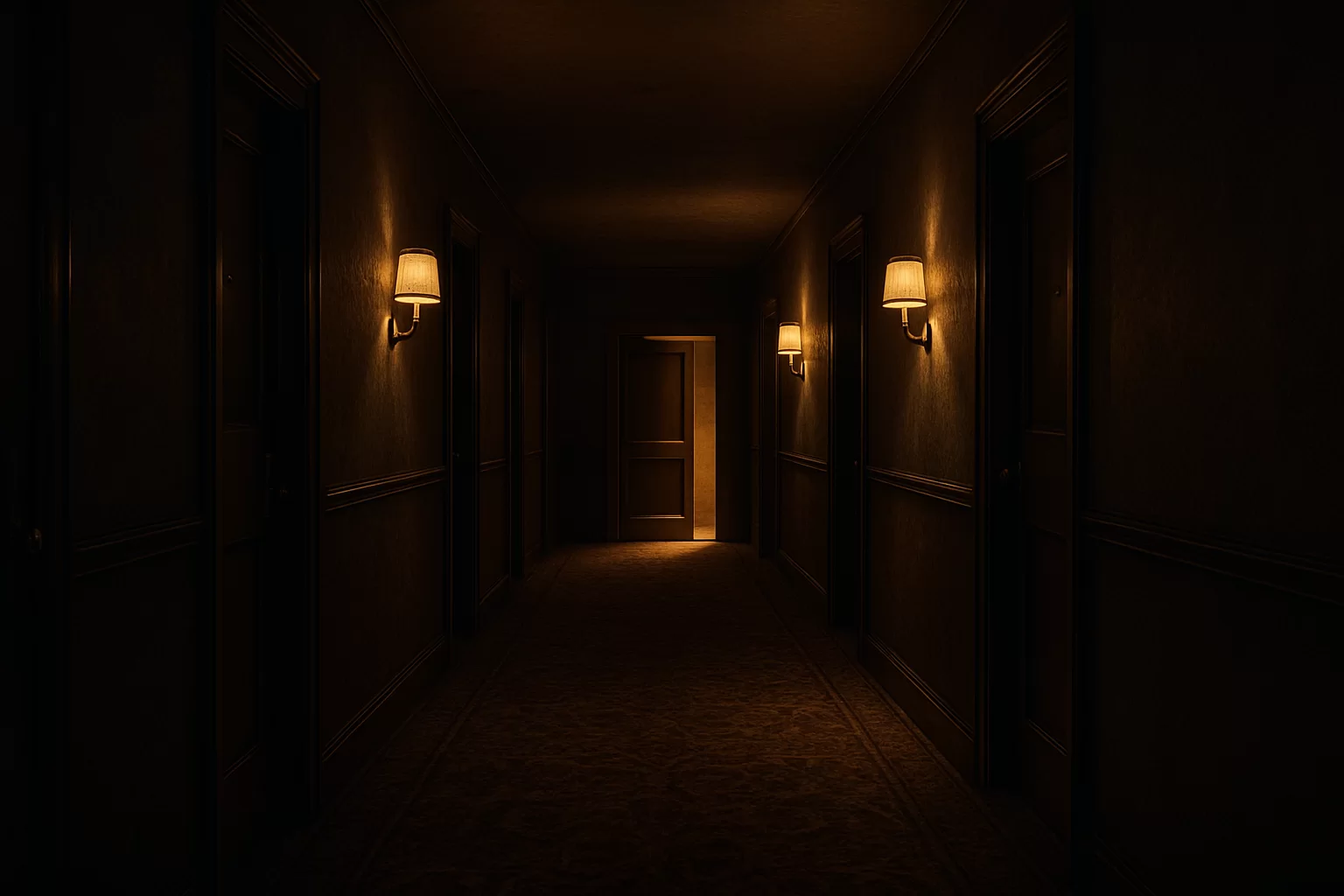
Some scary stories begin with thunder, graveyards, or a hand on the window. This one begins with a tired traveler, a plastic key card, and a clerk who insists the hotel room that was never booked cannot possibly exist.
Read it first for the chill, then use the notes that follow to understand why the setup works, what details make it feel plausible, and which real hotel mistakes should never be ignored.
Quick Answer
The Hotel Room That Was Never Booked is a fictional haunted-hotel story about a guest who receives a key for Room 614 after a late check-in, only for the hotel to later deny that the room is occupied, reserved, or even available. Its fear comes from ordinary systems failing: a wrong key, a missing reservation, a voice on the phone, and records that change when no one is looking. For readers, it is a compact ghost story; for travelers, it is also a reminder to verify room numbers, booking details, and unusual staff instructions.
Personal Action Builder
Answer four quick questions and get a practical next step based on this guide.
Choose the options above, then build a recommendation you can use with the checklist, table, and sources in this guide.
In This Guide
The Hotel Room That Was Never Booked
Mara Venn arrived after midnight, when every lobby looks like it is pretending to be awake. The Bellweather Hotel had brass lamps, a sleepy fountain, and carpet so thick it swallowed the wheels of her suitcase. The night clerk took her name, frowned at the screen, and said her reservation had been canceled. Before Mara could protest, the printer behind him clicked once. A single key sleeve slid out, already marked in blue ink: 614. The clerk stared at it as if it had spoken. Then he pushed it across the counter and said, quietly, that the system must have corrected itself.
Room 614 was at the end of a narrow hall where the ice machine hummed like a held breath. Inside, the bed was turned down, the lamp was on, and a glass of water sat on the bedside table with one ring of condensation beneath it. Mara called the desk to ask whether housekeeping had just left. A woman answered, though the clerk had been a man. She said, "You are late, but we kept it for you." Mara hung up before asking who "we" meant. In the morning, the same night clerk was still at the desk, pale with exhaustion. He told her the sixth floor had been closed for renovation all week. There was no active Room 614 in the booking system, no phone record from her room, and no charge on her card. When security walked her upstairs, the hall ended at 612. Where her door had been, there was only fresh wallpaper, still damp at the seams.
Why the Story Feels Plausible, Even When It Cannot Be
Hotel horror works because hotels are organized mysteries. Guests trust maps, room numbers, booking systems, cameras, clocks, and staff routines, but they rarely understand how any of them connect. When one detail slips, the mind tries to repair it: wrong floor, tired clerk, computer glitch, renovation confusion. A good haunted-room story lets those explanations survive just long enough to fail.
The Bellweather’s Room 614 also uses a familiar travel anxiety: being between places. Mara is not at home, not fully known by the staff, and not alert enough to challenge every inconsistency. That liminal state makes a mild error feel like an invitation from somewhere else.
| Story moment | Strange detail | Normal explanation | Horror function | Reader check |
|---|---|---|---|---|
| Late check-in | Reservation canceled | System error | Isolation | Ask for confirmation |
| Key sleeve | Room already written | Staff mix-up | Predestination | Verify room number |
| Water glass | Fresh condensation | Recent cleaning | Unseen host | Inspect room |
| Phone call | Unknown woman | Misrouted line | False reassurance | Call front desk directly |
| Morning return | Door gone | Wrong corridor | Reality break | Use staff escort |
Scary Story Fright Check: Rate each clue from 0 to 2 while reading. Give 0 for a detail with an easy explanation, 1 for a detail that feels wrong but possible, and 2 for a detail that contradicts the world. A total of 7 or more means the story has crossed from coincidence into haunting.
- 0 to 3: Mostly atmosphere and uncertainty.
- 4 to 6: A strong uncanny pattern is forming.
- 7 to 10: The room is no longer behaving like a room.
Real Hotel Safety Takeaways Without Killing the Scare
Most odd hotel moments are ordinary: key cards fail, rooms change, phones route strangely, and tired staff make mistakes. Still, a scary story can point to sensible habits. If a room assignment, door, phone call, or staff instruction feels inconsistent, treat it as a service issue first, not a dare. Go back to the desk, keep your luggage with you, and ask for the details to be checked in person.
Current-check reminders matter because travel systems change often. Before a trip, confirm the hotel address, booking platform, cancellation status, and check-in time through your reservation record. At the property, compare the room number on the sleeve with what the clerk says aloud, test the lock, use the deadbolt, and do not open the door for unexpected visitors without calling the front desk through a verified number.
- Do not ignore a mismatch: If the room number, floor, or name is wrong, pause and verify it.
- Use direct confirmation: Call the published front-desk number if an in-room phone conversation feels strange.
- Trust discomfort early: Switching rooms is easier before you unpack, shower, or fall asleep.
- Document practical issues: Save booking screenshots, receipts, and time-stamped notes if something seems off.
- Avoid hallway debates: If someone claims to be staff, speak through the door and call the desk.
Important nuance: This is not a claim that hotels are haunted or unsafe. It is a fiction-first reading guide with grounded safety habits. The best response to uncertainty is calm verification, not panic.
How to Read the Ending and Avoid Common Story Mistakes
The ending does not explain whether Mara crossed into the past, entered a ghost’s room, or was briefly accepted by a hotel that remembers guests the living world forgot. That restraint is intentional. A clean explanation would make Room 614 smaller. By leaving the door replaced by wallpaper, the story traps the reader in the same administrative nightmare as Mara: the evidence happened, but no system will hold it.
If you write your own version of a haunted-room tale, avoid making every object scream for attention. One impossible receipt can be stronger than ten floating chairs. Let the realistic details carry the weight: the elevator chime, the stale hallway air, the tiny red light on the phone, the clerk’s expression when the computer shows nothing.
Decision guidance for readers: If you want psychological horror, focus on the clerk, the phone call, and Mara doubting herself. If you want supernatural horror, focus on the prepared room and the missing doorway. If you want an urban-legend tone, tell it as something a friend of a night auditor swore happened once.
Summary and Final Thoughts
The hotel room that was never booked is frightening because it weaponizes procedure. A reservation, a key, and a room number should make a traveler feel seen and protected. Here, those same comforts suggest that something has been waiting with perfect paperwork.
As fiction, the story invites a shiver. As a travel reminder, it points to a calmer lesson: verify what feels off, keep records, and never let embarrassment push you into ignoring a mismatch that deserves a simple question.
FAQ
Is The Hotel Room That Was Never Booked a true story?
No. This version is written as original fiction for ChipJourney’s scary stories category. It uses familiar haunted-hotel folklore and real travel anxieties, but it should be read as entertainment rather than a factual account.
Why are hotel rooms common in ghost stories?
Hotels combine privacy with strangers. You sleep in a room used by countless people, trust staff you barely know, and depend on systems you cannot see. That mixture makes small inconsistencies feel unusually personal and unsettling.
What should I do if my hotel room assignment seems wrong?
Return to the front desk with your key sleeve and booking confirmation. Ask staff to verify your name, room number, and payment status. If you feel unsafe, request an escort, a different room, or help contacting the booking provider.
What makes the missing-door ending effective?
The missing door removes the easiest explanations. A wrong key or odd phone call might be blamed on confusion, but a vanished room challenges the physical layout. It leaves the reader with evidence that cannot be filed away neatly.
Can I retell this story around a campfire or sleepover?
Yes, but keep it slow. Emphasize ordinary details first: the tired clerk, the printed sleeve, the water glass, and the phone voice. Save the missing doorway for the final turn, then stop before explaining too much.