Key Takeaways
- Use relaxing music during a night routine as a cue for winding down, not as a forceful sleep solution.
- Choose simple, slow, predictable sounds that feel emotionally safe and do not demand attention.
- Keep the volume low enough that you can ignore the music while breathing, reading, or resting.
- Build a repeatable 20 to 45 minute sequence so your brain learns when the day is ending.
- Review your playlist and device settings regularly so autoplay, ads, or bright screens do not interrupt sleep.
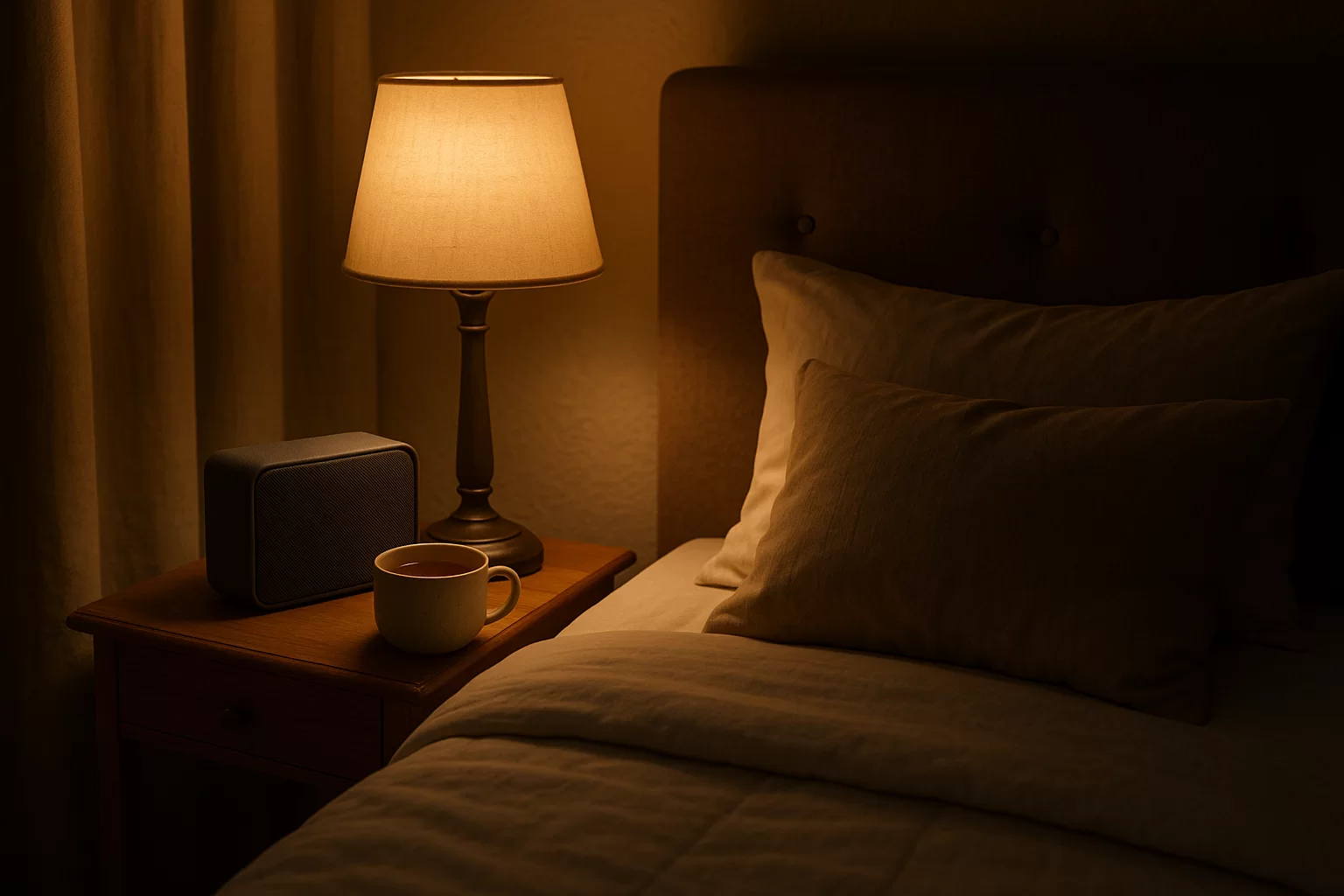
Relaxing music can make a night routine feel less abrupt. Instead of moving from messages, chores, and bright screens straight into bed, a gentle soundtrack gives your body a softer transition and your mind a familiar signal.
The goal is not to find a magical track that guarantees sleep. The goal is to use sound in a consistent, safe, low-pressure way alongside good sleep hygiene, comfortable lighting, and habits that make your evening easier to repeat.
Quick Answer
The best way to use relaxing music during a night routine is to start it at the same point each evening, keep it quiet, and pair it with low-effort activities such as tidying, stretching, journaling, prayer, reading, or breathing. Pick music with slow tempo, soft dynamics, minimal lyrics, and no sudden changes. Set a timer or fade-out so sound does not run all night unless you truly sleep better that way. Treat the playlist as a bedtime cue, adjust it based on how you feel in the morning, and avoid anything that makes you analyze, sing along, or reach for your phone.
Relaxation Routine Builder
Choose your mood, time, listening style, and goal to create a simple wind-down direction.
Choose the options above, then build a recommendation you can use with the checklist, table, and sources in this guide.
In This Guide
Why Relaxing Music During a Night Routine Can Help
Music affects attention, emotion, and arousal. A calm track can narrow the focus of a busy mind, soften the emotional tone of the room, and make ordinary evening actions feel more rhythmic. Over time, the same music can become a learned cue: this is when you slow down.
That cue works best when it is paired with other steady signals. Dimmer lights, fewer notifications, a cooler room, and a predictable bedtime all help the music make sense. If the rest of the evening is chaotic, even beautiful music may feel like background noise.
Use music as a signal
Play the same style of sound when your wind-down begins. Repetition matters more than the perfect track because your brain learns the pattern through consistent timing.
Lower the effort
A good night playlist should reduce decisions. Save it in advance, avoid endless browsing, and let the first song start your routine without negotiation.
Support your mood
Choose music that feels steady rather than dramatic. If a song brings up strong memories or intense emotion, save it for another time of day.
Keep expectations realistic
Relaxing music may help you settle, but it is not a treatment for persistent insomnia, anxiety, pain, or medical sleep disorders. Seek professional support when needed.
Current-check reminder: streaming apps, speakers, and sleep timers change often. Before relying on a playlist, test offline mode, volume limits, fade settings, and whether ads or recommendations can interrupt the night.
How to Build a Night Routine With Relaxing Music
A useful routine does not need to be long. Many people do better with a simple 30-minute sequence they can repeat on busy nights than with an ideal two-hour ritual they rarely complete. Let the music mark stages: closing the day, lowering stimulation, and preparing for rest.
Start with your real schedule. If you usually get into bed at 11:00 p.m., do not design a routine that begins at 8:30 unless your life supports it. Begin 20 to 45 minutes before bed and expand only if it feels natural.
| Routine stage | Music style | Volume | Activity | Goal |
|---|---|---|---|---|
| 45 min before bed | Soft ambient | Low background | Light tidying | Close the day |
| 30 min before bed | Gentle instrumental | Very low | Stretch or journal | Release tension |
| 15 min before bed | Slow pads or rain | Barely audible | Read or pray | Reduce focus |
| Lights out | Fade-out track | Whisper level | Breathing | Settle down |
| After waking | None or soft | Off | Note results | Adjust routine |
A simple 30-minute example
- Minute 0: Start your playlist, plug in your phone away from the bed, and dim the room.
- Minute 5: Do one small reset task, such as clearing a table or preparing clothes for tomorrow.
- Minute 10: Wash up, change into sleepwear, and avoid checking messages unless necessary.
- Minute 20: Sit or lie down with a book, breathing practice, prayer, or quiet reflection.
- Minute 30: Let the music fade, turn the screen face down, and keep the room dark.
Match sound to the household
If you share a room, ask what volume and sound type feel acceptable. One person may love rain, while another finds it distracting. A small speaker across the room is often less intrusive than earbuds. If headphones are necessary, use safe volume, avoid pressure on the ears, and consider a timer.
How to Choose Music That Actually Feels Relaxing
The right track is not always the one labeled “sleep music.” It is the one your nervous system can stop monitoring. For most night routines, that means slow pacing, soft edges, minimal percussion, and no surprises. Lyrics can work for some people, but they often keep language centers active and invite sing-along thoughts.
Test music when you are calm, not only when you are exhausted. If a track feels peaceful for the first minute but annoying after ten, remove it. Your playlist should survive repetition without becoming something you resent.
Best for busy thoughts
Try gentle ambient pads, soft piano, or steady rain. Avoid complex melodies that make you follow every note.
Best for tension
Use slow instrumental music with warm tones. Pair it with relaxed breathing or light stretching rather than scrolling in bed.
Best for silence discomfort
Choose low-volume nature sounds or mellow drones. The sound should fill the room lightly without becoming the main event.
Best for spiritual reflection
Soft devotional instrumentals or wordless choral textures can support prayer or gratitude if they feel grounding rather than emotionally intense.
Playlist qualities to look for
- Slow tempo: Many people prefer music that feels slower than a resting heartbeat, though comfort matters more than numbers.
- Stable dynamics: Avoid sudden volume jumps, cinematic swells, or startling percussion.
- Low brightness: Harsh treble can feel alerting at night, especially through earbuds.
- Predictable endings: Use fade-outs, long tracks, or albums designed for continuous calm.
- Offline access: Download tracks if your app may pause, buffer, or insert interruptions.
Safe listening basics
Keep music quiet enough that normal breathing is still easy to notice. If you use earbuds, lower the volume more than you think you need, especially in a silent room. Avoid sleeping with wired earbuds that can tangle, and be cautious with noise-blocking audio if you need to hear children, alarms, pets, or safety cues.
Night Routine Sound Planner
Use this quick tool to choose a sound approach based on what usually disrupts your evening. Pick one main obstacle, try the matching routine for three to five nights, then adjust based on morning energy, sleepiness, and whether the routine felt easy enough to repeat.
Choose your night profile
- Racing mind: Start music earlier, use wordless tracks, and write tomorrow's first task before bed.
- Restless body: Pair slow music with stretching, a warm shower, or gentle breathing.
- Late screen habit: Let the playlist be your “screens down” cue and place the phone across the room.
- Noisy environment: Use steady sound masking, such as rain or brown noise, without turning it too loud.
- Emotional evenings: Avoid nostalgic songs and choose neutral, comforting textures.
Three routine templates
- Minimal routine: Ten minutes of dim light, soft music, hygiene, and one calming breath practice.
- Balanced routine: Thirty minutes with tidying, washing up, reading, and a timed playlist fade.
- Restorative routine: Forty-five minutes with stretching, journaling, warm lighting, and quiet instrumental music.
Do not judge the routine only by how fast you fall asleep. Also notice whether you argue with bedtime less, wake fewer times because of audio interruptions, or feel more settled when lying down. These small signals often show whether the habit is helping.
Mistakes to Avoid When Using Music at Night
Relaxing sound can backfire when it becomes another source of stimulation. The most common problem is using bedtime as playlist research time. Searching, skipping, comparing, and reading comments keeps the brain engaged when the routine is supposed to remove choices.
Another mistake is using music to cover every discomfort. If the room is too warm, caffeine is too late, stress is high, or bedtime changes dramatically, music may help a little but cannot carry the whole routine. Treat it as one supportive layer, not the entire plan.
Common fixes
- Too many skips: Build a short saved playlist and stop editing it in bed.
- Volume creeping up: Set a device volume limit or use a quieter speaker position.
- Ads waking you: Use offline tracks, a paid ad-free option, or a trusted local file.
- Music feels sad: Remove emotionally loaded songs, even if they are slow.
- Partner dislikes it: Try a timer, lower volume, speaker placement, or a different sound texture.
- You wake to silence: Use a gradual fade or a short loop only if silence itself is the trigger.
When to get more help: if sleep problems continue for weeks, affect daytime function, or come with loud snoring, gasping, panic, depression, or severe pain, consider talking with a qualified health professional. Music can support rest, but it should not delay needed care.
Summary and Final Thoughts
Using relaxing music during a night routine works best when it is simple, repeatable, and low in stimulation. Choose sounds that fade into the background, begin them at the same point each evening, and pair them with calm behaviors that make bedtime feel predictable.
Start small, observe honestly, and refine the routine without chasing perfection. A peaceful night playlist should help you let go of the day, not give you another project to manage at midnight.
FAQ
Is it better to play relaxing music all night or use a timer?
Many people do better with a timer or fade-out because it reduces the chance of waking from volume changes, loops, or app interruptions. However, steady sound can help if silence or outside noise wakes you. Test both approaches for several nights and compare morning comfort.
What volume should relaxing music be at bedtime?
Use the lowest volume that still feels comforting. In a quiet bedroom, relaxing music should sit in the background, not compete with your breathing or thoughts. If you use earbuds, lower the volume further and avoid levels that leave your ears tired.
Can I use songs with lyrics in my night routine?
You can, but lyrics often keep the mind more active because words invite memory, meaning, and silent singing. If lyrical songs help you feel safe, choose familiar, gentle tracks. If you notice mental replay after lights out, switch to instrumental or nature sounds.
How long should a relaxing music night routine be?
A useful routine can be as short as 10 minutes or as long as 45 minutes. The best length is the one you can repeat without stress. Start with a realistic window, then adjust based on sleepiness, household needs, and next-day energy.
What if relaxing music makes me feel more emotional?
Some slow music can trigger memories or sadness, especially at night. Remove tracks that feel heavy, nostalgic, or dramatic. Try neutral ambient sound, rain, soft drones, or silence with breathing instead. Relaxing music should feel supportive, not like emotional work.
Sources and Further Reading
- Calm Your Mind And Body: Relaxing Music For Sleep And Meditation
- Calm Rainy Night: Gentle Ambient Music And Rain Sounds For Peaceful Sleep
- Meditation Music For Sleep And Healing: Path To Restful Nights
- Study Music For Better Concentration And Memory: learn Routines
- Music and Sleep: Can Music Improve Your Sleep?
- Sleep hygiene
- What Does Music Have to Do with It? The Many Effects of Music on the Brain