Key Takeaways About Cat Purring
- Cats do not purr for only one reason. A purr can mean comfort, bonding, attention-seeking, stress, pain, or illness depending on the situation.
- Body language tells you more than the sound alone. Soft eyes, relaxed posture, and gentle kneading usually point towards comfort; hiding, tension, poor appetite, or unusual behaviour can suggest something is wrong.
- Purring can be self-soothing. Some cats purr when nervous, at the vet, recovering, or trying to comfort themselves.
- Sudden changes matter. If your cat purrs much more than usual or purrs while acting unwell, it is safer to contact a veterinarian.
Cats purr because it is one of their most flexible forms of communication. A relaxed cat may purr because they feel safe and happy, but a worried or uncomfortable cat may also purr to calm themselves. That is why the best answer to “why do cats purr?” is not one single reason — it depends on the cat, the moment, and the body language around the sound.
Why Do Cats Purr?
Cats purr to communicate comfort, request attention, bond with people or other cats, and sometimes to self-soothe when stressed or unwell. A calm purr with relaxed body language is usually a happy sign, but purring with hiding, appetite loss, limping, breathing changes, or unusual behaviour should be taken seriously.
The Main Reasons Cats Purr
Purring is one of the sounds people most strongly associate with cats, but it is easy to misunderstand. Many cats purr when they are being stroked, sitting on a warm lap, greeting someone they trust, or settling into sleep. In those moments, the purr is often part of a bigger relaxed picture.
However, purring is also used in less obvious situations. Some cats purr when they want food, when they want attention, when they are nervous, or when they feel physically uncomfortable. This is why a cat’s purr should be read like a sentence inside a larger conversation, not as a single word that always means “happy”.
Comfort and relaxation
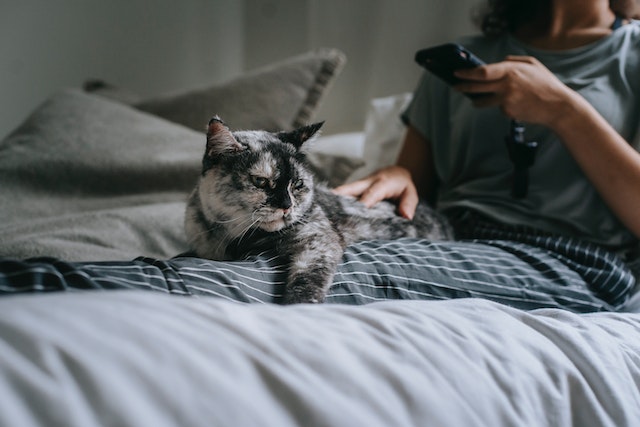
A cat resting with loose muscles, half-closed eyes, and a steady purr is often showing trust and contentment.
Bonding and affection
Cats may purr while sitting near you, rubbing against you, kneading, or greeting you after time apart.
Attention or food request
Some cats use purring with meows, paw taps, or circling your legs when they want something.
Stress or discomfort
A cat can purr while anxious, injured, or unwell, especially if the purr appears with tense or withdrawn behaviour.
How to Tell Happy Purring From Worried Purring
The easiest way to understand a purring cat is to look at the full scene. A happy purr usually appears with a soft face, relaxed whiskers, gentle blinking, slow breathing, normal appetite, and a body that chooses to stay close. The cat may knead, stretch, roll on one side, or calmly settle beside you.
A worried purr can look different. The sound may be paired with hiding, crouching, pinned ears, wide pupils, tail flicking, growling, panting, loss of appetite, litter box changes, or avoiding touch. In that case, the purr may be a coping behaviour rather than a sign that everything is fine.
Cat Purring Meaning Table
| What You Notice | What It May Mean | What To Do |
|---|---|---|
| Purring while sitting on your lap with soft eyes | Relaxation, trust, affection, or comfort | Let the cat choose the contact and keep handling gentle. |
| Purring with kneading on a blanket or your clothes | Comfort, security, bonding, or a soothing habit | Enjoy it, but trim claws if kneading becomes painful. |
| Purring around meal time while following you | Requesting food, attention, or routine interaction | Stick to healthy feeding routines rather than rewarding constant begging. |
| Purring while hiding, crouching, or avoiding touch | Stress, fear, pain, or feeling unsafe | Give space, reduce noise, and monitor for other symptoms. |
| Sudden intense purring with appetite loss or weakness | Possible illness or discomfort | Contact a vet, especially if the change is unusual for your cat. |
Why Kittens Purr
Kittens often begin using purring very early in life. During nursing and close contact, purring can help maintain communication between a kitten and its mother. As cats grow, that early comfort signal can become part of the way they bond with trusted people, other cats, and familiar routines.
This is one reason adult cats may purr while kneading soft surfaces. Kneading is often linked with kittenhood comfort, and many cats continue doing it throughout life when they feel safe and settled.
When Purring May Need a Vet Check
Purring by itself is not a diagnosis. Still, unusual purring can become important when it comes with other changes. If your cat suddenly purrs constantly, purrs while hiding, or purrs with obvious signs of discomfort, it is better to be cautious.
- Loss of appetite or drinking much more/less than usual
- Hiding, weakness, limping, or reluctance to jump
- Breathing changes, coughing, panting, or open-mouth breathing
- Vomiting, diarrhoea, litter box changes, or crying in the tray
- Sudden aggression, flinching, or avoiding normal touch
This guide is for general cat behaviour education and does not replace professional veterinary care. If your cat seems unwell, call your vet.
How to Respond to Your Cat’s Purr
The best response depends on what your cat is telling you with the rest of their body. If your cat is relaxed, purring, and choosing to stay close, gentle stroking or simply sitting nearby may be enough. Many cats prefer short, calm interaction rather than constant handling.
If your cat is purring but tense, do not force cuddles. Give them a quiet space, fresh water, access to the litter tray, and a safe hiding place. Watch for patterns. A one-off worried purr during a loud event is different from a sudden daily change that appears with appetite or mobility problems.
Simple Purring Checklist
- Look at posture: loose and stretched, or tight and crouched?
- Check the face: soft eyes and relaxed whiskers, or wide eyes and pinned ears?
- Notice routine: eating, drinking, grooming, and using the litter tray normally?
- Respect choice: does your cat move closer, or try to get away?
- Track changes: is this normal for your cat, or new and unusual?
Common Mistakes People Make About Purring
The biggest mistake is assuming every purr means happiness. A cat can purr while content, but also while anxious or uncomfortable. Another mistake is ignoring a cat’s boundaries because the sound seems friendly. If a cat is purring but flicking the tail, turning away, flattening the ears, or trying to leave, the kindest response is to stop and give space.
It also helps to remember that every cat is different. Some cats purr loudly and often. Others have a very quiet purr, a broken-sounding purr, or rarely purr at all. What matters most is whether the behaviour is normal for that individual cat.
FAQ: Why Do Cats Purr?
Why do cats purr when you pet them?
Many cats purr when you pet them because they feel safe, relaxed, and socially connected. It is usually a positive sign when the cat is loose-bodied, choosing to stay, and showing soft eyes or gentle kneading.
Do cats only purr when they are happy?
No. Cats can purr when they are happy, but also when they are stressed, uncomfortable, asking for something, or trying to soothe themselves. Context and body language are essential.
Can purring mean my cat is in pain?
Yes, it can. Purring with hiding, appetite loss, limping, breathing changes, unusual aggression, or weakness should be checked by a veterinarian.
Why does my cat purr and knead at the same time?
Purring and kneading often appear together when a cat feels comfortable and secure. Many cats keep this kitten-like behaviour into adulthood.
Why does my cat purr while sleeping?
A cat may purr while dozing because they are relaxed, comfortable, or lightly dreaming. If the cat otherwise acts normal, it is usually not a concern.
Should I worry if my cat never purrs?
Not necessarily. Some cats purr quietly, rarely, or in ways that are hard to hear. If your cat is eating, grooming, playing, and behaving normally, the absence of obvious purring is not automatically a problem.
Sources and Further Reading
Helpful references for understanding cat purring, feline body language, and cat care: