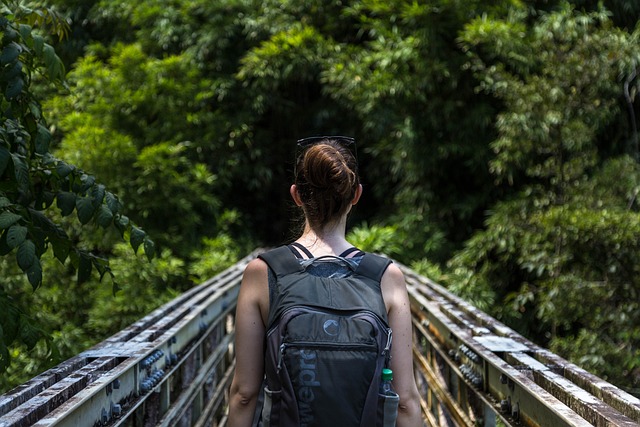
- Choose the route before the gear list. Distance, elevation, water, weather, permits and campsite rules decide what you must carry.
- For a first overnight backpacking trip, shorter is usually safer. A modest distance with reliable water and a legal campsite is better than a dramatic route that becomes stressful after dark.
- Do not judge a trail by distance alone. Elevation gain, trail condition, river crossings, exposure, heat, snow and navigation difficulty can make a short route feel much harder.
- Always plan a backup option. A safe turnaround point, bail-out trail, nearby road crossing or easier campsite can save the trip if the weather changes or someone gets tired.
Choosing a route for an overnight backpacking trip is not just about finding a beautiful trail on a map. The best route is the one that fits your fitness, experience, available daylight, weather, water access, camping rules and safety margin. A great overnight route should feel exciting, but it should also leave enough room for slow climbs, breaks, photos, navigation checks and unexpected delays.
When selecting an overnight backpacking route, consider the trail distance, elevation gain, terrain difficulty, daylight, weather forecast, water sources, campsite availability, permits, wildlife rules, group experience and emergency exit options. The safest choice is usually a route with a realistic daily mileage, reliable water, legal camping, clear navigation and a backup plan if conditions change.
Route difficulty, mileage and elevation
The first question is not “how far can I walk?” but “how far can I walk safely with a loaded backpack, over this terrain, with enough energy left to set up camp?” Overnight backpacking is different from a normal day hike because your pack is heavier, your pace is slower and small problems become bigger when you still need to sleep outdoors.
For beginners, a route with moderate mileage, clear trail markings and a predictable campsite is usually the best starting point. Experienced hikers can handle more complex terrain, but even then, elevation gain and trail surface matter as much as distance. A ten-mile route on flat woodland paths may feel manageable, while a six-mile route with steep climbs, loose rock and poor signage can become exhausting.
| Factor | Why it matters | What to check before choosing |
|---|---|---|
| Distance | Controls how long you spend walking before camp. | Total mileage each day, not just the headline trail length. |
| Elevation gain | Steep climbs slow your pace and use more energy. | Elevation profile, steep sections, high points and descents. |
| Trail surface | Rock, mud, snow and roots can slow you down. | Recent trail reports, photos, ranger updates and map notes. |
| Pack weight | A heavier pack changes comfort, balance and speed. | Full loaded pack weight including water and food. |
| Daylight | Arriving after dark makes setup and navigation harder. | Sunset time and realistic start time. |
Simple beginner rule
Choose a first overnight route that feels slightly easier than your best day hike, not harder. You can always build up to longer and more remote trips later.
Water, campsites and permits
Water access is one of the biggest route-planning details. A route may look perfect until you realise the only stream is seasonal, contaminated, far below the trail or too close to the start of the hike. Before committing, mark every reliable water source and decide how much water you need to carry between them.
Campsite rules matter just as much. Some trails allow dispersed camping, some require designated sites, and some popular wilderness areas require permits months in advance. Check whether campfires are allowed, whether bear canisters are required, and whether there are distance rules from lakes, rivers or trails.
Water questions
Are the water sources reliable in the current season? Do you need a filter, purifier, chemical treatment or extra carry capacity?
Campsite questions
Is the campsite legal, flat, sheltered and reachable before dark? Does it need booking or a wilderness permit?
Food storage questions
Are there bear, rodent or wildlife rules? Do you need a bear canister, bear hang or approved food locker?
Leave No Trace questions
Can you camp and cook without damaging fragile vegetation, water edges or popular rest areas?
Weather, season and trail conditions
A safe route in summer can be risky in shoulder season or winter. Snow patches, flooded crossings, wildfire smoke, heat warnings and storms can change your route from straightforward to unsafe. Check the forecast close to departure, but also research typical seasonal conditions for the area.
Look beyond the temperature. Wind, overnight lows, thunderstorm risk, precipitation, humidity and exposed ridgelines all affect the route decision. A route with easy forest cover may be fine in light rain; a high ridge with lightning risk may not be. A desert route may require extra water planning, while a mountain route may require warm layers even when the valley forecast looks mild.
Navigation and safety planning
Good route selection includes knowing how you will navigate if your phone battery dies or the trail becomes unclear. Carry an offline map, understand the main junctions, and note landmarks such as rivers, passes, ridgelines, roads and trailheads. A printed map or reliable backup navigation method is still useful, especially on remote trails.
Also create a simple trip plan before you leave. Tell someone where you are going, where you plan to camp, when you expect to return and when they should raise concern if you do not check in. This is not dramatic; it is basic outdoor preparation.
| Route type | Good for | Watch out for |
|---|---|---|
| Out-and-back | Beginners, flexible pacing, easy turnaround. | Can feel less varied, but usually simplest and safest. |
| Loop route | More scenery variety and no repeated trail. | Harder to shorten if the route becomes too much. |
| Point-to-point | Experienced hikers with transport arranged. | Requires shuttle planning and fewer escape options. |
| High-route or ridge route | Strong hikers seeking views and challenge. | More exposure to wind, storms, snow and navigation errors. |
Overnight backpacking route checklist
Use this checklist before you decide that a route is right for your trip:
- The distance and elevation fit the slowest person in the group.
- You know where you will camp and whether the site is legal.
- You have checked permit rules, parking rules and campsite booking requirements.
- You have reliable water sources marked and a treatment method packed.
- The forecast is suitable for your shelter, clothing and experience level.
- You know the main trail junctions, landmarks and bailout options.
- You have enough daylight to reach camp without rushing.
- Someone outside the trip knows your route and expected return time.
- Your food storage plan matches the local wildlife rules.
- You have an emergency plan if someone is injured, cold, lost or exhausted.
Common route-planning mistakes
The most common mistake is choosing a route because it looks impressive online, not because it fits the group. Beautiful photos do not show heavy packs, steep climbs, tired legs, blisters, late starts or changing weather. Build the trip around what your group can do comfortably, then add adventure gradually.
Another mistake is forgetting the return day. A campsite five miles from the trailhead may sound easy, but if the second day includes a long climb, bad weather or a long drive home, the trip can become stressful. Plan both days, not just the exciting first day.
A good beginner overnight route looks like this
A strong beginner route might be 4–7 miles to a legal campsite, with moderate elevation gain, reliable water near camp, a clear trail, simple navigation and an easy turnaround option. It should feel peaceful rather than punishing. The goal of a first overnight trip is to learn the rhythm of backpacking: walking, filtering water, cooking, sleeping outside and packing up the next morning.
FAQ
How many miles should a beginner backpack overnight?
Many beginners do best with a modest route of around 4–8 miles per day, depending on fitness, elevation, weather and pack weight. A shorter route with a calm campsite is better than a long route that forces you to rush.
Is elevation gain more important than distance?
Both matter, but elevation gain can make a route much harder than the mileage suggests. A short hike with steep climbing may feel tougher than a longer route on gentle terrain.
Should I choose a loop or out-and-back route?
For a first overnight backpacking trip, an out-and-back route is often easier to manage because you can turn around if needed. Loops can be more scenic, but they may offer fewer simple exit options.
How do I know if a campsite is legal?
Check the official land manager, park, forest or trail website before you go. Some areas require designated campsites or permits, while others allow dispersed camping under specific rules.
What is the most important safety step before leaving?
Tell a trusted person your route, planned campsite, vehicle location and expected return time. Also carry reliable navigation, weather-appropriate gear, water treatment and a basic emergency kit.
Sources and Further Reading
- National Park Service: The Ten Essentials
- Leave No Trace: The Seven Principles
- National Weather Service: Weather Safety
- Recreation.gov: Permits, campsites and public land bookings
- What are some tips for hiking long distances?
- How to choose lightweight, high-quality backpacking gear
- Camping tents vs backpacking shelters