Key Takeaways
- Waking after strange dreams is usually related to normal REM sleep, heightened stress, or a brief sleep disruption that makes the dream easier to remember.
- Common triggers include anxiety, irregular sleep timing, alcohol, late meals, certain medications, fever, and untreated sleep problems.
- The dream itself is not always the cause; breathing changes, noise, reflux, pain, or a full bladder can wake you during a vivid dream period.
- A short reset routine, a calmer evening, and a simple tracking method can often reduce repeated awakenings.
- Seek medical advice if awakenings involve injury, panic, choking, sleepwalking, severe daytime sleepiness, or worsening mental health symptoms.
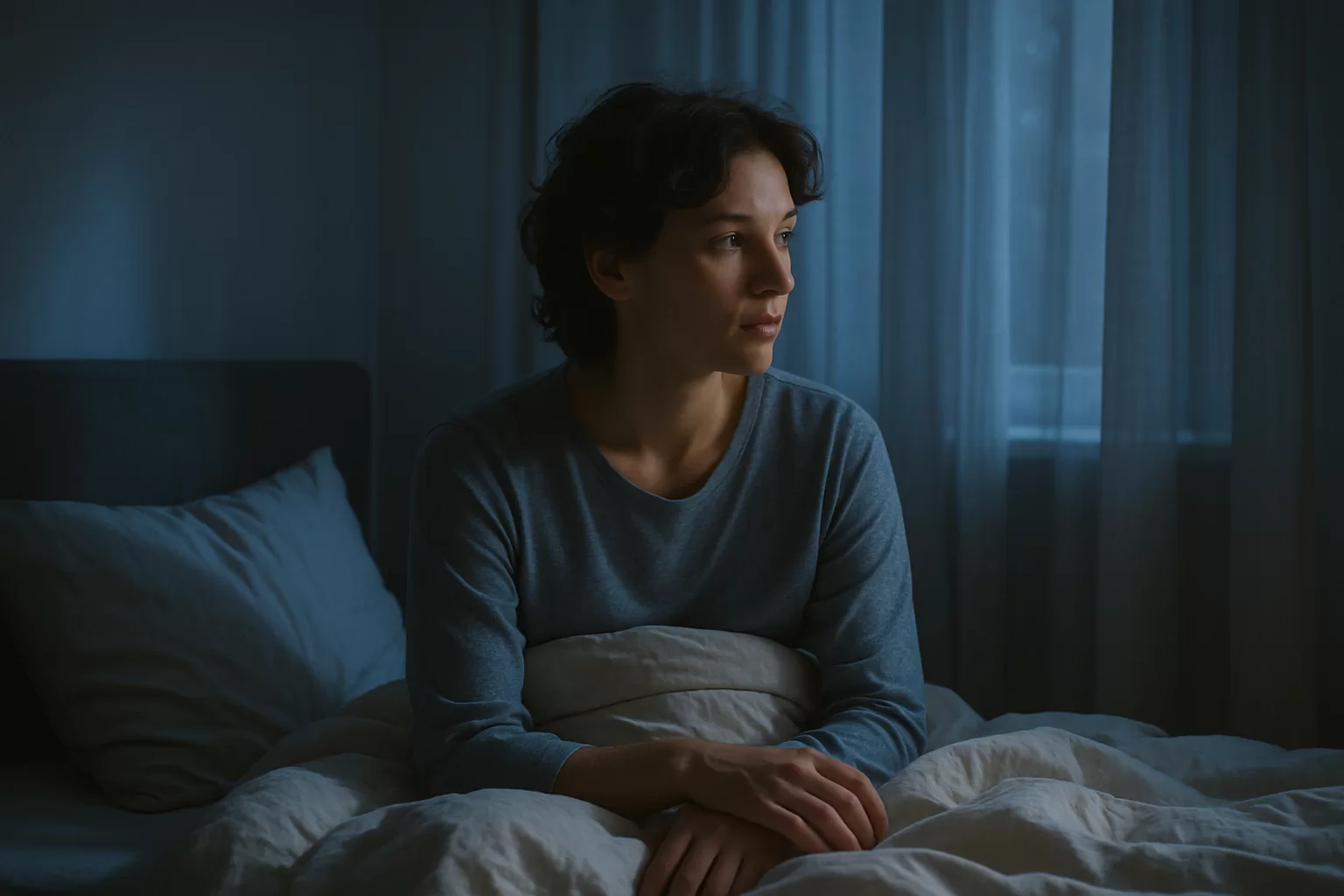
If you are asking, why do I keep waking up after strange dreams, the most useful answer is not that your dreams are predicting something. More often, your brain is close to morning REM sleep, your body briefly wakes, and the odd dream is still fresh enough to follow you into consciousness.
That does not mean you should ignore it. Repeated wake-ups can be a clue about stress, sleep timing, substances, medication changes, or a sleep condition. The goal is to notice patterns without turning every dream into an emergency.
Quick Answer
You may keep waking up after strange dreams because REM sleep becomes longer and more vivid in the second half of the night, and even a tiny disruption can pull you awake while the dream is active. Stress, anxiety, alcohol, cannabis changes, late meals, sleep deprivation, illness, hormonal shifts, and some medications can intensify dreams or fragment sleep. If it happens occasionally, it is usually not dangerous. If it happens often, leaves you exhausted, causes panic, involves acting out dreams, or includes choking or gasping, treat it as a sleep-health signal and consider professional help.
Personal Action Builder
Answer four quick questions and get a practical next step based on this guide.
Choose the options above, then build a recommendation you can use with the checklist, table, and sources in this guide.
In This Guide
Why Do I Keep Waking Up After Strange Dreams?
Dreams can happen in different sleep stages, but the vivid, story-like dreams people remember most often are linked with REM sleep. REM periods tend to get longer toward morning. That is why you may wake at 4 a.m., 5 a.m., or just before your alarm with a bizarre dream still playing in your mind.
There is also a memory effect. You probably dream many times without remembering them. When something wakes you during or shortly after a dream, your brain has a better chance of storing the scene. The dream may feel like the cause, but the actual trigger could be stress hormones, a sound, temperature, reflux, snoring, a pet moving, or your bladder.
Late-night REM sleep is longer and more emotionally active. If you wake during it, strange details feel sharp, even if the dream was not meaningful or threatening.
Busy, unresolved days can keep the nervous system alert. The sleeping brain may mix worries with random memories, then a small arousal wakes you.
Noise, pain, apnea, reflux, or temperature changes can break sleep. If the break lands during a dream, you remember the dream more clearly.
After sleep loss, alcohol, schedule disruption, or stopping some substances, REM sleep may feel more intense for a while as the brain catches up.
Strange dreams can be emotionally neutral, funny, unsettling, or frightening. A nightmare usually wakes you with fear or distress; a strange dream may simply feel vivid, illogical, or hard to shake. That distinction matters because the best next step depends on whether the problem is fear, frequency, daytime fatigue, or unusual behaviors during sleep.
Common Triggers and Clues to Watch
When wake-ups repeat, look for a pattern before searching for a symbolic meaning. Ask what changed in the past two weeks: bedtime, workload, alcohol, medication, illness, caffeine, exercise timing, screen use, travel, grief, or conflict. Most dream-related awakenings become clearer when you compare them with daily inputs.
Use the table as a quick sorting guide. It is not a diagnosis, but it can help you decide whether to adjust habits, track symptoms, or ask a clinician for advice.
| Trigger | Why it wakes you | Common clue | Try tonight | Escalate if |
|---|---|---|---|---|
| Stress or anxiety | Higher alertness | Busy mind | Wind-down list | Panic persists |
| Alcohol | REM disruption | 3 a.m. waking | Skip late drinks | Daily reliance |
| Late heavy meal | Reflux, heat | Sour taste | Eat earlier | Chest pain |
| Medication change | Sleep-stage shifts | New timing | Check label | Severe effects |
| Sleep apnea | Breathing arousals | Gasping, snoring | Side sleeping | Daytime sleepiness |
| Fever or illness | Body stress | Sweats, aches | Hydrate, cool room | High fever |
A few nuances are easy to miss. Cannabis, alcohol, and some sleep aids can change dream recall when started, used heavily, or stopped. Antidepressants, beta blockers, nicotine patches, melatonin, and certain allergy or blood pressure medicines may affect dreams for some people. Do not stop prescribed medication on your own; instead, note the date, dose, and timing, then ask your prescriber or pharmacist.
Travel and irregular sleep are another common pair. If you sleep less during the week and catch up on weekends, you may experience vivid dreams during longer morning sleep. The same can happen after jet lag, shift work, emotional news, a scary movie, or a late-night argument.
The Dream Wake-Up Reset Tool
When a strange dream wakes you, the immediate goal is to tell your body that the event is over. You do not have to analyze the dream at 3 a.m. In fact, deep analysis during the night can train your brain to become more alert whenever it wakes.
Use the 4R reset: Recognize that you woke from a dream, regulate your body with slow breathing, record only a few words if needed, and return to a low-stimulation sleep cue. Keep the whole routine under ten minutes when possible.
First, orient yourself. Name the room, the date, and one ordinary object you can see. Then breathe out longer than you breathe in for five to eight rounds. If the dream feels important, write a five-word note, such as ocean house, late train, lost phone. This preserves the thought without inviting a full investigation.
Next, reduce the chance of a second awakening. Keep lights low, avoid checking messages, and do not open a search engine to decode the dream. If you are still awake after about twenty minutes, leave the bed briefly for a quiet, dim activity, then return when sleepy. This protects the bed as a sleep cue instead of a worry zone.
Current-check reminder: If the pattern began after a new supplement, medication, illness, alcohol change, cannabis change, or major stressor, write down the start date. Timelines are often more useful than dream details when discussing sleep with a professional.
For prevention, make the hour before bed predictable. Lower lights, stop heavy problem-solving, and put tomorrow’s tasks somewhere outside your head. If prayer, meditation, gentle stretching, or quiet reading helps you feel safe, use it consistently. The point is not to force perfect calm; it is to give your nervous system the same reliable landing strip each night.
Patterns, Meanings, and Mistakes to Avoid
It is natural to wonder what strange dreams mean, especially when they wake you repeatedly. Some dreams reflect emotional processing, memory fragments, body sensations, or concerns you have not had time to face. Still, one dream is weak evidence. A pattern across several nights is more useful than a single dramatic scene.
Try a two-week log with four lines: bedtime and wake time, substances or medications, stress level, and dream-wake intensity from 1 to 5. Add symptoms such as gasping, sweating, racing heart, pain, or sleepwalking. This small dataset can reveal whether the issue follows late alcohol, work stress, menstrual cycle changes, missed sleep, or breathing symptoms.
Searching meanings while half-awake increases alertness and can make the dream feel more urgent. Save reflection for daylight, when your thinking is steadier.
A scary dream may get the attention, but reflux, snoring, pain, temperature, or a full bladder may be the reason you actually woke.
Trying too hard to prevent dreams can create performance anxiety. Aim for steady routines and good recovery, not a night with zero awakenings.
If you cut caffeine, add supplements, shift bedtime, and start melatonin at once, you cannot tell what helped. Test one change at a time.
If you want to reflect on meaning, do it gently. Ask: What feeling was strongest? What was unfinished in the dream? Does the theme match anything current? Then stop. You are looking for a practical emotional clue, not a verdict about your future.
For people with trauma histories, recurring frightening dreams can be more than ordinary stress. Trauma-related nightmares may repeat themes of danger, helplessness, or pursuit, and they can make bedtime feel unsafe. In that case, supportive mental health care and nightmare-focused treatments may be more effective than general sleep tips alone.
When Waking After Strange Dreams Needs Extra Help
Occasional vivid dreams are common, but certain signs deserve more attention. Contact a healthcare professional if you regularly wake gasping, have loud snoring, feel unrefreshed despite enough time in bed, experience chest pain, faintness, severe panic, or daytime sleepiness that affects driving or work.
Also seek advice if you act out dreams, punch, kick, fall out of bed, or injure yourself or a partner. Dream enactment can have several causes, and it is worth evaluating rather than dismissing as just an intense dream. Until you get guidance, make the sleep area safer by moving sharp objects, lowering fall risks, and protecting bed partners.
Decision guide: If wake-ups are rare and you feel fine, use a reset routine. If they happen several times a week, track triggers for two weeks. If they include breathing trouble, injury, severe fear, or major daytime impairment, skip the experiment and get professional input.
Consider mental health support when strange dreams come with persistent anxiety, depression, grief, intrusive memories, or dread about sleeping. Sleep and mood influence each other; improving one often supports the other. A clinician can help separate ordinary vivid dreams from insomnia, nightmares, panic attacks, medication effects, parasomnias, or breathing-related sleep disruption.
Wearables can be helpful for trends, but they are not perfect at identifying sleep stages or diagnosing problems. Treat them as a diary assistant, not a final answer. If your device says you woke during REM, that may fit the story, but your symptoms and daytime function matter more.
Summary and Final Thoughts
Waking after strange dreams usually happens when vivid REM sleep meets a brief arousal. Stress, sleep loss, alcohol, medication changes, illness, irregular schedules, reflux, and breathing disruptions can all make the experience more frequent or memorable.
The best response is calm and practical: reset your body, avoid late-night interpretation spirals, track patterns, and adjust one habit at a time. If the awakenings are intense, dangerous, or affecting daily life, professional support is a wise next step.
FAQ
Is it normal to wake up after a strange dream?
Yes, it can be normal, especially near morning when REM sleep is longer and dreams are more vivid. The concern rises if it happens most nights, causes fear of sleep, leaves you exhausted, or comes with symptoms like gasping, injury, or panic.
Why are my dreams suddenly so vivid?
Sudden vivid dreams often follow stress, sleep deprivation, schedule changes, alcohol changes, illness, pregnancy, or medication adjustments. Your brain may also remember dreams more clearly if you wake during them. Track recent changes before assuming the dreams have a deeper cause.
Can anxiety make me wake up from weird dreams?
Anxiety can raise nighttime alertness and make sleep lighter, so you are more likely to wake during a dream. It can also shape dream themes around pressure, danger, loss, or unfinished tasks. Calming routines and daytime anxiety support may reduce the pattern.
Should I write down strange dreams when I wake up?
Write only a few words if the dream feels important, then return to sleep. Long journaling in the middle of the night can wake your brain further. A brief note in low light gives you a record without turning the wake-up into an analysis session.
When should I worry about waking from dreams?
Get help if you act out dreams, fall, kick, wake choking or gasping, have severe panic, or feel dangerously sleepy in the day. Also seek support if nightmares are tied to trauma, depression, or anxiety that is worsening or affecting your daily life.
Sources and Further Reading
- What are some key considerations for choosing lightweight, high-quality gear for wilderness backpacking trips?
- What advice would you give someone interested in visiting and experiencing another culture through travel?
- Astrological Compatibility in Love: Keep Your Perfect Man
- How to Cure Brain Fog After Drinking: Top Remedies and Tips
- Parasomnias
- What Are Nightmares?
- REM Sleep Behavior Disorder
- Sleep and Anxiety