Key Takeaways
- Juicing recipes for memory can support a brain-friendly diet, but they cannot cure memory problems or guarantee better cognition.
- Leafy greens, berries, beets, citrus, ginger, seeds and healthy fats can fit into a brain-supportive eating pattern.
- Whole fruits and vegetables are usually better than juice because they keep more fibre and help with fullness and steadier blood sugar.
- Keep juice servings small, especially fruit-heavy recipes, and pair them with protein, fibre or a meal when possible.
- People with diabetes, kidney disease, blood-thinner medication, food allergies or persistent memory changes should ask a healthcare professional for guidance.
Quick Answer: Can Juicing Help Memory?
Fresh juice can add vitamins, minerals and plant compounds to your diet, but memory health depends on the whole lifestyle. A brain-friendly routine includes balanced meals, enough sleep, regular movement, hydration, social connection, mental stimulation and medical support when memory changes are concerning. Use these juices as colourful nutrition support, not as a treatment.
Brain Health Basics
The brain uses a steady supply of nutrients and blood flow. Research around brain-supportive eating patterns often points to vegetables, berries, whole grains, nuts, fish, olive oil and other Mediterranean/DASH-style foods. Juices can include some of those ingredients, but they are only one part of the picture.
Antioxidants
Berries, leafy greens, citrus and beetroot contain plant compounds that help support overall cellular health.
Hydration
Even mild dehydration can affect how sharp and focused you feel, so fluids matter alongside food.
Blood flow
Heart health and brain health are connected. Movement, blood pressure control and balanced meals matter.
Daily habits
Sleep, exercise, stress management, learning and social contact often matter more than any single juice.
Juicing vs Whole Foods
Juicing removes much of the fibre from fruits and vegetables. That can make juices easier to drink quickly, but it can also make fruit-heavy juices easier to overconsume. Smoothies keep more fibre because the whole fruit or vegetable is blended.
| Option | Best use | Main caution | Better choice when... |
|---|---|---|---|
| Fresh juice | Quick vegetable-heavy nutrient boost | Lower fibre and possible blood-sugar spike | You want a small serving with meals. |
| Smoothie | More filling drink with fibre | Can still become calorie-heavy | You add protein, seeds and whole fruit. |
| Whole fruit/veg | Everyday brain-friendly eating | Requires chewing and prep | You want fibre, fullness and slower digestion. |
| Supplement | Specific nutrient gap when appropriate | Interactions and unrealistic claims | A clinician recommends it. |
Practical rule: Make most of your produce intake whole fruits and vegetables. Use juice as an occasional addition, not your main source of produce.
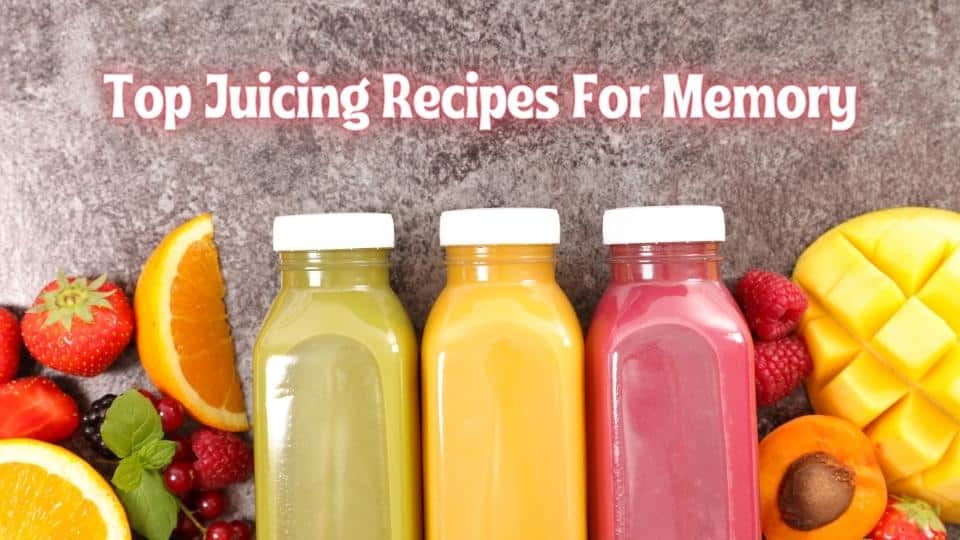
Juicing Recipes for Memory
1. Green Brain Booster
Ingredients: 2 cups kale or spinach, 1 green apple, 1 cucumber, 1 peeled lemon, 1 thumb-sized piece of ginger.
Method: Wash ingredients, juice together, stir well and serve fresh.
Why it fits: Leafy greens are a key part of many brain-friendly eating patterns, while cucumber and lemon keep the drink fresh and lighter.
2. Berry Brain Blast
Ingredients: 1 cup blueberries, 1 cup strawberries, 1/2 cup raspberries, 1 peeled kiwi, optional splash of water.
Method: Blend rather than juice if possible so you keep more fibre from the berries.
Why it fits: Berries are commonly highlighted in MIND-style eating patterns. Keep the serving moderate because fruit sugars can add up.
3. Tropical Memory Enhancer
Ingredients: 1 cup pineapple chunks, 1/2 mango, 1 banana and 1 peeled orange.
Method: Blend until smooth. Split into 1–2 servings if the portion is large.
Why it fits: This recipe is rich in fruit flavour and vitamin C, but it is higher in natural sugar than the green recipes.
4. Omega-Rich Memory Mix
Ingredients: 1 cup spinach, 1/2 avocado, 1 tablespoon chia seeds, 1 pear and a splash of unsweetened almond milk.
Method: Blend until smooth and let sit for a few minutes if you want the chia to thicken.
Why it fits: Avocado and chia make this more filling than a thin juice and help balance the fruit.
5. Red Root Recall
Ingredients: 2 beets, 1 carrot, 1 apple and 1/2 peeled lemon.
Method: Juice all ingredients together and start with a small serving if beet juice is new to you.
Why it fits: Beetroot is often used in performance and blood-flow discussions. People prone to kidney stones or on certain diets should ask for medical guidance before using a lot of beetroot.
Memory Juice Recipe Finder
Choose your priority and get the best recipe direction.
Smart Add-Ins for Brain Health
The original article suggested chia seeds, walnuts, turmeric, black pepper, flaxseeds and coconut oil. Here is how to use add-ins more carefully.
| Add-in | Why people use it | Best way to add it | Caution |
|---|---|---|---|
| Chia seeds | Fibre and plant omega-3 fats | Blend or stir into smoothies | Drink enough fluid; can thicken quickly. |
| Ground flaxseed | Fibre and plant omega-3 fats | Use 1 tablespoon in smoothies | Start small if fibre upsets your stomach. |
| Walnuts | Healthy fats and texture | Blend into smoothie-style recipes | Not suitable for nut allergies. |
| Turmeric + black pepper | Used for anti-inflammatory-style recipes | Use a small pinch | Ask a clinician if you take blood thinners or have gallbladder issues. |
| Coconut oil | Adds fat and creaminess | Use sparingly, if at all | High in saturated fat; not needed for most juices. |
Safety, Sugar and Medication Notes
Diabetes or insulin resistance
Fruit juice can raise blood sugar quickly because it has less fibre than whole fruit. Prefer vegetable-heavy juices, small servings, and clinician guidance.
Blood thinners
Large changes in leafy greens or turmeric intake may matter for some people taking blood-thinning medication. Ask your clinician.
Kidney concerns
High-potassium or high-oxalate ingredients may not fit every kidney-related diet.
Persistent memory changes
New or worsening memory problems should not be self-treated with juice. Speak with a healthcare professional.
Do not use juice as medical treatment. Memory changes can have many causes, including sleep problems, medication effects, vitamin deficiencies, stress, depression, infections and neurological conditions.
7-Day Brain-Friendly Juice Plan
This plan keeps servings moderate and balances juice with whole foods.
| Day | Drink idea | Pair it with | Brain-friendly habit |
|---|---|---|---|
| Day 1 | Green Brain Booster | Eggs, yoghurt or tofu breakfast | 10-minute walk |
| Day 2 | Whole berries instead of juice | Oats or unsweetened yoghurt | Drink water before coffee |
| Day 3 | Omega-Rich Memory Mix | Light lunch | 20 minutes reading or learning |
| Day 4 | Rest from juice | Whole fruit and nuts | Earlier bedtime |
| Day 5 | Red Root Recall, small serving | Protein-rich meal | Stretch or gentle exercise |
| Day 6 | Berry Brain Blast, blended | Chia or flax added | Call a friend or family member |
| Day 7 | Your favourite lower-sugar recipe | Balanced meal | Review energy, focus and digestion |
FAQs About Juicing Recipes for Memory
Can juice improve memory?
Juices can provide nutrients from fruits and vegetables, but they should not be presented as a cure or guaranteed memory booster. Overall lifestyle and medical care matter more.
Which juice is best for brain health?
A lower-sugar juice with leafy greens, berries, beetroot, ginger, lemon or cucumber is usually a better choice than a large fruit-only juice.
Is juicing better than eating whole fruits and vegetables?
Not usually. Whole fruits and vegetables keep more fibre, which supports fullness and steadier blood sugar.
How often should I drink memory-support juices?
A small serving a few times per week can fit into a balanced diet for many adults. Daily large juices may add too much sugar and too little fibre.
Who should be careful with juicing?
People with diabetes, kidney disease, blood-thinner medication, digestive conditions, pregnancy concerns, food allergies, or a history of disordered eating should ask a healthcare professional before major juicing changes.
Can I store fresh juice?
Fresh juice is best consumed immediately. If needed, store it in a sealed container in the refrigerator and drink it within 24 hours.
Sources and Further Reading
- National Institute on Aging: Cognitive Health and Older Adults
- Harvard Nutrition Source: MIND Diet
- Harvard Health: Foods Linked to Better Brainpower
- NIH ODS: Omega-3 Fatty Acids
- CDC: Added Sugars
- 5 Brain Exercises To Improve Memory And Concentration
- Weight Loss Smoothie Recipes PDF
- Processed Foods And Their Natural Replacements
- Study Music For Better Concentration And Memory
Affiliate and health disclosure: This article may contain affiliate links, including brain-health and wellness resources. If you click and make a purchase, ChipJourney may earn a small commission at no extra cost to you. This guide is general nutrition information only and is not medical, neurological, dietary, diagnosis or treatment advice. Juices and supplements are not guaranteed to improve memory and should not replace professional care, especially if memory changes are new, worsening or affecting daily life.