Key Takeaways
- Fake leather can smell more like real leather, but it will not become genuine leather. Aim for a clean, warm, subtle scent.
- Always remove bad odours first before adding leather fragrance. Otherwise, the result can smell like perfume mixed with plastic.
- Patch test every spray, oil, vinegar solution, cleaner, or conditioner on a hidden area first.
- Never soak faux leather, use harsh solvents, or apply strong fragrance directly onto visible surfaces.
- Ventilation, baking soda, activated charcoal, and careful leather-scent products are the safest starting points.
Quick Answer: How Do You Make Fake Leather Smell Real?
Start by airing out the item, then neutralise the plastic or chemical smell, then add a very light leather scent. Use baking soda or activated charcoal to absorb odours, wipe gently with a barely damp cloth if needed, patch test a leather-scented spray or oil, apply it lightly, and let the item dry in a shaded, ventilated space.
Why Faux Leather Smells Artificial
Faux leather often has a plastic, fishy, musty, or chemical smell because it is usually made with synthetic coatings, adhesives, dyes, and packaging materials. Items that stay sealed in plastic for a long time can trap odours, so the smell may be strongest when the product is new.
PU or PVC coatings
Many faux leather items use synthetic coatings that can smell different from real leather.
Adhesives and dyes
Manufacturing materials can leave a noticeable smell, especially on cheaper or tightly packaged items.
Storage and packaging
Plastic bags, warehouses, humidity, and sealed boxes can trap stale or musty smells.
Moisture
Damp storage can make faux leather smell worse and may encourage musty odours.
Do This First: Safe Odour Prep
Before adding any leather fragrance, remove as much unwanted smell as possible. This keeps the final scent cleaner and more natural.
- Air it out. Place the item in a shaded, well-ventilated space for several hours or overnight.
- Wipe dust away. Use a dry or barely damp microfibre cloth. Do not soak the surface.
- Absorb odours. Use baking soda nearby or activated charcoal packs in a sealed container with the item.
- Patch test everything. Test sprays, oils, vinegar solution, and conditioners on a hidden area.
- Add scent lightly. Less is better. Too much fragrance can smell fake and may stain the surface.
5 Ways to Make Fake Leather Smell More Real
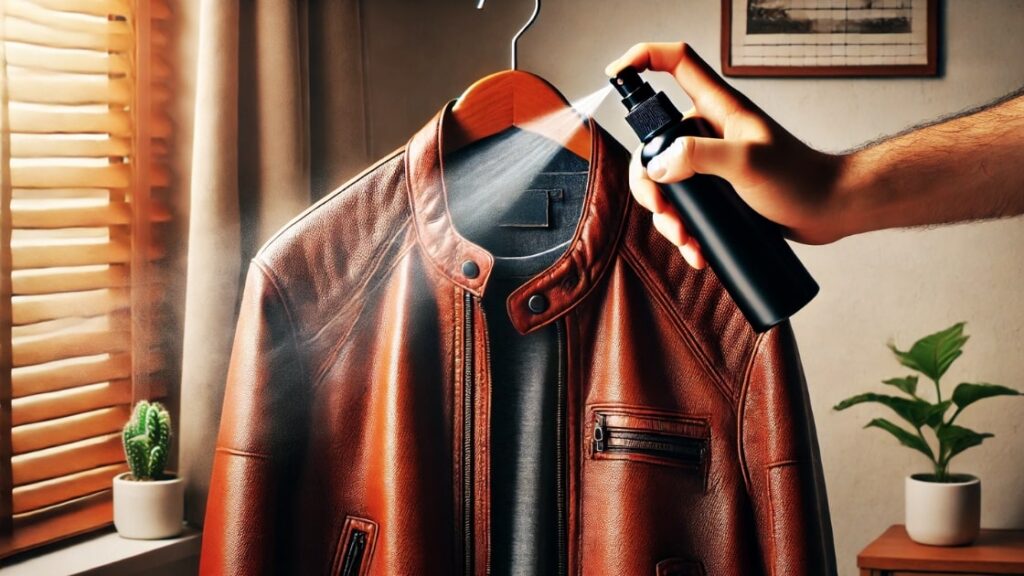
1. Leather-scented spray
A leather-scented spray is the simplest option. Mist from a distance, use very little, and let the item air out before wearing or storing it.
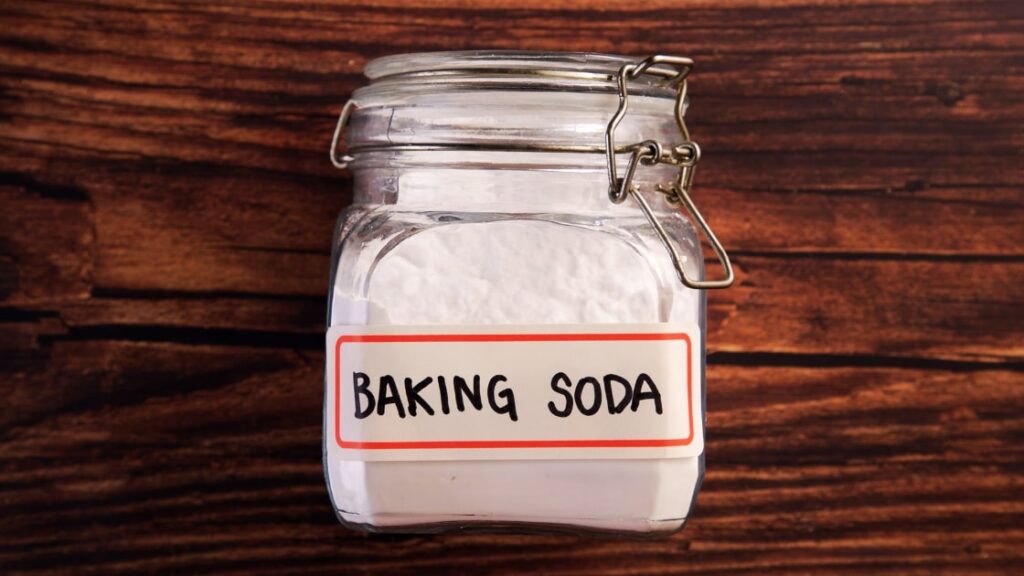
2. Baking soda odour reset
Use baking soda to absorb smells before adding fragrance. For delicate items, place baking soda in an open bowl inside a sealed container instead of sprinkling it directly.
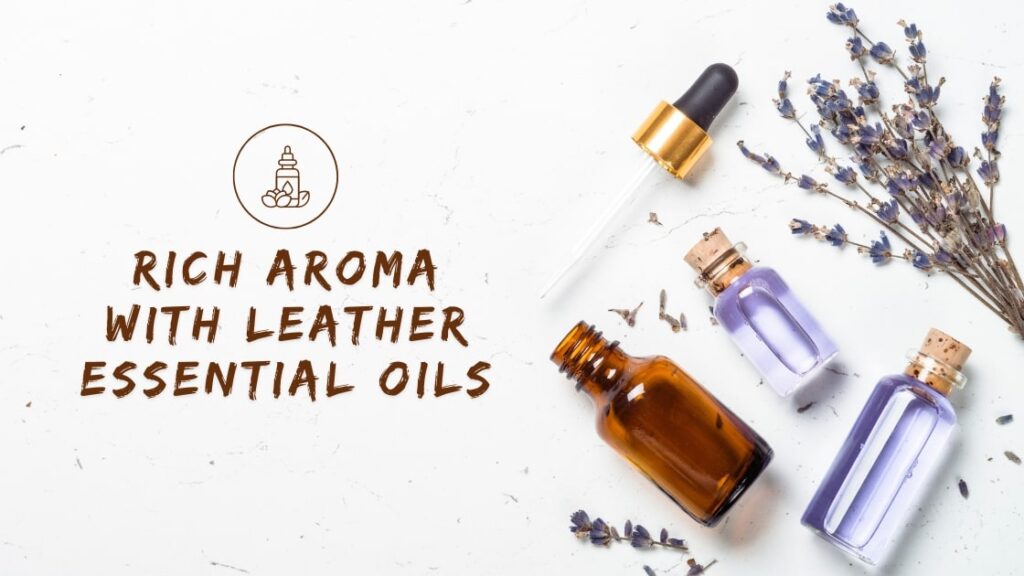
3. Leather-scented oil
Apply a tiny amount to a soft cloth, not directly to the surface. Rub lightly on a hidden test spot first and avoid oily buildup.
4. Activated charcoal packs
Activated charcoal can reduce unwanted odours without adding perfume. Place packs near the item for 24–48 hours.
5. Mild vinegar wipe
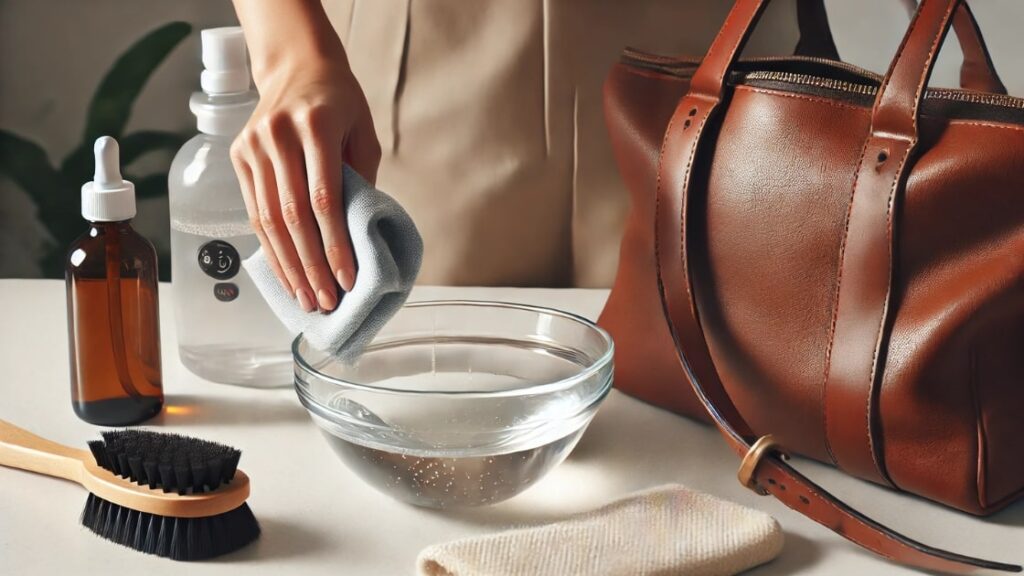
For stubborn odours, use a very diluted white-vinegar solution on a barely damp cloth. Do not soak, and dry fully before adding scent.
Bonus: Condition carefully
Some conditioners are suitable for faux leather, but not all. Read the label and test first. A wrong product can leave stickiness or shine marks.
Faux Leather Smell Fix Finder
Choose the smell problem and get the safest first step.
Long-Term Faux Leather Care
| Care habit | Why it helps | Simple tip |
|---|---|---|
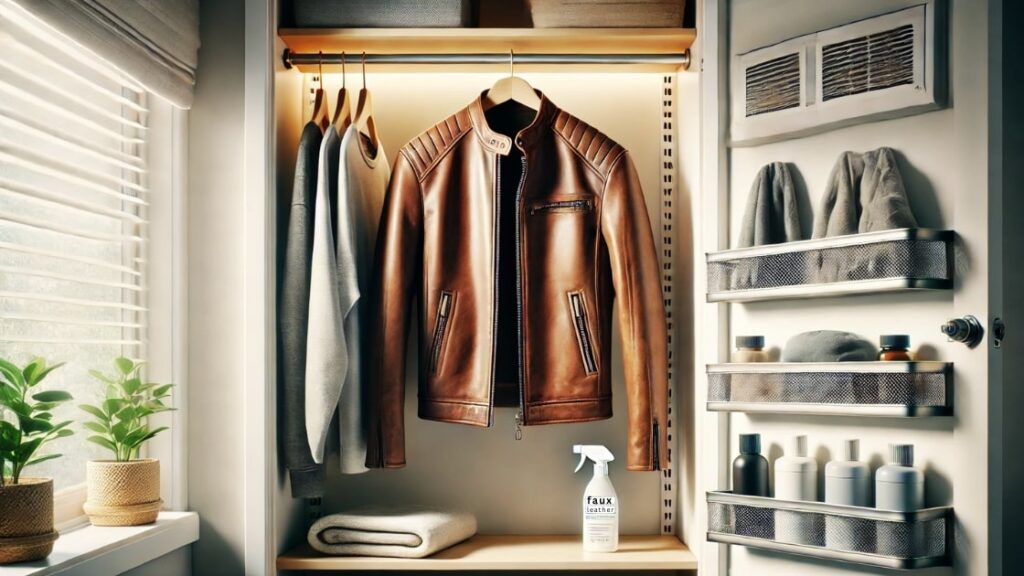
| Store in a cool, dry place | Heat and moisture can worsen odours and damage finishes. | Avoid sealed plastic bags for long-term storage. |
| Let it breathe | Airflow prevents stale smells from building up. | Take bags, shoes, and jackets out occasionally. |
| Clean gently | Dirt, sweat, and oils can trap smell. | Use a soft cloth and a cleaner suitable for faux leather. |
| Use scent lightly | Too much fragrance smells artificial. | Reapply only when the scent fades. |
| Keep charcoal nearby | Absorbs odours without covering them. | Use charcoal packs in drawers, closets, bags, or shoe storage. |
What Not to Do
- Do not soak faux leather in vinegar, water, perfume, alcohol, or essential oils.
- Do not use bleach, acetone, paint thinner, or strong solvents.
- Do not dry faux leather in direct sun or near high heat.
- Do not spray fragrance directly onto a visible area without a patch test.
- Do not store a still-damp item in a sealed bag or box.
FAQs About Making Fake Leather Smell Real
Can fake leather smell like real leather?
It can smell more leather-like with deodorising and a light leather-scented product, but it will not become genuine leather.
Are leather-scented sprays safe on faux leather?
Many are safe when used lightly, but always patch test first and follow the product label.
Can I use perfume on faux leather?
Perfume can leave residue, alcohol marks, or an artificial smell. A leather-scented spray is usually a better choice.
Is baking soda safe for faux leather?
It can absorb odours, but use it gently. For delicate finishes, keep baking soda in a bowl near the item rather than rubbing it onto the surface.
Can vinegar damage fake leather?
Strong vinegar or soaking can damage some finishes. Use only a diluted solution on a barely damp cloth after a hidden patch test.
How often should I reapply leather scent?
Only when the scent fades. Overapplying can make the item smell artificial and may leave residue.
Sources and Further Reading
Affiliate and safety disclosure: This article may contain affiliate links, including Amazon links. If you click and make a purchase, ChipJourney may earn a small commission at no extra cost to you. Always patch test cleaning and scent products, follow product labels, ventilate well, and avoid harsh chemicals or soaking synthetic leather surfaces.