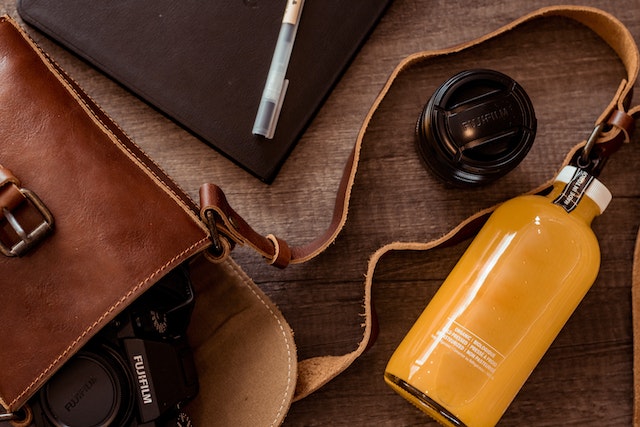
- A good travel case for camera gear protects more than the camera body. It also protects lenses, batteries, memory cards, filters, chargers and small accessories.
- The right case depends on the trip. Flights, hiking, city breaks, beach travel, road trips and professional shoots all need different levels of protection.
- Camera protection is not only about padding. You also need organisation, water resistance, comfortable carrying, theft awareness and safe battery storage.
- Spare lithium camera batteries should travel in carry-on baggage and be protected from damage or short circuits.
- The best camera case is the one you will actually use. It should make your kit safer, easier to reach and less stressful to travel with.
A good travel case for camera gear is important because it protects your camera from impact, pressure, rain, dust, sand, theft risk and messy packing. It also keeps accessories organised, helps prevent lens scratches, makes airport security easier and gives you confidence when moving through busy places, flights, hotels, cars, buses, beaches and hiking trails.
In This Guide
A camera is one of the easiest pieces of travel gear to underestimate until something goes wrong. A cracked lens, bent filter thread, wet memory card, broken zipper or missing battery can ruin a day of photography. That is why a good travel case for camera equipment is not just a nice accessory. It is part of your travel protection system.
Whether you are taking family holiday photos, filming travel content, shooting landscapes, or carrying a DSLR, mirrorless camera, compact camera, drone or action camera, your case decides how safely and quickly you can move. Camera gear needs padding, separation, weather protection and easy access.
Why a Good Travel Case for Camera Gear Matters
Travel is unpredictable. Your camera may sit under an aeroplane seat, bounce in a taxi, swing from your shoulder in a crowded market, get exposed to sea air or sit beside damp clothes after a rainy day. A proper camera case reduces the chance that normal travel pressure becomes expensive damage.
Most cameras are strong enough for careful everyday use, but they are not designed to be loose in a general backpack with keys, chargers, books, water bottles and hard objects pressing against them. Lenses are even more vulnerable because glass, focusing rings, mounts and filter threads can be damaged by knocks or pressure.
Find the Best Camera Travel Case for Your Trip
Choose your travel style and use the result as a quick buying guide.
Best Camera Case Type by Travel Need
| Case type | Best for | Why it helps | Watch out for |
|---|---|---|---|
| Hard camera case | Professional shoots, road trips, rugged transport | Strong crush resistance and excellent impact protection. | Can be heavy, bulky and awkward for long walks. |
| Soft shoulder camera bag | City breaks, short walks, quick access | Light, flexible and easy to reach while moving. | Less protection from crushing and can strain one shoulder. |
| Camera backpack | Flights, hiking, creators, multiple lenses | Better weight distribution, more storage and laptop sections. | May need to be removed for access unless it has side/rear entry. |
| Padded camera insert | Minimal kits and existing backpacks | Adds camera protection inside a normal travel bag. | Less weather protection and security than a dedicated case. |
| Dry bag or waterproof pouch | Beaches, boats, rain, kayaking | Adds moisture protection in wet environments. | Usually needs padding too; waterproof does not always mean shockproof. |
What a Travel Case Protects Your Camera From
A good case protects the whole shooting setup, including lenses, cards, batteries, microphones, filters, straps, chargers, cleaning cloths and sometimes a laptop or tablet.
Impact and drops
Padding and dividers reduce shock when a bag is dropped, placed down hard or bumped in a busy airport, train station or city street.
Scratches and pressure
Separate compartments stop lenses rubbing against zippers, cables, keys, chargers or other accessories.
Rain, dust and sand
Water-resistant material, rain covers and sealed pockets help keep small particles and moisture away from sensitive gear.
Theft and disorganisation
A structured case makes it easier to notice missing items and choose safer access points when travelling in crowded places.
Hard Case vs Soft Camera Bag vs Camera Backpack
There is no single best camera case for every traveller. The right choice depends on how much gear you carry, how rough the journey is and how quickly you need access.
Hard camera case
Best for: rugged travel, professional shoots, road trips and transporting expensive equipment.
Watch out: hard cases can be heavy, bulky and less comfortable when walking long distances.
Soft camera shoulder bag
Best for: city breaks, short walks, quick access and lighter photography days.
Watch out: it usually offers less protection from crushing and can feel uncomfortable with heavy gear.
Camera backpack
Best for: flights, hiking, creators, longer days, multiple lenses and laptop carry.
Watch out: you may need to remove it to access gear unless it has side or rear access.
Features to Look for in a Good Travel Camera Case
Padded dividers that stay in place
Good dividers separate the camera body from lenses, chargers, filters, batteries and accessories. They should be firm enough to stop gear moving around.
Water-resistant outer material
You do not always need a fully waterproof case, but water-resistant fabric and a rain cover are useful for wet places, beaches, snow and humid destinations.
Strong zippers and secure closures
Cheap zippers can jam, split or leave gaps where dust and moisture can get inside. Smooth, strong zippers matter more than many people realise.
Comfortable straps and balanced weight
Look for padded shoulder straps, a waist strap for heavier backpacks and a design that spreads weight evenly across your back or shoulders.
Safe laptop or tablet compartment
If you edit photos while travelling, choose a case with a dedicated laptop compartment that does not press directly against camera gear.
Discreet design
Some camera bags look expensive from far away. In busy cities, a simple design can be safer than a bag that clearly screams camera equipment inside.
If you are still choosing between camera backpacks, you may find these camera backpack options useful as a starting point.
How to Pack Camera Gear Safely for Travel
A good case helps, but good packing habits matter too. A poorly packed expensive camera bag can still cause scratches, pressure damage or missing accessories.
- Keep lenses capped: use front and rear lens caps before placing lenses into the case.
- Use dividers properly: each lens should have its own protected space instead of rolling around freely.
- Store memory cards separately: use a hard card case so cards do not bend, crack or disappear in small pockets.
- Protect batteries: keep spare batteries in cases, sleeves or original packaging to avoid short circuits.
- Keep liquids away: never pack water bottles, toiletries or drinks in the same open compartment as camera gear.
- Put heavy items low: this improves balance and reduces pressure on delicate gear.
- Carry cleaning tools: include a microfiber cloth, blower and small brush for dust and sand.
Flying With Camera Gear and Batteries
Air travel adds another layer of planning because camera gear is fragile, expensive and often powered by lithium batteries. When possible, keep your camera body, lenses, memory cards, batteries and important accessories in your carry-on bag.
Spare lithium batteries should not go in checked baggage. They should travel with you in the cabin, remain accessible and be protected from damage or short circuits. This matters for camera batteries, power banks and other rechargeable travel devices.
Most normal consumer camera batteries are under the common 100 watt-hour limit, but you should still check your airline rules before flying, especially if you use larger batteries, professional video gear, power banks or battery grips.
How to Choose the Right Camera Case for Your Trip
The best case is the one that matches your travel style. Ask yourself these questions before buying:
- Will I carry the case all day or only between hotels and transport?
- Am I travelling by plane, car, train, bus, boat or on foot?
- Will I shoot in rain, snow, beaches, deserts, cities or mountains?
- Do I need space for a laptop, drone, microphone or tripod?
- Do I want fast camera access or maximum protection?
- Can the case fit under an aeroplane seat or inside carry-on limits?
- Does it look too obvious or expensive for the destinations I visit?
Common Camera Case Mistakes to Avoid
Overpacking the case
If you force too much gear inside, you create pressure points that can damage lenses, screens or camera mounts.
Leaving loose batteries
Loose batteries can touch metal objects or become damaged. Use small cases or covers whenever possible.
Putting wet gear away too quickly
After rain or humidity, dry your gear before sealing it in a case. Moisture trapped inside a bag can create long-term problems.
Buying only for looks
A stylish bag is nice, but padding, comfort, weather resistance and organisation matter more for real travel.
How to Keep Your Camera Case in Good Condition
Your case protects your camera, but the case itself needs care too. Empty it after trips, shake out dust and sand, wipe the interior and check the zippers. If you travel in humid weather, let the bag dry fully before storing it in a wardrobe or cupboard.
Small silica gel packets can help control moisture inside a camera bag, especially during humid travel or long storage. Replace or regenerate them when needed, and avoid leaving damp gear sealed inside the case.
Final Thoughts
A good travel case for camera gear protects your equipment, keeps accessories organised, makes travel less stressful and helps you stay ready when the perfect photo appears. The right case does not have to be the most expensive one. It simply needs to fit your camera, your travel style, your comfort level and the risks of your journey.
If your camera matters to you, protect it properly. A strong, comfortable, well-organised camera travel case is one of the simplest ways to avoid costly damage and enjoy photography with more confidence.
FAQs About a Good Travel Case for Camera Gear
Do I really need a travel case for my camera?
Yes, if you travel with a camera, a proper case helps protect your camera body, lenses, batteries, memory cards and accessories from impact, dust, moisture, scratches and disorganised packing.
Is a hard case or soft camera bag better for travel?
A hard case gives stronger crush and impact protection, especially for checked transport or rugged trips. A soft camera bag or backpack is usually more comfortable for walking, city trips and carry-on travel.
Can I put camera batteries in checked luggage?
Spare lithium batteries should travel in carry-on baggage, not checked baggage. Keep battery terminals protected and check your airline’s current rules before flying.
What should a camera travel case include?
Look for padded dividers, water-resistant material, strong zippers, comfortable straps, a secure laptop section if needed, weather protection and enough space for lenses, charger, memory cards and cleaning accessories.
How do I protect camera gear from rain or humidity?
Use a water-resistant case, pack a rain cover or dry bag, keep silica gel packets inside the case, and let gear dry before sealing it away after wet or humid shoots.
Should I keep my camera in hand luggage?
For flights, it is usually safer to keep your main camera gear in carry-on luggage when possible, especially lenses, batteries, memory cards and fragile accessories.
Affiliate disclosure: ChipJourney may earn a small commission from qualifying purchases through affiliate links in this guide, at no extra cost to you.